
Belarus Frees 123 Prisoners Amid US Sanctions Relief

In This Article
HIGHLIGHTS
- Belarus released 123 prisoners, including opposition figures Maria Kolesnikova and Ales Bialiatski, following US sanctions relief.
- The US lifted sanctions on Belarusian potash after talks with President Trump's envoy, John Coale, in Minsk.
- The release is part of Belarus's attempt to improve relations with the West, despite skepticism from opposition leaders.
- The prisoners, including some in poor health, were transferred to Ukraine, Poland, and Lithuania for further assistance.
- Belarusian leader Alexander Lukashenko remains unrecognized by the EU and US due to past election controversies and human rights abuses.
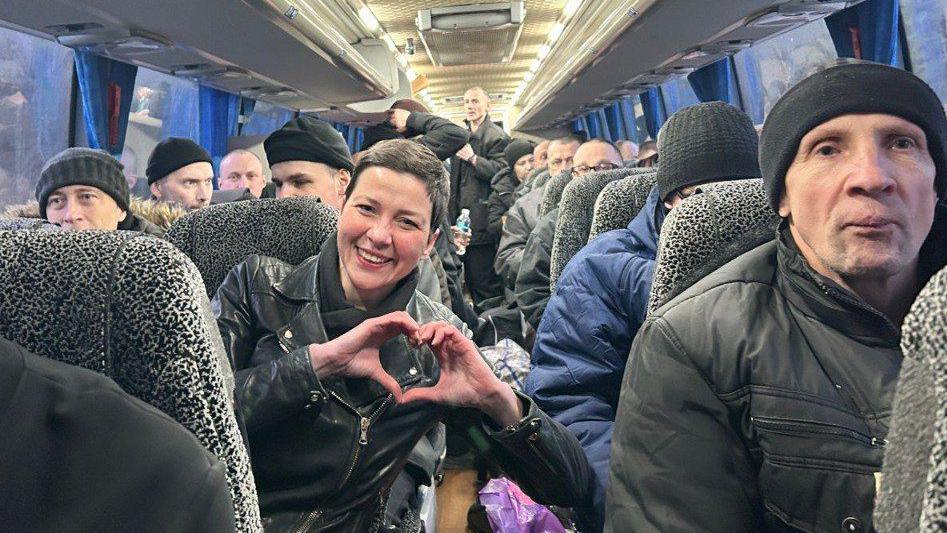
In a significant diplomatic development, Belarus has released 123 prisoners, including prominent opposition figures Maria Kolesnikova and Nobel Peace Prize laureate Ales Bialiatski. This move follows the United States' decision to lift sanctions on Belarusian potash, a vital export for the country. The agreement was reached after two days of negotiations in Minsk with John Coale, the special envoy of US President Donald Trump.
A Step Towards Normalization
The release marks the largest since the commencement of talks aimed at thawing relations between Belarus and the West. Belarusian President Alexander Lukashenko, a close ally of Russia, has been largely isolated from Western nations due to his government's poor human rights record and the brutal suppression of protests following disputed elections in 2020. The US's lifting of sanctions is seen as a strategic move to draw Belarus away from Russian influence, although opposition leaders remain skeptical of Lukashenko's intentions.
Human Rights Concerns
Among those freed are Kolesnikova, a key figure in the 2020 protests against Lukashenko, and Bialiatski, who was jailed in 2021 for his human rights advocacy. The health of many prisoners reportedly deteriorated during their detention, attributed to alleged mistreatment by authorities. Kolesnikova expressed her gratitude to the US for its role in her release, emphasizing the joy of regaining freedom and the hope for others still imprisoned.
International Reactions and Future Implications
The prisoners have been transferred to Ukraine, Poland, and Lithuania for medical assistance and resettlement. Svetlana Tikhanovskaya, an exiled Belarusian opposition leader, highlighted the importance of maintaining EU sanctions to ensure a democratic transition in Belarus. Meanwhile, Lukashenko continues to deny the existence of political prisoners, labeling them as "bandits."
WHAT THIS MIGHT MEAN
The release of prisoners and the lifting of US sanctions could signal a shift in Belarus's international relations, potentially reducing its reliance on Russia. However, the skepticism from opposition leaders suggests that Lukashenko's regime may still face significant challenges in gaining trust from Western nations. The EU's stance on maintaining sanctions underscores the ongoing tension between Belarus and Europe. As Belarus navigates this complex geopolitical landscape, the future of its domestic policies and international alliances remains uncertain. Experts suggest that continued diplomatic engagement and pressure may be necessary to foster genuine democratic reforms in the country.
Images from the Web
Related Articles
Russian LNG Tanker Sinks in Mediterranean Amid Accusations of Ukrainian Drone Attack

Senate Blocks Resolution to Limit Trump's Military Actions in Iran
Spain's Sánchez Stands Firm Against Trump's Trade Threat Over Iran Stance
Iran Postpones Khamenei Funeral Amid Escalating US-Israeli Strikes
US Supreme Court Ruling Sparks Trade Uncertainty in Asia and Beyond
Congress Subpoenas Attorney General Bondi in Epstein Investigation
Belarus Frees 123 Prisoners Amid US Sanctions Relief
In This Article
 Ethan Brooks| Published
 HIGHLIGHTS
- Belarus released 123 prisoners, including opposition figures Maria Kolesnikova and Ales Bialiatski, following US sanctions relief.
- The US lifted sanctions on Belarusian potash after talks with President Trump's envoy, John Coale, in Minsk.
- The release is part of Belarus's attempt to improve relations with the West, despite skepticism from opposition leaders.
- The prisoners, including some in poor health, were transferred to Ukraine, Poland, and Lithuania for further assistance.
- Belarusian leader Alexander Lukashenko remains unrecognized by the EU and US due to past election controversies and human rights abuses.
In a significant diplomatic development, Belarus has released 123 prisoners, including prominent opposition figures Maria Kolesnikova and Nobel Peace Prize laureate Ales Bialiatski. This move follows the United States' decision to lift sanctions on Belarusian potash, a vital export for the country. The agreement was reached after two days of negotiations in Minsk with John Coale, the special envoy of US President Donald Trump.
A Step Towards Normalization
The release marks the largest since the commencement of talks aimed at thawing relations between Belarus and the West. Belarusian President Alexander Lukashenko, a close ally of Russia, has been largely isolated from Western nations due to his government's poor human rights record and the brutal suppression of protests following disputed elections in 2020. The US's lifting of sanctions is seen as a strategic move to draw Belarus away from Russian influence, although opposition leaders remain skeptical of Lukashenko's intentions.
Human Rights Concerns
Among those freed are Kolesnikova, a key figure in the 2020 protests against Lukashenko, and Bialiatski, who was jailed in 2021 for his human rights advocacy. The health of many prisoners reportedly deteriorated during their detention, attributed to alleged mistreatment by authorities. Kolesnikova expressed her gratitude to the US for its role in her release, emphasizing the joy of regaining freedom and the hope for others still imprisoned.
International Reactions and Future Implications
The prisoners have been transferred to Ukraine, Poland, and Lithuania for medical assistance and resettlement. Svetlana Tikhanovskaya, an exiled Belarusian opposition leader, highlighted the importance of maintaining EU sanctions to ensure a democratic transition in Belarus. Meanwhile, Lukashenko continues to deny the existence of political prisoners, labeling them as "bandits."
WHAT THIS MIGHT MEAN
The release of prisoners and the lifting of US sanctions could signal a shift in Belarus's international relations, potentially reducing its reliance on Russia. However, the skepticism from opposition leaders suggests that Lukashenko's regime may still face significant challenges in gaining trust from Western nations. The EU's stance on maintaining sanctions underscores the ongoing tension between Belarus and Europe. As Belarus navigates this complex geopolitical landscape, the future of its domestic policies and international alliances remains uncertain. Experts suggest that continued diplomatic engagement and pressure may be necessary to foster genuine democratic reforms in the country.
Images from the Web
Related Articles
Russian LNG Tanker Sinks in Mediterranean Amid Accusations of Ukrainian Drone Attack
Senate Blocks Resolution to Limit Trump's Military Actions in Iran
Spain's Sánchez Stands Firm Against Trump's Trade Threat Over Iran Stance
Iran Postpones Khamenei Funeral Amid Escalating US-Israeli Strikes
US Supreme Court Ruling Sparks Trade Uncertainty in Asia and Beyond
Congress Subpoenas Attorney General Bondi in Epstein Investigation