
Bipartisan Push in US House to Extend Healthcare Subsidies Faces Uncertain Future
In This Article
HIGHLIGHTS
- Four Republicans joined Democrats to force a vote on extending healthcare subsidies, crucial for millions of Americans.
- The subsidies, part of the Affordable Care Act, are set to expire, potentially doubling insurance costs.
- House Speaker Mike Johnson opposes a vote without spending cuts, while moderate Republicans face re-election pressures.
- The measure's future in the Senate remains uncertain, with insufficient Republican support to ensure passage.
- A discharge petition has been signed, but a vote is unlikely before the subsidies expire due to the holiday recess.
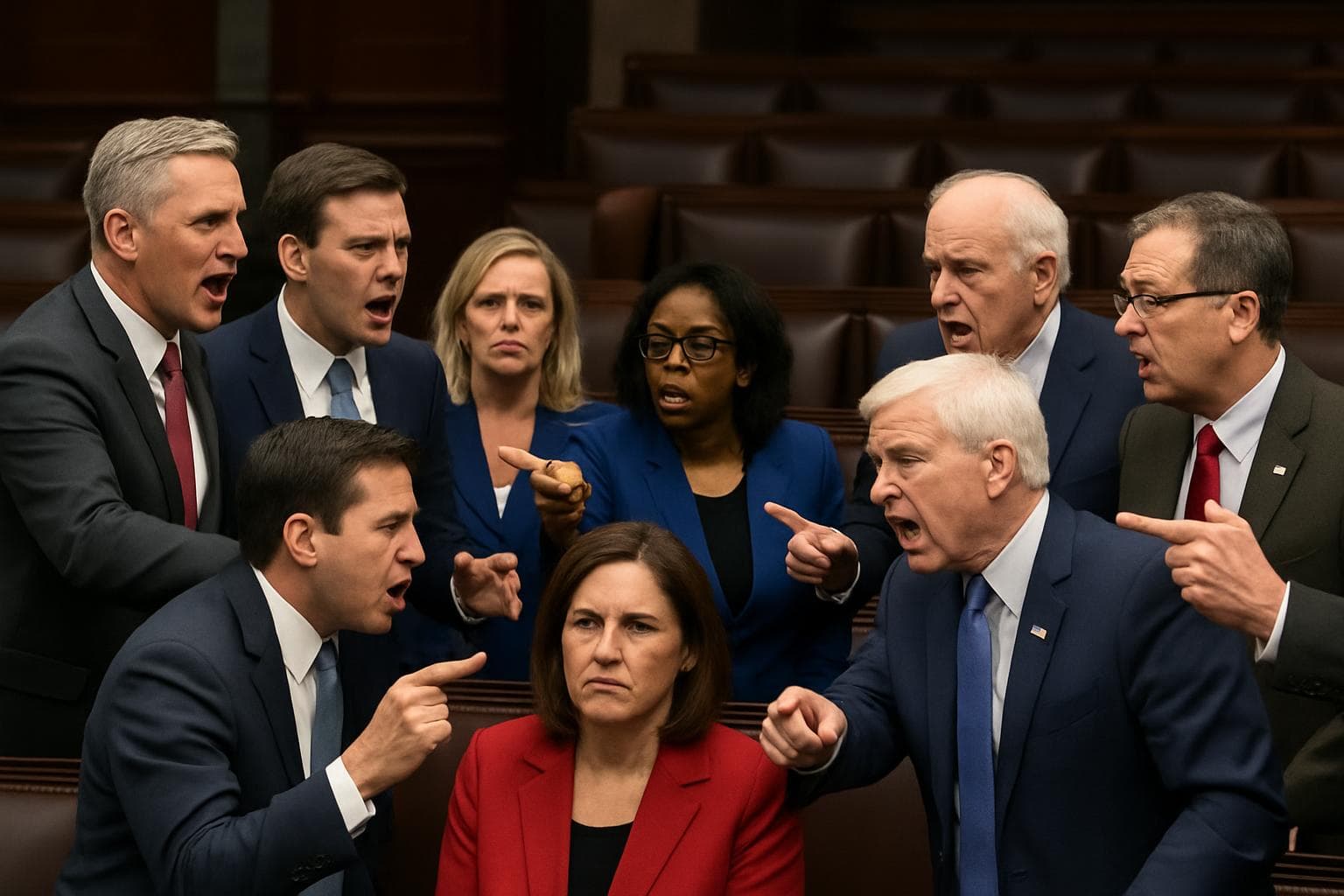
In a significant political maneuver, four Republican members of the US House of Representatives have joined Democrats in an effort to extend healthcare subsidies that are set to expire at the end of the year. This bipartisan move aims to prevent a sharp increase in health insurance premiums for millions of Americans who rely on the Affordable Care Act (ACA), commonly known as Obamacare.
The Political Divide
The subsidies, introduced during the Covid-19 pandemic, have been a lifeline for many low-income Americans. However, their impending expiration has sparked a contentious debate in Congress. House Speaker Mike Johnson has resisted calls for a vote on the extension, citing the need for spending cuts to offset the projected $35 billion annual cost. "We looked for a way to try to allow for that pressure release valve, and it just was not to be," Johnson stated.
Republican Rebellion
Despite Johnson's stance, moderate Republicans, including Pennsylvania's Ryan Mackenzie, Rob Bresnahan, and Brian Fitzpatrick, along with New York's Mike Lawler, have signed a discharge petition to force a vote. Fitzpatrick emphasized the urgency, stating, "The only policy that is worse than a clean three-year extension without any reforms, is a policy of complete expiration without any bridge."
Legislative Uncertainty
The House passed a Republican-backed healthcare measure that excludes the subsidies, proposing instead to lower premiums for some while raising them for others by 2027. This bill now moves to the Senate, where its fate is uncertain. Senate Majority Leader John Thune has not committed to a timeline for voting on the subsidy extension.
Implications for Americans
The potential expiration of these subsidies has heightened concerns among lawmakers about rising healthcare costs amid broader economic pressures. "Everybody has a responsibility to serve their district, to their constituents," said Congressman Lawler, highlighting the political stakes as Republicans prepare for the 2026 midterm elections.
WHAT THIS MIGHT MEAN
If the subsidies expire without an extension, millions of Americans could face significantly higher healthcare costs, exacerbating financial strain amid rising living expenses. The political fallout could influence upcoming elections, particularly for moderate Republicans in competitive districts. Should the measure pass the House, its success in the Senate will depend on garnering sufficient bipartisan support, a challenging prospect given the current political climate. Experts suggest that failure to extend the subsidies could prompt renewed debates on broader healthcare reforms, potentially reshaping the US healthcare landscape in the coming years.
Related Articles
US Homeland Security Shutdown Sparks Concerns Over Travel Delays and Immigration Reforms
House Passes Controversial SAVE America Act Amid Voter Suppression Concerns

Senate Stalemate Over DHS Funding Amid Immigration Reform Dispute
US House Votes to Overturn Trump's Tariffs on Canada Amid Political Tensions

US Supreme Court Ruling on Trump's Tariffs Sparks Trade Policy Uncertainty

Peru's Political Turmoil Continues with New Interim President Amid Controversy
Bipartisan Push in US House to Extend Healthcare Subsidies Faces Uncertain Future
In This Article
 Alex Carter| Published
 HIGHLIGHTS
- Four Republicans joined Democrats to force a vote on extending healthcare subsidies, crucial for millions of Americans.
- The subsidies, part of the Affordable Care Act, are set to expire, potentially doubling insurance costs.
- House Speaker Mike Johnson opposes a vote without spending cuts, while moderate Republicans face re-election pressures.
- The measure's future in the Senate remains uncertain, with insufficient Republican support to ensure passage.
- A discharge petition has been signed, but a vote is unlikely before the subsidies expire due to the holiday recess.
In a significant political maneuver, four Republican members of the US House of Representatives have joined Democrats in an effort to extend healthcare subsidies that are set to expire at the end of the year. This bipartisan move aims to prevent a sharp increase in health insurance premiums for millions of Americans who rely on the Affordable Care Act (ACA), commonly known as Obamacare.
The Political Divide
The subsidies, introduced during the Covid-19 pandemic, have been a lifeline for many low-income Americans. However, their impending expiration has sparked a contentious debate in Congress. House Speaker Mike Johnson has resisted calls for a vote on the extension, citing the need for spending cuts to offset the projected $35 billion annual cost. "We looked for a way to try to allow for that pressure release valve, and it just was not to be," Johnson stated.
Republican Rebellion
Despite Johnson's stance, moderate Republicans, including Pennsylvania's Ryan Mackenzie, Rob Bresnahan, and Brian Fitzpatrick, along with New York's Mike Lawler, have signed a discharge petition to force a vote. Fitzpatrick emphasized the urgency, stating, "The only policy that is worse than a clean three-year extension without any reforms, is a policy of complete expiration without any bridge."
Legislative Uncertainty
The House passed a Republican-backed healthcare measure that excludes the subsidies, proposing instead to lower premiums for some while raising them for others by 2027. This bill now moves to the Senate, where its fate is uncertain. Senate Majority Leader John Thune has not committed to a timeline for voting on the subsidy extension.
Implications for Americans
The potential expiration of these subsidies has heightened concerns among lawmakers about rising healthcare costs amid broader economic pressures. "Everybody has a responsibility to serve their district, to their constituents," said Congressman Lawler, highlighting the political stakes as Republicans prepare for the 2026 midterm elections.
WHAT THIS MIGHT MEAN
If the subsidies expire without an extension, millions of Americans could face significantly higher healthcare costs, exacerbating financial strain amid rising living expenses. The political fallout could influence upcoming elections, particularly for moderate Republicans in competitive districts. Should the measure pass the House, its success in the Senate will depend on garnering sufficient bipartisan support, a challenging prospect given the current political climate. Experts suggest that failure to extend the subsidies could prompt renewed debates on broader healthcare reforms, potentially reshaping the US healthcare landscape in the coming years.
Related Articles
US Homeland Security Shutdown Sparks Concerns Over Travel Delays and Immigration Reforms
House Passes Controversial SAVE America Act Amid Voter Suppression Concerns
Senate Stalemate Over DHS Funding Amid Immigration Reform Dispute
US House Votes to Overturn Trump's Tariffs on Canada Amid Political Tensions
US Supreme Court Ruling on Trump's Tariffs Sparks Trade Policy Uncertainty
Peru's Political Turmoil Continues with New Interim President Amid Controversy