
House Passes Controversial SAVE America Act Amid Voter Suppression Concerns
In This Article
HIGHLIGHTS
- The SAVE America Act mandates proof of citizenship and photo ID for voter registration and voting, sparking debate over voter suppression.
- The House passed the bill with a narrow 218-213 vote, but it faces significant hurdles in the Senate.
- Critics argue the legislation could disenfranchise millions, particularly affecting those without easy access to required documents.
- Proponents, including former President Trump, claim the bill is necessary to prevent voter fraud, despite a lack of evidence for widespread fraud.
- The bill's passage aligns with broader conservative efforts to tighten voting regulations across the United States.
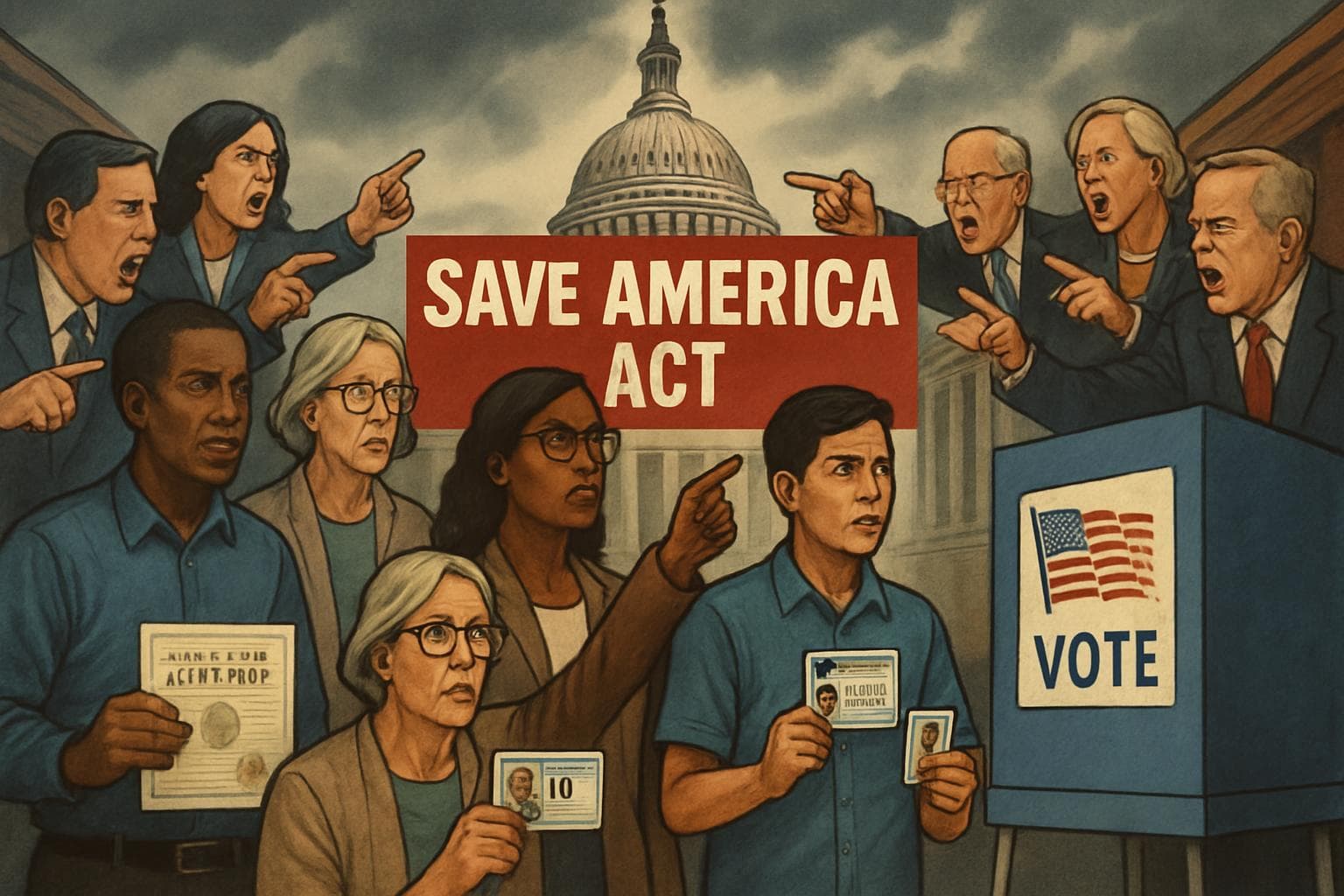
The US House of Representatives has passed the SAVE America Act, a contentious piece of legislation that mandates proof of citizenship and photo identification for voter registration and voting. The bill, which passed narrowly with a 218-213 vote, has ignited a fierce debate over its potential impact on voter access and election integrity.
Proof of Citizenship and Voter ID Requirements
The Safeguard American Voter Eligibility (SAVE) Act requires individuals to present a valid US passport or birth certificate when registering to vote, alongside a photo ID when casting ballots. While some states already have voter ID laws, this federal mandate would impose stricter requirements nationwide. Critics argue that these measures could disenfranchise millions, particularly affecting marginalized groups who may lack easy access to the necessary documents.
Political and Public Reactions
The legislation has drawn sharp criticism from Democrats and civil rights organizations, who label it as a form of voter suppression. Rebekah Caruthers, president of the Fair Elections Center, stated, "The whole point of this is to restrict who gets to vote in this country." Conversely, supporters, including former President Donald Trump, assert that the bill is essential to prevent voter fraud, despite a lack of evidence supporting claims of widespread electoral fraud. Congressman Bryan Steil, a Republican from Wisconsin, emphasized the need for the bill, arguing that current laws are insufficient to prevent non-citizens from voting.
Challenges Ahead in the Senate
Despite its passage in the House, the SAVE America Act faces significant challenges in the Senate, where it lacks the necessary support to overcome a Democratic filibuster. Shenna Bellows, Maine’s Secretary of State, expressed skepticism about the bill's prospects, noting that previous attempts to pass similar legislation have stalled. The bill's introduction by Texas Representative Chip Roy marks a continuation of efforts to tighten voting regulations, aligning with broader conservative legislative goals.
WHAT THIS MIGHT MEAN
The future of the SAVE America Act remains uncertain as it heads to the Senate, where it is likely to face formidable opposition. If the bill fails to pass, it could still serve as a blueprint for state-level legislation, influencing conservative lawmakers to pursue similar measures within their jurisdictions. Legal challenges are also anticipated, with civil rights groups poised to contest the bill's provisions in federal courts. As the debate over voting rights intensifies, the outcome of this legislative battle could have lasting implications for the accessibility and integrity of US elections.
Related Articles
Congress Subpoenas Attorney General Bondi in Epstein Investigation
James Talarico Secures Democratic Nomination in Texas Senate Race Amidst Republican Runoff
Cuba Faces Widespread Blackout Amid Deepening Fuel Crisis

UK Faces Dilemmas Amid Iran Conflict and China Spying Allegations
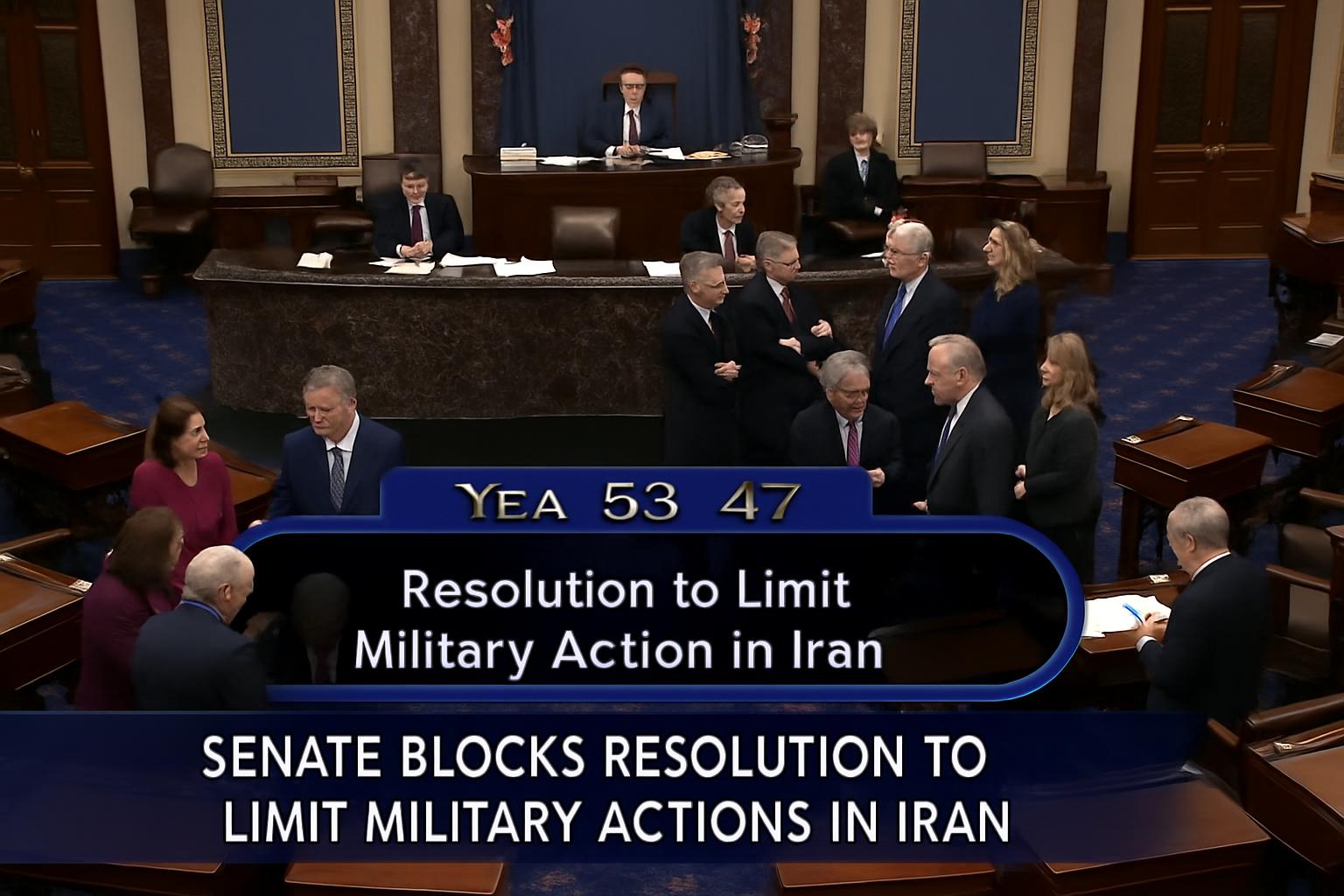
Senate Blocks Resolution to Limit Trump's Military Actions in Iran

China Sets Lowest GDP Growth Target in Decades Amid Economic Challenges
House Passes Controversial SAVE America Act Amid Voter Suppression Concerns
In This Article
 Alex Carter| Published
 HIGHLIGHTS
- The SAVE America Act mandates proof of citizenship and photo ID for voter registration and voting, sparking debate over voter suppression.
- The House passed the bill with a narrow 218-213 vote, but it faces significant hurdles in the Senate.
- Critics argue the legislation could disenfranchise millions, particularly affecting those without easy access to required documents.
- Proponents, including former President Trump, claim the bill is necessary to prevent voter fraud, despite a lack of evidence for widespread fraud.
- The bill's passage aligns with broader conservative efforts to tighten voting regulations across the United States.
The US House of Representatives has passed the SAVE America Act, a contentious piece of legislation that mandates proof of citizenship and photo identification for voter registration and voting. The bill, which passed narrowly with a 218-213 vote, has ignited a fierce debate over its potential impact on voter access and election integrity.
Proof of Citizenship and Voter ID Requirements
The Safeguard American Voter Eligibility (SAVE) Act requires individuals to present a valid US passport or birth certificate when registering to vote, alongside a photo ID when casting ballots. While some states already have voter ID laws, this federal mandate would impose stricter requirements nationwide. Critics argue that these measures could disenfranchise millions, particularly affecting marginalized groups who may lack easy access to the necessary documents.
Political and Public Reactions
The legislation has drawn sharp criticism from Democrats and civil rights organizations, who label it as a form of voter suppression. Rebekah Caruthers, president of the Fair Elections Center, stated, "The whole point of this is to restrict who gets to vote in this country." Conversely, supporters, including former President Donald Trump, assert that the bill is essential to prevent voter fraud, despite a lack of evidence supporting claims of widespread electoral fraud. Congressman Bryan Steil, a Republican from Wisconsin, emphasized the need for the bill, arguing that current laws are insufficient to prevent non-citizens from voting.
Challenges Ahead in the Senate
Despite its passage in the House, the SAVE America Act faces significant challenges in the Senate, where it lacks the necessary support to overcome a Democratic filibuster. Shenna Bellows, Maine’s Secretary of State, expressed skepticism about the bill's prospects, noting that previous attempts to pass similar legislation have stalled. The bill's introduction by Texas Representative Chip Roy marks a continuation of efforts to tighten voting regulations, aligning with broader conservative legislative goals.
WHAT THIS MIGHT MEAN
The future of the SAVE America Act remains uncertain as it heads to the Senate, where it is likely to face formidable opposition. If the bill fails to pass, it could still serve as a blueprint for state-level legislation, influencing conservative lawmakers to pursue similar measures within their jurisdictions. Legal challenges are also anticipated, with civil rights groups poised to contest the bill's provisions in federal courts. As the debate over voting rights intensifies, the outcome of this legislative battle could have lasting implications for the accessibility and integrity of US elections.
Related Articles
Congress Subpoenas Attorney General Bondi in Epstein Investigation
James Talarico Secures Democratic Nomination in Texas Senate Race Amidst Republican Runoff
Cuba Faces Widespread Blackout Amid Deepening Fuel Crisis
UK Faces Dilemmas Amid Iran Conflict and China Spying Allegations
Senate Blocks Resolution to Limit Trump's Military Actions in Iran
China Sets Lowest GDP Growth Target in Decades Amid Economic Challenges