
BYD Overtakes Tesla as World's Leading Electric Vehicle Seller
In This Article
HIGHLIGHTS
- BYD surpassed Tesla as the world's largest electric vehicle seller in 2025, with 2.26 million cars sold compared to Tesla's 1.63 million.
- Tesla's sales dropped by 9% in 2025, partly due to the repeal of US government subsidies for electric vehicles.
- Elon Musk's political activities and the withdrawal of EV incentives under President Trump have impacted Tesla's market performance.
- Despite BYD's sales success, Tesla remains more profitable and is valued at $1.4 trillion, more than the next 30 carmakers combined.
- Tesla's future strategy includes expanding its autonomous driving technology and launching a robotaxi service.
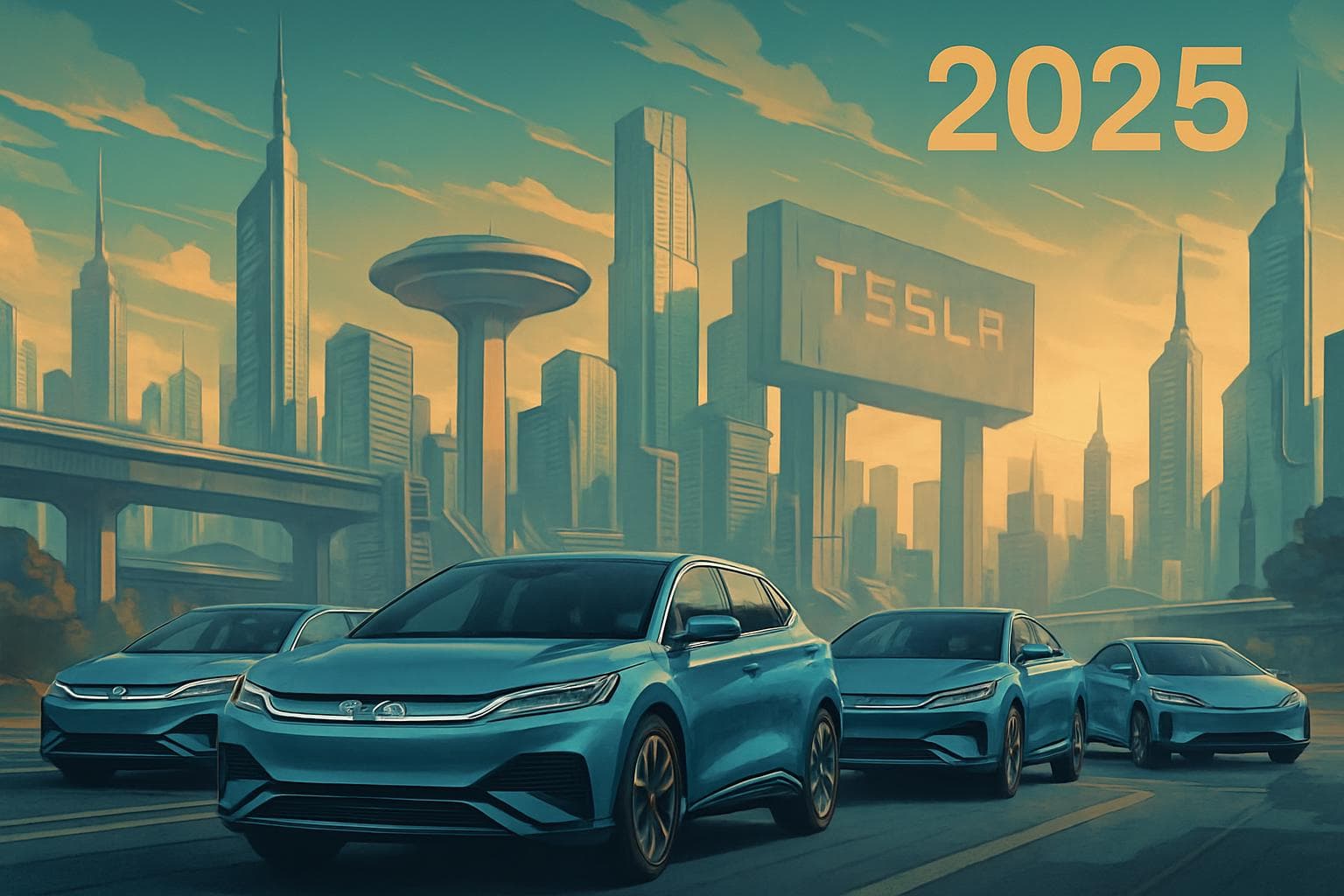
In a significant shift within the global electric vehicle (EV) market, China's BYD has overtaken Tesla as the world's largest seller of electric cars in 2025. BYD reported sales of 2.26 million battery electric vehicles, surpassing Tesla's 1.63 million deliveries, marking a symbolic moment in the rise of Chinese car manufacturers.
Tesla's Sales Decline Amid Policy Changes
Tesla's sales fell by 9% in 2025, a decline attributed in part to the repeal of US government subsidies that had previously incentivized electric vehicle purchases. The removal of these subsidies, alongside the rollback of emissions regulations under President Donald Trump, has posed challenges for the American automaker. Additionally, Elon Musk's political activities have sparked controversy, affecting consumer sentiment and Tesla's market performance.
BYD's Strategic Growth
BYD's ascent in the EV market underscores the growing influence of Chinese carmakers, who have leveraged the transition to electric vehicles to expand their global footprint. Alongside BYD, companies like SAIC and Chery have also increased their exports, challenging established Western brands with competitively priced offerings.
Tesla's Future Focus on Autonomous Driving
Despite the sales setback, Tesla remains the world's most valuable carmaker, with a market valuation of $1.4 trillion. Investors continue to place their bets on Elon Musk's vision for the future, which includes a strong focus on autonomous driving technology. Tesla has already launched a limited robotaxi service in Austin, Texas, and plans to expand its self-driving capabilities further.
Market Dynamics and Competitive Pressures
The competition in the EV market is intensifying, with Chinese companies like BYD developing comparable autonomous driving technologies. Tesla's ability to maintain its market leadership will depend on its success in scaling its self-driving technology and addressing the challenges posed by policy changes and market dynamics.
WHAT THIS MIGHT MEAN
Looking ahead, Tesla's focus on autonomous driving and robotics could redefine its market position, potentially offsetting the recent sales decline. However, the company will need to navigate the competitive pressures from Chinese manufacturers and adapt to evolving regulatory landscapes. If Tesla successfully expands its robotaxi services and enhances its self-driving technology, it could solidify its leadership in the autonomous vehicle sector. Meanwhile, BYD's continued growth may prompt further strategic shifts in the global automotive industry, as traditional carmakers adapt to the rise of Chinese competitors.
Related Articles
China Sets Lowest GDP Growth Target in Decades Amid Economic Challenges

UK Faces Dilemmas Amid Iran Conflict and China Spying Allegations
Tech Giants Pledge to Cover AI Data Center Energy Costs Amid Rising Electricity Concerns
Elon Musk Defends Tweets in Twitter Takeover Trial
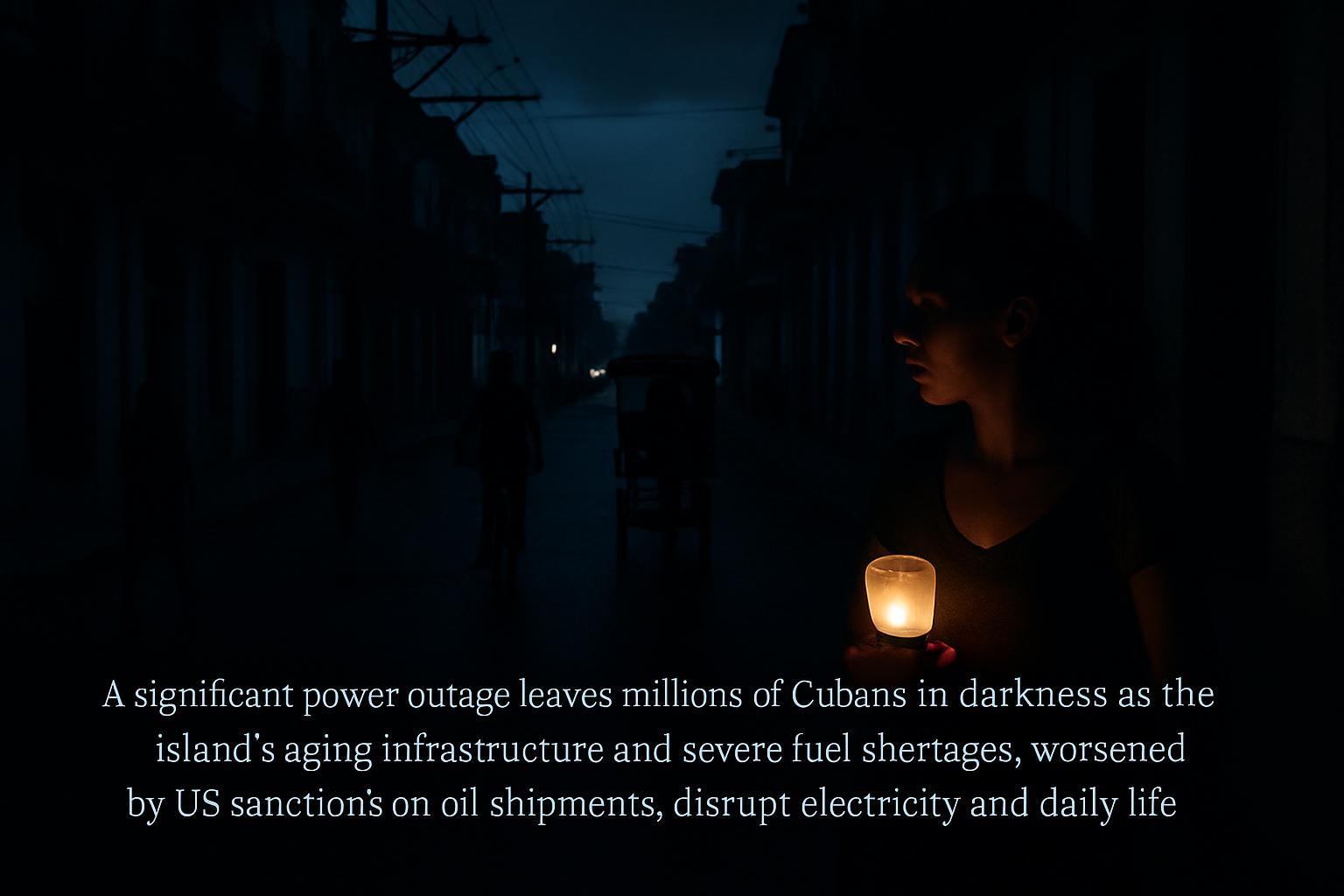
Cuba Faces Widespread Blackout Amid Deepening Fuel Crisis

Congress Subpoenas Attorney General Bondi in Epstein Investigation
BYD Overtakes Tesla as World's Leading Electric Vehicle Seller
In This Article
 Daniel Rivera| Published
 HIGHLIGHTS
- BYD surpassed Tesla as the world's largest electric vehicle seller in 2025, with 2.26 million cars sold compared to Tesla's 1.63 million.
- Tesla's sales dropped by 9% in 2025, partly due to the repeal of US government subsidies for electric vehicles.
- Elon Musk's political activities and the withdrawal of EV incentives under President Trump have impacted Tesla's market performance.
- Despite BYD's sales success, Tesla remains more profitable and is valued at $1.4 trillion, more than the next 30 carmakers combined.
- Tesla's future strategy includes expanding its autonomous driving technology and launching a robotaxi service.
In a significant shift within the global electric vehicle (EV) market, China's BYD has overtaken Tesla as the world's largest seller of electric cars in 2025. BYD reported sales of 2.26 million battery electric vehicles, surpassing Tesla's 1.63 million deliveries, marking a symbolic moment in the rise of Chinese car manufacturers.
Tesla's Sales Decline Amid Policy Changes
Tesla's sales fell by 9% in 2025, a decline attributed in part to the repeal of US government subsidies that had previously incentivized electric vehicle purchases. The removal of these subsidies, alongside the rollback of emissions regulations under President Donald Trump, has posed challenges for the American automaker. Additionally, Elon Musk's political activities have sparked controversy, affecting consumer sentiment and Tesla's market performance.
BYD's Strategic Growth
BYD's ascent in the EV market underscores the growing influence of Chinese carmakers, who have leveraged the transition to electric vehicles to expand their global footprint. Alongside BYD, companies like SAIC and Chery have also increased their exports, challenging established Western brands with competitively priced offerings.
Tesla's Future Focus on Autonomous Driving
Despite the sales setback, Tesla remains the world's most valuable carmaker, with a market valuation of $1.4 trillion. Investors continue to place their bets on Elon Musk's vision for the future, which includes a strong focus on autonomous driving technology. Tesla has already launched a limited robotaxi service in Austin, Texas, and plans to expand its self-driving capabilities further.
Market Dynamics and Competitive Pressures
The competition in the EV market is intensifying, with Chinese companies like BYD developing comparable autonomous driving technologies. Tesla's ability to maintain its market leadership will depend on its success in scaling its self-driving technology and addressing the challenges posed by policy changes and market dynamics.
WHAT THIS MIGHT MEAN
Looking ahead, Tesla's focus on autonomous driving and robotics could redefine its market position, potentially offsetting the recent sales decline. However, the company will need to navigate the competitive pressures from Chinese manufacturers and adapt to evolving regulatory landscapes. If Tesla successfully expands its robotaxi services and enhances its self-driving technology, it could solidify its leadership in the autonomous vehicle sector. Meanwhile, BYD's continued growth may prompt further strategic shifts in the global automotive industry, as traditional carmakers adapt to the rise of Chinese competitors.
Related Articles
China Sets Lowest GDP Growth Target in Decades Amid Economic Challenges
UK Faces Dilemmas Amid Iran Conflict and China Spying Allegations
Tech Giants Pledge to Cover AI Data Center Energy Costs Amid Rising Electricity Concerns
Elon Musk Defends Tweets in Twitter Takeover Trial
Cuba Faces Widespread Blackout Amid Deepening Fuel Crisis
Congress Subpoenas Attorney General Bondi in Epstein Investigation