
Canada and France Establish Greenland Consulates to Bolster Arctic Relations
In This Article
HIGHLIGHTS
- Canada and France have opened consulates in Greenland's capital, Nuuk, to support Denmark and strengthen Arctic ties.
- The diplomatic move follows US President Trump's controversial comments about acquiring Greenland for national security.
- Canada's Governor General Mary Simon and Foreign Minister Anita Anand led the Canadian delegation, highlighting Inuit cultural connections.
- France's consulate marks the first EU diplomatic presence in Greenland, aiming to enhance cultural and economic cooperation.
- The openings signal NATO allies' commitment to Arctic stability amid ongoing US-Denmark-Greenland security talks.
In a significant diplomatic development, Canada and France have inaugurated consulates in Nuuk, Greenland, underscoring their support for Denmark and reinforcing Arctic cooperation. This move comes amid heightened geopolitical interest in the region, particularly following US President Donald Trump's controversial remarks about acquiring Greenland.
Diplomatic Presence in Nuuk
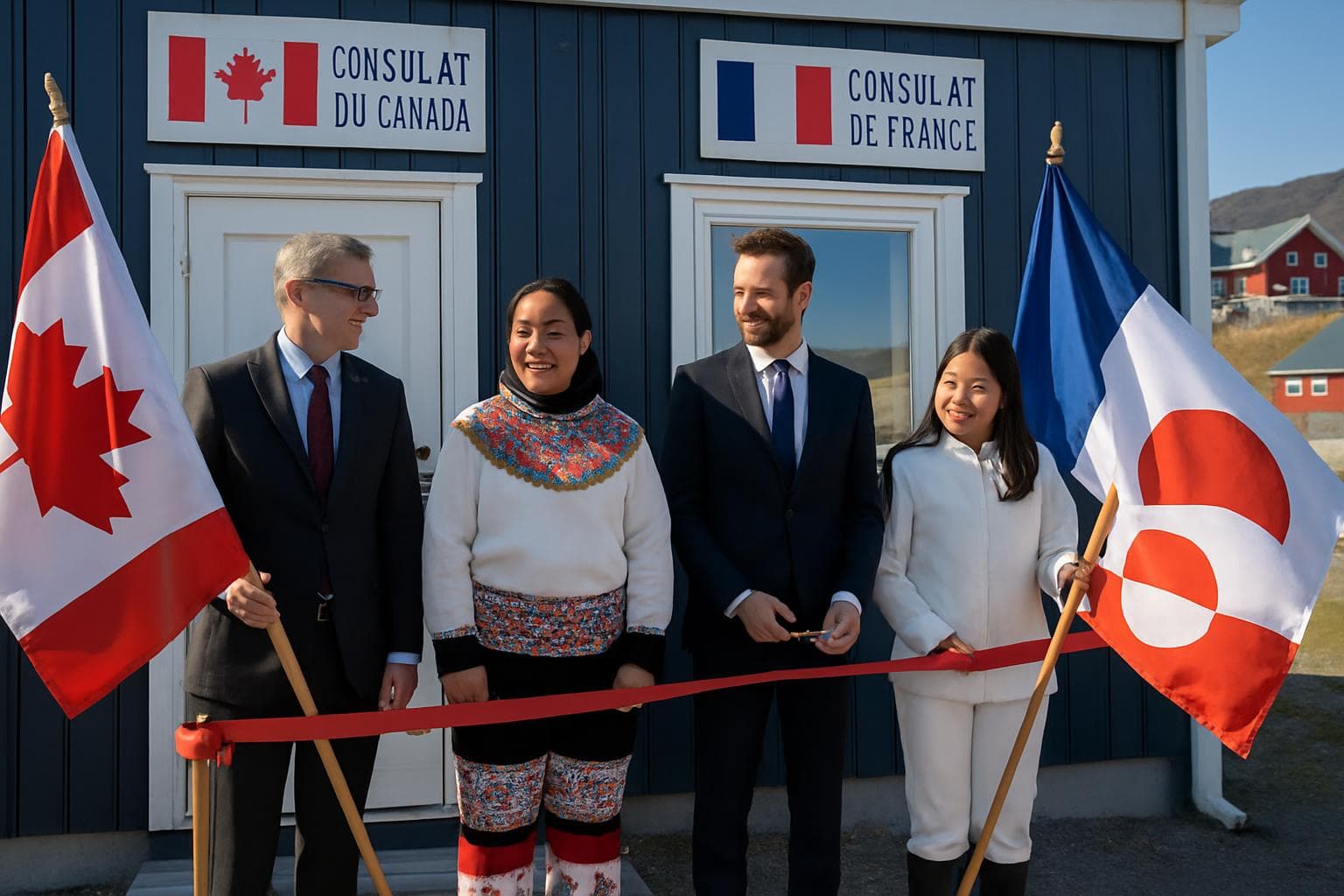
On Friday, Canadian Governor General Mary Simon and Foreign Minister Anita Anand led a delegation to formally open Canada's first diplomatic outpost in Greenland. The ceremony, attended by Canadian Inuit representatives, highlighted the cultural and historical ties between the Inuit communities of Canada and Greenland. "The consulate symbolizes Canada's long-term commitment to stand together with the people of Greenland and Denmark," Anand stated during the flag-raising event.
Simultaneously, France opened its consulate, appointing Jean-Noël Poirier as consul general, marking the first European Union diplomatic presence in Greenland. France's foreign ministry emphasized the consulate's role in deepening cooperation in cultural, scientific, and economic fields, while strengthening political ties with local authorities.
Context of US Comments
The establishment of these consulates follows President Trump's repeated assertions that the US should "own" Greenland for national security reasons. Although Trump later retracted his comments, the episode has spurred NATO allies to reaffirm their support for Denmark and Greenland. Technical talks between the US, Denmark, and Greenland are ongoing to forge an Arctic security agreement.
Strengthening Arctic Ties
Canada's decision to open a consulate was initially announced in early 2024 as part of a broader Arctic foreign policy review. The opening, delayed due to weather, now carries added significance. Michael Byers, an Arctic expert, noted the strategic importance of the consulate, given the proximity and cultural connections between Arctic Canada and Greenland.
France's decision to establish a diplomatic presence was made following President Emmanuel Macron's visit to Greenland in June. The consulate aims to foster collaboration on climate issues and Inuit rights, reflecting shared priorities among Arctic nations.
WHAT THIS MIGHT MEAN
The establishment of Canadian and French consulates in Greenland marks a pivotal moment in Arctic diplomacy, potentially reshaping regional alliances. As technical discussions between the US, Denmark, and Greenland continue, the focus will likely remain on balancing national interests with cooperative security frameworks. Experts suggest that these diplomatic moves could pave the way for enhanced collaboration on climate change and indigenous rights, areas of growing importance in Arctic policy. The evolving geopolitical landscape in the Arctic may also prompt other nations to reassess their strategies and strengthen their presence in this strategically vital region.
Related Articles
Canada and Australia Forge Strategic Partnership Amid Global Uncertainty
UK-Iran Tensions: Starmer Defends Cautious Approach Amid Trump Criticism
Spain's Sánchez Stands Firm Against Trump's Trade Threat Over Iran Stance

Tech Giants Pledge to Cover AI Data Center Energy Costs Amid Rising Electricity Concerns
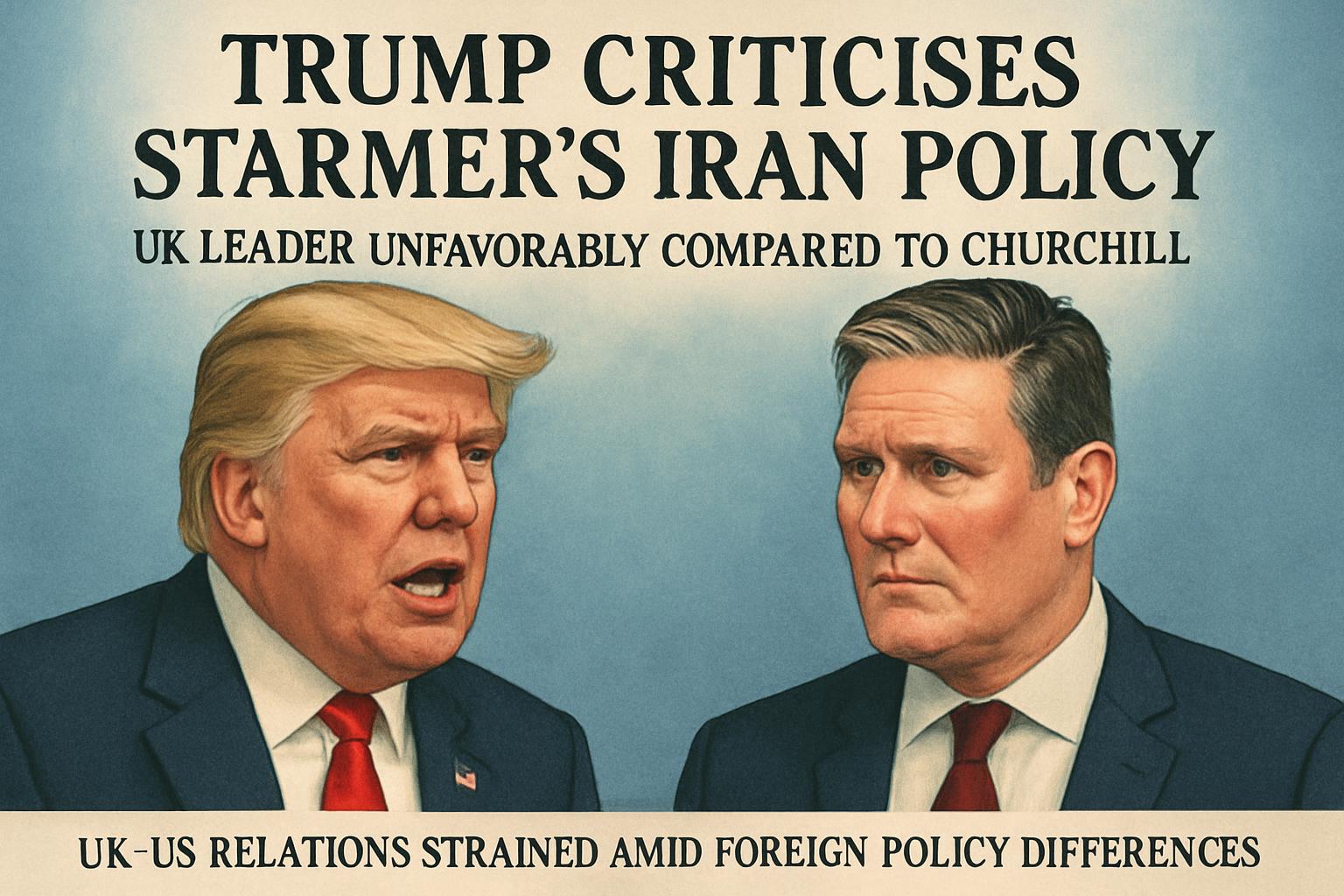
Diplomatic Tensions Rise as Trump Criticizes Starmer's Iran Policy
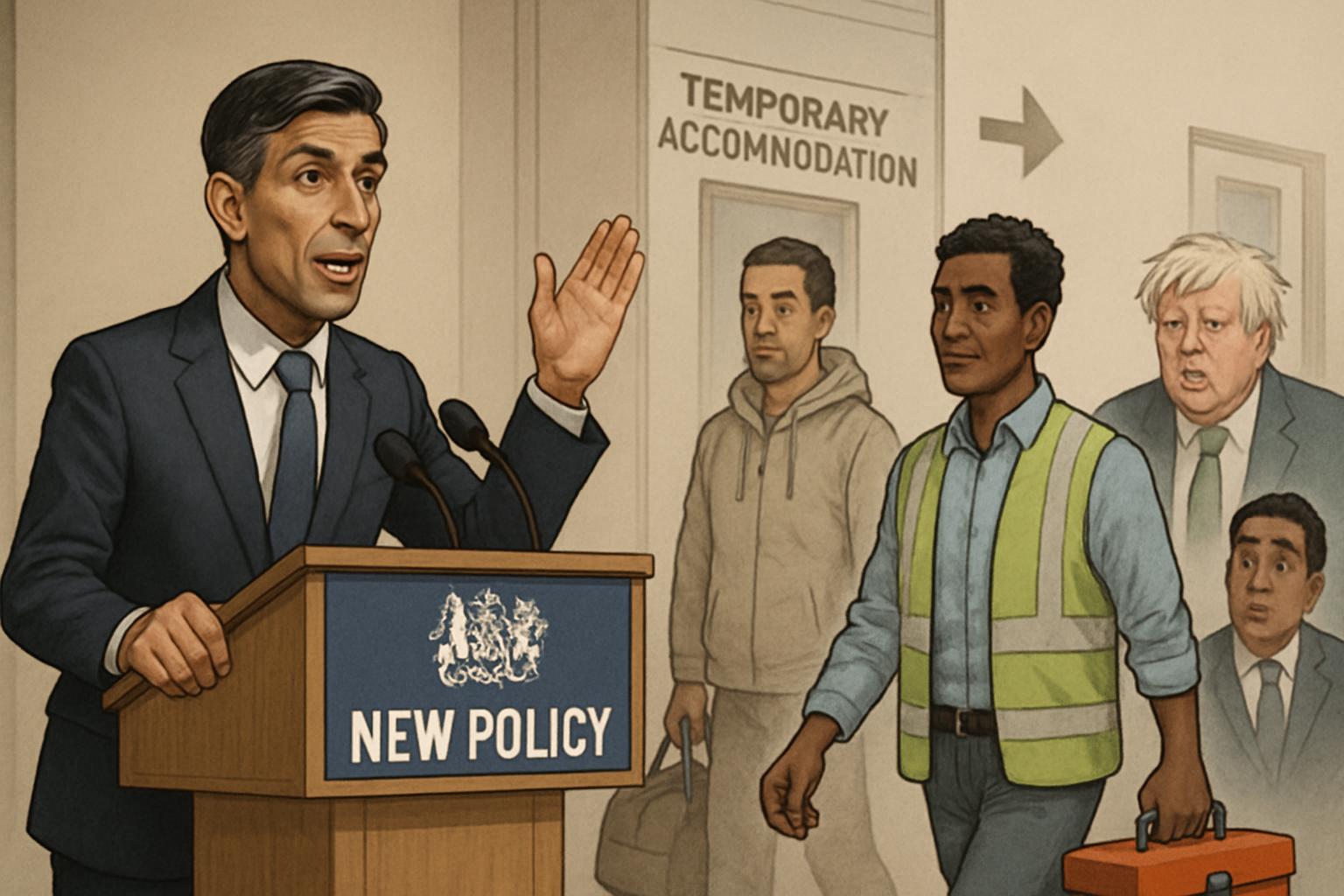
UK Government to Reform Asylum Seeker Support and Employment Policies
Canada and France Establish Greenland Consulates to Bolster Arctic Relations
In This Article
HIGHLIGHTS
- Canada and France have opened consulates in Greenland's capital, Nuuk, to support Denmark and strengthen Arctic ties.
- The diplomatic move follows US President Trump's controversial comments about acquiring Greenland for national security.
- Canada's Governor General Mary Simon and Foreign Minister Anita Anand led the Canadian delegation, highlighting Inuit cultural connections.
- France's consulate marks the first EU diplomatic presence in Greenland, aiming to enhance cultural and economic cooperation.
- The openings signal NATO allies' commitment to Arctic stability amid ongoing US-Denmark-Greenland security talks.
In a significant diplomatic development, Canada and France have inaugurated consulates in Nuuk, Greenland, underscoring their support for Denmark and reinforcing Arctic cooperation. This move comes amid heightened geopolitical interest in the region, particularly following US President Donald Trump's controversial remarks about acquiring Greenland.
Diplomatic Presence in Nuuk
On Friday, Canadian Governor General Mary Simon and Foreign Minister Anita Anand led a delegation to formally open Canada's first diplomatic outpost in Greenland. The ceremony, attended by Canadian Inuit representatives, highlighted the cultural and historical ties between the Inuit communities of Canada and Greenland. "The consulate symbolizes Canada's long-term commitment to stand together with the people of Greenland and Denmark," Anand stated during the flag-raising event.
Simultaneously, France opened its consulate, appointing Jean-Noël Poirier as consul general, marking the first European Union diplomatic presence in Greenland. France's foreign ministry emphasized the consulate's role in deepening cooperation in cultural, scientific, and economic fields, while strengthening political ties with local authorities.
Context of US Comments
The establishment of these consulates follows President Trump's repeated assertions that the US should "own" Greenland for national security reasons. Although Trump later retracted his comments, the episode has spurred NATO allies to reaffirm their support for Denmark and Greenland. Technical talks between the US, Denmark, and Greenland are ongoing to forge an Arctic security agreement.
Strengthening Arctic Ties
Canada's decision to open a consulate was initially announced in early 2024 as part of a broader Arctic foreign policy review. The opening, delayed due to weather, now carries added significance. Michael Byers, an Arctic expert, noted the strategic importance of the consulate, given the proximity and cultural connections between Arctic Canada and Greenland.
France's decision to establish a diplomatic presence was made following President Emmanuel Macron's visit to Greenland in June. The consulate aims to foster collaboration on climate issues and Inuit rights, reflecting shared priorities among Arctic nations.
WHAT THIS MIGHT MEAN
The establishment of Canadian and French consulates in Greenland marks a pivotal moment in Arctic diplomacy, potentially reshaping regional alliances. As technical discussions between the US, Denmark, and Greenland continue, the focus will likely remain on balancing national interests with cooperative security frameworks. Experts suggest that these diplomatic moves could pave the way for enhanced collaboration on climate change and indigenous rights, areas of growing importance in Arctic policy. The evolving geopolitical landscape in the Arctic may also prompt other nations to reassess their strategies and strengthen their presence in this strategically vital region.
Related Articles
Canada and Australia Forge Strategic Partnership Amid Global Uncertainty
UK-Iran Tensions: Starmer Defends Cautious Approach Amid Trump Criticism
Spain's Sánchez Stands Firm Against Trump's Trade Threat Over Iran Stance
Tech Giants Pledge to Cover AI Data Center Energy Costs Amid Rising Electricity Concerns
Diplomatic Tensions Rise as Trump Criticizes Starmer's Iran Policy
UK Government to Reform Asylum Seeker Support and Employment Policies