
Canada Eases Retaliatory Tariffs on US Goods Amid Trade Negotiations
In This Article
HIGHLIGHTS
- Canada will remove some retaliatory tariffs on US goods starting September 1, while maintaining levies on steel, aluminum, and autos.
- The decision follows a phone call between Canadian Prime Minister Mark Carney and US President Donald Trump, aiming to ease trade tensions.
- Canada had imposed a 25% levy on approximately C$30bn worth of US goods in response to US tariffs.
- Carney emphasized that Canada retains a trade advantage under the USMCA agreement, with a lower average tariff rate compared to other countries.
- Conservative leader Pierre Poilievre criticized Carney's decision, calling it a "capitulation" in trade negotiations.
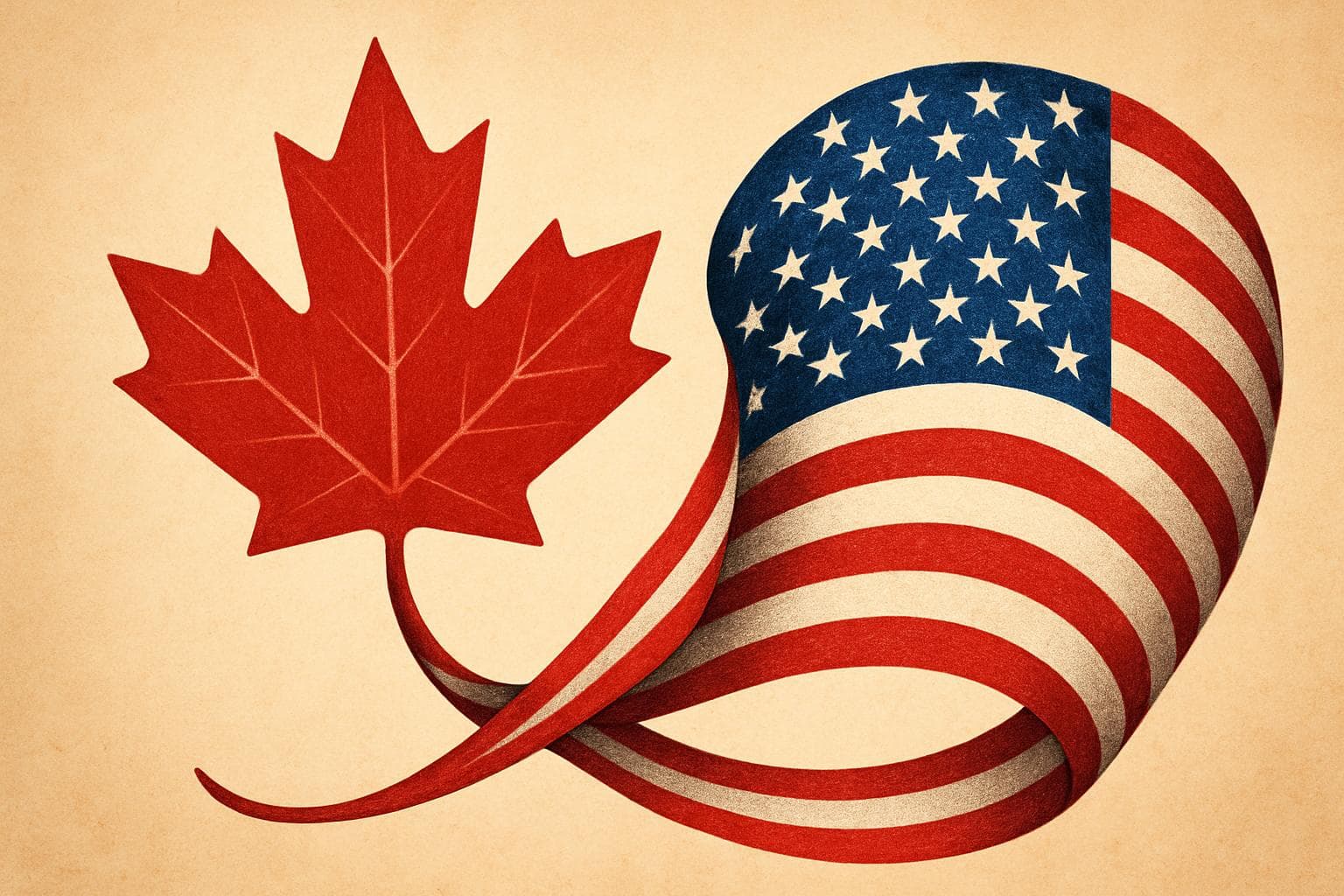
In a significant move to de-escalate ongoing trade tensions, Canada announced it will lift some of its retaliatory tariffs on US goods starting September 1. This decision, revealed by Prime Minister Mark Carney, comes after a recent phone conversation with US President Donald Trump, marking a potential thaw in the prolonged trade standoff between the two nations.
Background on Tariff Dispute
Canada had initially imposed a 25% levy on approximately C$30 billion worth of American products, including consumer goods like orange juice and washing machines. This was in direct response to the US tariffs on Canadian exports, which as of August, stood at 35% for non-compliant goods under the existing trade agreement. The Canadian government’s latest move will align its tariffs with the USMCA agreement, effectively restoring free trade for most goods between the two countries.
Maintaining Strategic Tariffs
Despite easing some tariffs, Canada will continue to impose levies on key sectors such as steel, aluminum, and automobiles. Carney highlighted that 85% of Canada's trade with the US remains tariff-free, underscoring the importance of preserving the trade advantages secured under the USMCA agreement. "Canada currently has the best trade deal with the United States," Carney stated, emphasizing the need to protect Canadian workers and businesses.
Political Reactions and Implications
The decision has sparked political debate within Canada. Conservative leader Pierre Poilievre criticized Carney, accusing him of backing down in negotiations with the US. "It is yet another capitulation and climb down by Mark Carney," Poilievre remarked. However, Carney defended the move, arguing that Canada’s trade position remains stronger than that of many other countries.
Future Trade Discussions
The White House welcomed Canada's decision, describing it as "long overdue" and expressing optimism for continued discussions on trade and national security. Trump, who has been aggressive in his tariff strategies globally, is expected to engage in further talks with Carney soon.
WHAT THIS MIGHT MEAN
The easing of tariffs by Canada could pave the way for more constructive trade negotiations between the two countries. If successful, these discussions might lead to a more comprehensive resolution of outstanding trade issues, potentially benefiting both economies. However, the political landscape in both nations could influence the pace and outcome of these negotiations. Experts suggest that while the USMCA agreement provides a framework for cooperation, the unpredictability of US trade policies under Trump's administration could pose challenges. As Canada seeks to diversify its trade partnerships, maintaining a balanced approach with the US will be crucial for its economic stability.
Related Articles
China Sets Lowest GDP Growth Target in Decades Amid Economic Challenges
Canada Calls for De-escalation Amid US-Israel Strikes on Iran
Canada and Australia Forge Strategic Partnership Amid Global Uncertainty

Tech Giants Pledge to Cover AI Data Center Energy Costs Amid Rising Electricity Concerns

Cuba Faces Widespread Blackout Amid Deepening Fuel Crisis

UK Faces Dilemmas Amid Iran Conflict and China Spying Allegations
Canada Eases Retaliatory Tariffs on US Goods Amid Trade Negotiations
In This Article
 Daniel Rivera| Published
 HIGHLIGHTS
- Canada will remove some retaliatory tariffs on US goods starting September 1, while maintaining levies on steel, aluminum, and autos.
- The decision follows a phone call between Canadian Prime Minister Mark Carney and US President Donald Trump, aiming to ease trade tensions.
- Canada had imposed a 25% levy on approximately C$30bn worth of US goods in response to US tariffs.
- Carney emphasized that Canada retains a trade advantage under the USMCA agreement, with a lower average tariff rate compared to other countries.
- Conservative leader Pierre Poilievre criticized Carney's decision, calling it a "capitulation" in trade negotiations.
In a significant move to de-escalate ongoing trade tensions, Canada announced it will lift some of its retaliatory tariffs on US goods starting September 1. This decision, revealed by Prime Minister Mark Carney, comes after a recent phone conversation with US President Donald Trump, marking a potential thaw in the prolonged trade standoff between the two nations.
Background on Tariff Dispute
Canada had initially imposed a 25% levy on approximately C$30 billion worth of American products, including consumer goods like orange juice and washing machines. This was in direct response to the US tariffs on Canadian exports, which as of August, stood at 35% for non-compliant goods under the existing trade agreement. The Canadian government’s latest move will align its tariffs with the USMCA agreement, effectively restoring free trade for most goods between the two countries.
Maintaining Strategic Tariffs
Despite easing some tariffs, Canada will continue to impose levies on key sectors such as steel, aluminum, and automobiles. Carney highlighted that 85% of Canada's trade with the US remains tariff-free, underscoring the importance of preserving the trade advantages secured under the USMCA agreement. "Canada currently has the best trade deal with the United States," Carney stated, emphasizing the need to protect Canadian workers and businesses.
Political Reactions and Implications
The decision has sparked political debate within Canada. Conservative leader Pierre Poilievre criticized Carney, accusing him of backing down in negotiations with the US. "It is yet another capitulation and climb down by Mark Carney," Poilievre remarked. However, Carney defended the move, arguing that Canada’s trade position remains stronger than that of many other countries.
Future Trade Discussions
The White House welcomed Canada's decision, describing it as "long overdue" and expressing optimism for continued discussions on trade and national security. Trump, who has been aggressive in his tariff strategies globally, is expected to engage in further talks with Carney soon.
WHAT THIS MIGHT MEAN
The easing of tariffs by Canada could pave the way for more constructive trade negotiations between the two countries. If successful, these discussions might lead to a more comprehensive resolution of outstanding trade issues, potentially benefiting both economies. However, the political landscape in both nations could influence the pace and outcome of these negotiations. Experts suggest that while the USMCA agreement provides a framework for cooperation, the unpredictability of US trade policies under Trump's administration could pose challenges. As Canada seeks to diversify its trade partnerships, maintaining a balanced approach with the US will be crucial for its economic stability.
Related Articles
China Sets Lowest GDP Growth Target in Decades Amid Economic Challenges
Canada Calls for De-escalation Amid US-Israel Strikes on Iran
Canada and Australia Forge Strategic Partnership Amid Global Uncertainty
Tech Giants Pledge to Cover AI Data Center Energy Costs Amid Rising Electricity Concerns
Cuba Faces Widespread Blackout Amid Deepening Fuel Crisis
UK Faces Dilemmas Amid Iran Conflict and China Spying Allegations