
Fragile Ceasefire Holds Amidst Tensions Over Iran-Israel Conflict
In This Article
HIGHLIGHTS
- A senior Iranian nuclear scientist, Mohammad Reza Seddiqi Saber, was killed in an Israeli airstrike in northern Iran, as reported by Iranian state TV.
- A ceasefire between Israel and Iran was brokered by US President Donald Trump, but initial violations led to Trump's intervention to de-escalate tensions.
- The US Defense Intelligence Agency reported that the strikes only temporarily set back Iran's nuclear program, with key components likely to be restarted soon.
- The International Atomic Energy Agency (IAEA) expressed concerns that much of Iran’s enriched uranium may have been moved to undisclosed locations.
- French President Emmanuel Macron called for renewed diplomatic efforts to address Iran's nuclear program, highlighting the fragile nature of the ceasefire.
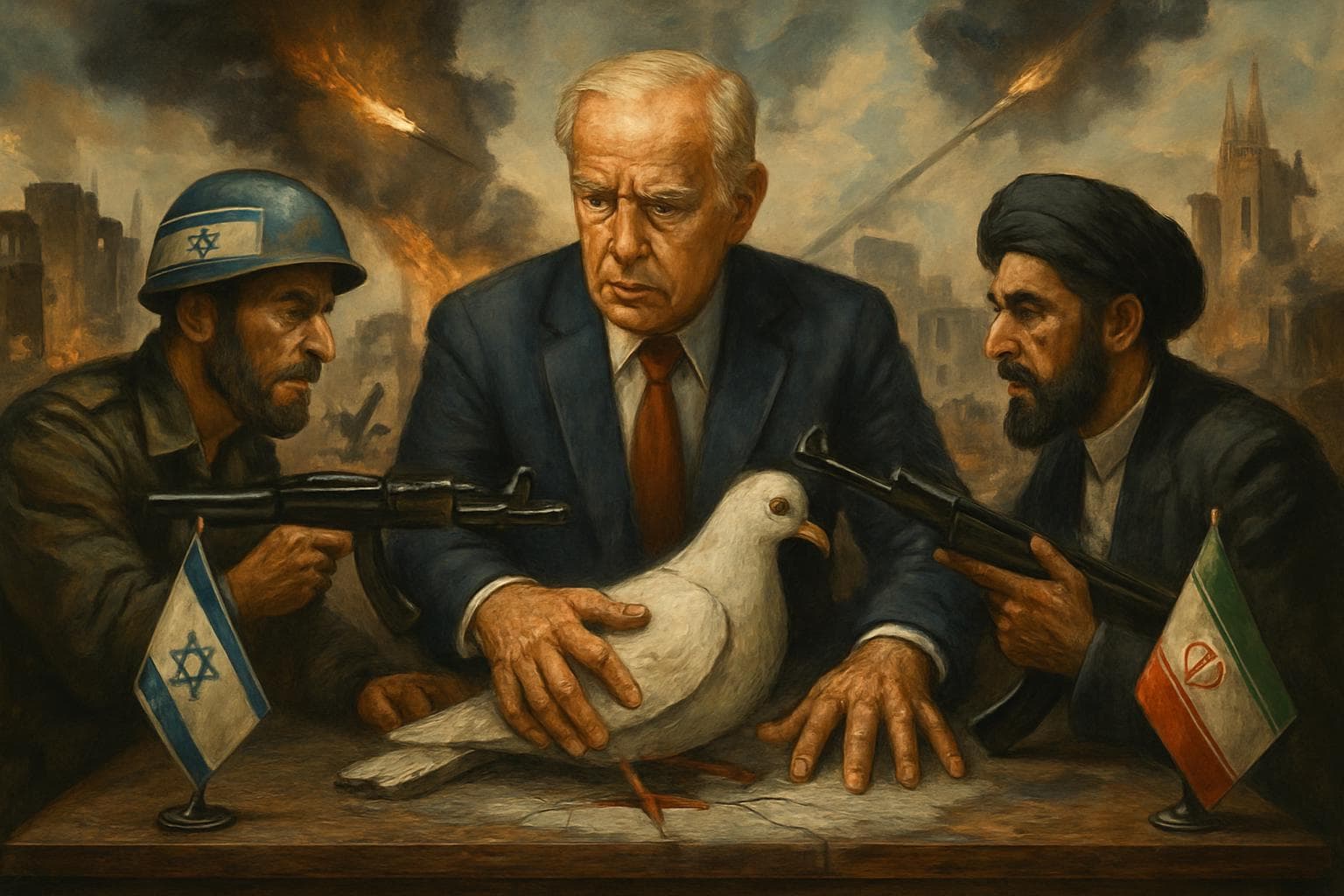
The fragile ceasefire between Israel and Iran, brokered by US President Donald Trump, remains tenuous following a series of airstrikes and diplomatic interventions. The conflict, which has seen significant casualties and destruction, took a critical turn with the killing of senior Iranian nuclear scientist Mohammad Reza Seddiqi Saber in an Israeli airstrike in northern Iran. Iranian state television reported that the strike, which destroyed several apartments, occurred just hours before the ceasefire was set to take effect.
Ceasefire Under Strain
The ceasefire, announced by Trump on Monday night, was quickly tested as both sides accused each other of violations. Trump, visibly frustrated, personally intervened by calling Israeli Prime Minister Benjamin Netanyahu to scale back Israeli military actions. Despite the ceasefire, Israeli forces reported shooting down Iranian missiles, prompting further retaliatory strikes on Tehran.
Impact on Iran's Nuclear Program
A report from the US Defense Intelligence Agency suggested that the strikes had only temporarily disrupted Iran's nuclear program, with key components capable of being restarted within months. The report also indicated that much of Iran’s enriched uranium might have been relocated to undisclosed sites, a claim supported by the International Atomic Energy Agency (IAEA).
International Reactions and Diplomatic Efforts
French President Emmanuel Macron emphasized the need for renewed diplomatic negotiations, warning of the ceasefire's volatility. Macron's call for dialogue comes as Iran's parliament moved to suspend cooperation with the IAEA, citing the agency's failure to condemn the attacks on its nuclear facilities.
Human Impact and Regional Tensions
The conflict has resulted in significant loss of life, with Iran's health ministry reporting over 600 deaths from Israeli strikes, while Israeli authorities reported 28 fatalities from Iranian missile attacks. Residents in Tehran described the airstrikes as some of the heaviest since the conflict began, underscoring the human toll of the ongoing tensions.
WHAT THIS MIGHT MEAN
The current ceasefire, while holding, remains precarious with both sides poised for further conflict. The international community, led by figures like President Macron, is likely to push for diplomatic solutions to address the underlying issues of Iran's nuclear ambitions. The IAEA's role in verifying Iran's nuclear activities will be crucial in maintaining transparency and trust. However, with Iran's parliament moving to limit cooperation with the IAEA, the path to a lasting resolution appears fraught with challenges. The situation demands careful navigation to prevent further escalation and ensure regional stability.
Images from the Web
Related Articles
Intensified US-Israel Strikes on Iran Spark Global Outcry
Senate Blocks Resolution to Limit Trump's Military Actions in Iran
US and Israel Intensify Military Campaign as Iran's Capabilities Dwindle
Spain's Sánchez Stands Firm Against Trump's Trade Threat Over Iran Stance
Iran Postpones Khamenei Funeral Amid Escalating US-Israeli Strikes

UK Faces Dilemmas Amid Iran Conflict and China Spying Allegations
Fragile Ceasefire Holds Amidst Tensions Over Iran-Israel Conflict
In This Article
 Ethan Brooks| Published
 HIGHLIGHTS
- A senior Iranian nuclear scientist, Mohammad Reza Seddiqi Saber, was killed in an Israeli airstrike in northern Iran, as reported by Iranian state TV.
- A ceasefire between Israel and Iran was brokered by US President Donald Trump, but initial violations led to Trump's intervention to de-escalate tensions.
- The US Defense Intelligence Agency reported that the strikes only temporarily set back Iran's nuclear program, with key components likely to be restarted soon.
- The International Atomic Energy Agency (IAEA) expressed concerns that much of Iran’s enriched uranium may have been moved to undisclosed locations.
- French President Emmanuel Macron called for renewed diplomatic efforts to address Iran's nuclear program, highlighting the fragile nature of the ceasefire.
The fragile ceasefire between Israel and Iran, brokered by US President Donald Trump, remains tenuous following a series of airstrikes and diplomatic interventions. The conflict, which has seen significant casualties and destruction, took a critical turn with the killing of senior Iranian nuclear scientist Mohammad Reza Seddiqi Saber in an Israeli airstrike in northern Iran. Iranian state television reported that the strike, which destroyed several apartments, occurred just hours before the ceasefire was set to take effect.
Ceasefire Under Strain
The ceasefire, announced by Trump on Monday night, was quickly tested as both sides accused each other of violations. Trump, visibly frustrated, personally intervened by calling Israeli Prime Minister Benjamin Netanyahu to scale back Israeli military actions. Despite the ceasefire, Israeli forces reported shooting down Iranian missiles, prompting further retaliatory strikes on Tehran.
Impact on Iran's Nuclear Program
A report from the US Defense Intelligence Agency suggested that the strikes had only temporarily disrupted Iran's nuclear program, with key components capable of being restarted within months. The report also indicated that much of Iran’s enriched uranium might have been relocated to undisclosed sites, a claim supported by the International Atomic Energy Agency (IAEA).
International Reactions and Diplomatic Efforts
French President Emmanuel Macron emphasized the need for renewed diplomatic negotiations, warning of the ceasefire's volatility. Macron's call for dialogue comes as Iran's parliament moved to suspend cooperation with the IAEA, citing the agency's failure to condemn the attacks on its nuclear facilities.
Human Impact and Regional Tensions
The conflict has resulted in significant loss of life, with Iran's health ministry reporting over 600 deaths from Israeli strikes, while Israeli authorities reported 28 fatalities from Iranian missile attacks. Residents in Tehran described the airstrikes as some of the heaviest since the conflict began, underscoring the human toll of the ongoing tensions.
WHAT THIS MIGHT MEAN
The current ceasefire, while holding, remains precarious with both sides poised for further conflict. The international community, led by figures like President Macron, is likely to push for diplomatic solutions to address the underlying issues of Iran's nuclear ambitions. The IAEA's role in verifying Iran's nuclear activities will be crucial in maintaining transparency and trust. However, with Iran's parliament moving to limit cooperation with the IAEA, the path to a lasting resolution appears fraught with challenges. The situation demands careful navigation to prevent further escalation and ensure regional stability.
Images from the Web
Related Articles
Intensified US-Israel Strikes on Iran Spark Global Outcry
Senate Blocks Resolution to Limit Trump's Military Actions in Iran
US and Israel Intensify Military Campaign as Iran's Capabilities Dwindle
Spain's Sánchez Stands Firm Against Trump's Trade Threat Over Iran Stance
Iran Postpones Khamenei Funeral Amid Escalating US-Israeli Strikes
UK Faces Dilemmas Amid Iran Conflict and China Spying Allegations