
Sectarian Clashes in Suweida: Ceasefire Declared Amid Rising Tensions
In This Article
HIGHLIGHTS
- Over 1,120 people have died in the recent sectarian clashes between Druze and Bedouin fighters in Suweida, Syria, according to the Syrian Observatory for Human Rights.
- A ceasefire was declared by Syrian President Ahmed al-Sharaa, yet sporadic fighting continues despite the deployment of government security forces.
- Israel conducted airstrikes in support of the Druze, complicating the regional dynamics and drawing international attention.
- The ceasefire aims to open humanitarian corridors and ensure safe passage for civilians, but tensions remain high with both sides accusing each other of atrocities.
- International actors, including the US and France, have called for adherence to the ceasefire to prevent further escalation.
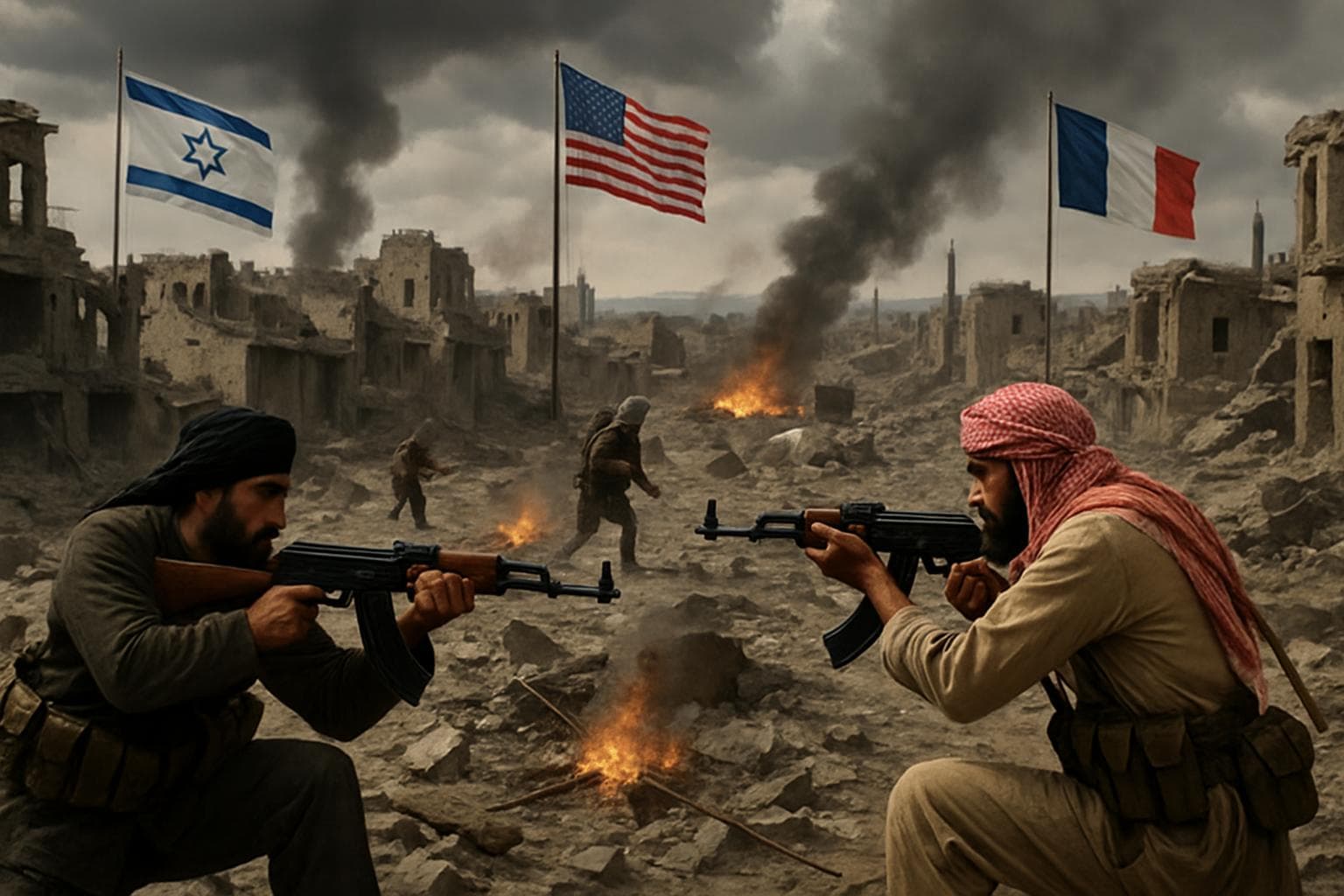
In the southern Syrian province of Suweida, a fragile ceasefire has been declared following a week of intense sectarian violence between Druze and Bedouin fighters. The conflict, which has claimed over 1,120 lives, underscores the volatile nature of the region, with international actors closely monitoring the situation.
Ceasefire and Continued Clashes
Syrian President Ahmed al-Sharaa announced an "immediate and comprehensive" ceasefire, deploying internal security forces to restore order. Despite this, reports indicate that clashes persist, with Bedouin fighters and their allies continuing to engage Druze forces. The ceasefire aims to facilitate humanitarian corridors for besieged civilians, yet the situation remains precarious.
International Involvement and Regional Dynamics
The conflict has drawn international attention, particularly due to Israeli airstrikes supporting the Druze community. Israel's involvement has added a layer of complexity, with Syrian government forces withdrawing under pressure. The US and France have urged all parties to adhere to the ceasefire, emphasizing the need for peace and stability in the region.
Humanitarian Concerns and Sectarian Tensions
The violence erupted following the abduction of a Druze merchant, igniting long-standing tensions between the Druze and Bedouin tribes. Both sides have been accused of committing atrocities, with the Syrian Observatory for Human Rights reporting significant casualties among fighters and civilians. The ceasefire, supported by international actors, seeks to prevent further bloodshed and ensure the safety of civilians.
Voices from the Ground
On the ground, the situation remains tense. A tribal elder expressed frustration over the failure to release injured Bedouin individuals from Suweida, warning of potential escalation if agreements are not honored. Meanwhile, Druze residents have recounted harrowing experiences of violence and chaos, highlighting the urgent need for a lasting resolution.
WHAT THIS MIGHT MEAN
The ceasefire in Suweida, while a step towards de-escalation, remains fragile. Continued clashes suggest that underlying tensions between the Druze and Bedouin communities persist, requiring sustained diplomatic efforts to achieve lasting peace. The involvement of international actors, notably Israel and the US, could either stabilize or further complicate the situation, depending on their actions and influence.
Moving forward, the Syrian government faces the challenge of maintaining order and preventing further sectarian violence. The success of the ceasefire will largely depend on the commitment of all parties to dialogue and reconciliation. As the international community watches closely, the potential for broader regional implications looms, underscoring the need for a comprehensive and inclusive approach to peacebuilding in Syria.
Related Articles

Middle East Conflict Drives UK Energy Prices to New Highs
US and Israel Intensify Military Campaign as Iran's Capabilities Dwindle

US Ambassador's Biblical Land Remarks Spark Outcry from Arab Nations
Israeli Airstrikes in Lebanon's Bekaa Valley Leave 10 Dead Amid Rising Tensions

Intensified US-Israel Strikes on Iran Spark Global Outcry
UK Reinforces Military Presence in Cyprus Amid Middle East Tensions
Sectarian Clashes in Suweida: Ceasefire Declared Amid Rising Tensions
In This Article
 James Okoro| Published
 HIGHLIGHTS
- Over 1,120 people have died in the recent sectarian clashes between Druze and Bedouin fighters in Suweida, Syria, according to the Syrian Observatory for Human Rights.
- A ceasefire was declared by Syrian President Ahmed al-Sharaa, yet sporadic fighting continues despite the deployment of government security forces.
- Israel conducted airstrikes in support of the Druze, complicating the regional dynamics and drawing international attention.
- The ceasefire aims to open humanitarian corridors and ensure safe passage for civilians, but tensions remain high with both sides accusing each other of atrocities.
- International actors, including the US and France, have called for adherence to the ceasefire to prevent further escalation.
In the southern Syrian province of Suweida, a fragile ceasefire has been declared following a week of intense sectarian violence between Druze and Bedouin fighters. The conflict, which has claimed over 1,120 lives, underscores the volatile nature of the region, with international actors closely monitoring the situation.
Ceasefire and Continued Clashes
Syrian President Ahmed al-Sharaa announced an "immediate and comprehensive" ceasefire, deploying internal security forces to restore order. Despite this, reports indicate that clashes persist, with Bedouin fighters and their allies continuing to engage Druze forces. The ceasefire aims to facilitate humanitarian corridors for besieged civilians, yet the situation remains precarious.
International Involvement and Regional Dynamics
The conflict has drawn international attention, particularly due to Israeli airstrikes supporting the Druze community. Israel's involvement has added a layer of complexity, with Syrian government forces withdrawing under pressure. The US and France have urged all parties to adhere to the ceasefire, emphasizing the need for peace and stability in the region.
Humanitarian Concerns and Sectarian Tensions
The violence erupted following the abduction of a Druze merchant, igniting long-standing tensions between the Druze and Bedouin tribes. Both sides have been accused of committing atrocities, with the Syrian Observatory for Human Rights reporting significant casualties among fighters and civilians. The ceasefire, supported by international actors, seeks to prevent further bloodshed and ensure the safety of civilians.
Voices from the Ground
On the ground, the situation remains tense. A tribal elder expressed frustration over the failure to release injured Bedouin individuals from Suweida, warning of potential escalation if agreements are not honored. Meanwhile, Druze residents have recounted harrowing experiences of violence and chaos, highlighting the urgent need for a lasting resolution.
WHAT THIS MIGHT MEAN
The ceasefire in Suweida, while a step towards de-escalation, remains fragile. Continued clashes suggest that underlying tensions between the Druze and Bedouin communities persist, requiring sustained diplomatic efforts to achieve lasting peace. The involvement of international actors, notably Israel and the US, could either stabilize or further complicate the situation, depending on their actions and influence.
Moving forward, the Syrian government faces the challenge of maintaining order and preventing further sectarian violence. The success of the ceasefire will largely depend on the commitment of all parties to dialogue and reconciliation. As the international community watches closely, the potential for broader regional implications looms, underscoring the need for a comprehensive and inclusive approach to peacebuilding in Syria.
Related Articles
Middle East Conflict Drives UK Energy Prices to New Highs
US and Israel Intensify Military Campaign as Iran's Capabilities Dwindle
US Ambassador's Biblical Land Remarks Spark Outcry from Arab Nations
Israeli Airstrikes in Lebanon's Bekaa Valley Leave 10 Dead Amid Rising Tensions
Intensified US-Israel Strikes on Iran Spark Global Outcry
UK Reinforces Military Presence in Cyprus Amid Middle East Tensions