
China's Crackdown on Gay Dating Apps Raises LGBT Community Concerns
In This Article
HIGHLIGHTS
- Apple removed Blued and Finka, two popular gay dating apps, from its China app store following orders from the Cyberspace Administration of China.
- The removal has sparked concerns among the LGBT community about increasing restrictions on online spaces in China.
- Despite the removal from app stores, both apps remain available for download from their official websites.
- Homosexuality is legal in China, but same-sex marriages are not recognized, and LGBT advocacy groups face increasing challenges.
- The Chinese government has implemented strict internet regulations, affecting both domestic and foreign apps.
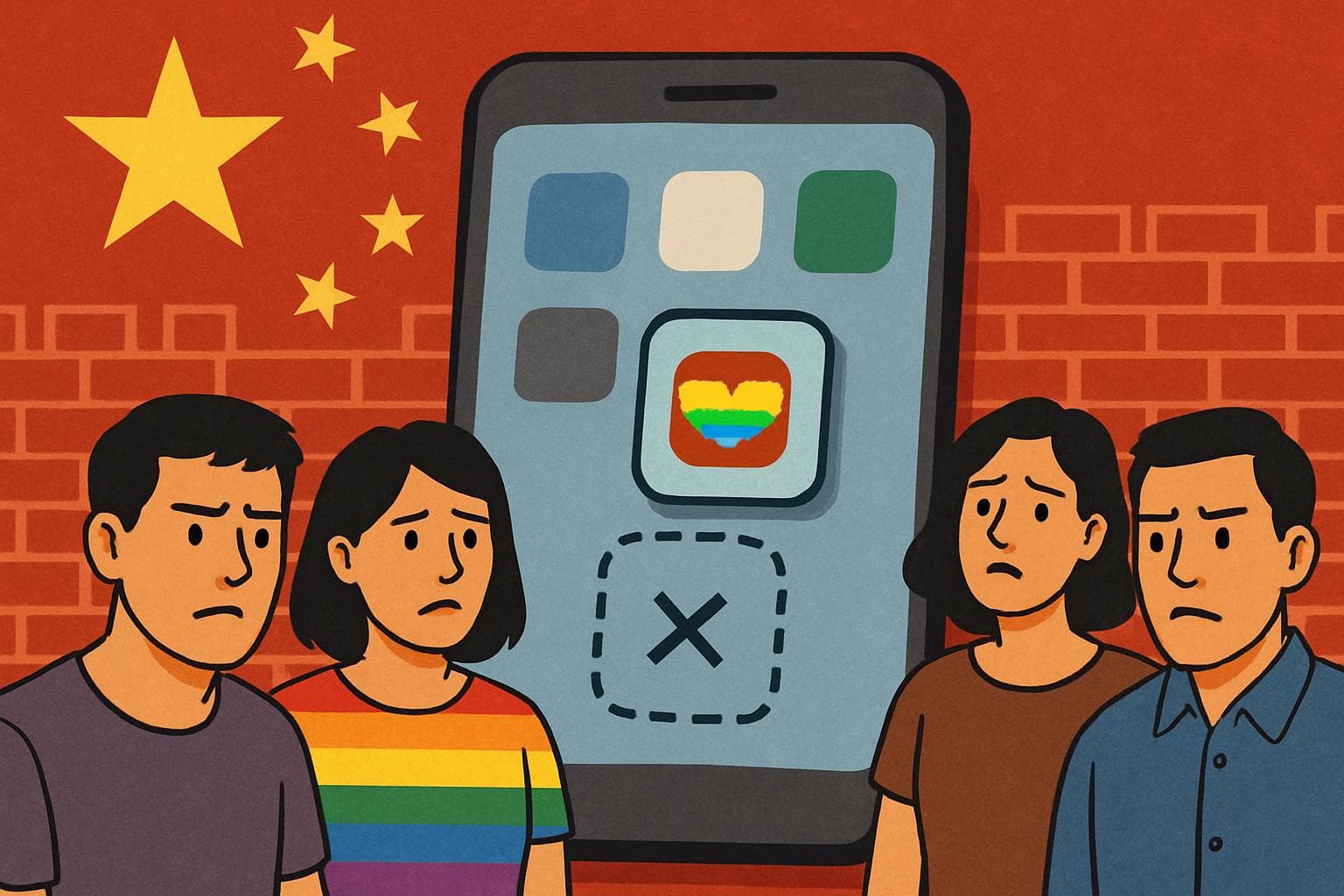
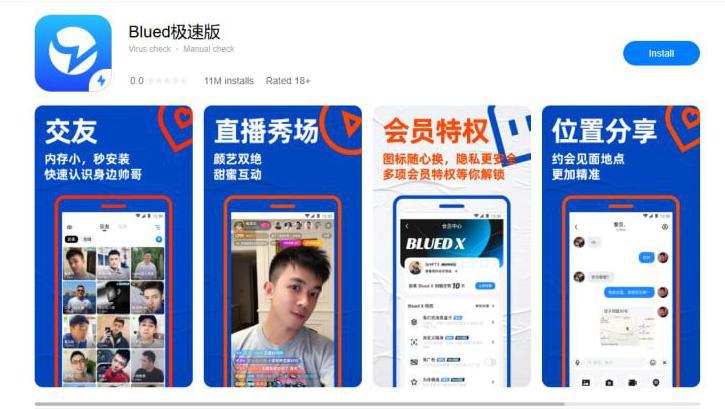
In a move that has raised alarms within the LGBT community, Apple has removed two of China's most popular gay dating apps, Blued and Finka, from its app store in the country. This action follows an order from the Cyberspace Administration of China, highlighting the increasing restrictions on digital spaces for sexual minorities in the nation.
App Removal and Community Reaction
The removal of Blued and Finka, both widely used gay dating platforms, has sparked fears of a broader crackdown on LGBT communities in China. While the apps are no longer available on Apple's app store and several Android platforms, they can still be downloaded from their official websites. An Apple spokesperson confirmed the removal, stating, "We follow the laws of the countries where we operate."
Members of the LGBT community have expressed their dismay, with one individual noting, "I hope those heterosexual policymakers can understand that love is rare - it's not something shameful or unspeakable." The removal has intensified concerns about the shrinking online spaces available for sexual minorities in China.
Legal Context and Internet Regulations
Although homosexuality was decriminalized in China in 1997, same-sex marriages remain unrecognized, and LGBT advocacy groups face significant challenges. The Chinese government has implemented stringent internet regulations, requiring all apps serving domestic users to register for licenses. This has led to the removal of numerous foreign apps, including popular platforms like Instagram and WhatsApp.
The Cyberspace Administration of China has not provided a clear rationale for the removal of Blued and Finka, leaving many to speculate about the permanence of this decision. The online regulator has previously stated that these measures aim to "promote the standardized and healthy development of the internet industry."
Impact on LGBT Advocacy
The removal of these apps is part of a broader trend of increasing restrictions on LGBT expression in China. Advocacy groups such as the Beijing LGBT Center and ShanghaiPride have ceased operations in recent years, and public displays of LGBT identity have been pushed further underground. A founder of an LGBT community organization expressed shock at the app removals, questioning the underlying motives of the authorities.
WHAT THIS MIGHT MEAN
The removal of Blued and Finka from app stores in China could signal a tightening grip on digital spaces for the LGBT community. If this trend continues, it may lead to further restrictions on online platforms that support sexual minorities. Legal experts suggest that the Chinese government's stringent internet regulations could deter foreign tech companies from operating in the country, potentially limiting the availability of international apps.
Politically, this development may strain China's relations with countries advocating for LGBT rights. As the global community watches closely, the Chinese government's actions could prompt international calls for greater digital freedom and human rights protections for sexual minorities in China.
Images from the Web
Related Articles

US Supreme Court Ruling Sparks Trade Uncertainty in Asia and Beyond

Japan Seizes Chinese Fishing Vessel Amid Rising Diplomatic Tensions
China Sets Lowest GDP Growth Target in Decades Amid Economic Challenges

UK Faces Dilemmas Amid Iran Conflict and China Spying Allegations

Labour MP's Husband Arrested in UK-China Espionage Probe
Trump's New Tariff Strategy Sparks Global Trade Uncertainty
China's Crackdown on Gay Dating Apps Raises LGBT Community Concerns
In This Article
HIGHLIGHTS
- Apple removed Blued and Finka, two popular gay dating apps, from its China app store following orders from the Cyberspace Administration of China.
- The removal has sparked concerns among the LGBT community about increasing restrictions on online spaces in China.
- Despite the removal from app stores, both apps remain available for download from their official websites.
- Homosexuality is legal in China, but same-sex marriages are not recognized, and LGBT advocacy groups face increasing challenges.
- The Chinese government has implemented strict internet regulations, affecting both domestic and foreign apps.
In a move that has raised alarms within the LGBT community, Apple has removed two of China's most popular gay dating apps, Blued and Finka, from its app store in the country. This action follows an order from the Cyberspace Administration of China, highlighting the increasing restrictions on digital spaces for sexual minorities in the nation.
App Removal and Community Reaction
The removal of Blued and Finka, both widely used gay dating platforms, has sparked fears of a broader crackdown on LGBT communities in China. While the apps are no longer available on Apple's app store and several Android platforms, they can still be downloaded from their official websites. An Apple spokesperson confirmed the removal, stating, "We follow the laws of the countries where we operate."
Members of the LGBT community have expressed their dismay, with one individual noting, "I hope those heterosexual policymakers can understand that love is rare - it's not something shameful or unspeakable." The removal has intensified concerns about the shrinking online spaces available for sexual minorities in China.
Legal Context and Internet Regulations
Although homosexuality was decriminalized in China in 1997, same-sex marriages remain unrecognized, and LGBT advocacy groups face significant challenges. The Chinese government has implemented stringent internet regulations, requiring all apps serving domestic users to register for licenses. This has led to the removal of numerous foreign apps, including popular platforms like Instagram and WhatsApp.
The Cyberspace Administration of China has not provided a clear rationale for the removal of Blued and Finka, leaving many to speculate about the permanence of this decision. The online regulator has previously stated that these measures aim to "promote the standardized and healthy development of the internet industry."
Impact on LGBT Advocacy
The removal of these apps is part of a broader trend of increasing restrictions on LGBT expression in China. Advocacy groups such as the Beijing LGBT Center and ShanghaiPride have ceased operations in recent years, and public displays of LGBT identity have been pushed further underground. A founder of an LGBT community organization expressed shock at the app removals, questioning the underlying motives of the authorities.
WHAT THIS MIGHT MEAN
The removal of Blued and Finka from app stores in China could signal a tightening grip on digital spaces for the LGBT community. If this trend continues, it may lead to further restrictions on online platforms that support sexual minorities. Legal experts suggest that the Chinese government's stringent internet regulations could deter foreign tech companies from operating in the country, potentially limiting the availability of international apps.
Politically, this development may strain China's relations with countries advocating for LGBT rights. As the global community watches closely, the Chinese government's actions could prompt international calls for greater digital freedom and human rights protections for sexual minorities in China.
Images from the Web
Related Articles
US Supreme Court Ruling Sparks Trade Uncertainty in Asia and Beyond
Japan Seizes Chinese Fishing Vessel Amid Rising Diplomatic Tensions
China Sets Lowest GDP Growth Target in Decades Amid Economic Challenges
UK Faces Dilemmas Amid Iran Conflict and China Spying Allegations
Labour MP's Husband Arrested in UK-China Espionage Probe
Trump's New Tariff Strategy Sparks Global Trade Uncertainty