
China's Ambitious Hydropower Project Raises Regional Concerns
In This Article
HIGHLIGHTS
- China has commenced construction on the world's largest hydropower dam on the Yarlung Tsangpo river, sparking concerns from India and Bangladesh.
- The project, estimated to cost 1.2 trillion yuan, aims to generate 300 million megawatt hours of electricity annually.
- Indian and Bangladeshi officials fear the dam could allow China to control water flow, potentially impacting millions downstream.
- Environmentalists and Tibetan groups have criticized the project for its potential ecological and cultural impacts.
- China asserts its right to build the dam, emphasizing ecological protection and cooperation with downstream countries.
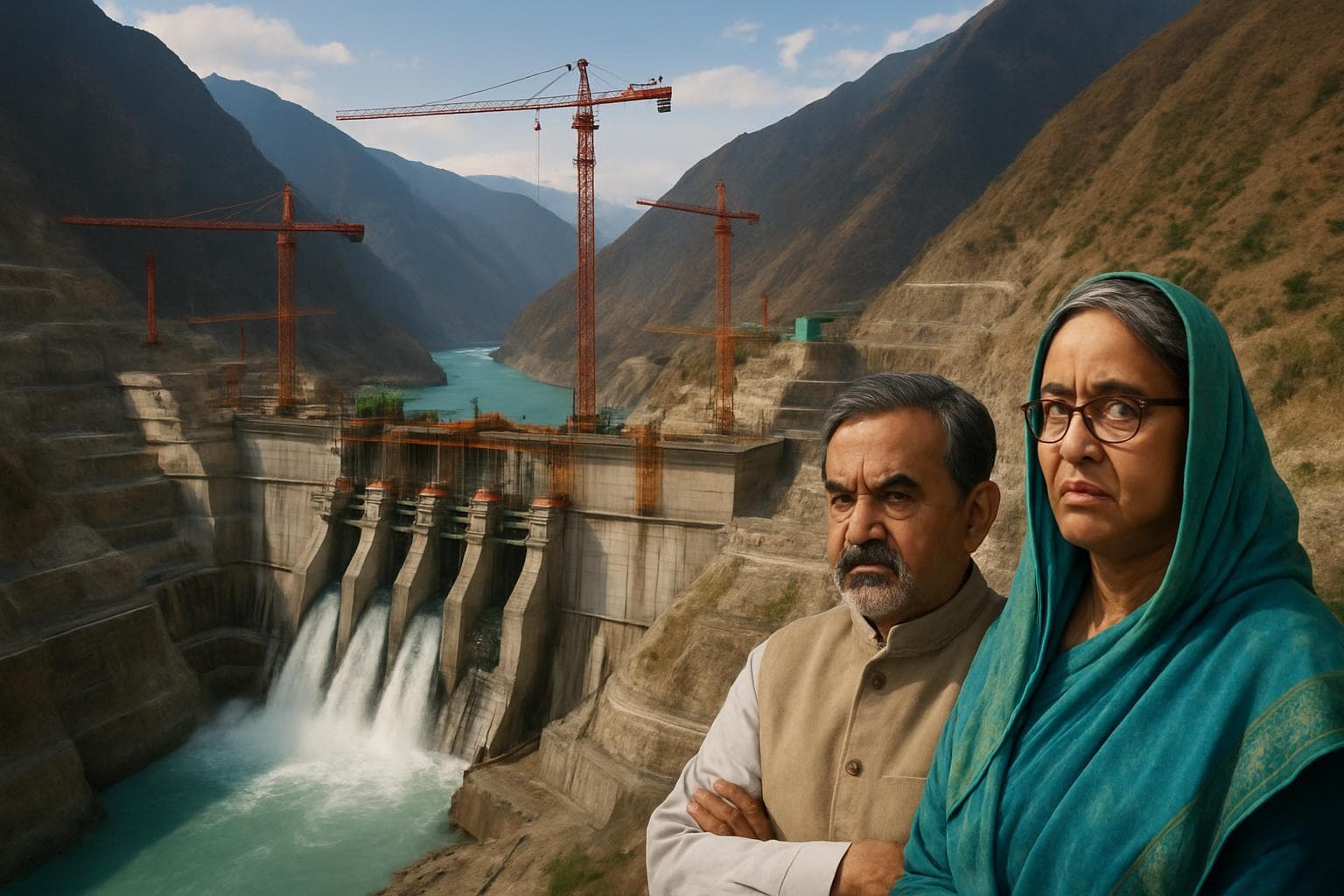
China has embarked on constructing what is set to become the world's largest hydropower dam on the Yarlung Tsangpo river in Tibet, a move that has raised alarms in neighboring India and Bangladesh. The project, presided over by Chinese Premier Li Qiang, is part of China's broader renewable energy expansion and is expected to generate an impressive 300 million megawatt hours of electricity annually.
A Project of Unprecedented Scale
The dam, known as the Motuo Hydropower Station, is projected to cost around 1.2 trillion yuan ($167 billion) and will surpass the Three Gorges Dam in both size and energy output. Situated in a region where the river drops dramatically through a canyon, the dam will harness this natural power to boost China's energy supply. However, the scale of the project has drawn significant criticism from India and Bangladesh, countries through which the river flows as the Brahmaputra and Jamuna rivers, respectively.
Regional Concerns Over Water Control
Indian and Bangladeshi officials have expressed fears that the dam could enable China to manipulate water flow, potentially leading to severe downstream impacts. Arunachal Pradesh's Chief Minister, Pema Khandu, warned of existential threats to local tribes and livelihoods, highlighting the risk of the river drying up or being used as a "water bomb." In response, India plans to construct its own dam on the Siang river to mitigate potential flooding.
Environmental and Cultural Implications
Environmentalists and Tibetan groups have voiced concerns about the ecological and cultural repercussions of the dam. The Tibetan plateau, home to sacred sites and diverse wildlife, could face significant disruption. Previous hydropower projects in Tibet have led to protests and crackdowns, underscoring the contentious nature of such developments.
China's Stance and Future Cooperation
Despite the concerns, China maintains its right to pursue the project, emphasizing ecological protection and local prosperity. Chinese officials have assured that they do not seek "water hegemony" and are committed to maintaining communication with downstream nations to prevent and mitigate disasters.
WHAT THIS MIGHT MEAN
The construction of the Yarlung Tsangpo dam could significantly alter regional water dynamics, potentially leading to diplomatic tensions between China, India, and Bangladesh. If China proceeds without addressing downstream concerns, it may exacerbate existing geopolitical strains. Conversely, enhanced cooperation and transparent communication could pave the way for collaborative water management strategies. Experts suggest that the project's success will depend on balancing energy needs with environmental and cultural preservation, setting a precedent for future trans-border water projects.
Related Articles

US Supreme Court Ruling Sparks Trade Uncertainty in Asia and Beyond
China Sets Lowest GDP Growth Target in Decades Amid Economic Challenges
Trump's New Tariff Strategy Sparks Global Trade Uncertainty

India's AI Impact Summit Faces Logistical Hurdles Amid Global AI Discussions

UK Faces Dilemmas Amid Iran Conflict and China Spying Allegations

Labour MP's Husband Arrested in UK-China Espionage Probe
China's Ambitious Hydropower Project Raises Regional Concerns
In This Article
HIGHLIGHTS
- China has commenced construction on the world's largest hydropower dam on the Yarlung Tsangpo river, sparking concerns from India and Bangladesh.
- The project, estimated to cost 1.2 trillion yuan, aims to generate 300 million megawatt hours of electricity annually.
- Indian and Bangladeshi officials fear the dam could allow China to control water flow, potentially impacting millions downstream.
- Environmentalists and Tibetan groups have criticized the project for its potential ecological and cultural impacts.
- China asserts its right to build the dam, emphasizing ecological protection and cooperation with downstream countries.
China has embarked on constructing what is set to become the world's largest hydropower dam on the Yarlung Tsangpo river in Tibet, a move that has raised alarms in neighboring India and Bangladesh. The project, presided over by Chinese Premier Li Qiang, is part of China's broader renewable energy expansion and is expected to generate an impressive 300 million megawatt hours of electricity annually.
A Project of Unprecedented Scale
The dam, known as the Motuo Hydropower Station, is projected to cost around 1.2 trillion yuan ($167 billion) and will surpass the Three Gorges Dam in both size and energy output. Situated in a region where the river drops dramatically through a canyon, the dam will harness this natural power to boost China's energy supply. However, the scale of the project has drawn significant criticism from India and Bangladesh, countries through which the river flows as the Brahmaputra and Jamuna rivers, respectively.
Regional Concerns Over Water Control
Indian and Bangladeshi officials have expressed fears that the dam could enable China to manipulate water flow, potentially leading to severe downstream impacts. Arunachal Pradesh's Chief Minister, Pema Khandu, warned of existential threats to local tribes and livelihoods, highlighting the risk of the river drying up or being used as a "water bomb." In response, India plans to construct its own dam on the Siang river to mitigate potential flooding.
Environmental and Cultural Implications
Environmentalists and Tibetan groups have voiced concerns about the ecological and cultural repercussions of the dam. The Tibetan plateau, home to sacred sites and diverse wildlife, could face significant disruption. Previous hydropower projects in Tibet have led to protests and crackdowns, underscoring the contentious nature of such developments.
China's Stance and Future Cooperation
Despite the concerns, China maintains its right to pursue the project, emphasizing ecological protection and local prosperity. Chinese officials have assured that they do not seek "water hegemony" and are committed to maintaining communication with downstream nations to prevent and mitigate disasters.
WHAT THIS MIGHT MEAN
The construction of the Yarlung Tsangpo dam could significantly alter regional water dynamics, potentially leading to diplomatic tensions between China, India, and Bangladesh. If China proceeds without addressing downstream concerns, it may exacerbate existing geopolitical strains. Conversely, enhanced cooperation and transparent communication could pave the way for collaborative water management strategies. Experts suggest that the project's success will depend on balancing energy needs with environmental and cultural preservation, setting a precedent for future trans-border water projects.
Related Articles
US Supreme Court Ruling Sparks Trade Uncertainty in Asia and Beyond
China Sets Lowest GDP Growth Target in Decades Amid Economic Challenges
Trump's New Tariff Strategy Sparks Global Trade Uncertainty
India's AI Impact Summit Faces Logistical Hurdles Amid Global AI Discussions
UK Faces Dilemmas Amid Iran Conflict and China Spying Allegations
Labour MP's Husband Arrested in UK-China Espionage Probe