
Climate Change Fuels Extreme Weather: From UK Heatwaves to Hurricane Erin's Rapid Intensification

In This Article
HIGHLIGHTS
- Hurricane Erin intensified rapidly, becoming one of the strongest Atlantic hurricanes, highlighting climate change impacts.
- The UK experienced a warmer and drier summer than average, with temperatures reaching 30C in Northern Ireland for the first time in years.
- Experts warn of more frequent extreme weather events due to global warming, including heatwaves and hurricanes.
- Florida's emergency managers are concerned about the increasing frequency of hurricanes, with four making landfall in the state in less than two years.
- The Met Office uses 30-year data trends to analyze current weather patterns, noting a warming trend over recent decades.
As the summer season draws to a close, the UK is experiencing a final bank holiday with warm and dry weather, a stark contrast to the impending stormy conditions forecasted by Hurricane Erin. This year, the UK has seen a notably warmer and drier summer, with temperatures in Northern Ireland reaching 30C, a rare occurrence that underscores the broader trend of global warming. According to the Met Office, these conditions align with a warming planet, as evidenced by the recent heatwaves and the first-time recording of 40.3C in the UK last year.
Meanwhile, across the Atlantic, Hurricane Erin has captured attention with its rapid intensification, transforming from a tropical storm to a category 5 hurricane in just 24 hours. This phenomenon, occurring more frequently due to climate change, poses significant challenges for regions like Florida, where emergency managers are grappling with the increased frequency of hurricanes. Heather Henderson-Scheu, Suwannee County's emergency management director, expressed relief that Erin did not target Florida, yet acknowledged the growing concern over the limited preparation time for such storms.
The rapid intensification of hurricanes, defined as a windspeed increase of at least 35mph within 24 hours, is now five times more common than in the 1980s. Scientists attribute this trend to global warming, with record warm waters in the Atlantic contributing to Erin's strength. This situation mirrors the broader climate crisis, where extreme weather events, including hurricanes and heatwaves, are becoming more frequent and intense.
The Met Office continues to monitor these changes, utilizing 30-year data trends to compare current weather patterns. As the planet warms, experts warn that extreme weather events will become more common, necessitating improved forecasting and preparedness measures.
WHAT THIS MIGHT MEAN
Looking ahead, the increasing frequency and intensity of extreme weather events pose significant challenges for both the UK and the US. In the UK, the trend of warmer summers may lead to more frequent heatwaves, requiring adaptations in infrastructure and public health strategies. Meanwhile, in Florida, the rapid intensification of hurricanes underscores the need for enhanced emergency preparedness and response systems.
As global warming continues to influence weather patterns, policymakers and scientists must collaborate to mitigate the impacts of climate change. This includes investing in climate-resilient infrastructure, improving forecasting technologies, and implementing policies aimed at reducing greenhouse gas emissions. The developments surrounding Hurricane Erin and the UK's summer weather serve as a stark reminder of the urgent need for action in addressing the climate crisis.
Images from the Web

Related Articles

Saharan Dust to Illuminate UK Skies with Vivid Sunrises and Sunsets

Canada and Australia Forge Strategic Partnership Amid Global Uncertainty
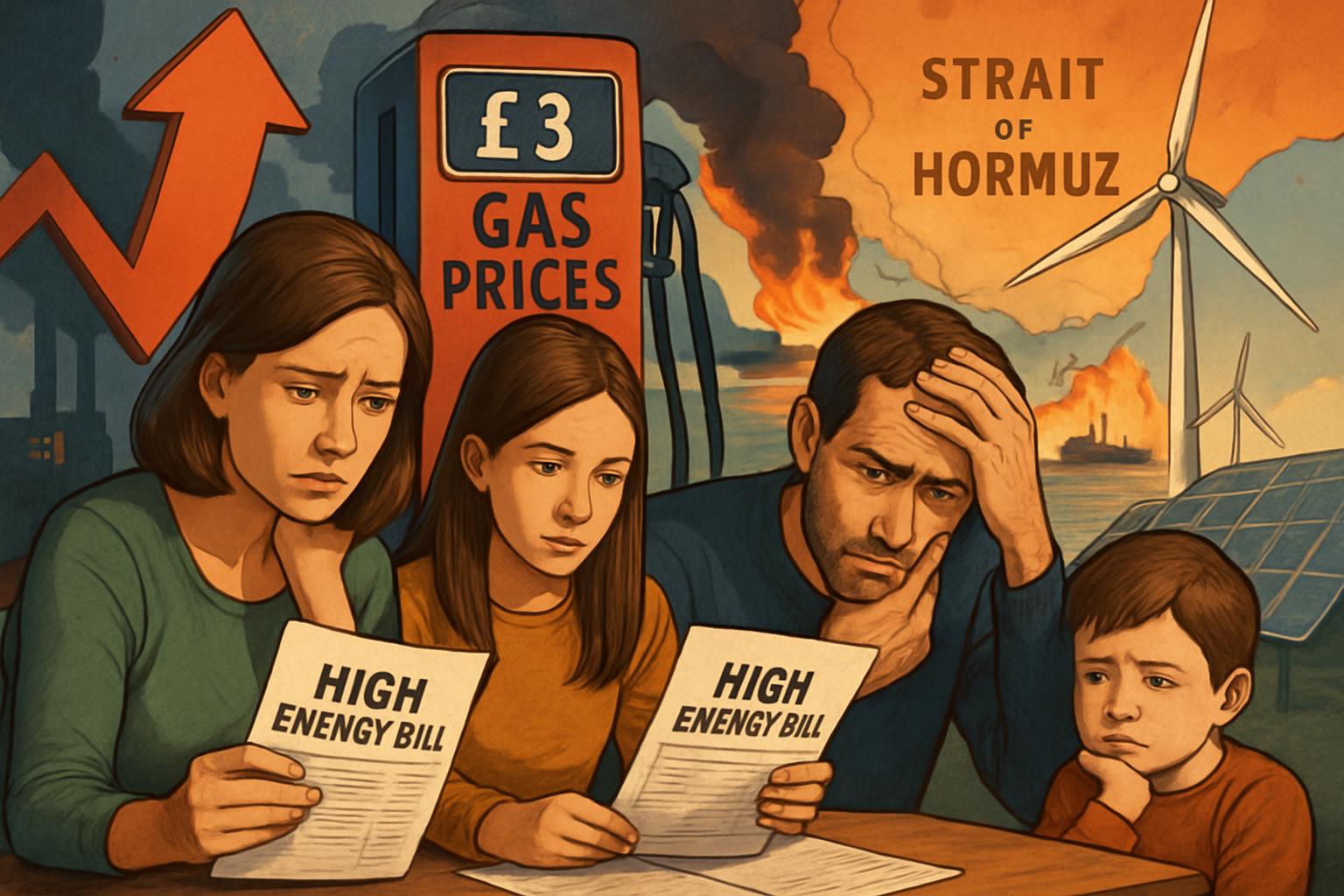
Middle East Conflict Drives UK Energy Prices to New Highs

UK Reinforces Military Presence in Cyprus Amid Middle East Tensions

UK-Iran Tensions: Starmer Defends Cautious Approach Amid Trump Criticism

Diplomatic Tensions Rise as Trump Criticizes Starmer's Iran Policy
Climate Change Fuels Extreme Weather: From UK Heatwaves to Hurricane Erin's Rapid Intensification
In This Article
 Leila Hassan| Published
 HIGHLIGHTS
- Hurricane Erin intensified rapidly, becoming one of the strongest Atlantic hurricanes, highlighting climate change impacts.
- The UK experienced a warmer and drier summer than average, with temperatures reaching 30C in Northern Ireland for the first time in years.
- Experts warn of more frequent extreme weather events due to global warming, including heatwaves and hurricanes.
- Florida's emergency managers are concerned about the increasing frequency of hurricanes, with four making landfall in the state in less than two years.
- The Met Office uses 30-year data trends to analyze current weather patterns, noting a warming trend over recent decades.
As the summer season draws to a close, the UK is experiencing a final bank holiday with warm and dry weather, a stark contrast to the impending stormy conditions forecasted by Hurricane Erin. This year, the UK has seen a notably warmer and drier summer, with temperatures in Northern Ireland reaching 30C, a rare occurrence that underscores the broader trend of global warming. According to the Met Office, these conditions align with a warming planet, as evidenced by the recent heatwaves and the first-time recording of 40.3C in the UK last year.
Meanwhile, across the Atlantic, Hurricane Erin has captured attention with its rapid intensification, transforming from a tropical storm to a category 5 hurricane in just 24 hours. This phenomenon, occurring more frequently due to climate change, poses significant challenges for regions like Florida, where emergency managers are grappling with the increased frequency of hurricanes. Heather Henderson-Scheu, Suwannee County's emergency management director, expressed relief that Erin did not target Florida, yet acknowledged the growing concern over the limited preparation time for such storms.
The rapid intensification of hurricanes, defined as a windspeed increase of at least 35mph within 24 hours, is now five times more common than in the 1980s. Scientists attribute this trend to global warming, with record warm waters in the Atlantic contributing to Erin's strength. This situation mirrors the broader climate crisis, where extreme weather events, including hurricanes and heatwaves, are becoming more frequent and intense.
The Met Office continues to monitor these changes, utilizing 30-year data trends to compare current weather patterns. As the planet warms, experts warn that extreme weather events will become more common, necessitating improved forecasting and preparedness measures.
WHAT THIS MIGHT MEAN
Looking ahead, the increasing frequency and intensity of extreme weather events pose significant challenges for both the UK and the US. In the UK, the trend of warmer summers may lead to more frequent heatwaves, requiring adaptations in infrastructure and public health strategies. Meanwhile, in Florida, the rapid intensification of hurricanes underscores the need for enhanced emergency preparedness and response systems.
As global warming continues to influence weather patterns, policymakers and scientists must collaborate to mitigate the impacts of climate change. This includes investing in climate-resilient infrastructure, improving forecasting technologies, and implementing policies aimed at reducing greenhouse gas emissions. The developments surrounding Hurricane Erin and the UK's summer weather serve as a stark reminder of the urgent need for action in addressing the climate crisis.
Images from the Web
Related Articles
Saharan Dust to Illuminate UK Skies with Vivid Sunrises and Sunsets
Canada and Australia Forge Strategic Partnership Amid Global Uncertainty
Middle East Conflict Drives UK Energy Prices to New Highs
UK Reinforces Military Presence in Cyprus Amid Middle East Tensions
UK-Iran Tensions: Starmer Defends Cautious Approach Amid Trump Criticism
Diplomatic Tensions Rise as Trump Criticizes Starmer's Iran Policy