
Communities Demand Action Against Thames Water for River Pollution
In This Article
HIGHLIGHTS
- Campaigners are filing statutory nuisance complaints against Thames Water for sewage pollution in the River Thames.
- Thames Water has failed to complete promised upgrades to 98 treatment plants and pumping stations.
- Sewage discharge hours from the Newbury plant increased by 240% between 2019 and 2024.
- Ofwat has limited Thames Water's ability to pass upgrade costs to customers, allowing only £793m of the proposed £1.18bn.
- Public health concerns have arisen, with cases of illness linked to polluted river water, including E. coli infections.
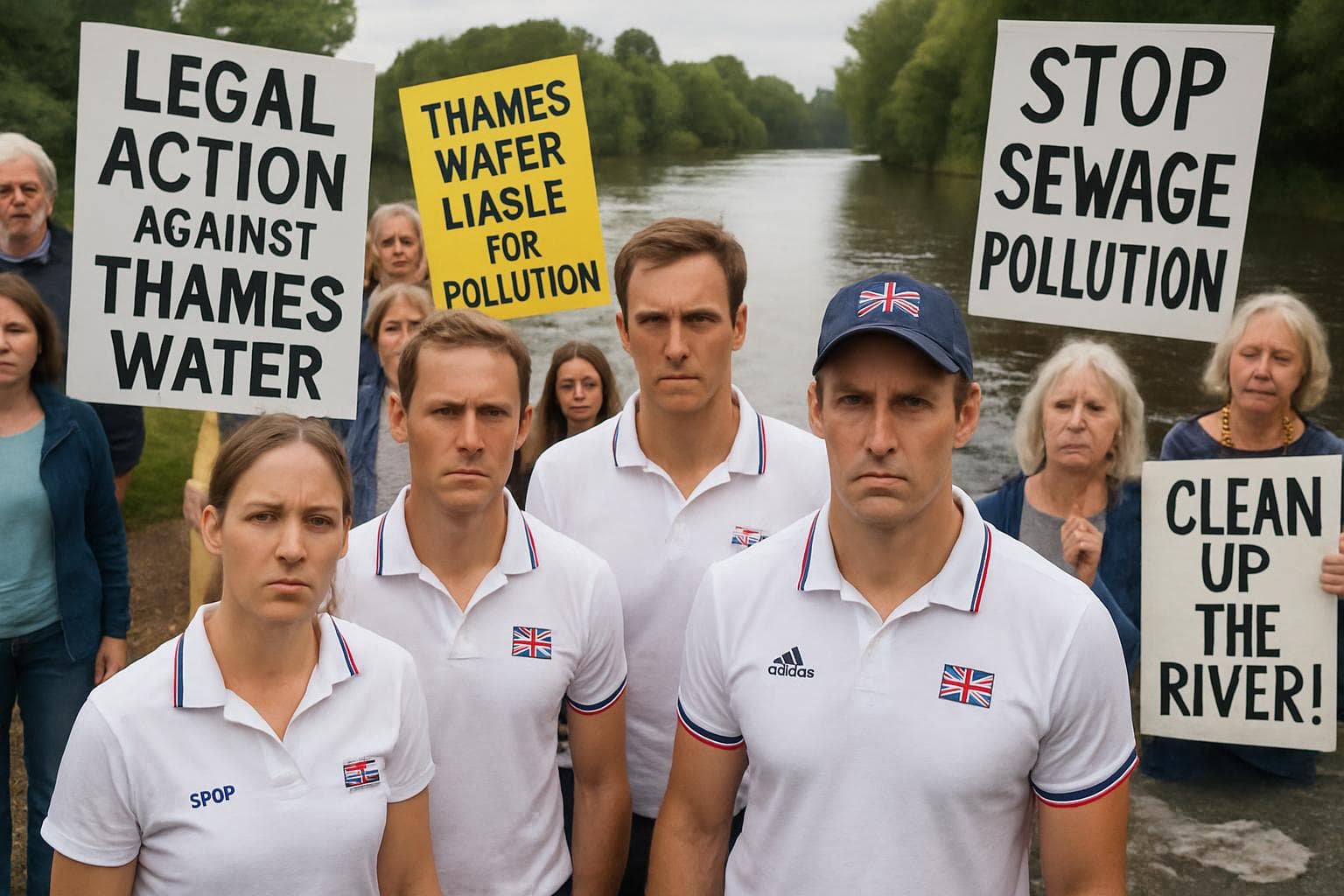
Communities across south-east England are taking legal action against Thames Water, citing the company's failure to address sewage pollution in the River Thames. Campaigners have filed statutory nuisance complaints, urging local councils to hold Thames Water accountable for its environmental impact.
Unfinished Upgrades and Rising Pollution
Thames Water had committed to upgrading 98 sewage treatment plants and pumping stations, yet many remain incomplete. This has led to increased sewage pollution, with the Newbury plant alone seeing a 240% rise in discharge hours from 2019 to 2024. The untreated sewage and poor-quality effluent pose significant public health risks, according to campaigners.
Financial and Regulatory Challenges
Thames Water has sought permission from the water regulator, Ofwat, to charge customers £1.18bn for the necessary upgrades. However, Ofwat has only approved £793m, arguing that customers have already funded these improvements. This financial impasse has left Thames Water struggling to meet its environmental commitments.
Public Health Concerns and Community Impact
The pollution has had tangible effects on local communities. A 16-year-old rower from Henley fell ill with E. coli after training in the river, impacting his GCSE exams. Similar health issues have been reported among kayakers and children playing in the river. Laura Reineke, founder of Friends of the Thames, expressed frustration, stating, "People here are fed up with living beside a river that’s being treated like an open sewer."
Olympic Support and Legal Implications
Olympic champions Sir Steve Redgrave and Imogen Grant have joined the campaign, emphasizing the importance of clean waterways for sport and community life. The statutory nuisance complaints, filed under the Environmental Protection Act 1990, seek to compel Thames Water to halt its pollution or face legal consequences.
WHAT THIS MIGHT MEAN
The legal complaints against Thames Water could lead to significant regulatory and financial repercussions for the company. If local councils determine that a statutory nuisance exists, they may issue abatement notices, forcing Thames Water to address the pollution or face criminal prosecution. This could accelerate the company's efforts to complete the necessary upgrades.
Politically, the situation may prompt increased scrutiny of water companies and their environmental responsibilities, potentially leading to stricter regulations. Public pressure and media attention could drive policymakers to prioritize water quality issues, ensuring that companies like Thames Water are held accountable for their environmental impact.
Experts suggest that resolving these issues will require a collaborative approach, involving regulators, water companies, and local communities. By working together, stakeholders can develop sustainable solutions to protect the River Thames and safeguard public health.
Related Articles
New Swimming Sites Proposed to Boost Water Quality Across England
MPs Challenge Rising Costs of Thames Water's Reservoir Amid Regulatory Overhaul Plans
UK Government Unveils Major Reforms to Water Industry Amidst Pollution Concerns

South East Water Faces Regulatory Scrutiny Amid Widespread Outages
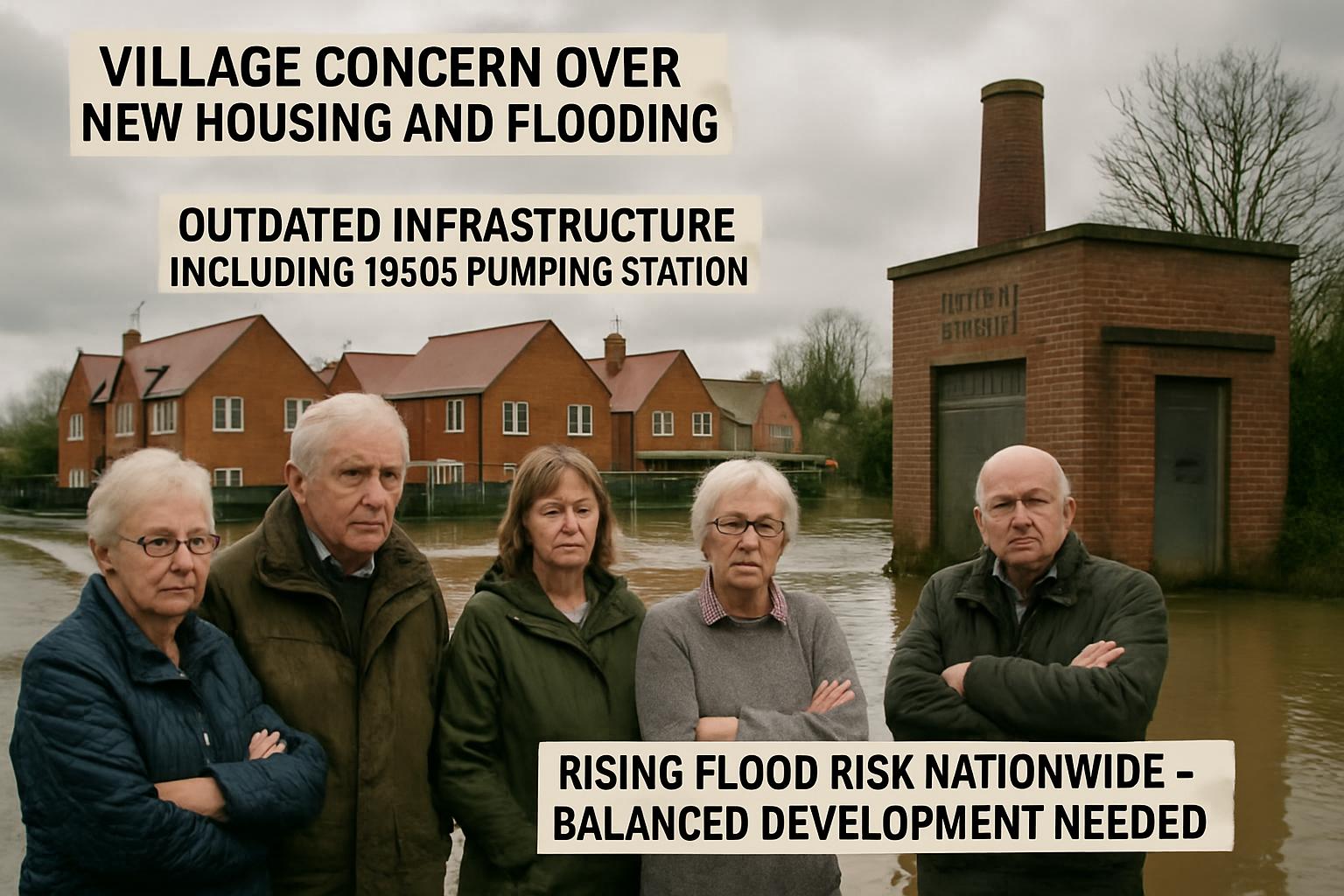
Flood Risk and Housing Development: A Growing Concern in England

Kent Residents Endure Water Supply Disruptions Amidst South East Water Criticism
Communities Demand Action Against Thames Water for River Pollution
In This Article
 Leila Hassan| Published
 HIGHLIGHTS
- Campaigners are filing statutory nuisance complaints against Thames Water for sewage pollution in the River Thames.
- Thames Water has failed to complete promised upgrades to 98 treatment plants and pumping stations.
- Sewage discharge hours from the Newbury plant increased by 240% between 2019 and 2024.
- Ofwat has limited Thames Water's ability to pass upgrade costs to customers, allowing only £793m of the proposed £1.18bn.
- Public health concerns have arisen, with cases of illness linked to polluted river water, including E. coli infections.
Communities across south-east England are taking legal action against Thames Water, citing the company's failure to address sewage pollution in the River Thames. Campaigners have filed statutory nuisance complaints, urging local councils to hold Thames Water accountable for its environmental impact.
Unfinished Upgrades and Rising Pollution
Thames Water had committed to upgrading 98 sewage treatment plants and pumping stations, yet many remain incomplete. This has led to increased sewage pollution, with the Newbury plant alone seeing a 240% rise in discharge hours from 2019 to 2024. The untreated sewage and poor-quality effluent pose significant public health risks, according to campaigners.
Financial and Regulatory Challenges
Thames Water has sought permission from the water regulator, Ofwat, to charge customers £1.18bn for the necessary upgrades. However, Ofwat has only approved £793m, arguing that customers have already funded these improvements. This financial impasse has left Thames Water struggling to meet its environmental commitments.
Public Health Concerns and Community Impact
The pollution has had tangible effects on local communities. A 16-year-old rower from Henley fell ill with E. coli after training in the river, impacting his GCSE exams. Similar health issues have been reported among kayakers and children playing in the river. Laura Reineke, founder of Friends of the Thames, expressed frustration, stating, "People here are fed up with living beside a river that’s being treated like an open sewer."
Olympic Support and Legal Implications
Olympic champions Sir Steve Redgrave and Imogen Grant have joined the campaign, emphasizing the importance of clean waterways for sport and community life. The statutory nuisance complaints, filed under the Environmental Protection Act 1990, seek to compel Thames Water to halt its pollution or face legal consequences.
WHAT THIS MIGHT MEAN
The legal complaints against Thames Water could lead to significant regulatory and financial repercussions for the company. If local councils determine that a statutory nuisance exists, they may issue abatement notices, forcing Thames Water to address the pollution or face criminal prosecution. This could accelerate the company's efforts to complete the necessary upgrades.
Politically, the situation may prompt increased scrutiny of water companies and their environmental responsibilities, potentially leading to stricter regulations. Public pressure and media attention could drive policymakers to prioritize water quality issues, ensuring that companies like Thames Water are held accountable for their environmental impact.
Experts suggest that resolving these issues will require a collaborative approach, involving regulators, water companies, and local communities. By working together, stakeholders can develop sustainable solutions to protect the River Thames and safeguard public health.
Related Articles
New Swimming Sites Proposed to Boost Water Quality Across England
MPs Challenge Rising Costs of Thames Water's Reservoir Amid Regulatory Overhaul Plans
UK Government Unveils Major Reforms to Water Industry Amidst Pollution Concerns
South East Water Faces Regulatory Scrutiny Amid Widespread Outages
Flood Risk and Housing Development: A Growing Concern in England
Kent Residents Endure Water Supply Disruptions Amidst South East Water Criticism