
Conservatives Propose Scrapping 2030 Petrol Car Ban to Boost UK Industry
In This Article
HIGHLIGHTS
- The Conservative Party plans to scrap the 2030 ban on new petrol and diesel cars if they win the next UK general election.
- Kemi Badenoch criticized the Zero Emission Vehicle mandate, calling it economically harmful and suggesting it disadvantages the UK car industry.
- The Conservatives propose ending the ZEV mandate, which requires a rising percentage of zero-emission vehicle sales, to save £3.8 billion over the next decade.
- Labour intends to reinstate the 2030 ban and ensure all new cars are zero-emission by 2035, aligning with the UK's net zero emissions target.
- Greenpeace warns that reversing the ban could create chaos in the UK car industry and hinder progress towards cleaner vehicles.
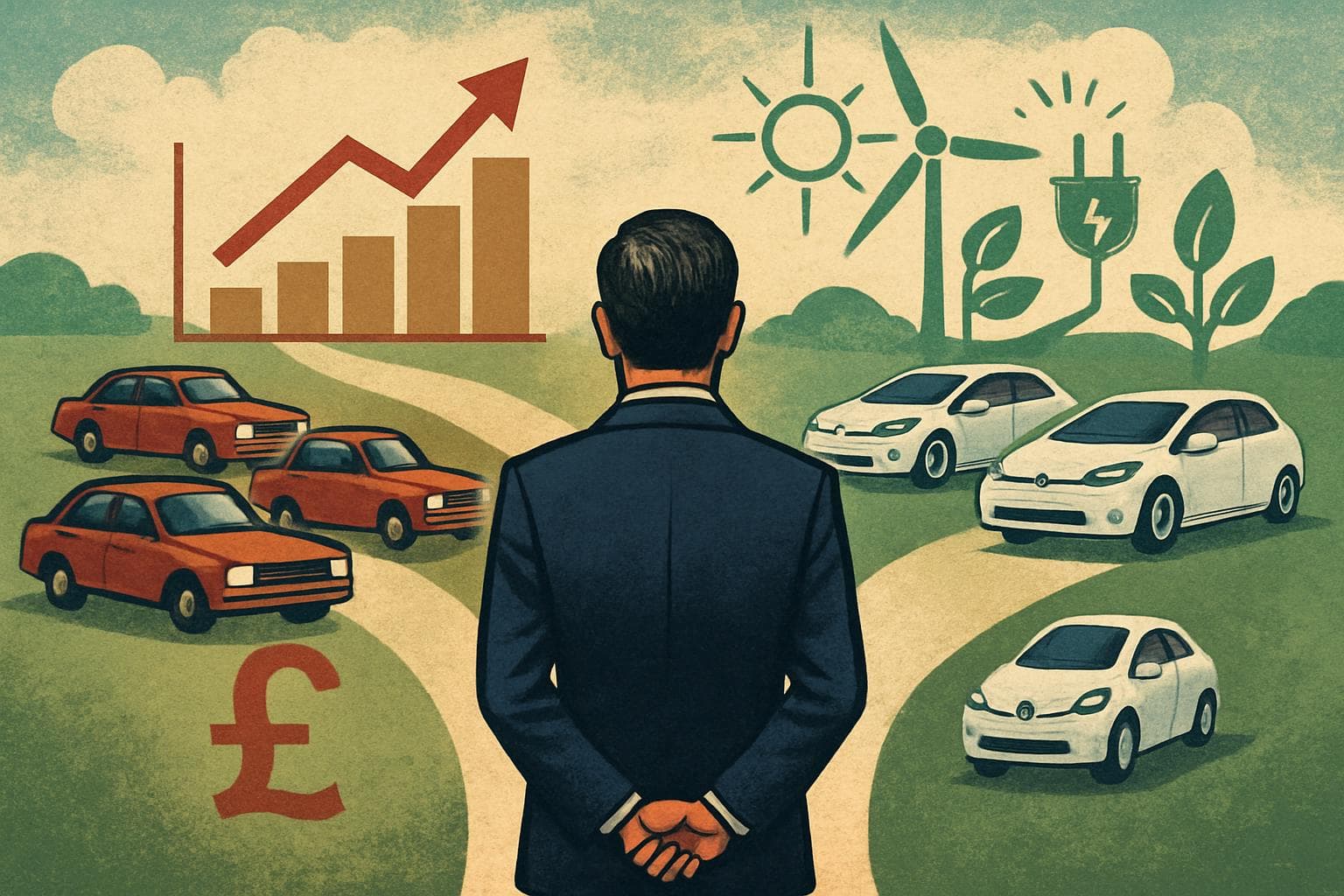
The Conservative Party has announced plans to abolish the 2030 ban on new petrol and diesel cars if they secure victory in the next UK general election. This move, championed by Conservative leader Kemi Badenoch, aims to relieve the UK car industry from what she describes as economically damaging regulations.
A Shift in Policy
The Zero Emission Vehicle (ZEV) mandate, which requires car manufacturers to sell an increasing percentage of zero-emission vehicles, is at the center of this policy shift. Badenoch argues that the mandate, part of the UK's broader strategy to achieve net zero emissions by 2050, places undue pressure on domestic manufacturers and consumers. "Labour’s rush to net zero is having a disastrous effect on the UK car industry," Badenoch stated, emphasizing the need for a more balanced approach that supports innovation without imposing unrealistic deadlines.
Economic Implications
By scrapping the ZEV mandate, the Conservatives estimate a saving of £3.8 billion over the next decade, money that would otherwise be spent on regulatory compliance. While the party plans to cut subsidies associated with the mandate, they intend to maintain infrastructure funding to support the electric vehicle market's growth. This approach, Badenoch claims, will foster a stronger economy by backing businesses and encouraging technological advancement.
Opposition and Environmental Concerns
In contrast, the Labour Party has pledged to uphold the 2030 ban, arguing that it provides certainty for manufacturers and consumers. The party's stance aligns with the UK's commitment to reducing carbon emissions and achieving net zero by 2050. Environmental groups, including Greenpeace, have criticized the Conservative proposal, warning that it could disrupt the industry and hinder progress towards cleaner, more affordable vehicles. Doug Parr, Greenpeace UK's policy director, cautioned that a policy reversal could lead to chaos and job losses, leaving the UK lagging behind in the global shift towards electric vehicles.
WHAT THIS MIGHT MEAN
If the Conservatives succeed in scrapping the 2030 ban, it could lead to significant changes in the UK car industry, potentially revitalizing domestic manufacturing but also risking setbacks in environmental progress. The decision may influence the upcoming general election, as voters weigh economic benefits against environmental responsibilities. Experts suggest that maintaining a clear timeline for transitioning to electric vehicles is crucial for industry stability and meeting climate goals. The outcome of this policy debate could shape the UK's automotive landscape and its role in the global push towards sustainable transport.
Related Articles
UK Government to Reform Asylum Seeker Support and Employment Policies

UK-Iran Tensions: Starmer Defends Cautious Approach Amid Trump Criticism
Trump's New Tariff Strategy Sparks Global Trade Uncertainty

UK Faces Dilemmas Amid Iran Conflict and China Spying Allegations

Labour MP's Husband Arrested in UK-China Espionage Probe
Conservatives Propose Interest Rate Cap on Student Loans Amid Growing Debt Concerns
Conservatives Propose Scrapping 2030 Petrol Car Ban to Boost UK Industry
In This Article
 Daniel Rivera| Published
 HIGHLIGHTS
- The Conservative Party plans to scrap the 2030 ban on new petrol and diesel cars if they win the next UK general election.
- Kemi Badenoch criticized the Zero Emission Vehicle mandate, calling it economically harmful and suggesting it disadvantages the UK car industry.
- The Conservatives propose ending the ZEV mandate, which requires a rising percentage of zero-emission vehicle sales, to save £3.8 billion over the next decade.
- Labour intends to reinstate the 2030 ban and ensure all new cars are zero-emission by 2035, aligning with the UK's net zero emissions target.
- Greenpeace warns that reversing the ban could create chaos in the UK car industry and hinder progress towards cleaner vehicles.
The Conservative Party has announced plans to abolish the 2030 ban on new petrol and diesel cars if they secure victory in the next UK general election. This move, championed by Conservative leader Kemi Badenoch, aims to relieve the UK car industry from what she describes as economically damaging regulations.
A Shift in Policy
The Zero Emission Vehicle (ZEV) mandate, which requires car manufacturers to sell an increasing percentage of zero-emission vehicles, is at the center of this policy shift. Badenoch argues that the mandate, part of the UK's broader strategy to achieve net zero emissions by 2050, places undue pressure on domestic manufacturers and consumers. "Labour’s rush to net zero is having a disastrous effect on the UK car industry," Badenoch stated, emphasizing the need for a more balanced approach that supports innovation without imposing unrealistic deadlines.
Economic Implications
By scrapping the ZEV mandate, the Conservatives estimate a saving of £3.8 billion over the next decade, money that would otherwise be spent on regulatory compliance. While the party plans to cut subsidies associated with the mandate, they intend to maintain infrastructure funding to support the electric vehicle market's growth. This approach, Badenoch claims, will foster a stronger economy by backing businesses and encouraging technological advancement.
Opposition and Environmental Concerns
In contrast, the Labour Party has pledged to uphold the 2030 ban, arguing that it provides certainty for manufacturers and consumers. The party's stance aligns with the UK's commitment to reducing carbon emissions and achieving net zero by 2050. Environmental groups, including Greenpeace, have criticized the Conservative proposal, warning that it could disrupt the industry and hinder progress towards cleaner, more affordable vehicles. Doug Parr, Greenpeace UK's policy director, cautioned that a policy reversal could lead to chaos and job losses, leaving the UK lagging behind in the global shift towards electric vehicles.
WHAT THIS MIGHT MEAN
If the Conservatives succeed in scrapping the 2030 ban, it could lead to significant changes in the UK car industry, potentially revitalizing domestic manufacturing but also risking setbacks in environmental progress. The decision may influence the upcoming general election, as voters weigh economic benefits against environmental responsibilities. Experts suggest that maintaining a clear timeline for transitioning to electric vehicles is crucial for industry stability and meeting climate goals. The outcome of this policy debate could shape the UK's automotive landscape and its role in the global push towards sustainable transport.
Related Articles
UK Government to Reform Asylum Seeker Support and Employment Policies
UK-Iran Tensions: Starmer Defends Cautious Approach Amid Trump Criticism
Trump's New Tariff Strategy Sparks Global Trade Uncertainty
UK Faces Dilemmas Amid Iran Conflict and China Spying Allegations
Labour MP's Husband Arrested in UK-China Espionage Probe
Conservatives Propose Interest Rate Cap on Student Loans Amid Growing Debt Concerns