
COP30 Climate Summit Stalls Over Fossil Fuel Phase-Out Dispute
In This Article
HIGHLIGHTS
- The COP30 climate summit in Belém, Brazil, has extended beyond its scheduled end due to disagreements over fossil fuel reduction commitments.
- A group of 29 countries has threatened to block any agreement lacking a roadmap for phasing out fossil fuels, highlighting a significant divide.
- Saudi Arabia, Russia, and other petrostates oppose the roadmap, fearing economic impacts, while developing nations demand climate finance from richer countries.
- The UK and other nations are pushing for a stronger commitment to transition away from fossil fuels, despite resistance from some countries.
- The summit's outcome remains uncertain, with potential implications for future climate policy and international cooperation.
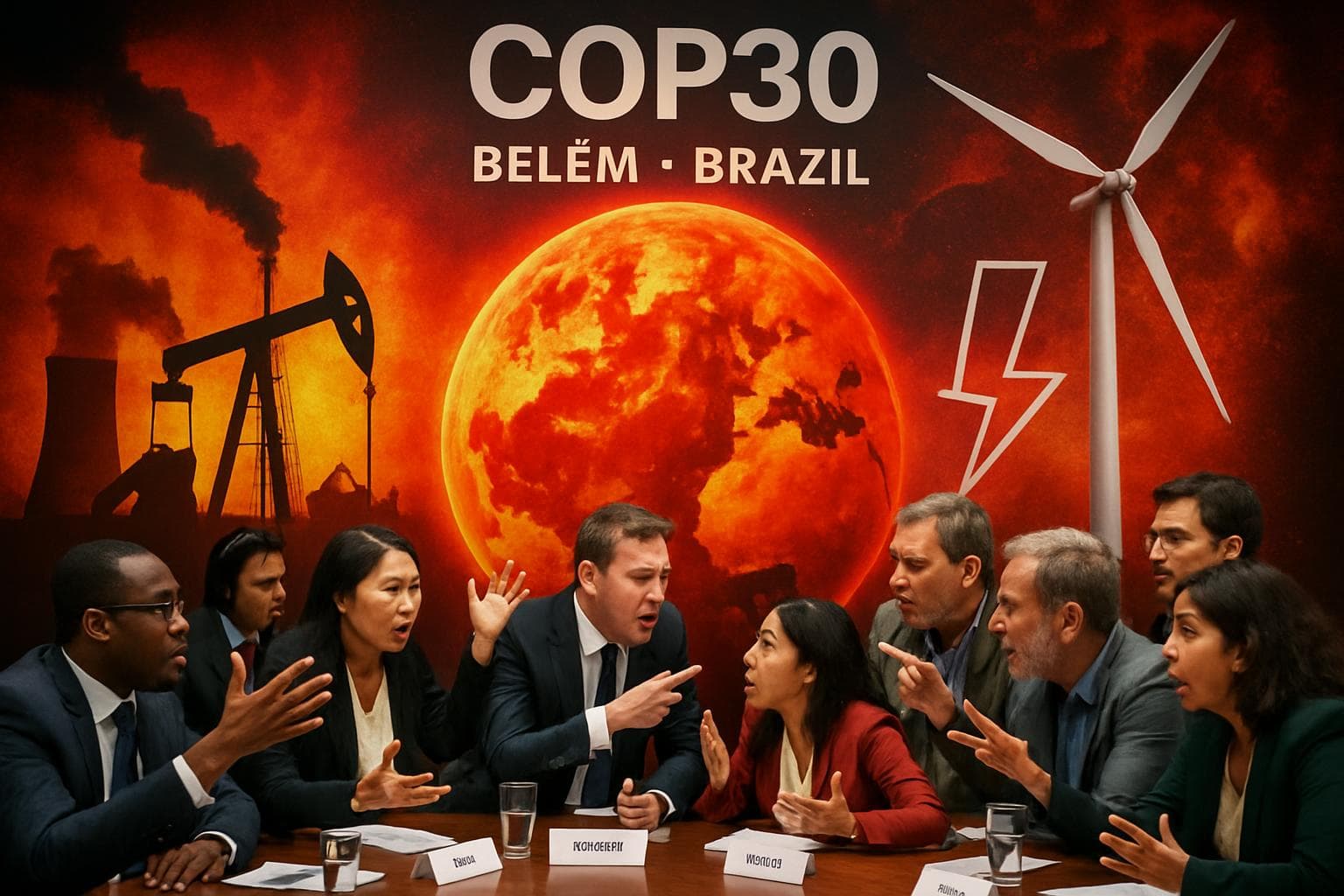
The COP30 climate summit in Belém, Brazil, has been thrust into overtime as nations grapple with the contentious issue of phasing out fossil fuels. The summit, originally scheduled to conclude on Friday, has been extended due to a lack of consensus among the 194 participating countries.
Fossil Fuel Phase-Out: A Divisive Issue
At the heart of the dispute is a proposed roadmap for transitioning away from fossil fuels, a major contributor to global warming. A coalition of 29 countries has threatened to block any agreement that does not include this roadmap, arguing that it is essential for demonstrating progress since the Global Stocktake at COP28 in Dubai. However, opposition from petrostates like Saudi Arabia and Russia, along with some large fossil fuel-consuming nations such as India, has stalled negotiations.
Developing Nations Demand Climate Finance
Developing countries, particularly those most vulnerable to climate change, have been vocal about the need for climate finance from wealthier nations. Aisha Moriana, head of Pakistan's delegation, emphasized the importance of adaptation financing, stating, "We need adaptation financing because we are already doing a lot to reduce emissions. Who will pay the cheque?"
Pressure Mounts for a Resolution
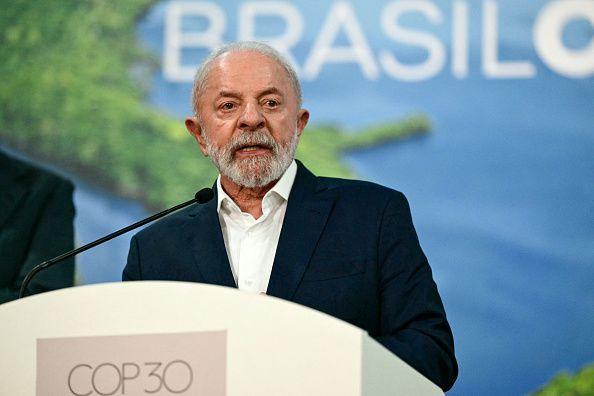
The UK, represented by Secretary of State for Energy Security and Net Zero Ed Miliband, remains determined to keep the roadmap proposal alive. "It's hard, it's sweaty, it's frustrating," Miliband remarked, underscoring the urgency of the talks. Meanwhile, Brazil's President Luiz Inácio Lula da Silva has been pushing for stronger commitments, aligning with countries like the UK in advocating for a faster transition to renewable energy.
A Stalemate with Global Implications
As negotiations continue, the possibility of leaving the summit without a deal looms large. European Commissioner for Climate Wopke Hoekstra warned that the current proposals are inadequate, stating, "What is now on the table is unacceptable." The outcome of COP30 could have far-reaching implications for international climate policy and the future of the Paris climate agreement.
WHAT THIS MIGHT MEAN
The ongoing stalemate at COP30 underscores the complex dynamics of international climate negotiations. Should the summit conclude without a clear roadmap for phasing out fossil fuels, it could signal a setback for global climate efforts. Conversely, a breakthrough agreement could pave the way for more ambitious climate action in future summits.
The demand for climate finance from developing nations remains a critical issue. Failure to address this could exacerbate tensions between developed and developing countries, potentially hindering cooperation on other climate initiatives.
As the world watches, the outcome of COP30 will likely influence the trajectory of climate policy and international relations, with potential ripple effects on global efforts to combat climate change.
Images from the Web
Related Articles
Middle East Conflict Drives UK Energy Prices to New Highs

UK Reinforces Military Presence in Cyprus Amid Middle East Tensions
US Supreme Court Ruling Sparks Trade Uncertainty in Asia and Beyond
Canada and Australia Forge Strategic Partnership Amid Global Uncertainty

UK Government to Reform Asylum Seeker Support and Employment Policies

Sisters Tragically Drown at Eryri National Park's Watkin Path
COP30 Climate Summit Stalls Over Fossil Fuel Phase-Out Dispute
In This Article
 James Okoro| Published
 HIGHLIGHTS
- The COP30 climate summit in Belém, Brazil, has extended beyond its scheduled end due to disagreements over fossil fuel reduction commitments.
- A group of 29 countries has threatened to block any agreement lacking a roadmap for phasing out fossil fuels, highlighting a significant divide.
- Saudi Arabia, Russia, and other petrostates oppose the roadmap, fearing economic impacts, while developing nations demand climate finance from richer countries.
- The UK and other nations are pushing for a stronger commitment to transition away from fossil fuels, despite resistance from some countries.
- The summit's outcome remains uncertain, with potential implications for future climate policy and international cooperation.
The COP30 climate summit in Belém, Brazil, has been thrust into overtime as nations grapple with the contentious issue of phasing out fossil fuels. The summit, originally scheduled to conclude on Friday, has been extended due to a lack of consensus among the 194 participating countries.
Fossil Fuel Phase-Out: A Divisive Issue
At the heart of the dispute is a proposed roadmap for transitioning away from fossil fuels, a major contributor to global warming. A coalition of 29 countries has threatened to block any agreement that does not include this roadmap, arguing that it is essential for demonstrating progress since the Global Stocktake at COP28 in Dubai. However, opposition from petrostates like Saudi Arabia and Russia, along with some large fossil fuel-consuming nations such as India, has stalled negotiations.
Developing Nations Demand Climate Finance
Developing countries, particularly those most vulnerable to climate change, have been vocal about the need for climate finance from wealthier nations. Aisha Moriana, head of Pakistan's delegation, emphasized the importance of adaptation financing, stating, "We need adaptation financing because we are already doing a lot to reduce emissions. Who will pay the cheque?"
Pressure Mounts for a Resolution
The UK, represented by Secretary of State for Energy Security and Net Zero Ed Miliband, remains determined to keep the roadmap proposal alive. "It's hard, it's sweaty, it's frustrating," Miliband remarked, underscoring the urgency of the talks. Meanwhile, Brazil's President Luiz Inácio Lula da Silva has been pushing for stronger commitments, aligning with countries like the UK in advocating for a faster transition to renewable energy.
A Stalemate with Global Implications
As negotiations continue, the possibility of leaving the summit without a deal looms large. European Commissioner for Climate Wopke Hoekstra warned that the current proposals are inadequate, stating, "What is now on the table is unacceptable." The outcome of COP30 could have far-reaching implications for international climate policy and the future of the Paris climate agreement.
WHAT THIS MIGHT MEAN
The ongoing stalemate at COP30 underscores the complex dynamics of international climate negotiations. Should the summit conclude without a clear roadmap for phasing out fossil fuels, it could signal a setback for global climate efforts. Conversely, a breakthrough agreement could pave the way for more ambitious climate action in future summits.
The demand for climate finance from developing nations remains a critical issue. Failure to address this could exacerbate tensions between developed and developing countries, potentially hindering cooperation on other climate initiatives.
As the world watches, the outcome of COP30 will likely influence the trajectory of climate policy and international relations, with potential ripple effects on global efforts to combat climate change.
Images from the Web
Related Articles
Middle East Conflict Drives UK Energy Prices to New Highs
UK Reinforces Military Presence in Cyprus Amid Middle East Tensions
US Supreme Court Ruling Sparks Trade Uncertainty in Asia and Beyond
Canada and Australia Forge Strategic Partnership Amid Global Uncertainty
UK Government to Reform Asylum Seeker Support and Employment Policies
Sisters Tragically Drown at Eryri National Park's Watkin Path