
Costa Rican Court Orders Release of US-Deported Migrants Amid Rights Concerns
In This Article
HIGHLIGHTS
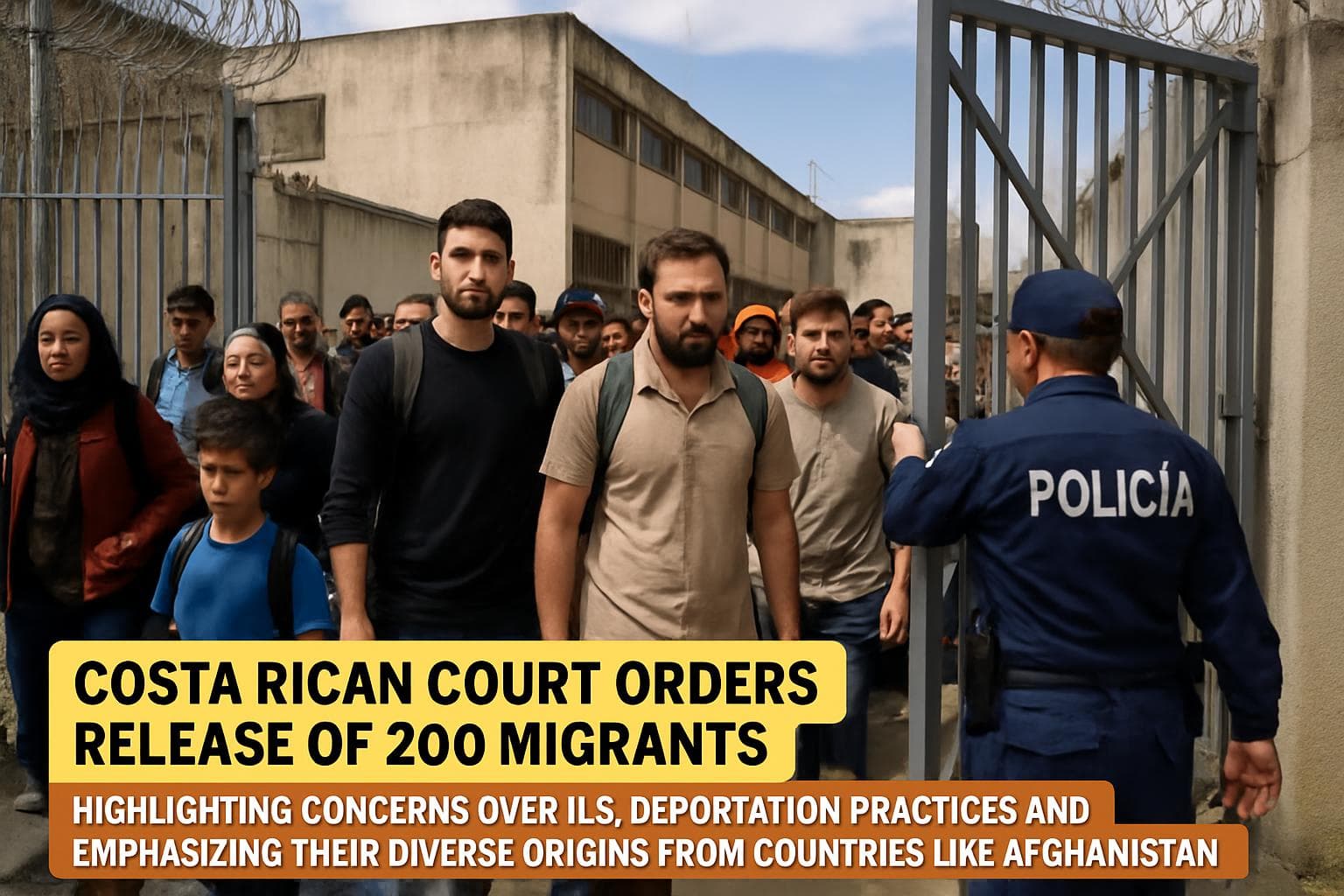
- A Costa Rican court has ordered the release of 200 migrants deported from the US, citing rights violations during their detention.
- The migrants, from countries including Afghanistan, Iran, Russia, and various African and Asian nations, were held at the Temporary Migrant Care Centre.
- The court ruling mandates Costa Rican authorities to determine the migrants' legal status within two weeks and provide necessary state assistance.
- The deportation agreement between Costa Rica and the Trump administration has faced criticism from human rights organizations.
- The US Supreme Court recently reversed a lower court order that allowed migrants to challenge deportations due to potential risks in third countries.
A Costa Rican court has mandated the release of 200 migrants deported from the United States, highlighting significant rights violations during their detention. The migrants, originating from countries such as Afghanistan, Iran, Russia, and various African and Asian nations, were held at the Temporary Migrant Care Centre (Catem), located 360 kilometers south of San José.
Background and Legal Context
The migrants arrived in Costa Rica in February, following an agreement with the Trump administration to accept deportees from third countries. This move has been met with criticism from human rights organizations, which argue that the migrants were detained "arbitrarily and illegally" without access to legal counsel or information in their native languages. The court's decision, issued on the eve of a visit by US Secretary of Homeland Security Kristi Noem, partially accepted an appeal filed on behalf of the migrants in March.
Court Ruling and Migrant Status
The constitutional chamber of Costa Rica's Supreme Court of Justice has given immigration authorities 15 days to determine the migrants' legal status and facilitate their release. The ruling also requires the government to assess and provide necessary health, education, housing, and social assistance to the deportees. While some migrants have opted for voluntary repatriation, 28 remain at the Catem facility, including 13 minors.
Human Rights Concerns and Individual Stories
The deportation of migrants to countries other than their homeland has been a contentious issue, with the US Supreme Court recently reversing a lower court order that allowed migrants to challenge such deportations due to potential risks of torture or persecution. Among the migrants is an Afghan woman who fled her country to pursue education and work opportunities, fearing for her life under Taliban rule if forced to return.
WHAT THIS MIGHT MEAN
The Costa Rican court's ruling sets a precedent that could influence future agreements involving the deportation of migrants to third countries. As Costa Rican authorities work to determine the legal status of the remaining migrants, the decision may prompt a reevaluation of similar agreements in Central America. Human rights organizations are likely to continue advocating for the rights of deported migrants, potentially leading to further legal challenges and policy changes. The situation underscores the complex interplay between international agreements, national sovereignty, and human rights obligations in the realm of immigration policy.
Related Articles
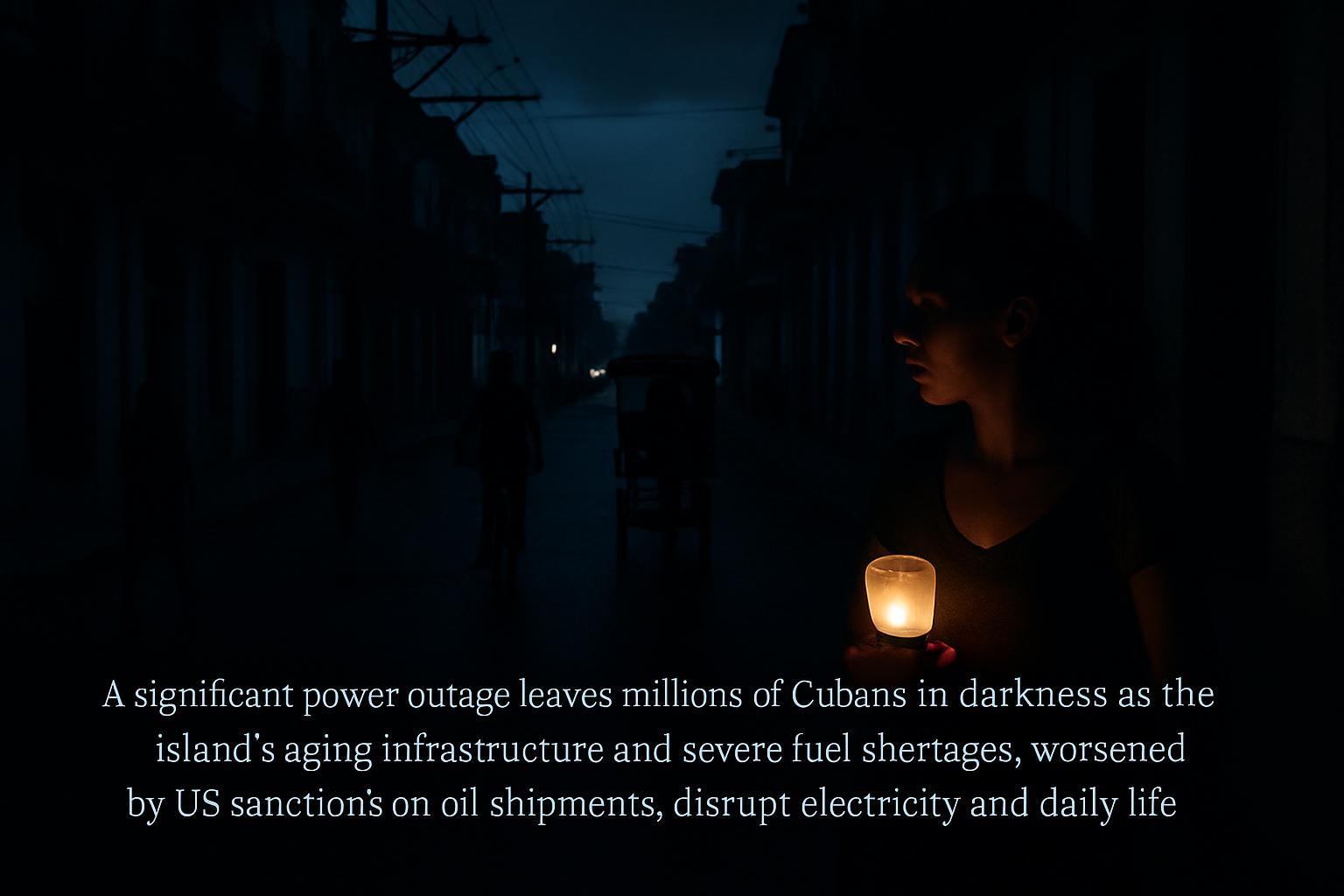
Cuba Faces Widespread Blackout Amid Deepening Fuel Crisis

UK Faces Dilemmas Amid Iran Conflict and China Spying Allegations

Spain's Sánchez Stands Firm Against Trump's Trade Threat Over Iran Stance

Iran Postpones Khamenei Funeral Amid Escalating US-Israeli Strikes

China Sets Lowest GDP Growth Target in Decades Amid Economic Challenges

Canada and Australia Forge Strategic Partnership Amid Global Uncertainty
Costa Rican Court Orders Release of US-Deported Migrants Amid Rights Concerns
In This Article
HIGHLIGHTS
- A Costa Rican court has ordered the release of 200 migrants deported from the US, citing rights violations during their detention.
- The migrants, from countries including Afghanistan, Iran, Russia, and various African and Asian nations, were held at the Temporary Migrant Care Centre.
- The court ruling mandates Costa Rican authorities to determine the migrants' legal status within two weeks and provide necessary state assistance.
- The deportation agreement between Costa Rica and the Trump administration has faced criticism from human rights organizations.
- The US Supreme Court recently reversed a lower court order that allowed migrants to challenge deportations due to potential risks in third countries.
A Costa Rican court has mandated the release of 200 migrants deported from the United States, highlighting significant rights violations during their detention. The migrants, originating from countries such as Afghanistan, Iran, Russia, and various African and Asian nations, were held at the Temporary Migrant Care Centre (Catem), located 360 kilometers south of San José.
Background and Legal Context
The migrants arrived in Costa Rica in February, following an agreement with the Trump administration to accept deportees from third countries. This move has been met with criticism from human rights organizations, which argue that the migrants were detained "arbitrarily and illegally" without access to legal counsel or information in their native languages. The court's decision, issued on the eve of a visit by US Secretary of Homeland Security Kristi Noem, partially accepted an appeal filed on behalf of the migrants in March.
Court Ruling and Migrant Status
The constitutional chamber of Costa Rica's Supreme Court of Justice has given immigration authorities 15 days to determine the migrants' legal status and facilitate their release. The ruling also requires the government to assess and provide necessary health, education, housing, and social assistance to the deportees. While some migrants have opted for voluntary repatriation, 28 remain at the Catem facility, including 13 minors.
Human Rights Concerns and Individual Stories
The deportation of migrants to countries other than their homeland has been a contentious issue, with the US Supreme Court recently reversing a lower court order that allowed migrants to challenge such deportations due to potential risks of torture or persecution. Among the migrants is an Afghan woman who fled her country to pursue education and work opportunities, fearing for her life under Taliban rule if forced to return.
WHAT THIS MIGHT MEAN
The Costa Rican court's ruling sets a precedent that could influence future agreements involving the deportation of migrants to third countries. As Costa Rican authorities work to determine the legal status of the remaining migrants, the decision may prompt a reevaluation of similar agreements in Central America. Human rights organizations are likely to continue advocating for the rights of deported migrants, potentially leading to further legal challenges and policy changes. The situation underscores the complex interplay between international agreements, national sovereignty, and human rights obligations in the realm of immigration policy.
Related Articles
Cuba Faces Widespread Blackout Amid Deepening Fuel Crisis
UK Faces Dilemmas Amid Iran Conflict and China Spying Allegations
Spain's Sánchez Stands Firm Against Trump's Trade Threat Over Iran Stance
Iran Postpones Khamenei Funeral Amid Escalating US-Israeli Strikes
China Sets Lowest GDP Growth Target in Decades Amid Economic Challenges
Canada and Australia Forge Strategic Partnership Amid Global Uncertainty