
US Court Rules Trump's Tariffs Exceed Presidential Authority
In This Article
HIGHLIGHTS
- A US federal appeals court ruled that most of Donald Trump's tariffs are illegal, citing overreach of presidential powers.
- The court's decision, which will take effect on 14 October, challenges Trump's use of the International Emergency Economic Powers Act.
- Trump criticized the ruling, claiming it would harm the US economy and vowed to appeal to the Supreme Court.
- The ruling stems from lawsuits by small businesses and states, arguing the tariffs were damaging to the economy.
- The court emphasized that imposing tariffs is a Congressional power, not within the president's mandate.
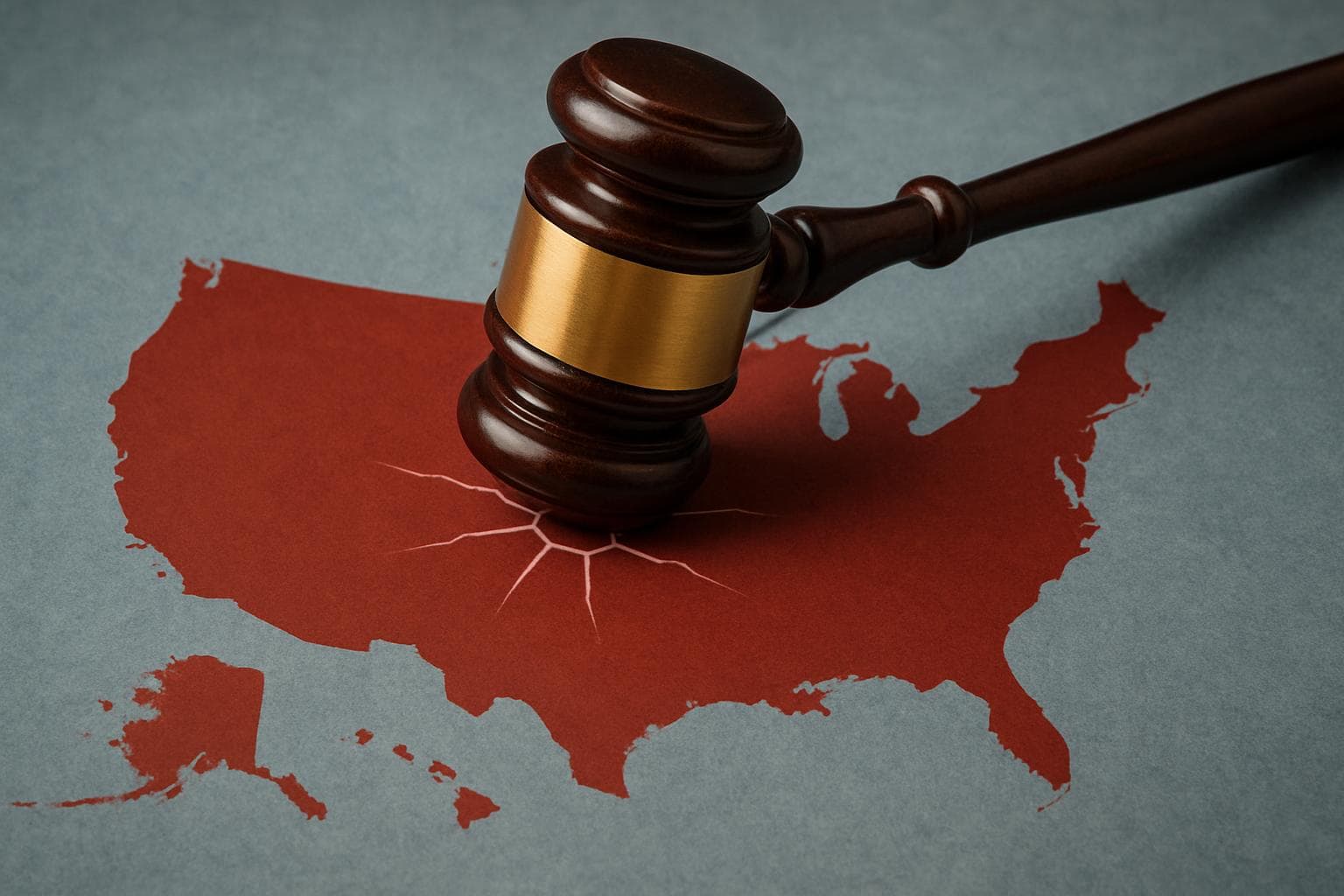
In a significant legal setback for former President Donald Trump, a US federal appeals court has ruled that the majority of his tariffs imposed on global trading partners are illegal. The decision, delivered by the US Court of Appeals for the Federal Circuit, found that Trump's actions overstepped the powers granted to the presidency under the International Emergency Economic Powers Act (IEEPA).
Court Challenges Presidential Tariff Powers
The court's 7-4 ruling, which will take effect on 14 October, determined that the tariffs, described as "unbounded in scope, amount, and duration," were not within the legal authority of the president. The court emphasized that the power to impose tariffs is a core Congressional responsibility, and the IEEPA does not grant the president the authority to levy such duties. The ruling responded to lawsuits filed by small businesses and a coalition of US states, which argued that the tariffs were economically damaging.
Trump's Response and Legal Implications
Reacting to the decision, Trump took to social media to express his disapproval, labeling the court's decision as politically biased and warning of dire economic consequences if the ruling stands. "If allowed to stand, this Decision would literally destroy the United States of America," Trump stated. He further asserted that tariffs are essential for protecting American workers and industries. The former president has indicated plans to appeal the decision to the Supreme Court.
Legal Context and Future Prospects
Trump's tariffs, which included a baseline 10% levy on numerous countries and "reciprocal" tariffs on others, were justified under national emergencies related to trade imbalances. However, the court found that the IEEPA does not explicitly mention tariffs, nor does it provide procedural safeguards to limit presidential power in this area. The ruling underscores the importance of Congressional oversight in trade policy, a point highlighted by the court's decision.
WHAT THIS MIGHT MEAN
The court's ruling sets the stage for a potential Supreme Court showdown, which could redefine the boundaries of presidential authority in trade matters. If the Supreme Court upholds the appeals court's decision, it may reinforce Congressional power over trade policy, potentially limiting future presidents' ability to unilaterally impose tariffs. Conversely, a reversal could embolden executive actions in trade, impacting US international relations and economic strategies. Legal experts suggest that this case could have far-reaching implications for the separation of powers and the interpretation of national emergency authorities.
Related Articles
Trump Raises Import Tariffs to 15% After Supreme Court Setback
Trump's New Tariff Strategy Sparks Global Trade Uncertainty

Tech Giants Pledge to Cover AI Data Center Energy Costs Amid Rising Electricity Concerns
Congress Subpoenas Attorney General Bondi in Epstein Investigation
Cuba Faces Widespread Blackout Amid Deepening Fuel Crisis

UK Faces Dilemmas Amid Iran Conflict and China Spying Allegations
US Court Rules Trump's Tariffs Exceed Presidential Authority
In This Article
 Daniel Rivera| Published
 HIGHLIGHTS
- A US federal appeals court ruled that most of Donald Trump's tariffs are illegal, citing overreach of presidential powers.
- The court's decision, which will take effect on 14 October, challenges Trump's use of the International Emergency Economic Powers Act.
- Trump criticized the ruling, claiming it would harm the US economy and vowed to appeal to the Supreme Court.
- The ruling stems from lawsuits by small businesses and states, arguing the tariffs were damaging to the economy.
- The court emphasized that imposing tariffs is a Congressional power, not within the president's mandate.
In a significant legal setback for former President Donald Trump, a US federal appeals court has ruled that the majority of his tariffs imposed on global trading partners are illegal. The decision, delivered by the US Court of Appeals for the Federal Circuit, found that Trump's actions overstepped the powers granted to the presidency under the International Emergency Economic Powers Act (IEEPA).
Court Challenges Presidential Tariff Powers
The court's 7-4 ruling, which will take effect on 14 October, determined that the tariffs, described as "unbounded in scope, amount, and duration," were not within the legal authority of the president. The court emphasized that the power to impose tariffs is a core Congressional responsibility, and the IEEPA does not grant the president the authority to levy such duties. The ruling responded to lawsuits filed by small businesses and a coalition of US states, which argued that the tariffs were economically damaging.
Trump's Response and Legal Implications
Reacting to the decision, Trump took to social media to express his disapproval, labeling the court's decision as politically biased and warning of dire economic consequences if the ruling stands. "If allowed to stand, this Decision would literally destroy the United States of America," Trump stated. He further asserted that tariffs are essential for protecting American workers and industries. The former president has indicated plans to appeal the decision to the Supreme Court.
Legal Context and Future Prospects
Trump's tariffs, which included a baseline 10% levy on numerous countries and "reciprocal" tariffs on others, were justified under national emergencies related to trade imbalances. However, the court found that the IEEPA does not explicitly mention tariffs, nor does it provide procedural safeguards to limit presidential power in this area. The ruling underscores the importance of Congressional oversight in trade policy, a point highlighted by the court's decision.
WHAT THIS MIGHT MEAN
The court's ruling sets the stage for a potential Supreme Court showdown, which could redefine the boundaries of presidential authority in trade matters. If the Supreme Court upholds the appeals court's decision, it may reinforce Congressional power over trade policy, potentially limiting future presidents' ability to unilaterally impose tariffs. Conversely, a reversal could embolden executive actions in trade, impacting US international relations and economic strategies. Legal experts suggest that this case could have far-reaching implications for the separation of powers and the interpretation of national emergency authorities.
Related Articles
Trump Raises Import Tariffs to 15% After Supreme Court Setback
Trump's New Tariff Strategy Sparks Global Trade Uncertainty
Tech Giants Pledge to Cover AI Data Center Energy Costs Amid Rising Electricity Concerns
Congress Subpoenas Attorney General Bondi in Epstein Investigation
Cuba Faces Widespread Blackout Amid Deepening Fuel Crisis
UK Faces Dilemmas Amid Iran Conflict and China Spying Allegations