
US Appeals Court Rules Trump's Tariffs Illegal, Setting Stage for Supreme Court Showdown

In This Article
HIGHLIGHTS
- A federal appeals court ruled that Donald Trump's tariffs were an overreach of presidential powers, violating the International Emergency Economic Powers Act.
- The court's decision, which maintains the tariffs until mid-October, sets the stage for a potential US Supreme Court review.
- Trump's tariffs, introduced in April with a 10% baseline, were deemed "unbounded in scope" and not authorized by Congress.
- The ruling could impact the US treasury, which has collected $159 billion in tariff revenue since their implementation.
- Trump criticized the ruling as "highly partisan" and a "disaster" for the country, asserting it could harm national security.
A federal appeals court has delivered a significant blow to former President Donald Trump's trade policies, ruling that his imposition of global tariffs exceeded the powers granted by the International Emergency Economic Powers Act (IEEPA). In a 7-4 decision, the US Court of Appeals found that the tariffs, which Trump introduced in April with a 10% baseline rate on imports from nearly all US trading partners, were not legally justified under the emergency powers act.
Legal Context and Implications
The court's decision upholds a previous ruling by the Court of International Trade, which rejected Trump's argument that the tariffs were necessary to address a national emergency. The judges emphasized that the IEEPA does not grant the president the authority to impose tariffs or taxes, a power typically reserved for Congress. The ruling highlighted that the tariffs were "unbounded in scope, amount, and duration," and thus invalid.
Tariffs and Economic Impact
Trump's tariffs, which he claimed were necessary to correct trade imbalances and protect national security, have been a cornerstone of his trade agenda. However, the court's decision means these measures will remain in place only until mid-October, allowing time for a potential appeal to the US Supreme Court. The tariffs have generated significant revenue, with the US treasury collecting $159 billion by July, but their legality remains in question.
Political Reactions
The ruling has sparked a strong reaction from Trump, who took to Truth Social to denounce the decision as "highly partisan" and a "disaster" for the United States. He argued that the tariffs were crucial for national security and warned that overturning them could have dire consequences for the country.
WHAT THIS MIGHT MEAN
The appeals court's ruling sets the stage for a potential showdown in the US Supreme Court, where the legality of Trump's tariffs will be scrutinized. If the Supreme Court upholds the lower court's decision, it could lead to significant changes in US trade policy and potentially require the government to refund billions in collected tariffs. Experts suggest that this case could redefine the limits of presidential power under the IEEPA, impacting future administrations' ability to unilaterally impose economic measures during national emergencies. As the legal battle unfolds, the outcome will likely have far-reaching implications for global trade relations and the balance of power between the executive and legislative branches in the United States.
Related Articles
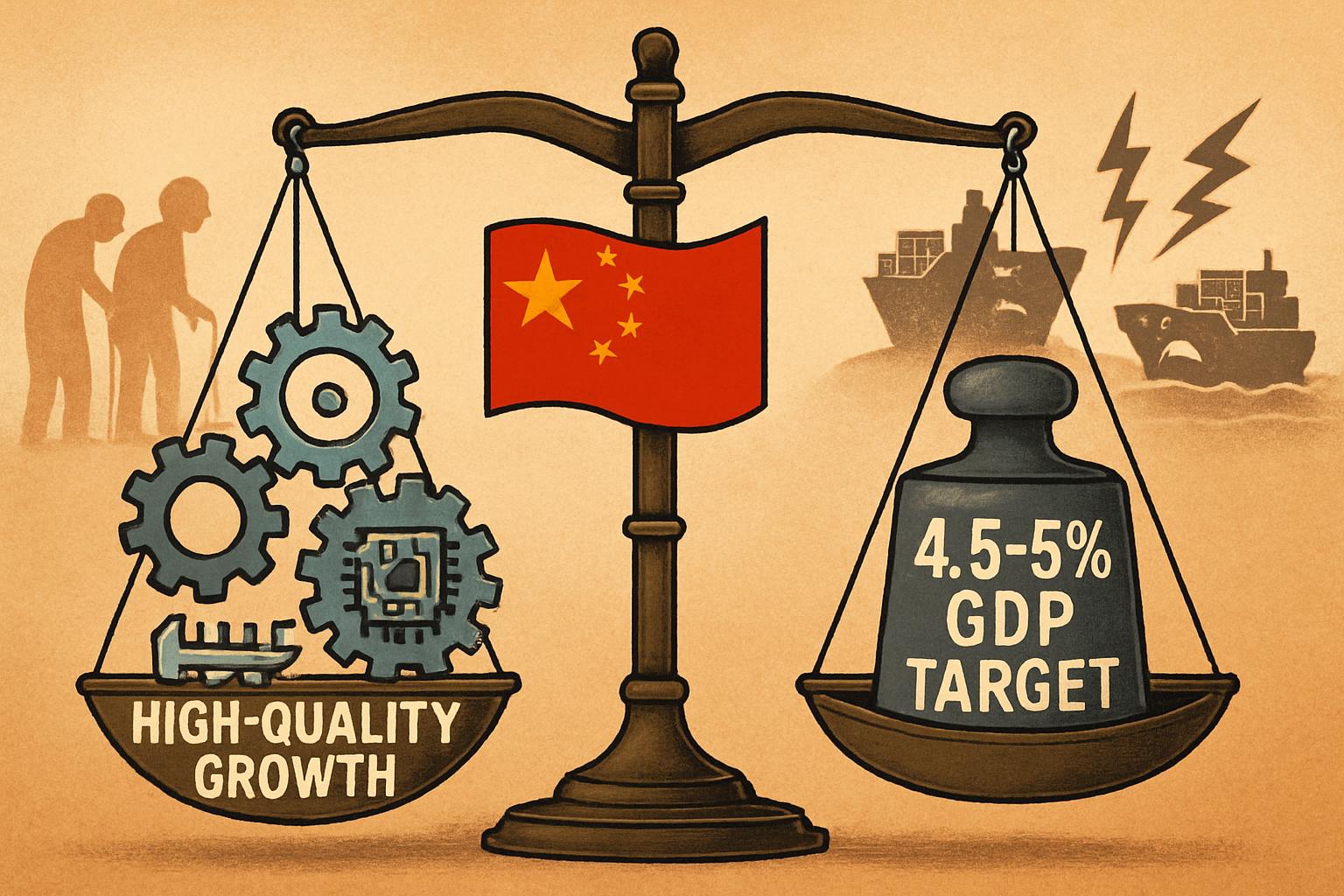
China Sets Lowest GDP Growth Target in Decades Amid Economic Challenges
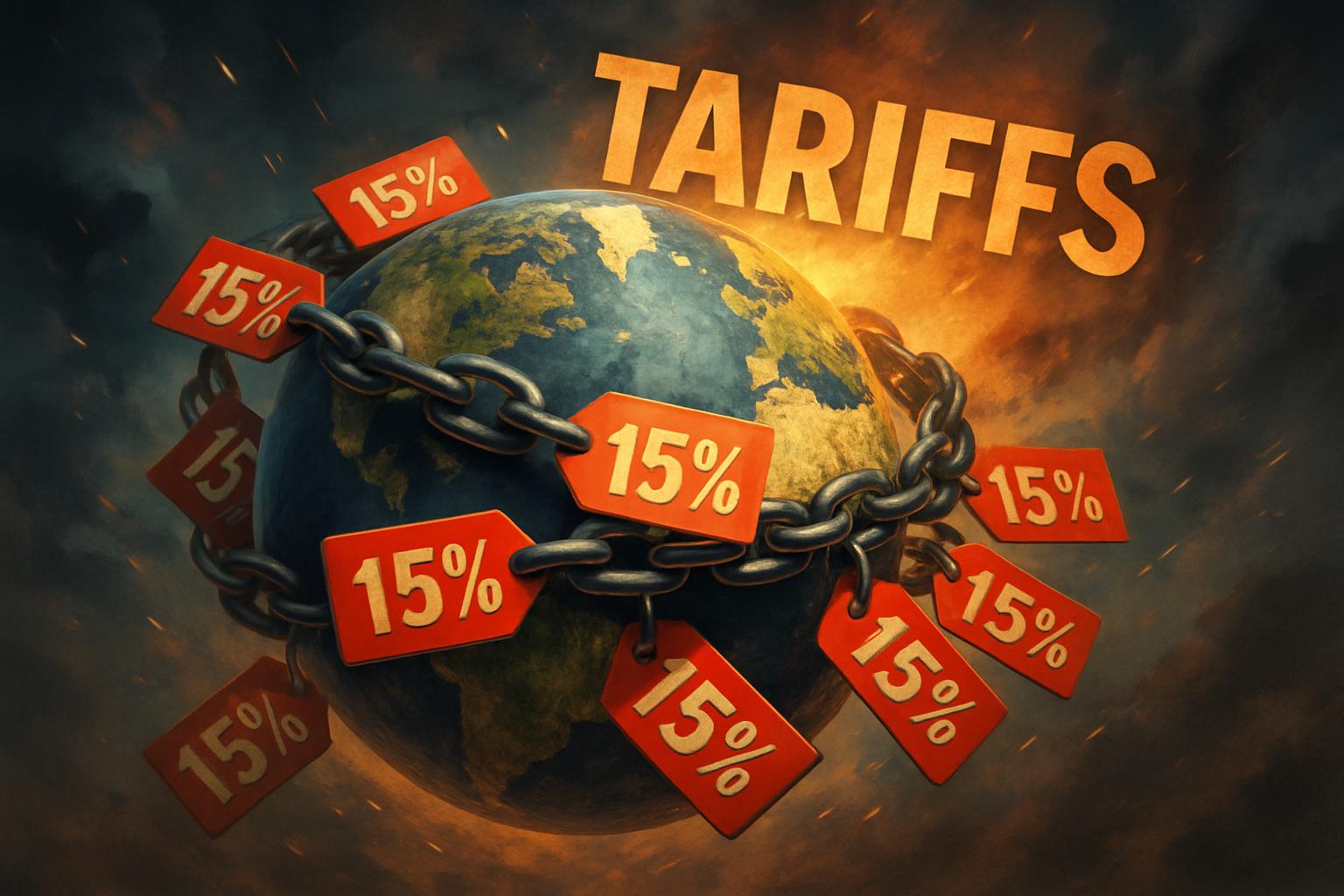
Trump's New Tariff Strategy Sparks Global Trade Uncertainty

Tech Giants Pledge to Cover AI Data Center Energy Costs Amid Rising Electricity Concerns
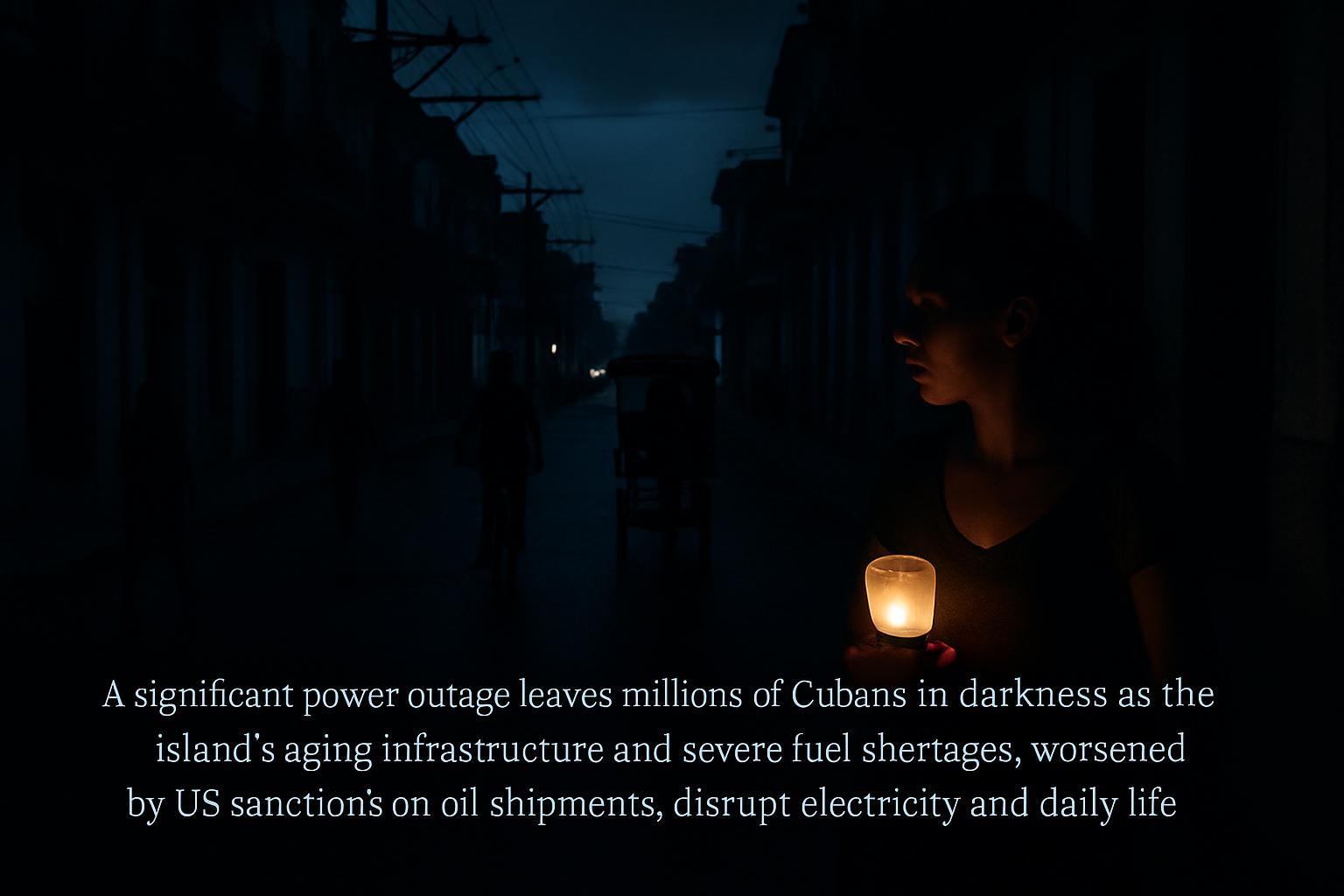
Cuba Faces Widespread Blackout Amid Deepening Fuel Crisis

UK Faces Dilemmas Amid Iran Conflict and China Spying Allegations
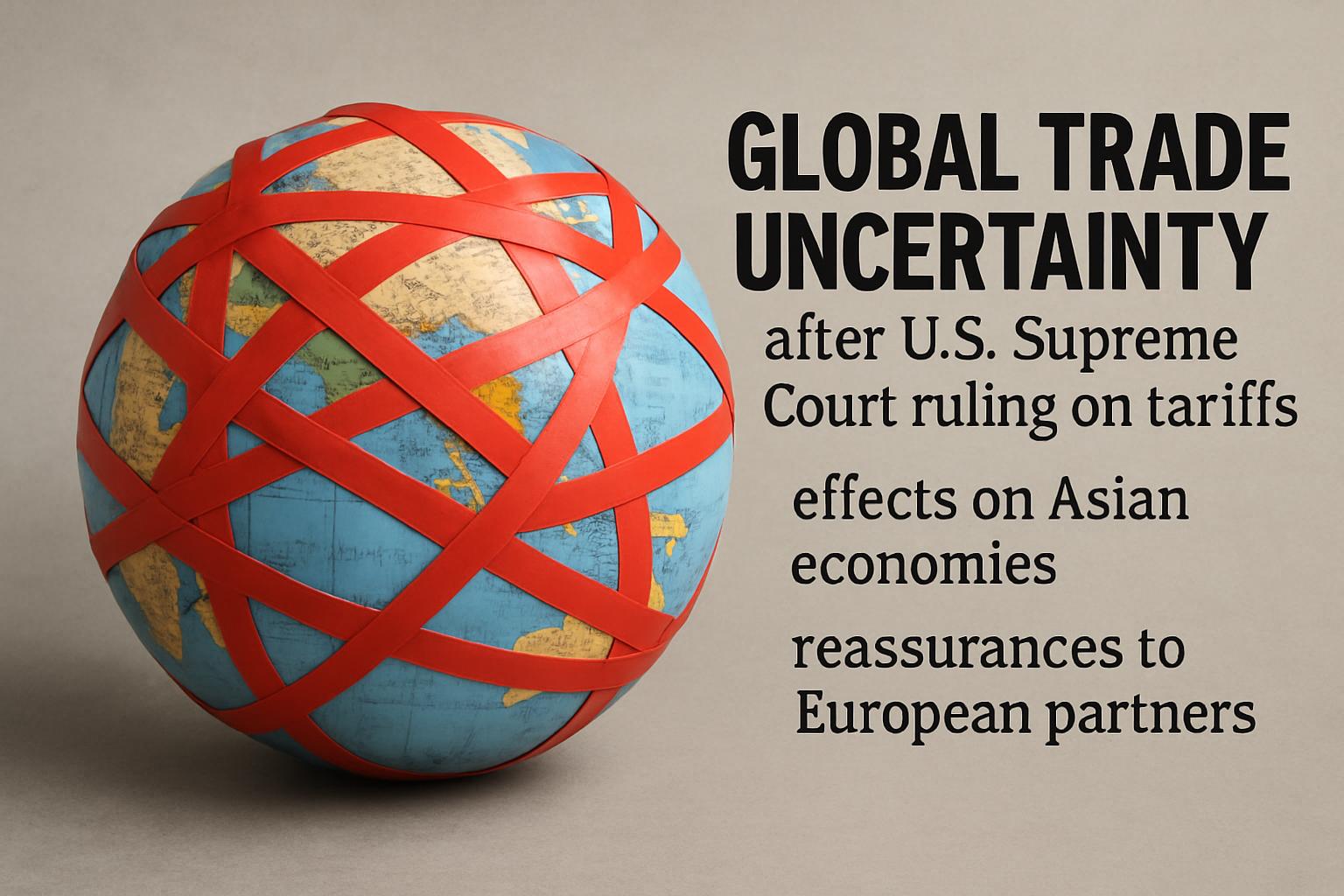
US Supreme Court Ruling Sparks Trade Uncertainty in Asia and Beyond
US Appeals Court Rules Trump's Tariffs Illegal, Setting Stage for Supreme Court Showdown
In This Article
 Daniel Rivera| Published
 HIGHLIGHTS
- A federal appeals court ruled that Donald Trump's tariffs were an overreach of presidential powers, violating the International Emergency Economic Powers Act.
- The court's decision, which maintains the tariffs until mid-October, sets the stage for a potential US Supreme Court review.
- Trump's tariffs, introduced in April with a 10% baseline, were deemed "unbounded in scope" and not authorized by Congress.
- The ruling could impact the US treasury, which has collected $159 billion in tariff revenue since their implementation.
- Trump criticized the ruling as "highly partisan" and a "disaster" for the country, asserting it could harm national security.
A federal appeals court has delivered a significant blow to former President Donald Trump's trade policies, ruling that his imposition of global tariffs exceeded the powers granted by the International Emergency Economic Powers Act (IEEPA). In a 7-4 decision, the US Court of Appeals found that the tariffs, which Trump introduced in April with a 10% baseline rate on imports from nearly all US trading partners, were not legally justified under the emergency powers act.
Legal Context and Implications
The court's decision upholds a previous ruling by the Court of International Trade, which rejected Trump's argument that the tariffs were necessary to address a national emergency. The judges emphasized that the IEEPA does not grant the president the authority to impose tariffs or taxes, a power typically reserved for Congress. The ruling highlighted that the tariffs were "unbounded in scope, amount, and duration," and thus invalid.
Tariffs and Economic Impact
Trump's tariffs, which he claimed were necessary to correct trade imbalances and protect national security, have been a cornerstone of his trade agenda. However, the court's decision means these measures will remain in place only until mid-October, allowing time for a potential appeal to the US Supreme Court. The tariffs have generated significant revenue, with the US treasury collecting $159 billion by July, but their legality remains in question.
Political Reactions
The ruling has sparked a strong reaction from Trump, who took to Truth Social to denounce the decision as "highly partisan" and a "disaster" for the United States. He argued that the tariffs were crucial for national security and warned that overturning them could have dire consequences for the country.
WHAT THIS MIGHT MEAN
The appeals court's ruling sets the stage for a potential showdown in the US Supreme Court, where the legality of Trump's tariffs will be scrutinized. If the Supreme Court upholds the lower court's decision, it could lead to significant changes in US trade policy and potentially require the government to refund billions in collected tariffs. Experts suggest that this case could redefine the limits of presidential power under the IEEPA, impacting future administrations' ability to unilaterally impose economic measures during national emergencies. As the legal battle unfolds, the outcome will likely have far-reaching implications for global trade relations and the balance of power between the executive and legislative branches in the United States.
Related Articles
China Sets Lowest GDP Growth Target in Decades Amid Economic Challenges
Trump's New Tariff Strategy Sparks Global Trade Uncertainty
Tech Giants Pledge to Cover AI Data Center Energy Costs Amid Rising Electricity Concerns
Cuba Faces Widespread Blackout Amid Deepening Fuel Crisis
UK Faces Dilemmas Amid Iran Conflict and China Spying Allegations
US Supreme Court Ruling Sparks Trade Uncertainty in Asia and Beyond