
Covid-19 Inquiry Exposes Care Home Struggles and Calls for Reform
In This Article
HIGHLIGHTS
- The Covid-19 inquiry has highlighted significant challenges faced by care homes during the pandemic, including lack of testing and protective equipment.
- Gregory McQuitty shared a personal account of losing his father, Ivor McQuitty, during the pandemic, emphasizing the emotional toll on bereaved families.
- Former Health Secretary Matt Hancock defended his decision to discharge untested patients into care homes, citing it as the "least worst decision."
- The inquiry revealed that care home staff faced "clinical abandonment," with inadequate support and resources to manage Covid-19 outbreaks.
- Calls for reform in the care sector have intensified, with demands for better wages and recognition for social care staff.
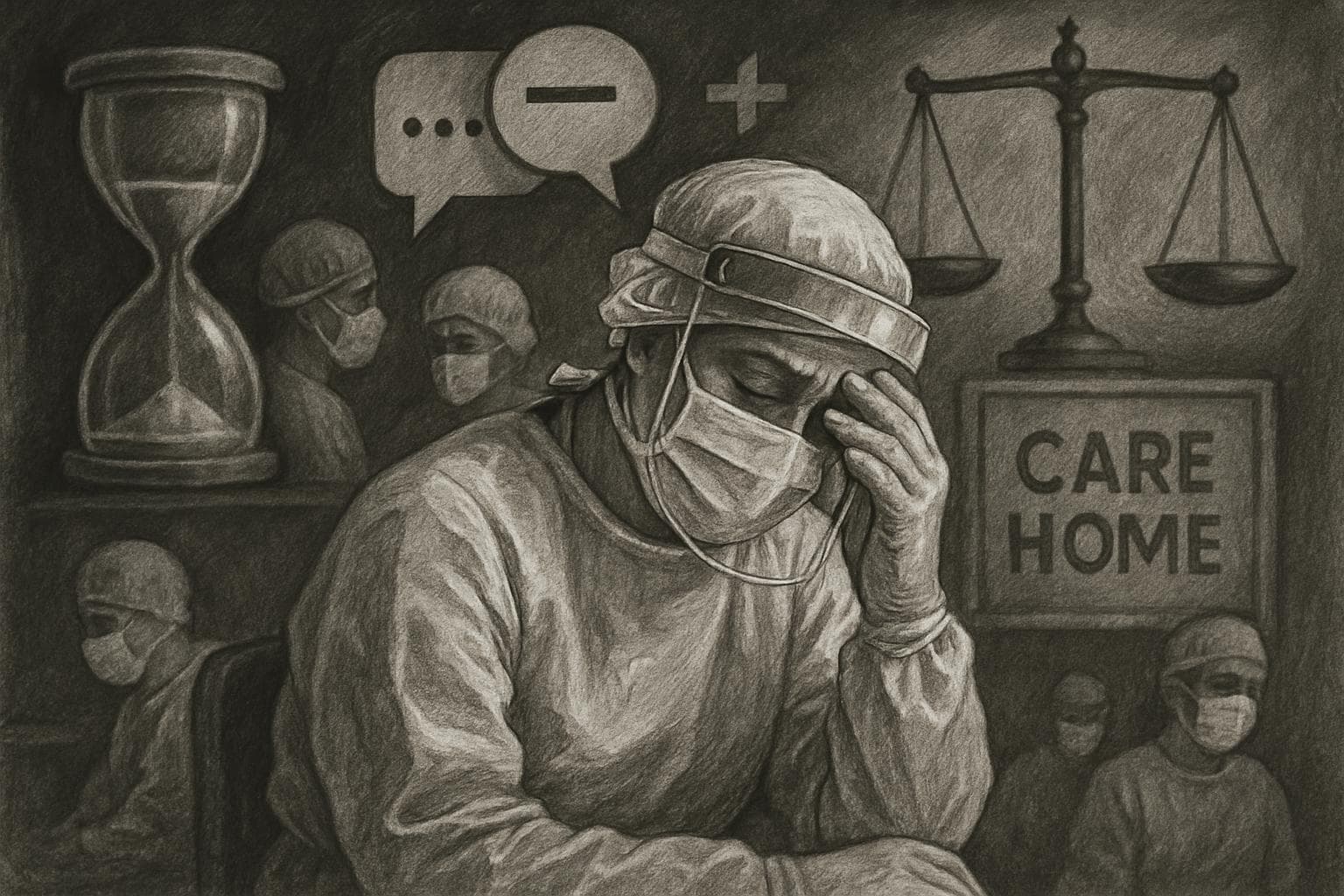
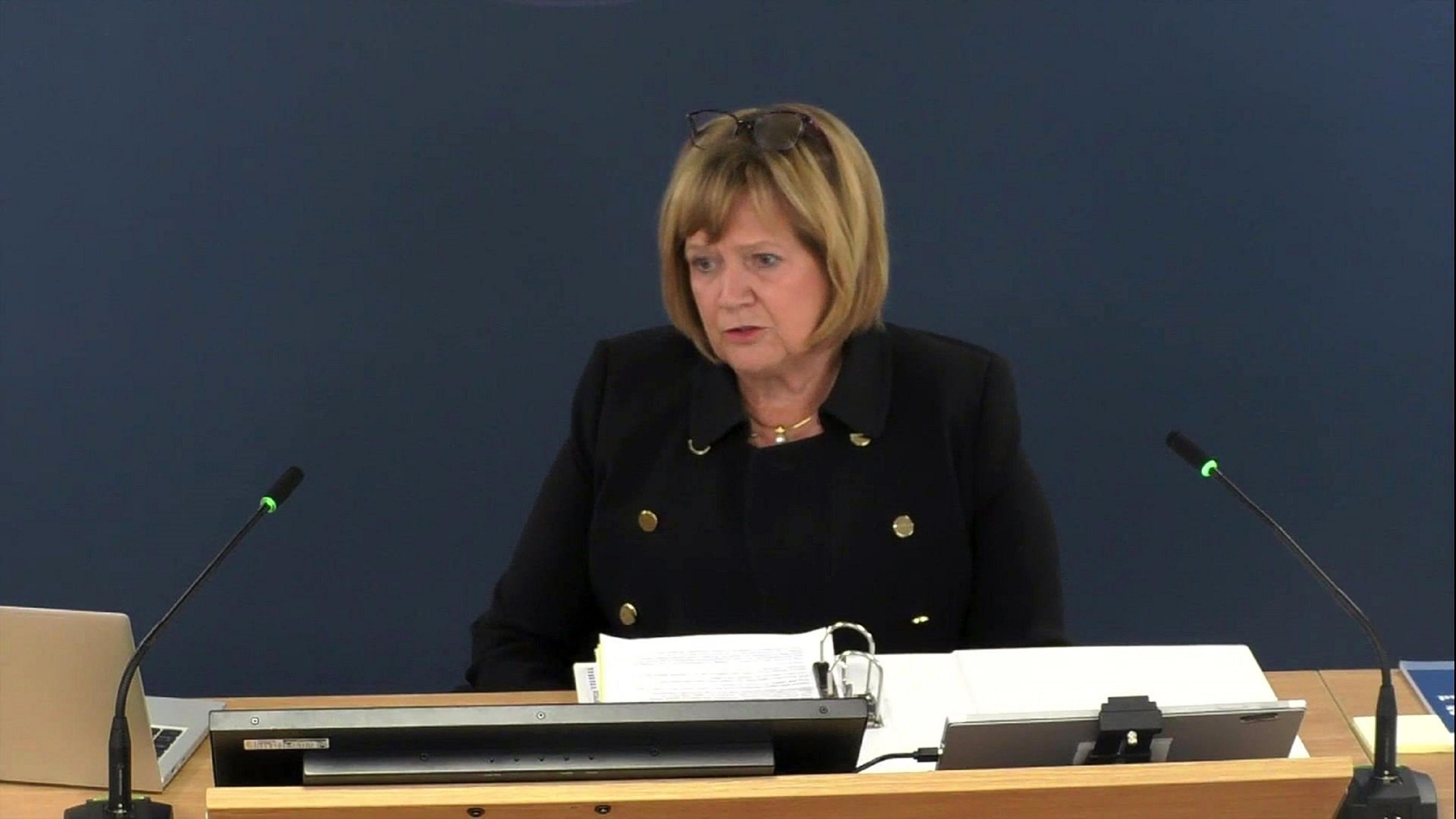
The ongoing Covid-19 inquiry has brought to light the severe challenges faced by care homes during the pandemic, as families and care workers recount their harrowing experiences. Over the past five weeks, the inquiry has heard testimonies from bereaved families and care sector representatives, shedding light on the lack of testing, protective equipment, and the controversial decisions that exacerbated the crisis.
Personal Stories of Loss
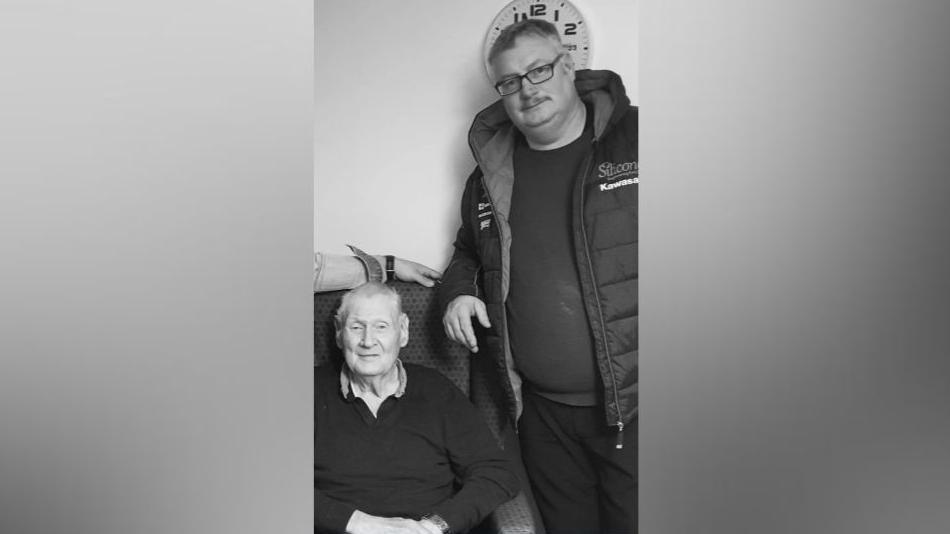
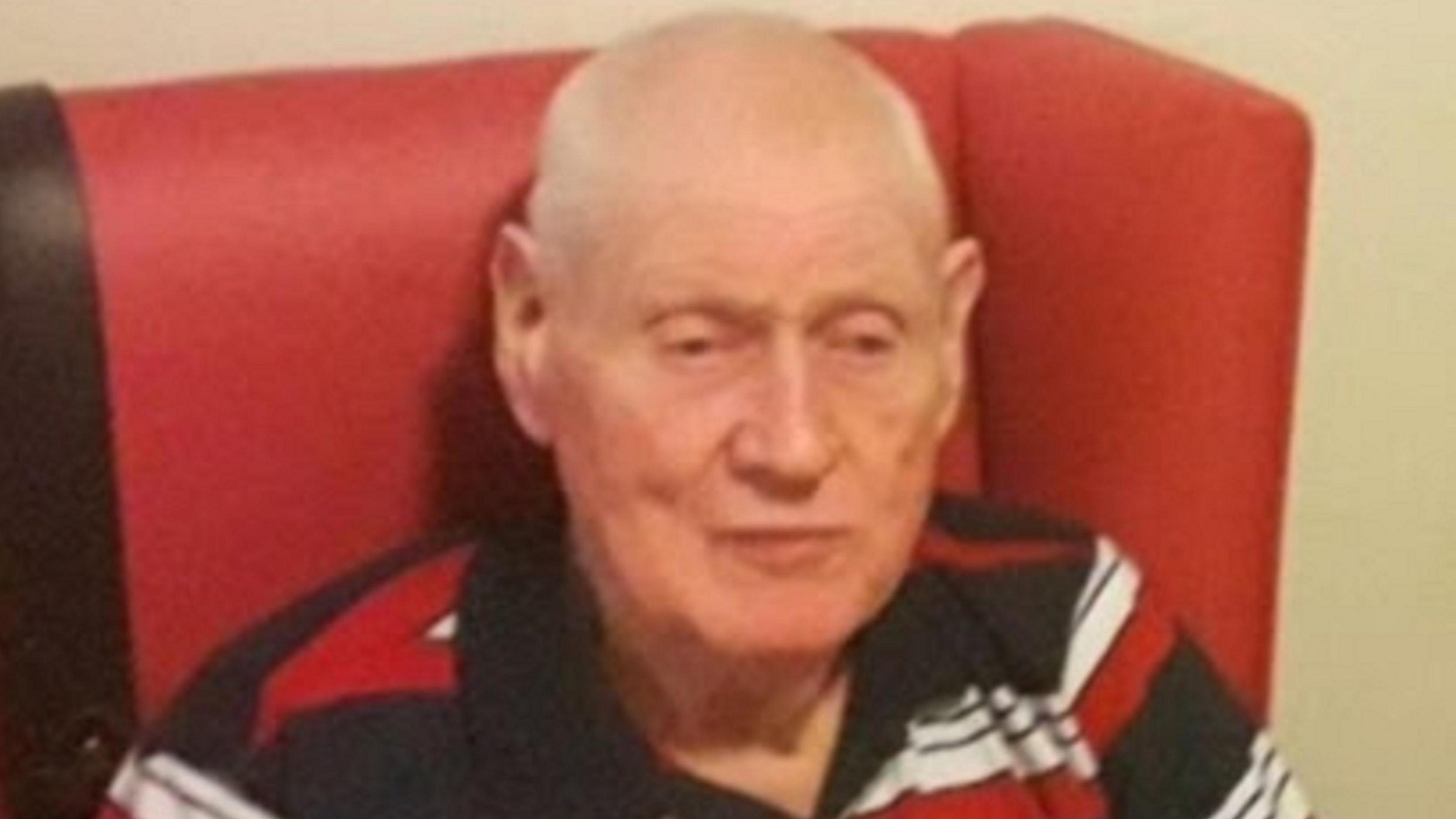
Gregory McQuitty, from County Antrim, shared the poignant story of his father, Ivor McQuitty, who passed away in May 2020. Ivor, who was 84 and suffered from dementia, died from Covid-19 in a hospital after his care home closed its doors to families without notice. Gregory described his father as a model of honesty and hard work, expressing the deep emotional impact of being unable to see him before his death. "There are so many unanswered questions around my father's death," Gregory told the inquiry, highlighting the communication failures between the care home and his family.
Government Decisions Under Scrutiny
The inquiry also scrutinized the decisions made by former Health Secretary Matt Hancock, particularly his choice to discharge untested patients into care homes. Hancock defended the move as the "least worst decision," aligning with medical guidance at the time. However, bereaved groups criticized his testimony as lacking accountability, with one civil servant describing the resulting 46,000 deaths in the care sector as a "generational slaughter."
Care Home Staff and Resource Challenges
Testimonies from care home staff painted a grim picture of "clinical abandonment," as they struggled to provide care without adequate resources. Helen Louise Hough, a care home manager, recounted the distressing conditions, including being denied oxygen prescriptions for residents and the lack of GP support. The emotional toll on staff was immense, with many working long hours and living on-site to minimize infection risks.
Calls for Reform
The inquiry has intensified calls for reform in the care sector, with advocates demanding better wages and recognition for social care staff. The Northern Ireland Bereaved Families for Justice emphasized the need for systemic change, as the inquiry revealed persistent disparities between health and social care.
WHAT THIS MIGHT MEAN
As the Covid-19 inquiry continues, its findings could lead to significant policy changes in the care sector. The testimonies have highlighted the urgent need for improved resources and support for care homes, potentially prompting government action to address these gaps. The inquiry's revelations may also influence public health strategies, ensuring better preparedness for future pandemics. Experts suggest that accountability and transparency will be crucial in rebuilding trust and implementing effective reforms in the care sector.
Images from the Web
Related Articles
RFK Jr. Halts $500 Million in mRNA Vaccine Research Amid Safety Concerns
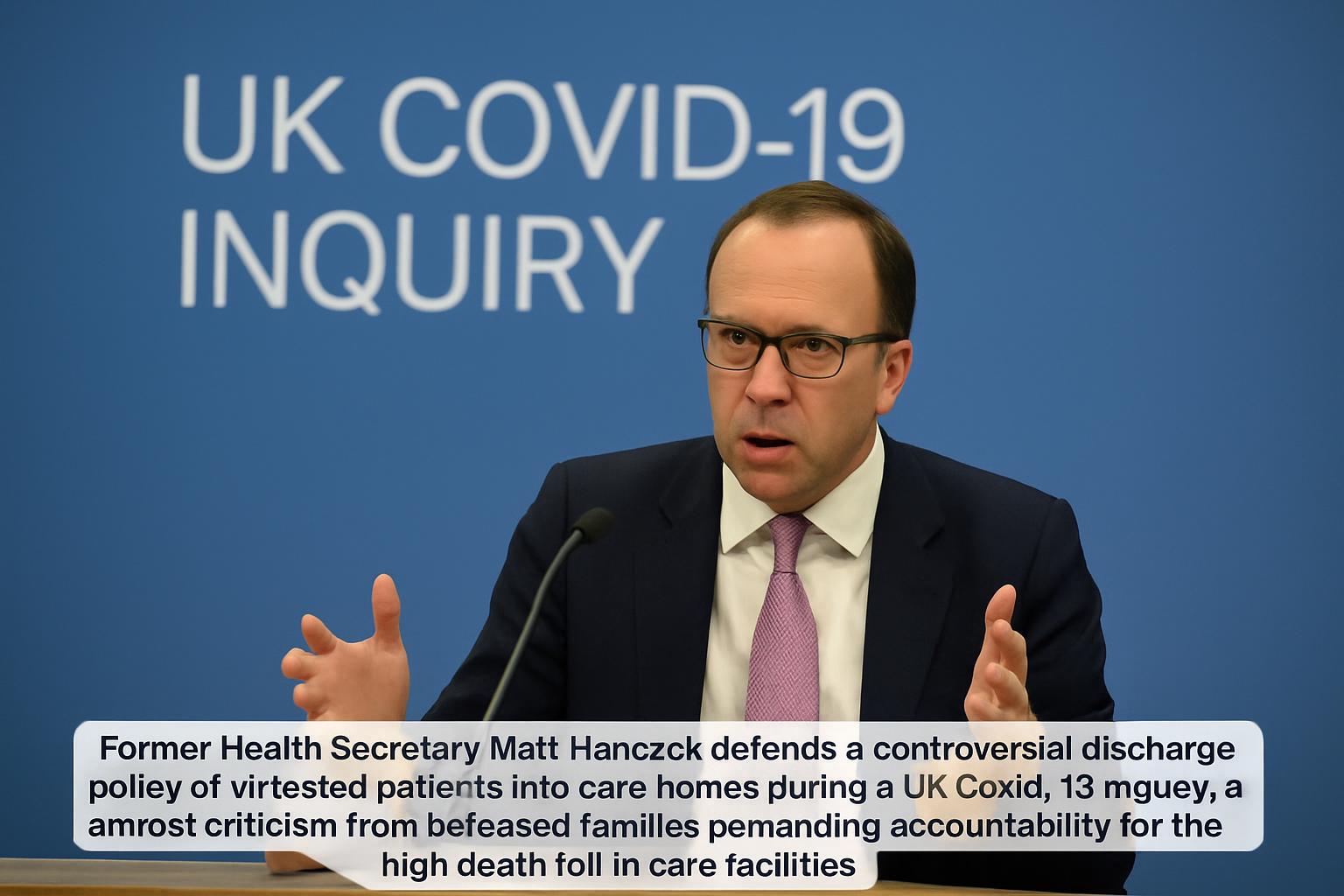
Matt Hancock Defends Controversial Care Home Policy Amidst Criticism from Bereaved Families

Pipe Bomb Discoveries in County Antrim and Canberra Spark Major Security Alerts

Charges Dropped Against Romanian Teens Amid Ballymena Riot Fallout
UK Covid Inquiry Reveals Toxic Culture Under Boris Johnson's Leadership
Covid Inquiry Exposes Leadership Failures and Missed Opportunities in UK's Pandemic Response
Covid-19 Inquiry Exposes Care Home Struggles and Calls for Reform
In This Article
 Maya Singh| Published
 HIGHLIGHTS
- The Covid-19 inquiry has highlighted significant challenges faced by care homes during the pandemic, including lack of testing and protective equipment.
- Gregory McQuitty shared a personal account of losing his father, Ivor McQuitty, during the pandemic, emphasizing the emotional toll on bereaved families.
- Former Health Secretary Matt Hancock defended his decision to discharge untested patients into care homes, citing it as the "least worst decision."
- The inquiry revealed that care home staff faced "clinical abandonment," with inadequate support and resources to manage Covid-19 outbreaks.
- Calls for reform in the care sector have intensified, with demands for better wages and recognition for social care staff.
The ongoing Covid-19 inquiry has brought to light the severe challenges faced by care homes during the pandemic, as families and care workers recount their harrowing experiences. Over the past five weeks, the inquiry has heard testimonies from bereaved families and care sector representatives, shedding light on the lack of testing, protective equipment, and the controversial decisions that exacerbated the crisis.
Personal Stories of Loss
Gregory McQuitty, from County Antrim, shared the poignant story of his father, Ivor McQuitty, who passed away in May 2020. Ivor, who was 84 and suffered from dementia, died from Covid-19 in a hospital after his care home closed its doors to families without notice. Gregory described his father as a model of honesty and hard work, expressing the deep emotional impact of being unable to see him before his death. "There are so many unanswered questions around my father's death," Gregory told the inquiry, highlighting the communication failures between the care home and his family.
Government Decisions Under Scrutiny
The inquiry also scrutinized the decisions made by former Health Secretary Matt Hancock, particularly his choice to discharge untested patients into care homes. Hancock defended the move as the "least worst decision," aligning with medical guidance at the time. However, bereaved groups criticized his testimony as lacking accountability, with one civil servant describing the resulting 46,000 deaths in the care sector as a "generational slaughter."
Care Home Staff and Resource Challenges
Testimonies from care home staff painted a grim picture of "clinical abandonment," as they struggled to provide care without adequate resources. Helen Louise Hough, a care home manager, recounted the distressing conditions, including being denied oxygen prescriptions for residents and the lack of GP support. The emotional toll on staff was immense, with many working long hours and living on-site to minimize infection risks.
Calls for Reform
The inquiry has intensified calls for reform in the care sector, with advocates demanding better wages and recognition for social care staff. The Northern Ireland Bereaved Families for Justice emphasized the need for systemic change, as the inquiry revealed persistent disparities between health and social care.
WHAT THIS MIGHT MEAN
As the Covid-19 inquiry continues, its findings could lead to significant policy changes in the care sector. The testimonies have highlighted the urgent need for improved resources and support for care homes, potentially prompting government action to address these gaps. The inquiry's revelations may also influence public health strategies, ensuring better preparedness for future pandemics. Experts suggest that accountability and transparency will be crucial in rebuilding trust and implementing effective reforms in the care sector.
Images from the Web
Related Articles
RFK Jr. Halts $500 Million in mRNA Vaccine Research Amid Safety Concerns
Matt Hancock Defends Controversial Care Home Policy Amidst Criticism from Bereaved Families
Pipe Bomb Discoveries in County Antrim and Canberra Spark Major Security Alerts
Charges Dropped Against Romanian Teens Amid Ballymena Riot Fallout
UK Covid Inquiry Reveals Toxic Culture Under Boris Johnson's Leadership
Covid Inquiry Exposes Leadership Failures and Missed Opportunities in UK's Pandemic Response