
UK Covid Inquiry Reveals Toxic Culture Under Boris Johnson's Leadership
In This Article
HIGHLIGHTS
- A UK Covid inquiry found Boris Johnson's leadership fostered a "toxic and chaotic" culture, impacting pandemic response.
- Dominic Cummings, Johnson's former adviser, was a "destabilising influence," contributing to a sexist workplace environment.
- The report criticizes Matt Hancock for "overpromising and underdelivering" during his tenure as health secretary.
- Johnson's indecisiveness and failure to control Cummings exacerbated decision-making issues, the inquiry concluded.
- Cummings and Johnson's actions, including the Barnard Castle incident, undermined public trust in health measures.
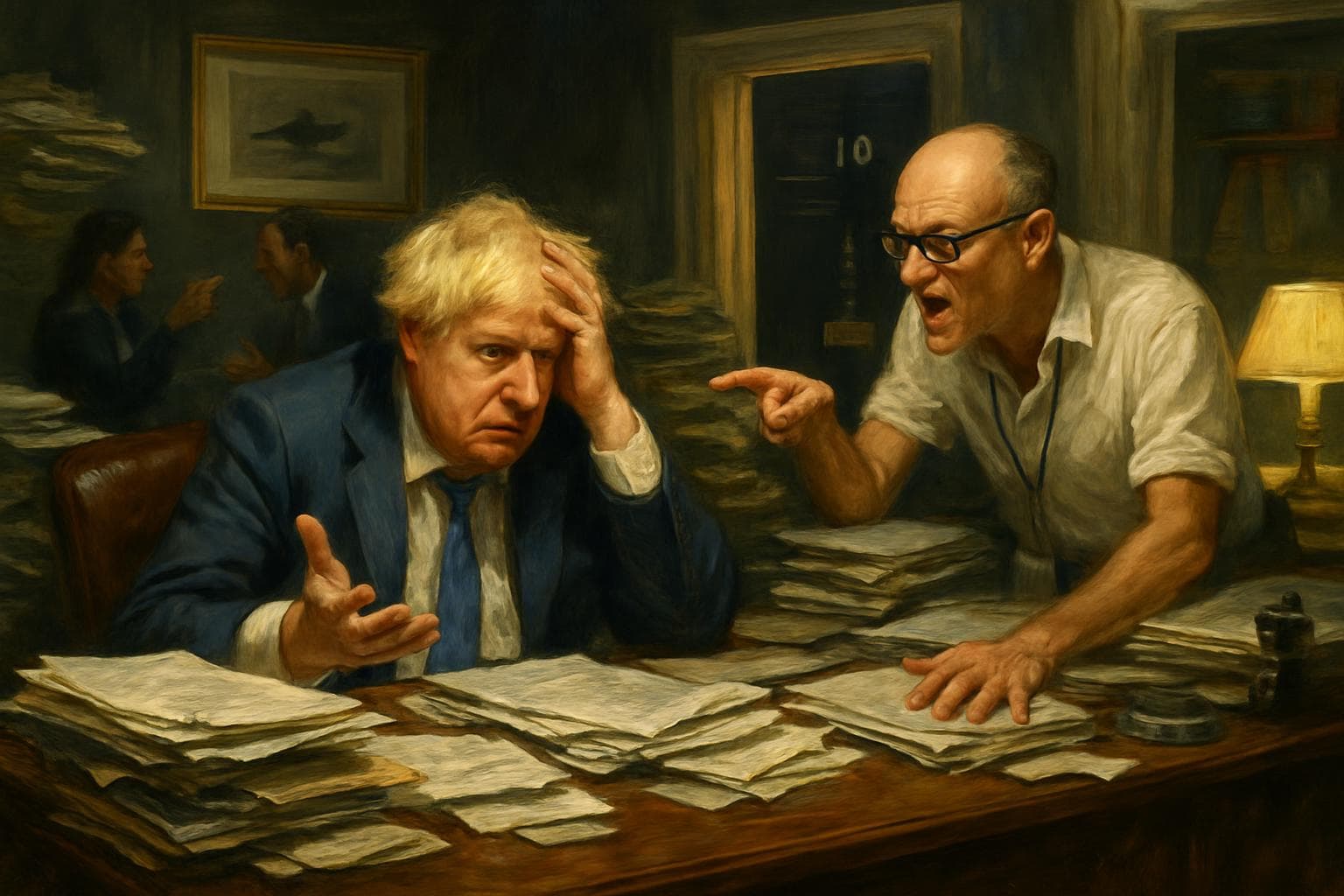
A comprehensive inquiry into the UK government's handling of the Covid-19 pandemic has unveiled a "toxic and chaotic" culture within Boris Johnson's administration, significantly hindering effective decision-making. The inquiry, led by Baroness Hallett, highlights the detrimental impact of former Prime Minister Johnson's leadership style and the role of his chief adviser, Dominic Cummings, during the crisis.
Leadership Failures and Toxic Environment
The inquiry's findings paint a damning picture of the atmosphere in Downing Street, where Cummings is accused of fostering a "toxic and sexist" workplace culture. His use of offensive and misogynistic language, coupled with his overreach in decision-making, created a destabilizing environment. The report notes that Johnson appeared content with Cummings' influence, failing to exercise proper leadership to rectify the situation.
Baroness Hallett's report criticizes Johnson for his indecisiveness, which led to delayed decisions at critical moments. His tendency to oscillate on restrictions allowed the virus to spread more rapidly, undermining public health efforts. The inquiry also highlights Johnson's over-optimistic public statements, which conflicted with official health advice.
Criticism of Key Figures
Matt Hancock, the former health secretary, is also scrutinized in the report for his reputation of "overpromising and underdelivering." Concerns about his truthfulness and reliability in government meetings were noted, with civil servants often needing to verify his claims. Hancock's approach during the pandemic lacked the necessary candor about the scale of the crisis, according to the inquiry.
Cummings, despite his controversial role, was instrumental in initiating strategy meetings and the creation of the Covid-19 Taskforce, which improved government coordination. However, his actions, including the infamous Barnard Castle trip, severely damaged public confidence in the government's health measures.
Public Trust and Accountability
The inquiry underscores the importance of trust and transparency in government during emergencies. Cummings' and Johnson's actions, including the "partygate" gatherings, eroded public confidence and increased non-compliance with health guidelines. Cummings has criticized the inquiry, accusing it of rewriting history and failing to challenge scientific narratives.
As the report continues to reverberate through political circles, Johnson has yet to respond to its findings, while Hancock's resignation remains a significant footnote in the pandemic's political fallout.
WHAT THIS MIGHT MEAN
The inquiry's findings could have lasting implications for the UK's political landscape, potentially influencing future leadership styles and crisis management strategies. The report may prompt calls for greater accountability and transparency in government, particularly during national emergencies. As public trust remains fragile, the political ramifications of these revelations could shape upcoming elections and policy decisions. Experts suggest that addressing the cultural issues highlighted in the report is crucial for restoring confidence in government institutions and ensuring more effective responses to future crises.
Related Articles
Diplomatic Tensions Rise as Trump Criticizes Starmer's Iran Policy

UK Government to Reform Asylum Seeker Support and Employment Policies

UK Faces Dilemmas Amid Iran Conflict and China Spying Allegations

UK Reinforces Military Presence in Cyprus Amid Middle East Tensions

UK-Iran Tensions: Starmer Defends Cautious Approach Amid Trump Criticism
Persistent Safety Concerns in Nottingham Maternity Services Amidst Calls for Systemic Reform
UK Covid Inquiry Reveals Toxic Culture Under Boris Johnson's Leadership
In This Article
 Ethan Brooks| Published
 HIGHLIGHTS
- A UK Covid inquiry found Boris Johnson's leadership fostered a "toxic and chaotic" culture, impacting pandemic response.
- Dominic Cummings, Johnson's former adviser, was a "destabilising influence," contributing to a sexist workplace environment.
- The report criticizes Matt Hancock for "overpromising and underdelivering" during his tenure as health secretary.
- Johnson's indecisiveness and failure to control Cummings exacerbated decision-making issues, the inquiry concluded.
- Cummings and Johnson's actions, including the Barnard Castle incident, undermined public trust in health measures.
A comprehensive inquiry into the UK government's handling of the Covid-19 pandemic has unveiled a "toxic and chaotic" culture within Boris Johnson's administration, significantly hindering effective decision-making. The inquiry, led by Baroness Hallett, highlights the detrimental impact of former Prime Minister Johnson's leadership style and the role of his chief adviser, Dominic Cummings, during the crisis.
Leadership Failures and Toxic Environment
The inquiry's findings paint a damning picture of the atmosphere in Downing Street, where Cummings is accused of fostering a "toxic and sexist" workplace culture. His use of offensive and misogynistic language, coupled with his overreach in decision-making, created a destabilizing environment. The report notes that Johnson appeared content with Cummings' influence, failing to exercise proper leadership to rectify the situation.
Baroness Hallett's report criticizes Johnson for his indecisiveness, which led to delayed decisions at critical moments. His tendency to oscillate on restrictions allowed the virus to spread more rapidly, undermining public health efforts. The inquiry also highlights Johnson's over-optimistic public statements, which conflicted with official health advice.
Criticism of Key Figures
Matt Hancock, the former health secretary, is also scrutinized in the report for his reputation of "overpromising and underdelivering." Concerns about his truthfulness and reliability in government meetings were noted, with civil servants often needing to verify his claims. Hancock's approach during the pandemic lacked the necessary candor about the scale of the crisis, according to the inquiry.
Cummings, despite his controversial role, was instrumental in initiating strategy meetings and the creation of the Covid-19 Taskforce, which improved government coordination. However, his actions, including the infamous Barnard Castle trip, severely damaged public confidence in the government's health measures.
Public Trust and Accountability
The inquiry underscores the importance of trust and transparency in government during emergencies. Cummings' and Johnson's actions, including the "partygate" gatherings, eroded public confidence and increased non-compliance with health guidelines. Cummings has criticized the inquiry, accusing it of rewriting history and failing to challenge scientific narratives.
As the report continues to reverberate through political circles, Johnson has yet to respond to its findings, while Hancock's resignation remains a significant footnote in the pandemic's political fallout.
WHAT THIS MIGHT MEAN
The inquiry's findings could have lasting implications for the UK's political landscape, potentially influencing future leadership styles and crisis management strategies. The report may prompt calls for greater accountability and transparency in government, particularly during national emergencies. As public trust remains fragile, the political ramifications of these revelations could shape upcoming elections and policy decisions. Experts suggest that addressing the cultural issues highlighted in the report is crucial for restoring confidence in government institutions and ensuring more effective responses to future crises.
Related Articles
Diplomatic Tensions Rise as Trump Criticizes Starmer's Iran Policy
UK Government to Reform Asylum Seeker Support and Employment Policies
UK Faces Dilemmas Amid Iran Conflict and China Spying Allegations
UK Reinforces Military Presence in Cyprus Amid Middle East Tensions
UK-Iran Tensions: Starmer Defends Cautious Approach Amid Trump Criticism
Persistent Safety Concerns in Nottingham Maternity Services Amidst Calls for Systemic Reform