
Matt Hancock Defends Controversial Care Home Policy Amidst Criticism from Bereaved Families
In This Article
HIGHLIGHTS
- Former Health Secretary Matt Hancock defended the decision to discharge untested patients into care homes during the early Covid-19 pandemic as "the least worst solution."
- Bereaved families criticized Hancock's testimony as lacking accountability, accusing him of making excuses and evading responsibility.
- The discharge policy, later deemed illegal by a high court, was said to be driven by NHS leadership, though Hancock accepted responsibility.
- Over 43,000 care home residents died with Covid in England between March 2020 and January 2022, highlighting the policy's impact.
- The Covid inquiry's current focus on care homes is expected to be emotionally charged, with calls for more accountability from decision-makers.
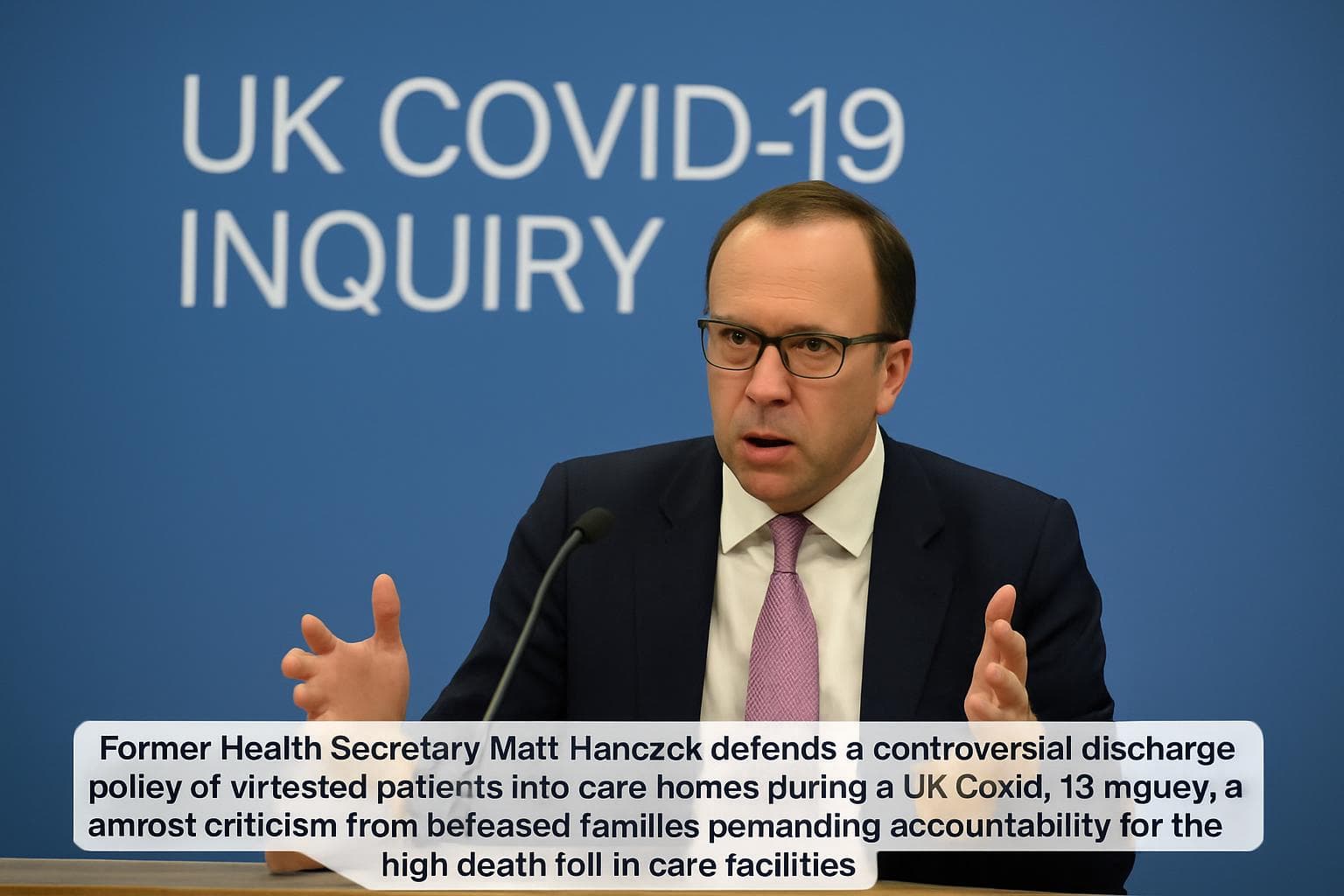
In a contentious session at the UK Covid-19 inquiry, former Health Secretary Matt Hancock defended the government's decision to discharge untested hospital patients into care homes during the early stages of the pandemic. Hancock described the move as "the least worst solution" available to prevent the NHS from being overwhelmed, despite the policy's later classification as illegal by a high court.
Discharge Policy Under Scrutiny
The decision to rapidly discharge patients without Covid-19 testing was aimed at freeing up hospital beds but has been heavily criticized for contributing to the spread of the virus in care homes. Between March 2020 and January 2022, over 43,000 care home residents in England died with Covid, many in the pandemic's initial weeks. Hancock acknowledged the policy's contentious nature, stating, "Nobody has yet provided me with an alternative that would have saved more lives."
Families Demand Accountability
Bereaved families, represented by Covid-19 Bereaved Families for Justice UK, expressed disappointment with Hancock's testimony, accusing him of evading responsibility. A spokesperson for the group stated, "Our loved ones were left to die without PPE, without testing or protection. Other countries protected their care homes. Ours were abandoned." The group criticized Hancock's claim of being powerless to change life-saving guidance as implausible.
Legal and Leadership Context
Hancock attributed the discharge policy to a formal government decision, driven by then NHS Chief Executive Simon Stevens, though he accepted responsibility for its implementation. The high court's ruling against the policy was described by Hancock as "very frustrating," suggesting the outcome might have differed had he been involved in the legal proceedings. Stevens, however, is not scheduled to testify at the inquiry, despite calls for his input.
WHAT THIS MIGHT MEAN
As the Covid-19 inquiry continues to delve into the government's handling of the pandemic, particularly concerning care homes, the focus on accountability and decision-making processes is likely to intensify. The inquiry's findings could have significant implications for public trust in health policy and governance. Experts suggest that the inquiry may prompt a reevaluation of crisis management strategies and lead to more stringent oversight of public health decisions. The emotional testimonies from bereaved families underscore the need for transparency and accountability in addressing past failures and preventing future ones.
Related Articles
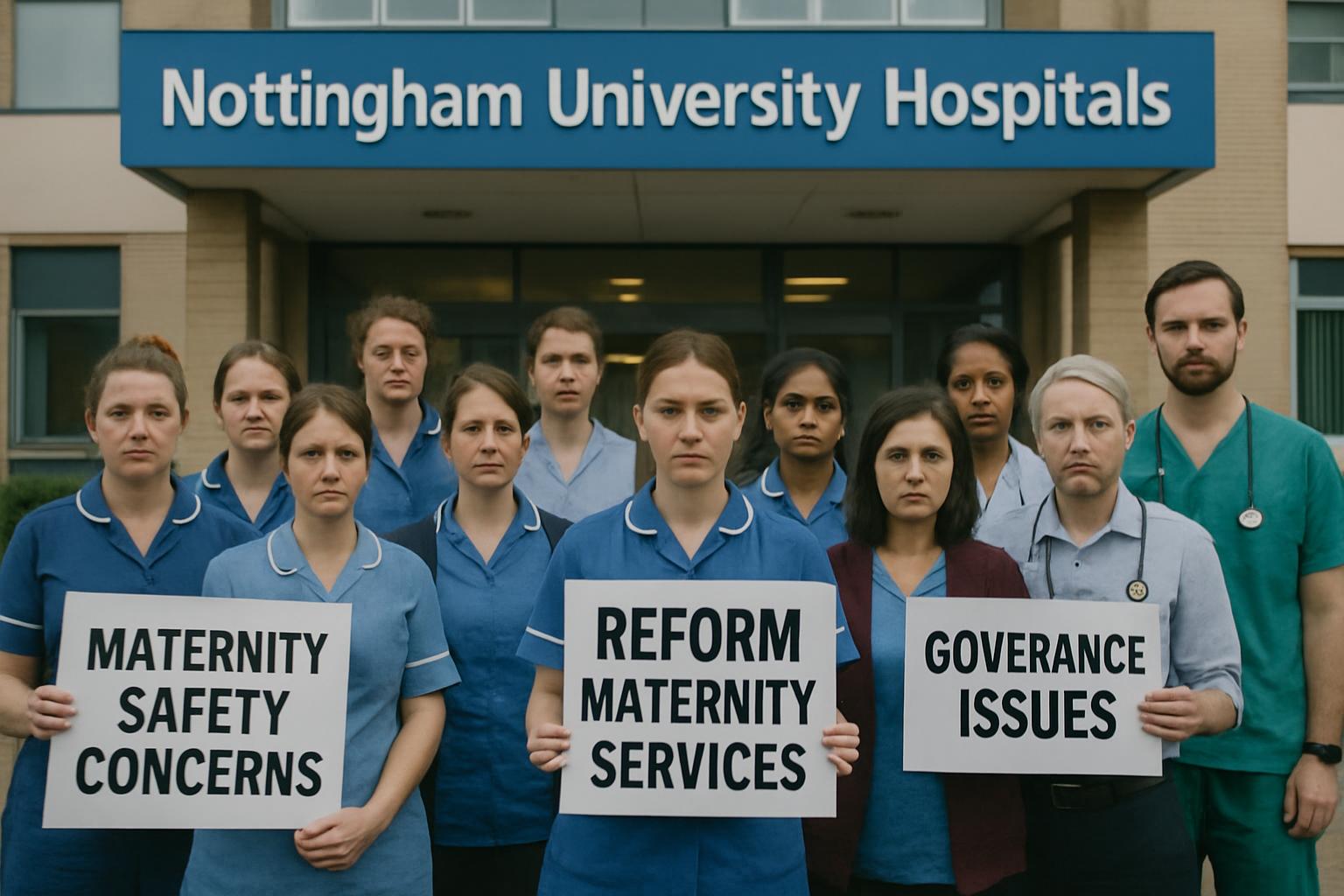
Persistent Safety Concerns in Nottingham Maternity Services Amidst Calls for Systemic Reform

Birmingham's Proactive Approach to Measles Outbreak Offers Lessons for North London

Supreme Court Ruling Expands Compensation for Children Injured at Birth

UK Government to Reform Asylum Seeker Support and Employment Policies

Saharan Dust to Illuminate UK Skies with Vivid Sunrises and Sunsets

Government Announces £4 Billion Overhaul of SEND Support in England
Matt Hancock Defends Controversial Care Home Policy Amidst Criticism from Bereaved Families
In This Article
 Maya Singh| Published
 HIGHLIGHTS
- Former Health Secretary Matt Hancock defended the decision to discharge untested patients into care homes during the early Covid-19 pandemic as "the least worst solution."
- Bereaved families criticized Hancock's testimony as lacking accountability, accusing him of making excuses and evading responsibility.
- The discharge policy, later deemed illegal by a high court, was said to be driven by NHS leadership, though Hancock accepted responsibility.
- Over 43,000 care home residents died with Covid in England between March 2020 and January 2022, highlighting the policy's impact.
- The Covid inquiry's current focus on care homes is expected to be emotionally charged, with calls for more accountability from decision-makers.
In a contentious session at the UK Covid-19 inquiry, former Health Secretary Matt Hancock defended the government's decision to discharge untested hospital patients into care homes during the early stages of the pandemic. Hancock described the move as "the least worst solution" available to prevent the NHS from being overwhelmed, despite the policy's later classification as illegal by a high court.
Discharge Policy Under Scrutiny
The decision to rapidly discharge patients without Covid-19 testing was aimed at freeing up hospital beds but has been heavily criticized for contributing to the spread of the virus in care homes. Between March 2020 and January 2022, over 43,000 care home residents in England died with Covid, many in the pandemic's initial weeks. Hancock acknowledged the policy's contentious nature, stating, "Nobody has yet provided me with an alternative that would have saved more lives."
Families Demand Accountability
Bereaved families, represented by Covid-19 Bereaved Families for Justice UK, expressed disappointment with Hancock's testimony, accusing him of evading responsibility. A spokesperson for the group stated, "Our loved ones were left to die without PPE, without testing or protection. Other countries protected their care homes. Ours were abandoned." The group criticized Hancock's claim of being powerless to change life-saving guidance as implausible.
Legal and Leadership Context
Hancock attributed the discharge policy to a formal government decision, driven by then NHS Chief Executive Simon Stevens, though he accepted responsibility for its implementation. The high court's ruling against the policy was described by Hancock as "very frustrating," suggesting the outcome might have differed had he been involved in the legal proceedings. Stevens, however, is not scheduled to testify at the inquiry, despite calls for his input.
WHAT THIS MIGHT MEAN
As the Covid-19 inquiry continues to delve into the government's handling of the pandemic, particularly concerning care homes, the focus on accountability and decision-making processes is likely to intensify. The inquiry's findings could have significant implications for public trust in health policy and governance. Experts suggest that the inquiry may prompt a reevaluation of crisis management strategies and lead to more stringent oversight of public health decisions. The emotional testimonies from bereaved families underscore the need for transparency and accountability in addressing past failures and preventing future ones.
Related Articles
Persistent Safety Concerns in Nottingham Maternity Services Amidst Calls for Systemic Reform
Birmingham's Proactive Approach to Measles Outbreak Offers Lessons for North London
Supreme Court Ruling Expands Compensation for Children Injured at Birth
UK Government to Reform Asylum Seeker Support and Employment Policies
Saharan Dust to Illuminate UK Skies with Vivid Sunrises and Sunsets
Government Announces £4 Billion Overhaul of SEND Support in England