
Historic Appointment: Dame Sarah Mullally Becomes First Female Archbishop of Canterbury
In This Article
HIGHLIGHTS
- Dame Sarah Mullally has been confirmed as the first female Archbishop of Canterbury, marking a historic moment for the Church of England.
- Mullally pledges to address misogyny within the Church, emphasizing the importance of bringing such issues into the open.
- Her appointment has sparked mixed reactions, with some African church leaders expressing dismay over female leadership.
- Mullally's record on safeguarding is under scrutiny, following a complaint related to her previous role as Bishop of London.
- The Church of England continues to grapple with diverse views on women's ministry and same-sex blessings.
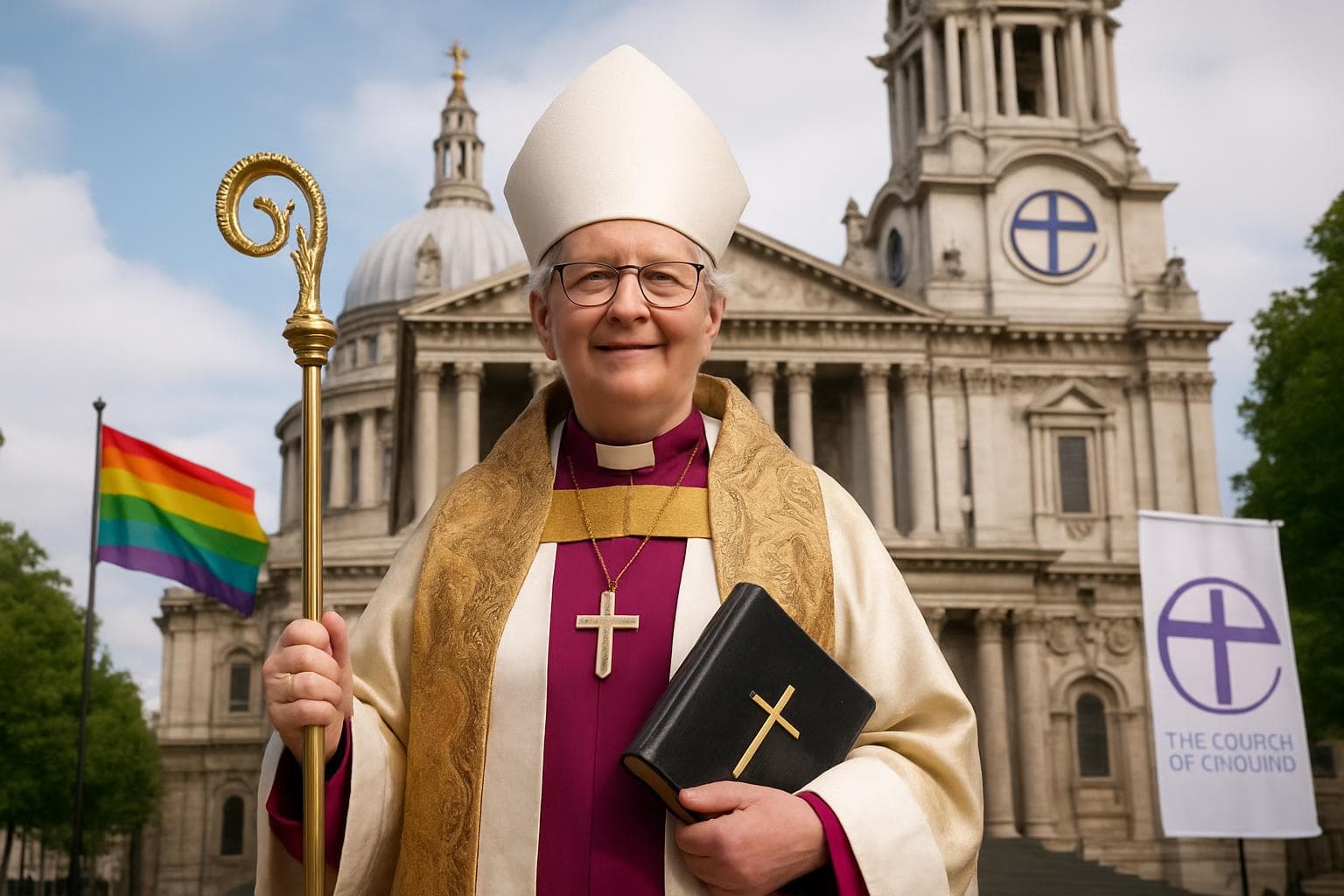
Dame Sarah Mullally has made history as the first woman to be confirmed as the Archbishop of Canterbury, the most senior position in the Church of England. Her confirmation took place in a ceremony at St Paul's Cathedral, blending centuries-old traditions with modern inclusivity. This landmark appointment is seen as a significant step forward for female leadership within the Church, which has allowed women to serve as priests since 1994 and bishops since 2014.
Addressing Misogyny and Safeguarding
In her new role, Mullally has committed to speaking out against misogyny, a challenge she has faced both in her secular career as a nurse and within the Church. "It's important for me to speak of it [misogyny], because there are some that don't necessarily have the status or power of this role," she stated. Mullally's appointment comes amid ongoing scrutiny of her safeguarding record, particularly concerning a complaint during her tenure as Bishop of London. While the Church of England has dismissed the complaint, it remains a point of contention.
Diverse Reactions and Challenges Ahead
The appointment has elicited a range of responses, particularly from the global Anglican Communion. Some African church leaders have voiced opposition, citing traditional views on male-only episcopacy. Despite these challenges, Mullally aims to foster dialogue and inclusivity within the Church. "I hope to provide a space where I can offer hospitality to people, where I can listen to what their concerns are," she remarked.
A New Era for the Church of England
The Church of England faces ongoing debates over women's roles and same-sex blessings. Mullally, who has previously supported same-sex blessings, now emphasizes her role as a listener in these discussions. Her leadership style, described as collaborative and grounded, is expected to bring a fresh perspective to the Church's top position. The Bishop of Reading, Mary Gregory, noted, "There's something about leading like a woman, and that is what I see her doing."
WHAT THIS MIGHT MEAN
As Dame Sarah Mullally steps into her role, she is poised to navigate complex theological and social issues within the Church of England. Her commitment to addressing misogyny and fostering inclusivity could lead to significant cultural shifts within the Church. However, her leadership will likely face resistance from more conservative factions, particularly regarding female leadership and same-sex blessings. The Church's ability to reconcile these diverse viewpoints will be crucial in shaping its future direction. Mullally's approach to safeguarding will also be closely watched, as she seeks to build trust and transparency within the Church's hierarchy.
Related Articles
Incoming Archbishop of Canterbury Faces Scrutiny Over Abuse Case Handling
Historic Appointment: Cherry Vann Becomes First Female Archbishop of Wales
New Archbishop of Westminster Calls for Church Accountability and Social Justice

Church of England Faces Scrutiny Over Dismissal of Abuse Complaint Against Incoming Archbishop
Archbishop of York Cleared of Misconduct in Controversial Abuse Case

Andreas Whittam Smith: A Pioneering Force in British Journalism Passes Away at 88
Historic Appointment: Dame Sarah Mullally Becomes First Female Archbishop of Canterbury
In This Article
 Ethan Brooks| Published
 HIGHLIGHTS
- Dame Sarah Mullally has been confirmed as the first female Archbishop of Canterbury, marking a historic moment for the Church of England.
- Mullally pledges to address misogyny within the Church, emphasizing the importance of bringing such issues into the open.
- Her appointment has sparked mixed reactions, with some African church leaders expressing dismay over female leadership.
- Mullally's record on safeguarding is under scrutiny, following a complaint related to her previous role as Bishop of London.
- The Church of England continues to grapple with diverse views on women's ministry and same-sex blessings.
Dame Sarah Mullally has made history as the first woman to be confirmed as the Archbishop of Canterbury, the most senior position in the Church of England. Her confirmation took place in a ceremony at St Paul's Cathedral, blending centuries-old traditions with modern inclusivity. This landmark appointment is seen as a significant step forward for female leadership within the Church, which has allowed women to serve as priests since 1994 and bishops since 2014.
Addressing Misogyny and Safeguarding
In her new role, Mullally has committed to speaking out against misogyny, a challenge she has faced both in her secular career as a nurse and within the Church. "It's important for me to speak of it [misogyny], because there are some that don't necessarily have the status or power of this role," she stated. Mullally's appointment comes amid ongoing scrutiny of her safeguarding record, particularly concerning a complaint during her tenure as Bishop of London. While the Church of England has dismissed the complaint, it remains a point of contention.
Diverse Reactions and Challenges Ahead
The appointment has elicited a range of responses, particularly from the global Anglican Communion. Some African church leaders have voiced opposition, citing traditional views on male-only episcopacy. Despite these challenges, Mullally aims to foster dialogue and inclusivity within the Church. "I hope to provide a space where I can offer hospitality to people, where I can listen to what their concerns are," she remarked.
A New Era for the Church of England
The Church of England faces ongoing debates over women's roles and same-sex blessings. Mullally, who has previously supported same-sex blessings, now emphasizes her role as a listener in these discussions. Her leadership style, described as collaborative and grounded, is expected to bring a fresh perspective to the Church's top position. The Bishop of Reading, Mary Gregory, noted, "There's something about leading like a woman, and that is what I see her doing."
WHAT THIS MIGHT MEAN
As Dame Sarah Mullally steps into her role, she is poised to navigate complex theological and social issues within the Church of England. Her commitment to addressing misogyny and fostering inclusivity could lead to significant cultural shifts within the Church. However, her leadership will likely face resistance from more conservative factions, particularly regarding female leadership and same-sex blessings. The Church's ability to reconcile these diverse viewpoints will be crucial in shaping its future direction. Mullally's approach to safeguarding will also be closely watched, as she seeks to build trust and transparency within the Church's hierarchy.
Related Articles
Incoming Archbishop of Canterbury Faces Scrutiny Over Abuse Case Handling
Historic Appointment: Cherry Vann Becomes First Female Archbishop of Wales
New Archbishop of Westminster Calls for Church Accountability and Social Justice
Church of England Faces Scrutiny Over Dismissal of Abuse Complaint Against Incoming Archbishop
Archbishop of York Cleared of Misconduct in Controversial Abuse Case
Andreas Whittam Smith: A Pioneering Force in British Journalism Passes Away at 88