
Archbishop of York Cleared of Misconduct in Controversial Abuse Case
In This Article
HIGHLIGHTS
- Archbishop of York, Stephen Cottrell, was cleared of misconduct over his handling of sexual abuse cases involving priest David Tudor.
- A church tribunal found Cottrell had no power to remove Tudor from ministry, despite Tudor's history of abuse.
- Victims and safeguarding advocates criticized the decision, highlighting concerns about accountability within the Church of England.
- Cottrell expressed regret over Tudor's appointments and acknowledged the pain caused to victims and survivors.
- The Church of England continues to face scrutiny over its handling of abuse cases, amid broader safeguarding challenges.
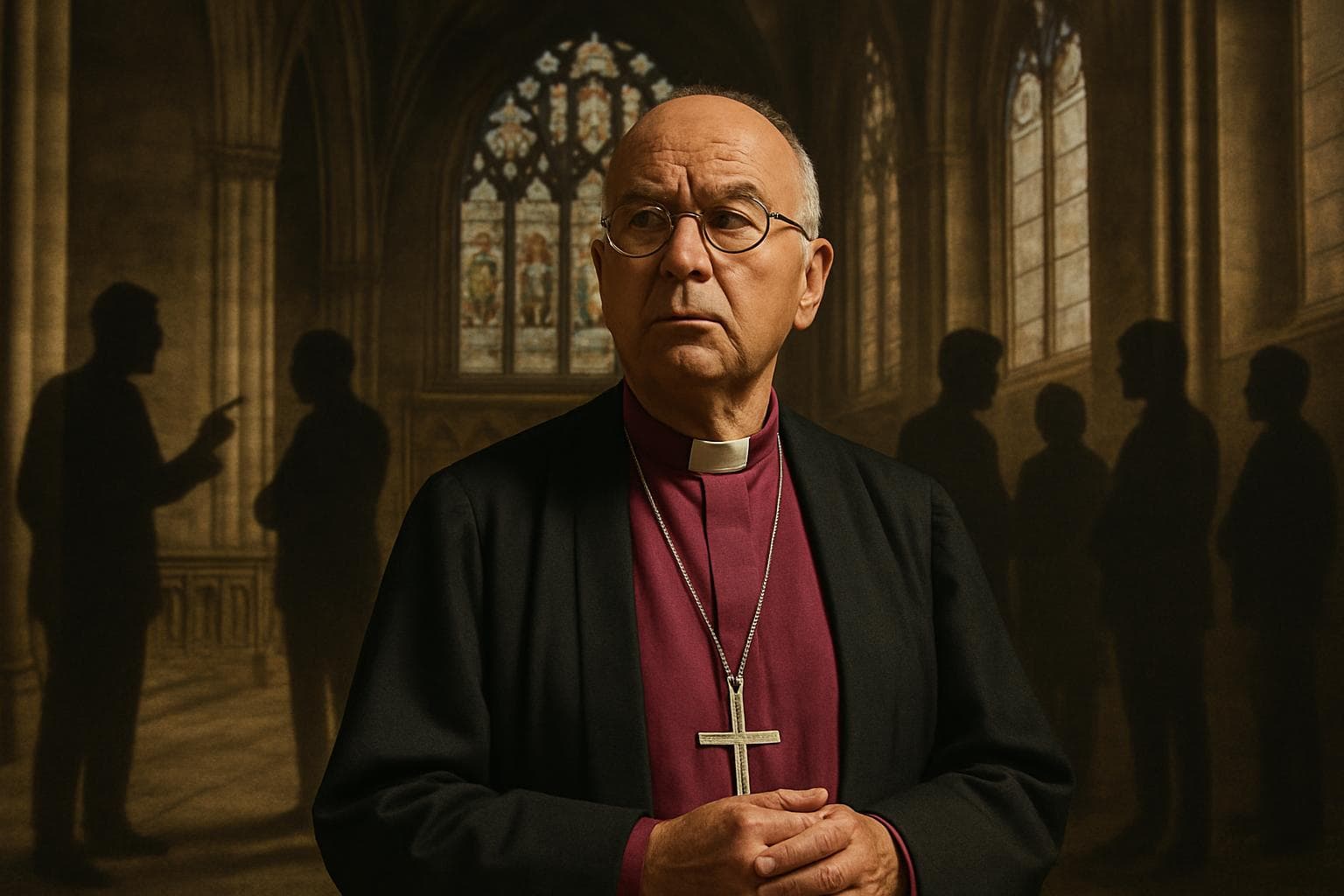
The Archbishop of York, Stephen Cottrell, has been cleared of misconduct in a controversial case involving the handling of sexual abuse allegations against former priest David Tudor. The decision, announced by a church tribunal on Thursday, has sparked debate over accountability and safeguarding within the Church of England.
Background of the Case
David Tudor, a former vicar with a history of sexual misconduct, was allowed to remain in ministry under Cottrell's oversight as Bishop of Chelmsford from 2010. Despite Tudor's past convictions and allegations of abuse dating back to the 1980s, he continued to serve in various church roles, including as an area dean in Essex.
Tribunal Findings
The church-appointed president of tribunals, Stephen Males, concluded that while mistakes were made in handling Tudor's case, they did not meet the threshold for misconduct. Males, a former court of appeal judge, stated that Cottrell lacked the authority to remove Tudor from ministry. "They were mistaken and regrettable appointments," Males noted, acknowledging the pain caused to victims and survivors.
Response and Reactions
In response to the tribunal's findings, Cottrell expressed regret over the appointments and apologized for the distress caused. "We all have much to learn from this case," he stated, emphasizing efforts to manage the risk Tudor posed based on safeguarding assessments. However, victims and safeguarding advocates have criticized the decision, arguing it sends a troubling message about accountability within the church.
Ongoing Challenges for the Church
The Church of England continues to grapple with safeguarding challenges, following a series of abuse scandals. The recent resignation of former Archbishop of Canterbury, Justin Welby, and the appointment of Sarah Mullally as his successor, underscore the ongoing scrutiny the church faces. Mullally has pledged to address issues of misogyny and safeguarding, although she too has faced criticism over her handling of similar issues.
WHAT THIS MIGHT MEAN
The tribunal's decision to clear Archbishop Cottrell of misconduct may have significant implications for the Church of England's approach to safeguarding. While the ruling absolves Cottrell of direct responsibility, it highlights systemic issues within the church's handling of abuse cases. Moving forward, the church may need to reassess its safeguarding policies and procedures to restore trust among its members and the public.
The appointment of Sarah Mullally as the first female Archbishop of Canterbury could signal a shift towards more transparent and accountable leadership. However, her ability to implement meaningful change will likely depend on addressing the deep-rooted cultural and structural challenges within the church. As the Church of England navigates these complex issues, it remains to be seen how effectively it can balance tradition with the urgent need for reform.
Related Articles

Church of England Faces Scrutiny Over Dismissal of Abuse Complaint Against Incoming Archbishop
Incoming Archbishop of Canterbury Faces Scrutiny Over Abuse Case Handling
New Archbishop of Westminster Calls for Church Accountability and Social Justice
Church of England Halts Same-Sex Blessing Ceremonies Amid Ongoing Debate
Historic Appointment: Dame Sarah Mullally Becomes First Female Archbishop of Canterbury

Record Year for Treasure Finds in England: Norfolk Tops the List
Archbishop of York Cleared of Misconduct in Controversial Abuse Case
In This Article
 Ethan Brooks| Published
 HIGHLIGHTS
- Archbishop of York, Stephen Cottrell, was cleared of misconduct over his handling of sexual abuse cases involving priest David Tudor.
- A church tribunal found Cottrell had no power to remove Tudor from ministry, despite Tudor's history of abuse.
- Victims and safeguarding advocates criticized the decision, highlighting concerns about accountability within the Church of England.
- Cottrell expressed regret over Tudor's appointments and acknowledged the pain caused to victims and survivors.
- The Church of England continues to face scrutiny over its handling of abuse cases, amid broader safeguarding challenges.
The Archbishop of York, Stephen Cottrell, has been cleared of misconduct in a controversial case involving the handling of sexual abuse allegations against former priest David Tudor. The decision, announced by a church tribunal on Thursday, has sparked debate over accountability and safeguarding within the Church of England.
Background of the Case
David Tudor, a former vicar with a history of sexual misconduct, was allowed to remain in ministry under Cottrell's oversight as Bishop of Chelmsford from 2010. Despite Tudor's past convictions and allegations of abuse dating back to the 1980s, he continued to serve in various church roles, including as an area dean in Essex.
Tribunal Findings
The church-appointed president of tribunals, Stephen Males, concluded that while mistakes were made in handling Tudor's case, they did not meet the threshold for misconduct. Males, a former court of appeal judge, stated that Cottrell lacked the authority to remove Tudor from ministry. "They were mistaken and regrettable appointments," Males noted, acknowledging the pain caused to victims and survivors.
Response and Reactions
In response to the tribunal's findings, Cottrell expressed regret over the appointments and apologized for the distress caused. "We all have much to learn from this case," he stated, emphasizing efforts to manage the risk Tudor posed based on safeguarding assessments. However, victims and safeguarding advocates have criticized the decision, arguing it sends a troubling message about accountability within the church.
Ongoing Challenges for the Church
The Church of England continues to grapple with safeguarding challenges, following a series of abuse scandals. The recent resignation of former Archbishop of Canterbury, Justin Welby, and the appointment of Sarah Mullally as his successor, underscore the ongoing scrutiny the church faces. Mullally has pledged to address issues of misogyny and safeguarding, although she too has faced criticism over her handling of similar issues.
WHAT THIS MIGHT MEAN
The tribunal's decision to clear Archbishop Cottrell of misconduct may have significant implications for the Church of England's approach to safeguarding. While the ruling absolves Cottrell of direct responsibility, it highlights systemic issues within the church's handling of abuse cases. Moving forward, the church may need to reassess its safeguarding policies and procedures to restore trust among its members and the public.
The appointment of Sarah Mullally as the first female Archbishop of Canterbury could signal a shift towards more transparent and accountable leadership. However, her ability to implement meaningful change will likely depend on addressing the deep-rooted cultural and structural challenges within the church. As the Church of England navigates these complex issues, it remains to be seen how effectively it can balance tradition with the urgent need for reform.
Related Articles
Church of England Faces Scrutiny Over Dismissal of Abuse Complaint Against Incoming Archbishop
Incoming Archbishop of Canterbury Faces Scrutiny Over Abuse Case Handling
New Archbishop of Westminster Calls for Church Accountability and Social Justice
Church of England Halts Same-Sex Blessing Ceremonies Amid Ongoing Debate
Historic Appointment: Dame Sarah Mullally Becomes First Female Archbishop of Canterbury
Record Year for Treasure Finds in England: Norfolk Tops the List