
Danish PM Visits Greenland Amid US Acquisition Controversy, Sparking Unity and Protests
In This Article
HIGHLIGHTS
- Danish PM Mette Frederiksen visited Greenland to show support amid US President Trump's controversial remarks about acquiring the island.
- Trump withdrew threats of military action and tariffs, proposing a "framework of a future deal" regarding Greenland.
- Protests erupted in Denmark, uniting Greenlanders and Danes against Trump's rhetoric, with thousands demonstrating in Copenhagen.
- Greenlandic MP Aaja Chemnitz expressed skepticism about US intentions, emphasizing Greenland's autonomy over its resources.
- Former Danish Foreign Minister Martin Lidegaard noted a positive shift in Trump's language, suggesting a potential de-escalation.
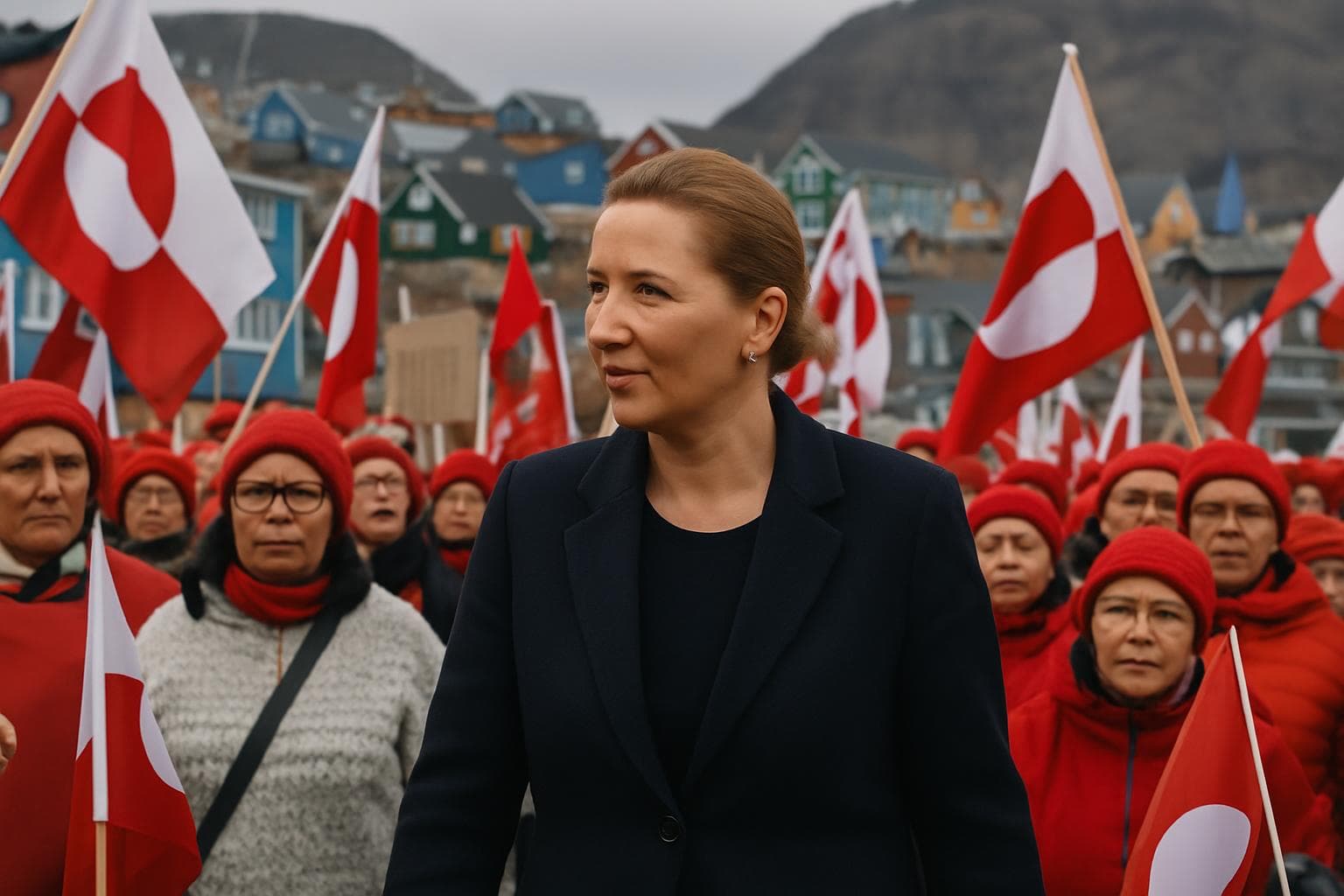
Danish Prime Minister Mette Frederiksen has embarked on a significant visit to Greenland's capital, Nuuk, following a tumultuous period marked by US President Donald Trump's contentious remarks about acquiring the Arctic island. This diplomatic mission aims to reinforce Denmark's support for Greenland amid heightened tensions.
US-Greenland Relations in Focus
The controversy began when President Trump suggested the possibility of the US acquiring Greenland, a largely self-governing territory within the Danish kingdom. This proposal was met with widespread criticism and concern, leading to a diplomatic standoff. However, in a surprising turn of events, Trump recently withdrew threats of military action and tariffs against European allies, announcing a "framework of a future deal" concerning Greenland after discussions with NATO Secretary-General Mark Rutte at the World Economic Forum in Davos.
Danish Solidarity and Protests
In response to these developments, Denmark has witnessed a surge of unity and activism. Thousands of Danes and Greenlanders took to the streets of Copenhagen, waving flags and donning red hats with slogans like "Nu det NUUK!" to express their opposition to Trump's rhetoric. Julie Rademacher, a member of Uagut, a national organization for Greenlandic people in Denmark, described the overwhelming support from various communities, emphasizing the need to defend Greenland's autonomy.
Greenland's Autonomy and Skepticism
Despite Trump's climbdown, skepticism remains. Greenlandic MP Aaja Chemnitz voiced concerns about US intentions, particularly regarding Greenland's resources, which are legally under the territory's control. Former Danish Foreign Minister Martin Lidegaard noted a shift in Trump's language, interpreting it as a positive sign of de-escalation. However, Chemnitz cautioned that rebuilding trust would require more substantial actions.
Diplomatic Efforts and Future Prospects
Prime Minister Frederiksen's visit to Greenland underscores Denmark's commitment to supporting its territory during this challenging period. She emphasized the importance of pursuing diplomatic and political solutions, stating, "It's a very difficult time, everyone can see that." Her discussions with Greenlandic leader Jens-Frederik Nielsen aim to prepare for the next steps in addressing the situation.
WHAT THIS MIGHT MEAN
The recent developments in US-Denmark relations over Greenland have opened a new chapter in diplomatic negotiations. While Trump's withdrawal of military threats signals a potential easing of tensions, the path forward remains uncertain. Experts suggest that the focus will likely shift towards diplomatic discussions involving NATO and other international stakeholders to address security and resource concerns in the Arctic region.
The protests in Denmark highlight a growing sense of unity between Greenlanders and Danes, potentially strengthening their relationship in the face of external pressures. However, the skepticism expressed by Greenlandic leaders underscores the need for transparent and respectful negotiations that honor Greenland's autonomy.
As the situation evolves, the international community will be closely watching how these diplomatic efforts unfold, with potential implications for Arctic geopolitics and US-European relations.
Related Articles
Spain's Sánchez Stands Firm Against Trump's Trade Threat Over Iran Stance

Senate Blocks Resolution to Limit Trump's Military Actions in Iran

UK-Iran Tensions: Starmer Defends Cautious Approach Amid Trump Criticism
Iran Postpones Khamenei Funeral Amid Escalating US-Israeli Strikes
Congress Subpoenas Attorney General Bondi in Epstein Investigation
Cuba Faces Widespread Blackout Amid Deepening Fuel Crisis
Danish PM Visits Greenland Amid US Acquisition Controversy, Sparking Unity and Protests
In This Article
 Ethan Brooks| Published
 HIGHLIGHTS
- Danish PM Mette Frederiksen visited Greenland to show support amid US President Trump's controversial remarks about acquiring the island.
- Trump withdrew threats of military action and tariffs, proposing a "framework of a future deal" regarding Greenland.
- Protests erupted in Denmark, uniting Greenlanders and Danes against Trump's rhetoric, with thousands demonstrating in Copenhagen.
- Greenlandic MP Aaja Chemnitz expressed skepticism about US intentions, emphasizing Greenland's autonomy over its resources.
- Former Danish Foreign Minister Martin Lidegaard noted a positive shift in Trump's language, suggesting a potential de-escalation.
Danish Prime Minister Mette Frederiksen has embarked on a significant visit to Greenland's capital, Nuuk, following a tumultuous period marked by US President Donald Trump's contentious remarks about acquiring the Arctic island. This diplomatic mission aims to reinforce Denmark's support for Greenland amid heightened tensions.
US-Greenland Relations in Focus
The controversy began when President Trump suggested the possibility of the US acquiring Greenland, a largely self-governing territory within the Danish kingdom. This proposal was met with widespread criticism and concern, leading to a diplomatic standoff. However, in a surprising turn of events, Trump recently withdrew threats of military action and tariffs against European allies, announcing a "framework of a future deal" concerning Greenland after discussions with NATO Secretary-General Mark Rutte at the World Economic Forum in Davos.
Danish Solidarity and Protests
In response to these developments, Denmark has witnessed a surge of unity and activism. Thousands of Danes and Greenlanders took to the streets of Copenhagen, waving flags and donning red hats with slogans like "Nu det NUUK!" to express their opposition to Trump's rhetoric. Julie Rademacher, a member of Uagut, a national organization for Greenlandic people in Denmark, described the overwhelming support from various communities, emphasizing the need to defend Greenland's autonomy.
Greenland's Autonomy and Skepticism
Despite Trump's climbdown, skepticism remains. Greenlandic MP Aaja Chemnitz voiced concerns about US intentions, particularly regarding Greenland's resources, which are legally under the territory's control. Former Danish Foreign Minister Martin Lidegaard noted a shift in Trump's language, interpreting it as a positive sign of de-escalation. However, Chemnitz cautioned that rebuilding trust would require more substantial actions.
Diplomatic Efforts and Future Prospects
Prime Minister Frederiksen's visit to Greenland underscores Denmark's commitment to supporting its territory during this challenging period. She emphasized the importance of pursuing diplomatic and political solutions, stating, "It's a very difficult time, everyone can see that." Her discussions with Greenlandic leader Jens-Frederik Nielsen aim to prepare for the next steps in addressing the situation.
WHAT THIS MIGHT MEAN
The recent developments in US-Denmark relations over Greenland have opened a new chapter in diplomatic negotiations. While Trump's withdrawal of military threats signals a potential easing of tensions, the path forward remains uncertain. Experts suggest that the focus will likely shift towards diplomatic discussions involving NATO and other international stakeholders to address security and resource concerns in the Arctic region.
The protests in Denmark highlight a growing sense of unity between Greenlanders and Danes, potentially strengthening their relationship in the face of external pressures. However, the skepticism expressed by Greenlandic leaders underscores the need for transparent and respectful negotiations that honor Greenland's autonomy.
As the situation evolves, the international community will be closely watching how these diplomatic efforts unfold, with potential implications for Arctic geopolitics and US-European relations.
Related Articles
Spain's Sánchez Stands Firm Against Trump's Trade Threat Over Iran Stance
Senate Blocks Resolution to Limit Trump's Military Actions in Iran
UK-Iran Tensions: Starmer Defends Cautious Approach Amid Trump Criticism
Iran Postpones Khamenei Funeral Amid Escalating US-Israeli Strikes
Congress Subpoenas Attorney General Bondi in Epstein Investigation
Cuba Faces Widespread Blackout Amid Deepening Fuel Crisis