
Delta Flight Makes Emergency Landing After Severe Turbulence Injures 25
In This Article
HIGHLIGHTS
- A Delta Airlines flight en route to Amsterdam made an emergency landing in Minneapolis due to severe turbulence, injuring 25 people.
- The Airbus A330-900, carrying 275 passengers and 13 crew members, landed two hours into its nine-hour journey.
- Medical personnel evaluated passengers and crew upon landing, with 25 individuals taken to local hospitals for further care.
- Severe turbulence incidents are increasing, with experts linking this trend to climate change and predicting a rise in such events.
- The National Transportation Safety Board reports 207 severe turbulence-related injuries in the US since 2009.
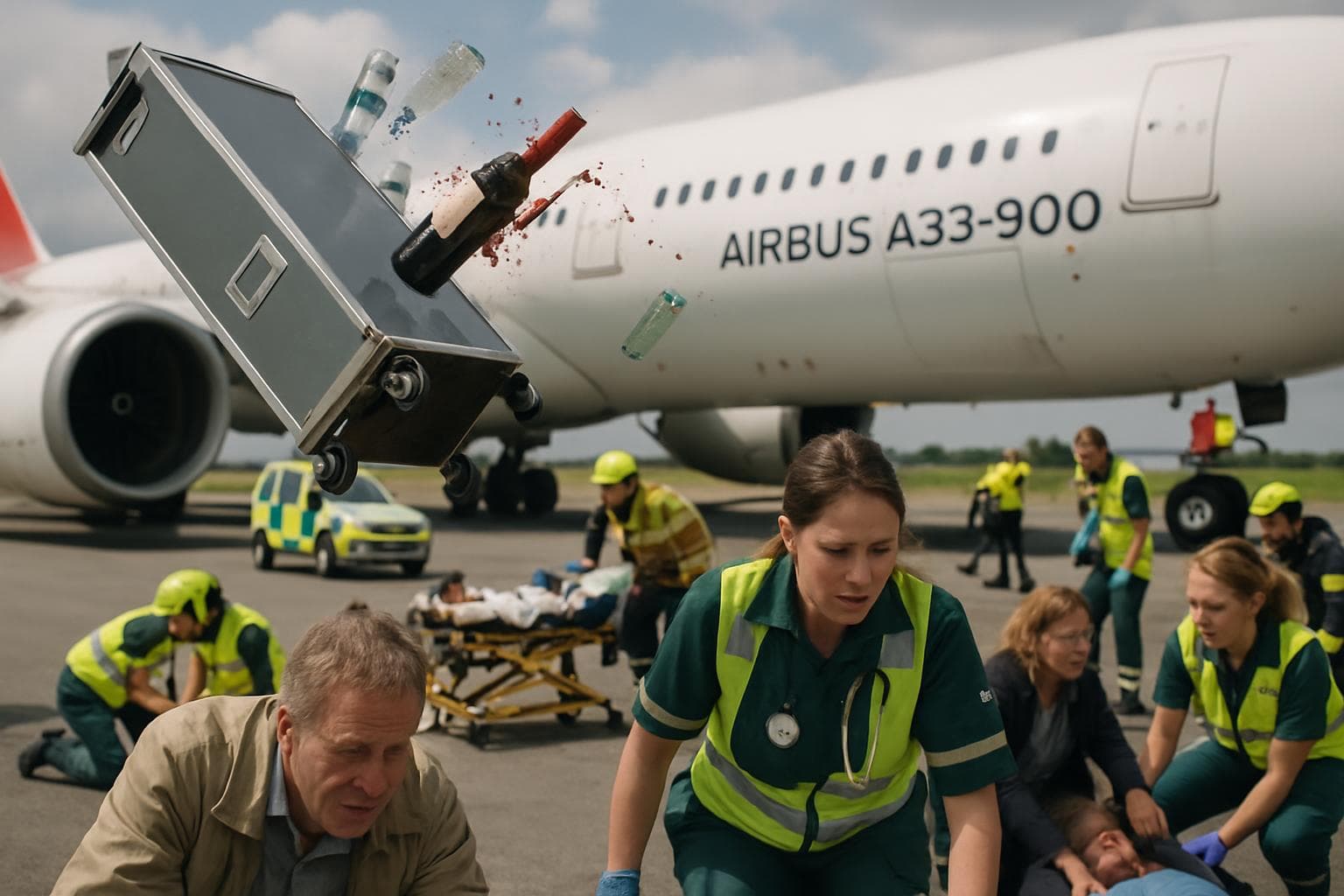
A Delta Airlines flight bound for Amsterdam was forced to make an emergency landing at Minneapolis-St. Paul International Airport on Wednesday after encountering severe turbulence that resulted in injuries to 25 passengers. The Airbus A330-900 had departed from Salt Lake City at 16:30 local time and was diverted to Minneapolis just over two hours into its nine-hour flight.
Upon landing at approximately 19:45 local time, medical teams were on hand to assess the situation, with 25 individuals subsequently transported to local hospitals for further evaluation and care. Delta Airlines expressed gratitude for the swift response of emergency personnel and assured passengers of their commitment to addressing immediate needs.
Passenger Accounts and Expert Insights
William Webster, a passenger on the flight, described the turbulence as unprecedented, recounting how he was lifted from his seat for nearly 30 seconds. "I watched a wine cart just get thrown into the air," he told CNN, highlighting the chaos during the meal service.
Experts warn that such incidents are becoming more frequent due to climate change, which is believed to exacerbate extreme atmospheric conditions. Paul Williams, an atmospheric scientist at the University of Reading, predicts a significant increase in severe turbulence events in the coming decades.
Turbulence Trends and Safety Measures
According to the National Transportation Safety Board, there have been 207 severe turbulence-related injuries in the US since 2009. Severe turbulence is characterized by movements that exert more than 1.5g-force, enough to lift unbelted passengers from their seats.
With an estimated 5,000 severe turbulence incidents occurring annually out of over 35 million global flights, the aviation industry continues to prioritize passenger safety and adapt to evolving challenges.
WHAT THIS MIGHT MEAN
The recent Delta Airlines incident underscores the growing challenges airlines face in ensuring passenger safety amid changing climate conditions. As severe turbulence becomes more common, airlines may need to invest in advanced forecasting technologies and enhanced safety protocols to mitigate risks. Regulatory bodies like the National Transportation Safety Board could also play a crucial role in updating safety guidelines and encouraging research into turbulence prediction. In the long term, addressing climate change may prove essential in reducing the frequency and severity of such incidents, safeguarding the future of air travel.
Related Articles
New UK Entry Rules for Dual Nationals Spark Outcry
France Releases Russian 'Shadow Fleet' Tanker Amid Rising Tensions
Canada and Australia Forge Strategic Partnership Amid Global Uncertainty

Tech Giants Pledge to Cover AI Data Center Energy Costs Amid Rising Electricity Concerns
Middle East Conflict Drives UK Energy Prices to New Highs
US and Israel Intensify Military Campaign as Iran's Capabilities Dwindle
Delta Flight Makes Emergency Landing After Severe Turbulence Injures 25
In This Article
 Leila Hassan| Published
 HIGHLIGHTS
- A Delta Airlines flight en route to Amsterdam made an emergency landing in Minneapolis due to severe turbulence, injuring 25 people.
- The Airbus A330-900, carrying 275 passengers and 13 crew members, landed two hours into its nine-hour journey.
- Medical personnel evaluated passengers and crew upon landing, with 25 individuals taken to local hospitals for further care.
- Severe turbulence incidents are increasing, with experts linking this trend to climate change and predicting a rise in such events.
- The National Transportation Safety Board reports 207 severe turbulence-related injuries in the US since 2009.
A Delta Airlines flight bound for Amsterdam was forced to make an emergency landing at Minneapolis-St. Paul International Airport on Wednesday after encountering severe turbulence that resulted in injuries to 25 passengers. The Airbus A330-900 had departed from Salt Lake City at 16:30 local time and was diverted to Minneapolis just over two hours into its nine-hour flight.
Upon landing at approximately 19:45 local time, medical teams were on hand to assess the situation, with 25 individuals subsequently transported to local hospitals for further evaluation and care. Delta Airlines expressed gratitude for the swift response of emergency personnel and assured passengers of their commitment to addressing immediate needs.
Passenger Accounts and Expert Insights
William Webster, a passenger on the flight, described the turbulence as unprecedented, recounting how he was lifted from his seat for nearly 30 seconds. "I watched a wine cart just get thrown into the air," he told CNN, highlighting the chaos during the meal service.
Experts warn that such incidents are becoming more frequent due to climate change, which is believed to exacerbate extreme atmospheric conditions. Paul Williams, an atmospheric scientist at the University of Reading, predicts a significant increase in severe turbulence events in the coming decades.
Turbulence Trends and Safety Measures
According to the National Transportation Safety Board, there have been 207 severe turbulence-related injuries in the US since 2009. Severe turbulence is characterized by movements that exert more than 1.5g-force, enough to lift unbelted passengers from their seats.
With an estimated 5,000 severe turbulence incidents occurring annually out of over 35 million global flights, the aviation industry continues to prioritize passenger safety and adapt to evolving challenges.
WHAT THIS MIGHT MEAN
The recent Delta Airlines incident underscores the growing challenges airlines face in ensuring passenger safety amid changing climate conditions. As severe turbulence becomes more common, airlines may need to invest in advanced forecasting technologies and enhanced safety protocols to mitigate risks. Regulatory bodies like the National Transportation Safety Board could also play a crucial role in updating safety guidelines and encouraging research into turbulence prediction. In the long term, addressing climate change may prove essential in reducing the frequency and severity of such incidents, safeguarding the future of air travel.
Related Articles
New UK Entry Rules for Dual Nationals Spark Outcry
France Releases Russian 'Shadow Fleet' Tanker Amid Rising Tensions
Canada and Australia Forge Strategic Partnership Amid Global Uncertainty
Tech Giants Pledge to Cover AI Data Center Energy Costs Amid Rising Electricity Concerns
Middle East Conflict Drives UK Energy Prices to New Highs
US and Israel Intensify Military Campaign as Iran's Capabilities Dwindle