
Dick Cheney, Influential US Vice-President and Architect of the 'War on Terror', Dies at 84
In This Article
HIGHLIGHTS
- Former US Vice-President Dick Cheney has died at the age of 84 due to complications from pneumonia and cardiac disease.
- Cheney was a key figure in the "War on Terror" and served as Vice-President under George W Bush from 2001 to 2009.
- In his later years, Cheney became a vocal critic of Donald Trump, endorsing Kamala Harris in the 2024 election.
- Cheney's career included roles as Secretary of Defense and White House Chief of Staff, and he was a significant influence in Republican politics.
- His daughter, Liz Cheney, also a prominent Republican, was known for her opposition to Trump and involvement in the January 6 Capitol riot investigation.
Former US Vice-President Dick Cheney, a towering figure in American politics and a central architect of the "War on Terror," has died at the age of 84. Cheney passed away on November 3, 2025, surrounded by his family, due to complications from pneumonia and cardiac and vascular disease, according to a statement from his family.
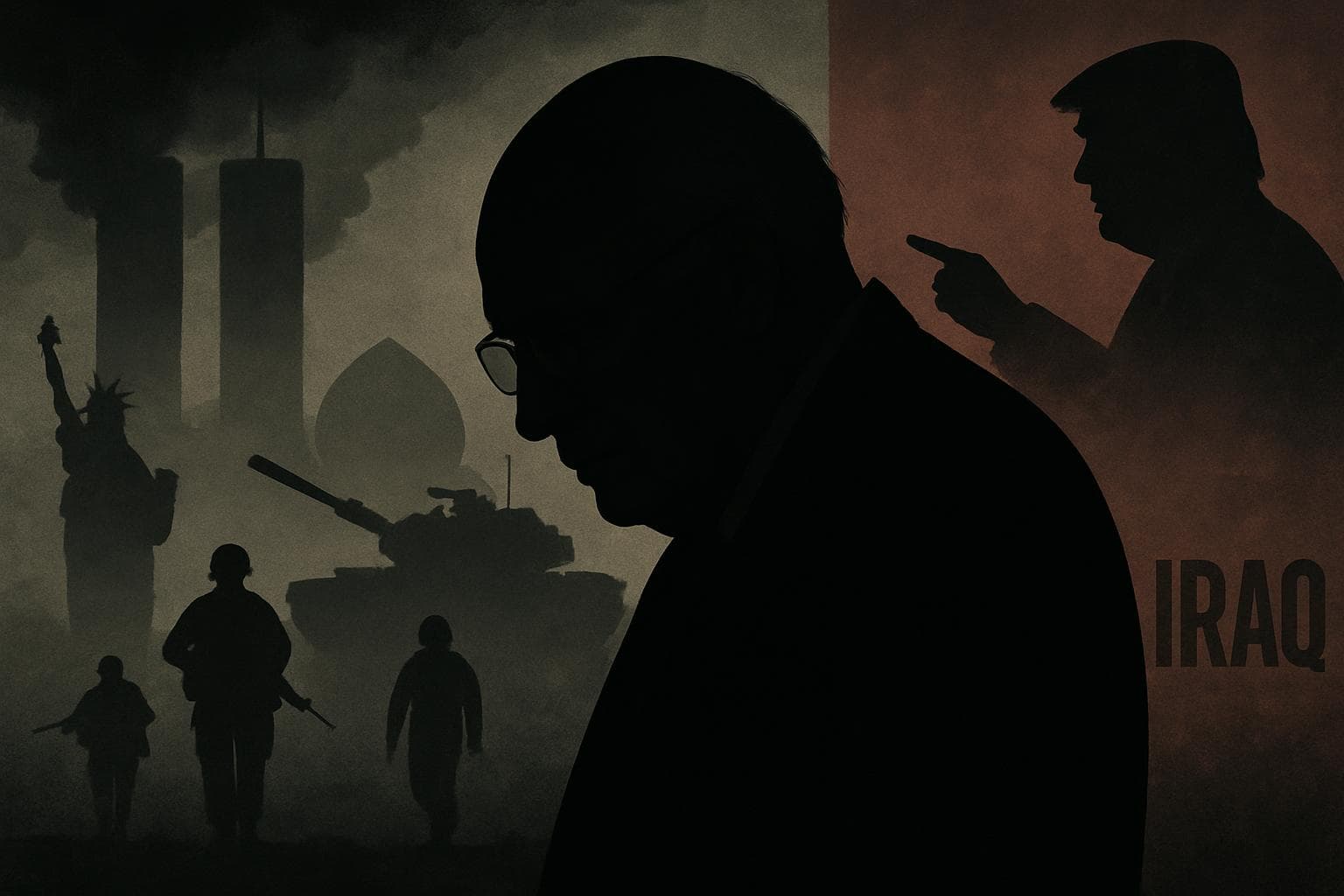
Cheney's political career spanned several decades, during which he held numerous influential positions. He served as Vice-President under George W Bush from 2001 to 2009, a period marked by the September 11 attacks and subsequent military actions in Afghanistan and Iraq. Cheney was instrumental in shaping the US response to these events, advocating for the invasion of Iraq based on the belief that Saddam Hussein possessed weapons of mass destruction and had ties to al-Qaida.
Born in Lincoln, Nebraska, in 1941, Cheney's early career included roles as White House Chief of Staff under Gerald Ford and Secretary of Defense under George HW Bush. His tenure as Secretary of Defense saw the US involvement in the Gulf War and the invasion of Panama.
Despite his significant contributions to Republican politics, Cheney's later years were marked by his outspoken criticism of Donald Trump. He notably endorsed Democratic candidate Kamala Harris in the 2024 presidential election, describing Trump as a "greater threat to our republic" than any other individual in US history. This stance was shared by his daughter, Liz Cheney, who was a prominent critic of Trump and served on the House select committee investigating the January 6 Capitol riots.
Cheney's legacy is complex, characterized by his staunch defense of controversial policies, including the use of enhanced interrogation techniques on detainees post-9/11. His influence on US foreign policy and Republican politics remains significant, even as debates continue over the long-term impacts of his decisions.
WHAT THIS MIGHT MEAN
Dick Cheney's death marks the end of an era for Republican politics, with his legacy likely to be debated for years to come. His role in the "War on Terror" and the Iraq invasion will continue to be scrutinized, particularly as the US grapples with the long-term consequences of these actions.
Politically, Cheney's vocal opposition to Donald Trump and support for Kamala Harris may influence future Republican dynamics, especially as the party navigates internal divisions. Liz Cheney's continued presence in politics could further shape the discourse, particularly regarding accountability and the direction of the Republican Party.
As the US reflects on Cheney's impact, discussions around national security, foreign policy, and party leadership are expected to remain at the forefront, with Cheney's career serving as a pivotal reference point in these debates.
Related Articles
Congress Subpoenas Attorney General Bondi in Epstein Investigation

James Talarico Secures Democratic Nomination in Texas Senate Race Amidst Republican Runoff

Tech Giants Pledge to Cover AI Data Center Energy Costs Amid Rising Electricity Concerns

Cuba Faces Widespread Blackout Amid Deepening Fuel Crisis

UK Faces Dilemmas Amid Iran Conflict and China Spying Allegations

Senate Blocks Resolution to Limit Trump's Military Actions in Iran
Dick Cheney, Influential US Vice-President and Architect of the 'War on Terror', Dies at 84
In This Article
 Alex Carter| Published
 HIGHLIGHTS
- Former US Vice-President Dick Cheney has died at the age of 84 due to complications from pneumonia and cardiac disease.
- Cheney was a key figure in the "War on Terror" and served as Vice-President under George W Bush from 2001 to 2009.
- In his later years, Cheney became a vocal critic of Donald Trump, endorsing Kamala Harris in the 2024 election.
- Cheney's career included roles as Secretary of Defense and White House Chief of Staff, and he was a significant influence in Republican politics.
- His daughter, Liz Cheney, also a prominent Republican, was known for her opposition to Trump and involvement in the January 6 Capitol riot investigation.
Former US Vice-President Dick Cheney, a towering figure in American politics and a central architect of the "War on Terror," has died at the age of 84. Cheney passed away on November 3, 2025, surrounded by his family, due to complications from pneumonia and cardiac and vascular disease, according to a statement from his family.
Cheney's political career spanned several decades, during which he held numerous influential positions. He served as Vice-President under George W Bush from 2001 to 2009, a period marked by the September 11 attacks and subsequent military actions in Afghanistan and Iraq. Cheney was instrumental in shaping the US response to these events, advocating for the invasion of Iraq based on the belief that Saddam Hussein possessed weapons of mass destruction and had ties to al-Qaida.
Born in Lincoln, Nebraska, in 1941, Cheney's early career included roles as White House Chief of Staff under Gerald Ford and Secretary of Defense under George HW Bush. His tenure as Secretary of Defense saw the US involvement in the Gulf War and the invasion of Panama.
Despite his significant contributions to Republican politics, Cheney's later years were marked by his outspoken criticism of Donald Trump. He notably endorsed Democratic candidate Kamala Harris in the 2024 presidential election, describing Trump as a "greater threat to our republic" than any other individual in US history. This stance was shared by his daughter, Liz Cheney, who was a prominent critic of Trump and served on the House select committee investigating the January 6 Capitol riots.
Cheney's legacy is complex, characterized by his staunch defense of controversial policies, including the use of enhanced interrogation techniques on detainees post-9/11. His influence on US foreign policy and Republican politics remains significant, even as debates continue over the long-term impacts of his decisions.
WHAT THIS MIGHT MEAN
Dick Cheney's death marks the end of an era for Republican politics, with his legacy likely to be debated for years to come. His role in the "War on Terror" and the Iraq invasion will continue to be scrutinized, particularly as the US grapples with the long-term consequences of these actions.
Politically, Cheney's vocal opposition to Donald Trump and support for Kamala Harris may influence future Republican dynamics, especially as the party navigates internal divisions. Liz Cheney's continued presence in politics could further shape the discourse, particularly regarding accountability and the direction of the Republican Party.
As the US reflects on Cheney's impact, discussions around national security, foreign policy, and party leadership are expected to remain at the forefront, with Cheney's career serving as a pivotal reference point in these debates.
Related Articles
Congress Subpoenas Attorney General Bondi in Epstein Investigation
James Talarico Secures Democratic Nomination in Texas Senate Race Amidst Republican Runoff
Tech Giants Pledge to Cover AI Data Center Energy Costs Amid Rising Electricity Concerns
Cuba Faces Widespread Blackout Amid Deepening Fuel Crisis
UK Faces Dilemmas Amid Iran Conflict and China Spying Allegations
Senate Blocks Resolution to Limit Trump's Military Actions in Iran