
Dick Cheney: A Controversial Legacy in American Politics
In This Article
HIGHLIGHTS
- Former Vice President Dick Cheney passed away at 84 due to complications from pneumonia and cardiac disease.
- Cheney, a key figure in the Bush administration, was instrumental in the Iraq War and the broader "war on terror."
- His legacy remains divisive, with tributes from figures like George W. Bush and criticism from others for his controversial policies.
- Cheney's influence extended beyond his vice-presidency, shaping US foreign policy and the Republican party's direction.
- Despite his later opposition to Donald Trump, Cheney's actions are seen by some as paving the way for Trumpism.
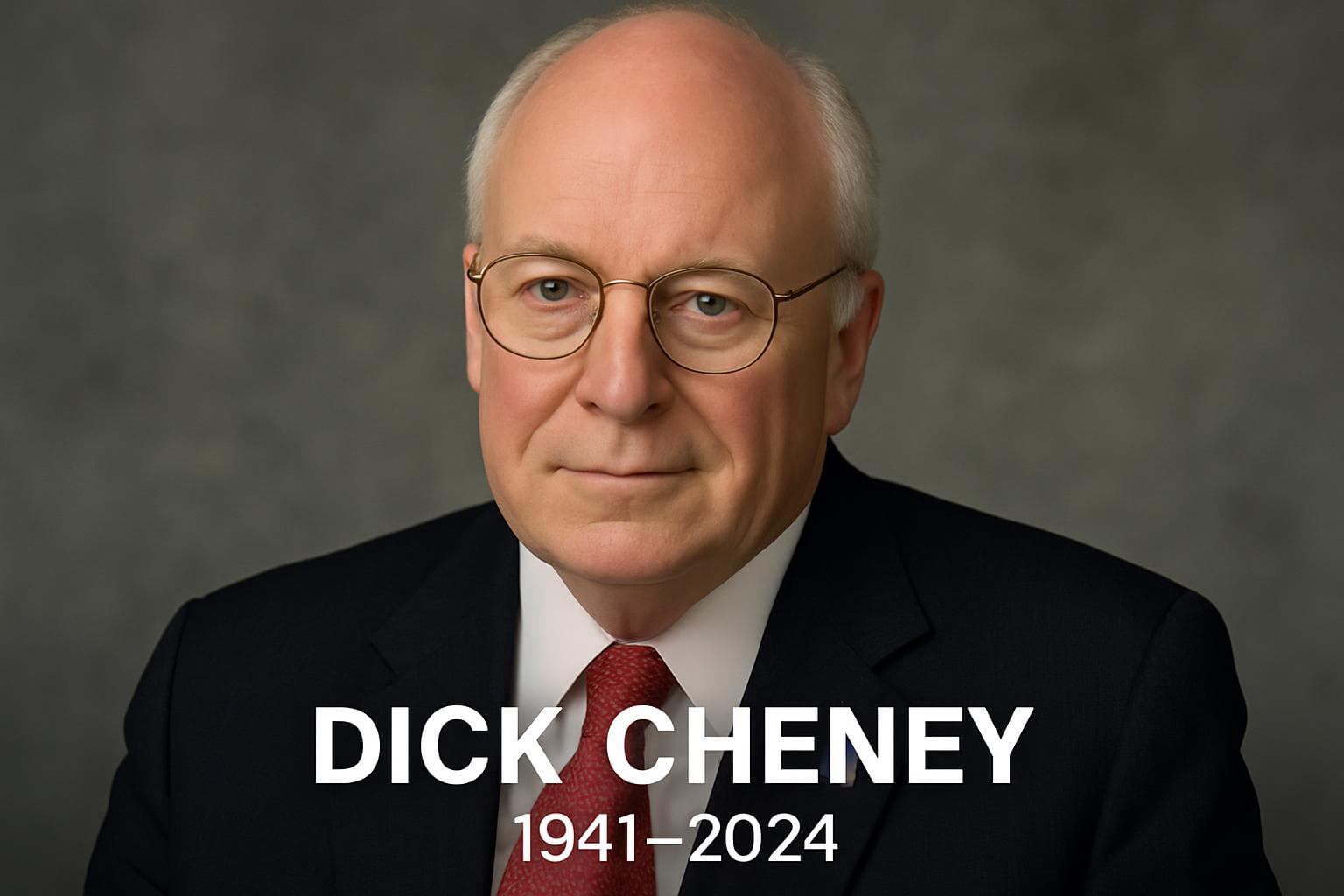
Former US Vice President Dick Cheney, a towering figure in American politics, has died at the age of 84. His passing, due to complications from pneumonia and cardiac disease, marks the end of a career that left an indelible mark on the United States and its foreign policy.
A Powerful Vice Presidency
Cheney served as vice president under George W. Bush from 2001 to 2009, a period marked by significant global upheaval. Known for his assertive approach, Cheney was a key architect of the Iraq War and the broader "war on terror" following the 9/11 attacks. His influence was so profound that he was often referred to as the "real president," a characterization Bush himself disputed.
Tributes and Criticisms
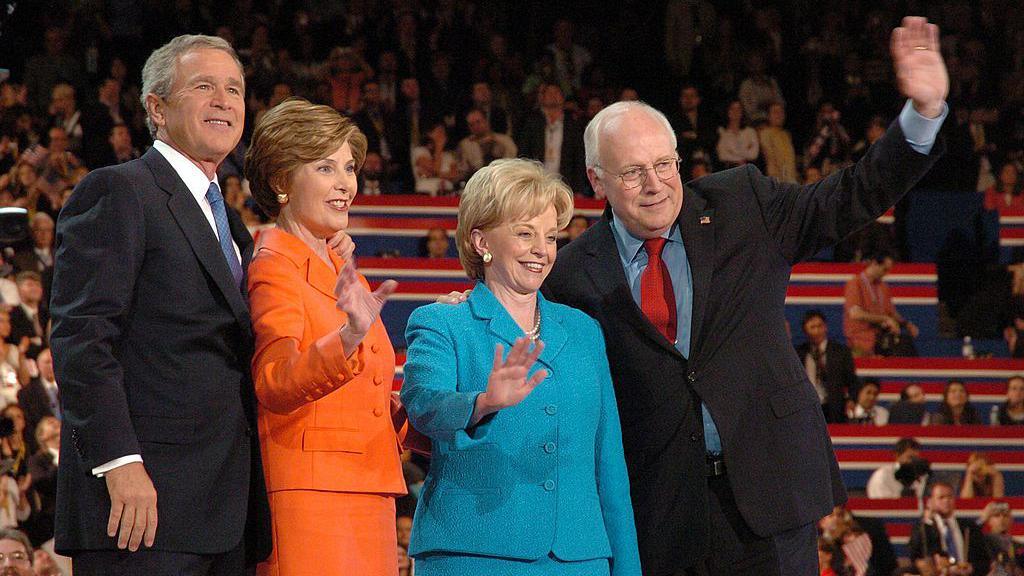
Reactions to Cheney's death have been mixed, reflecting his complex legacy. Former President George W. Bush described Cheney as "a calm and steady presence in the White House amid great national challenges," praising his integrity and dedication to public service. Condoleezza Rice and other political figures echoed these sentiments, highlighting his commitment to national security.
However, Cheney's role in controversial policies, such as the use of enhanced interrogation techniques and the establishment of Guantánamo Bay, has drawn sharp criticism. Iraqi writer Sinan Antoon and US Army veteran Kristofer Goldsmith have condemned his actions, citing the chaos and loss of life resulting from the Iraq invasion.
A Divisive Figure
Cheney's later years saw him become a critic of Donald Trump, despite being a stalwart of the Republican party. His opposition to Trumpism, however, did not erase the perception that his policies laid the groundwork for the current political climate. His advocacy for a strong executive branch and controversial security measures are seen by some as precursors to the excesses of the Trump era.
Personal Reflections
Beyond politics, Cheney's life was marked by personal challenges, including multiple heart attacks and a notorious hunting accident in 2006. Despite these incidents, he remained a formidable presence in American politics until his death.
WHAT THIS MIGHT MEAN
Cheney's death may prompt renewed debate over his legacy, particularly his role in shaping US foreign policy and the Republican party's trajectory. As the nation reflects on his contributions and controversies, discussions may arise about the long-term impacts of his policies, especially in the context of current geopolitical tensions.
Politically, Cheney's passing could influence the Republican party's internal dynamics, especially among those who view his opposition to Trump as a call for a return to traditional conservative values. As the party grapples with its identity, Cheney's legacy may serve as both a cautionary tale and a source of inspiration for future leaders.
Images from the Web
Related Articles
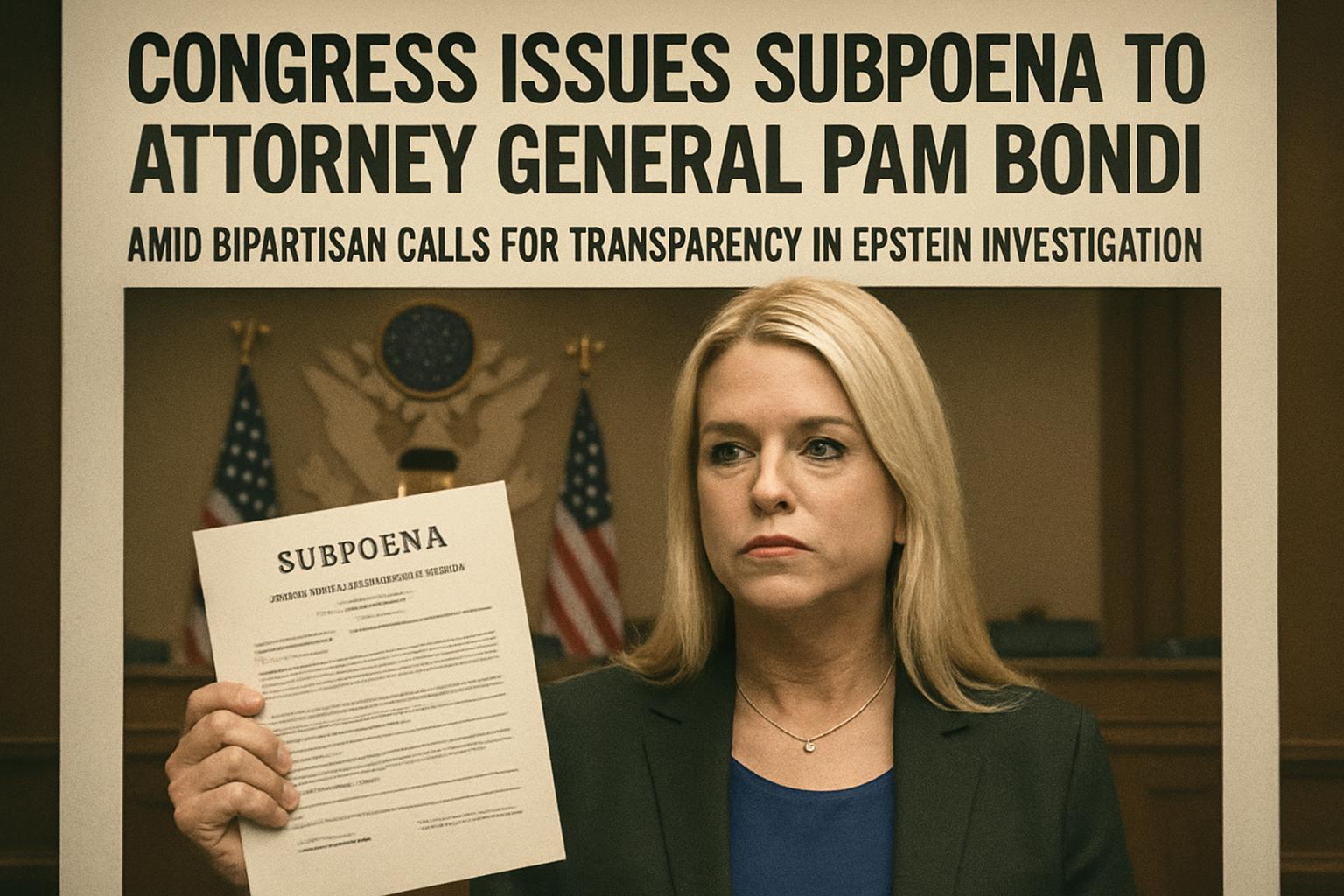
Congress Subpoenas Attorney General Bondi in Epstein Investigation
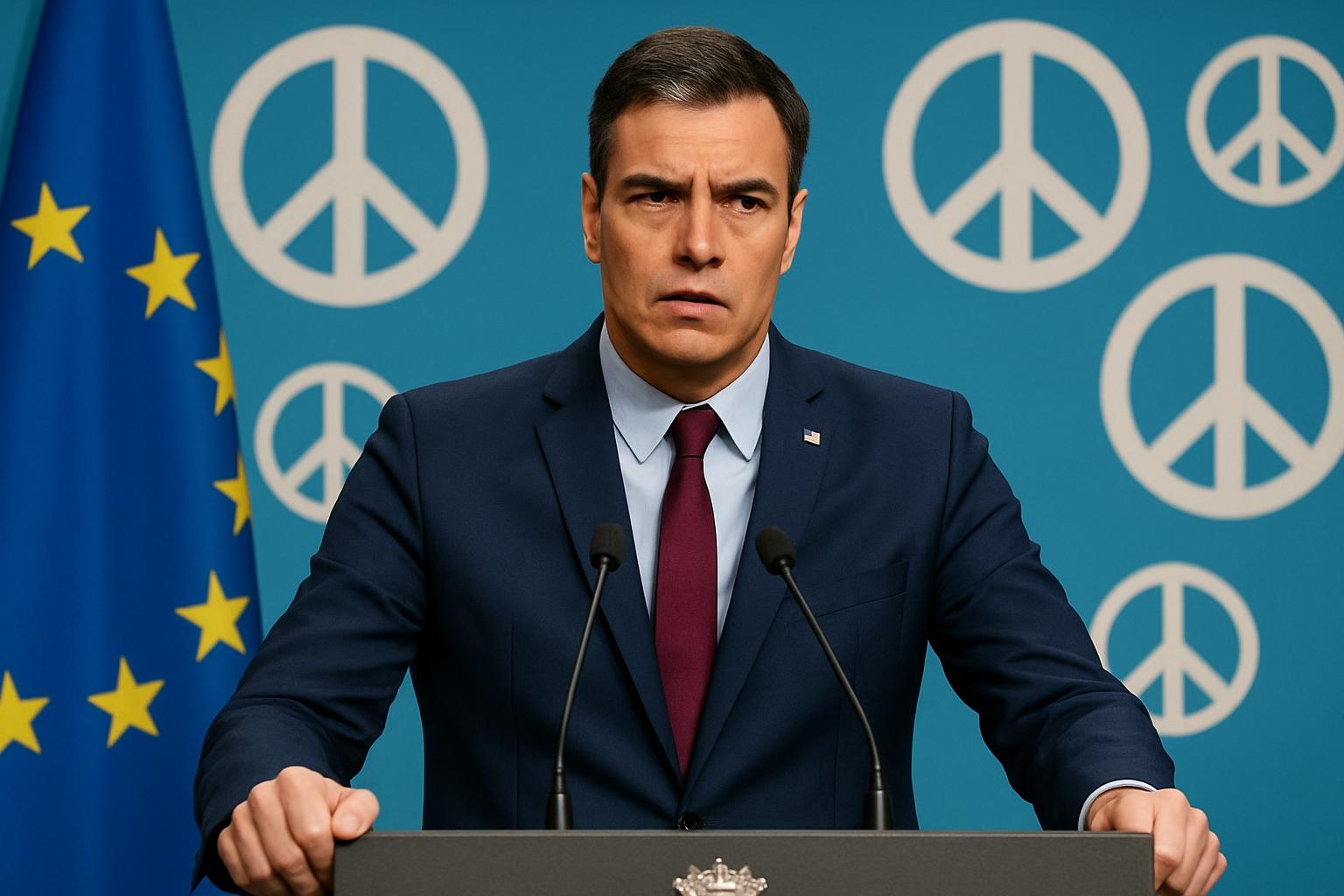
Spain's Sánchez Stands Firm Against Trump's Trade Threat Over Iran Stance

Tech Giants Pledge to Cover AI Data Center Energy Costs Amid Rising Electricity Concerns

Cuba Faces Widespread Blackout Amid Deepening Fuel Crisis

UK Faces Dilemmas Amid Iran Conflict and China Spying Allegations
Senate Blocks Resolution to Limit Trump's Military Actions in Iran
Dick Cheney: A Controversial Legacy in American Politics
In This Article
 Alex Carter| Published
 HIGHLIGHTS
- Former Vice President Dick Cheney passed away at 84 due to complications from pneumonia and cardiac disease.
- Cheney, a key figure in the Bush administration, was instrumental in the Iraq War and the broader "war on terror."
- His legacy remains divisive, with tributes from figures like George W. Bush and criticism from others for his controversial policies.
- Cheney's influence extended beyond his vice-presidency, shaping US foreign policy and the Republican party's direction.
- Despite his later opposition to Donald Trump, Cheney's actions are seen by some as paving the way for Trumpism.
Former US Vice President Dick Cheney, a towering figure in American politics, has died at the age of 84. His passing, due to complications from pneumonia and cardiac disease, marks the end of a career that left an indelible mark on the United States and its foreign policy.
A Powerful Vice Presidency
Cheney served as vice president under George W. Bush from 2001 to 2009, a period marked by significant global upheaval. Known for his assertive approach, Cheney was a key architect of the Iraq War and the broader "war on terror" following the 9/11 attacks. His influence was so profound that he was often referred to as the "real president," a characterization Bush himself disputed.
Tributes and Criticisms
Reactions to Cheney's death have been mixed, reflecting his complex legacy. Former President George W. Bush described Cheney as "a calm and steady presence in the White House amid great national challenges," praising his integrity and dedication to public service. Condoleezza Rice and other political figures echoed these sentiments, highlighting his commitment to national security.
However, Cheney's role in controversial policies, such as the use of enhanced interrogation techniques and the establishment of Guantánamo Bay, has drawn sharp criticism. Iraqi writer Sinan Antoon and US Army veteran Kristofer Goldsmith have condemned his actions, citing the chaos and loss of life resulting from the Iraq invasion.
A Divisive Figure
Cheney's later years saw him become a critic of Donald Trump, despite being a stalwart of the Republican party. His opposition to Trumpism, however, did not erase the perception that his policies laid the groundwork for the current political climate. His advocacy for a strong executive branch and controversial security measures are seen by some as precursors to the excesses of the Trump era.
Personal Reflections
Beyond politics, Cheney's life was marked by personal challenges, including multiple heart attacks and a notorious hunting accident in 2006. Despite these incidents, he remained a formidable presence in American politics until his death.
WHAT THIS MIGHT MEAN
Cheney's death may prompt renewed debate over his legacy, particularly his role in shaping US foreign policy and the Republican party's trajectory. As the nation reflects on his contributions and controversies, discussions may arise about the long-term impacts of his policies, especially in the context of current geopolitical tensions.
Politically, Cheney's passing could influence the Republican party's internal dynamics, especially among those who view his opposition to Trump as a call for a return to traditional conservative values. As the party grapples with its identity, Cheney's legacy may serve as both a cautionary tale and a source of inspiration for future leaders.
Images from the Web
Related Articles
Congress Subpoenas Attorney General Bondi in Epstein Investigation
Spain's Sánchez Stands Firm Against Trump's Trade Threat Over Iran Stance
Tech Giants Pledge to Cover AI Data Center Energy Costs Amid Rising Electricity Concerns
Cuba Faces Widespread Blackout Amid Deepening Fuel Crisis
UK Faces Dilemmas Amid Iran Conflict and China Spying Allegations
Senate Blocks Resolution to Limit Trump's Military Actions in Iran