
DOJ Faces Backlash Over Partial Release of Jeffrey Epstein Files
In This Article
HIGHLIGHTS
- The Department of Justice (DOJ) began releasing files related to Jeffrey Epstein, but not all documents were released by the mandated deadline.
- The Epstein Files Transparency Act requires the DOJ to release all unclassified documents related to Epstein within 30 days of the law's enactment.
- Deputy Attorney General Todd Blanche stated that several hundred thousand pages will be released initially, with more to follow in the coming weeks.
- Congressional leaders, including Chuck Schumer, criticized the DOJ for not meeting the deadline, suggesting it violates federal law.
- The files are expected to be heavily redacted to protect the identities of victims involved in the Epstein investigation.
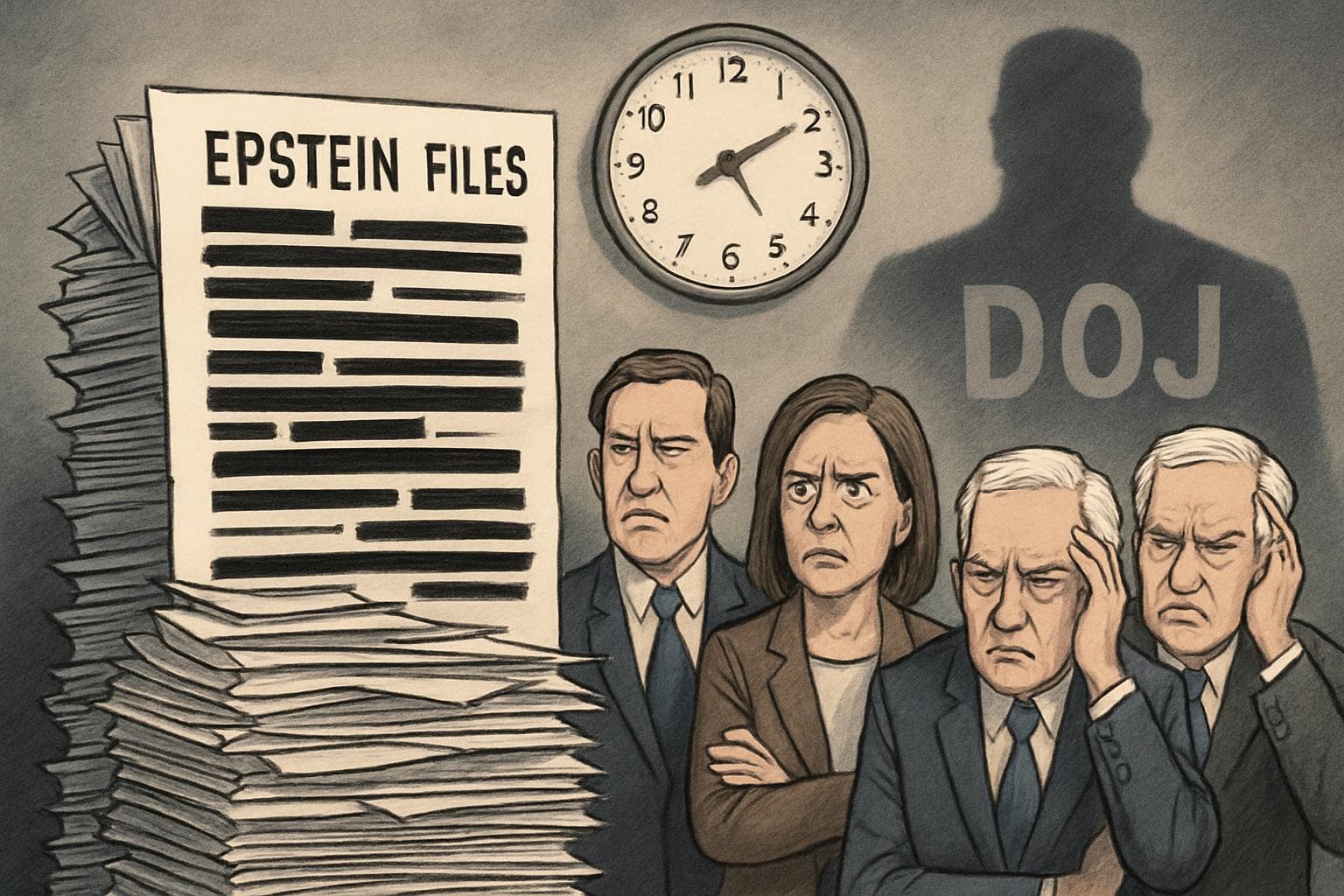
The U.S. Department of Justice (DOJ) has initiated the release of documents related to the late financier and convicted sex offender Jeffrey Epstein, but has not met the full disclosure deadline set by the Epstein Files Transparency Act. This partial release has sparked criticism from lawmakers who argue that the DOJ is violating federal law by not releasing all the files as mandated.
Initial Release and Legal Mandate
Deputy Attorney General Todd Blanche announced on Friday that the DOJ would release several hundred thousand pages of documents, with additional materials to follow in the coming weeks. The Epstein Files Transparency Act, passed by Congress and signed into law by former President Donald Trump, requires the DOJ to make all unclassified records related to Epstein publicly available within 30 days of the law's enactment. However, Blanche emphasized the need to protect the identities of victims, which may result in significant redactions.
Congressional Criticism and Legal Concerns
The delay in releasing the full set of documents has drawn sharp rebukes from Capitol Hill. Senate Minority Leader Chuck Schumer and other Democratic leaders have accused the DOJ of breaking the law by not adhering to the deadline. "The survivors of this nightmare deserve justice, and the American people deserve complete transparency," stated Representatives Robert Garcia and Jamie Raskin, highlighting the importance of accountability in the Epstein investigation.
Ongoing Release and Victim Protection
Despite the criticism, Blanche assured that the DOJ is committed to a thorough review process to ensure victim protection. "We are looking at every single piece of paper to make sure every victim's identity is protected," Blanche told Fox & Friends. The DOJ plans to release additional documents in the coming weeks, with the initial batch including various forms of media such as photographs and investigative materials.
WHAT THIS MIGHT MEAN
The partial release of the Epstein files raises questions about the DOJ's compliance with the Epstein Files Transparency Act and the potential legal ramifications of not meeting the mandated deadline. If the DOJ fails to release all required documents, it could face legal challenges from lawmakers and advocacy groups seeking full transparency. Additionally, the heavily redacted nature of the documents may lead to further scrutiny and demands for more comprehensive disclosure.
As the DOJ continues to release documents, the focus will likely remain on ensuring victim protection while balancing the public's right to information. The ongoing release process may also uncover new details about Epstein's connections with high-profile figures, potentially impacting political and legal landscapes. Lawmakers and the public will be closely monitoring the situation to ensure accountability and justice for the victims involved.
Related Articles

Armed Intruder Fatally Shot at Mar-a-Lago by Secret Service
Congress Subpoenas Attorney General Bondi in Epstein Investigation

Trump's New Tariff Strategy Sparks Global Trade Uncertainty

Tech Giants Pledge to Cover AI Data Center Energy Costs Amid Rising Electricity Concerns

Cuba Faces Widespread Blackout Amid Deepening Fuel Crisis

UK Faces Dilemmas Amid Iran Conflict and China Spying Allegations
DOJ Faces Backlash Over Partial Release of Jeffrey Epstein Files
In This Article
 Sofia Romano| Published
 HIGHLIGHTS
- The Department of Justice (DOJ) began releasing files related to Jeffrey Epstein, but not all documents were released by the mandated deadline.
- The Epstein Files Transparency Act requires the DOJ to release all unclassified documents related to Epstein within 30 days of the law's enactment.
- Deputy Attorney General Todd Blanche stated that several hundred thousand pages will be released initially, with more to follow in the coming weeks.
- Congressional leaders, including Chuck Schumer, criticized the DOJ for not meeting the deadline, suggesting it violates federal law.
- The files are expected to be heavily redacted to protect the identities of victims involved in the Epstein investigation.
The U.S. Department of Justice (DOJ) has initiated the release of documents related to the late financier and convicted sex offender Jeffrey Epstein, but has not met the full disclosure deadline set by the Epstein Files Transparency Act. This partial release has sparked criticism from lawmakers who argue that the DOJ is violating federal law by not releasing all the files as mandated.
Initial Release and Legal Mandate
Deputy Attorney General Todd Blanche announced on Friday that the DOJ would release several hundred thousand pages of documents, with additional materials to follow in the coming weeks. The Epstein Files Transparency Act, passed by Congress and signed into law by former President Donald Trump, requires the DOJ to make all unclassified records related to Epstein publicly available within 30 days of the law's enactment. However, Blanche emphasized the need to protect the identities of victims, which may result in significant redactions.
Congressional Criticism and Legal Concerns
The delay in releasing the full set of documents has drawn sharp rebukes from Capitol Hill. Senate Minority Leader Chuck Schumer and other Democratic leaders have accused the DOJ of breaking the law by not adhering to the deadline. "The survivors of this nightmare deserve justice, and the American people deserve complete transparency," stated Representatives Robert Garcia and Jamie Raskin, highlighting the importance of accountability in the Epstein investigation.
Ongoing Release and Victim Protection
Despite the criticism, Blanche assured that the DOJ is committed to a thorough review process to ensure victim protection. "We are looking at every single piece of paper to make sure every victim's identity is protected," Blanche told Fox & Friends. The DOJ plans to release additional documents in the coming weeks, with the initial batch including various forms of media such as photographs and investigative materials.
WHAT THIS MIGHT MEAN
The partial release of the Epstein files raises questions about the DOJ's compliance with the Epstein Files Transparency Act and the potential legal ramifications of not meeting the mandated deadline. If the DOJ fails to release all required documents, it could face legal challenges from lawmakers and advocacy groups seeking full transparency. Additionally, the heavily redacted nature of the documents may lead to further scrutiny and demands for more comprehensive disclosure.
As the DOJ continues to release documents, the focus will likely remain on ensuring victim protection while balancing the public's right to information. The ongoing release process may also uncover new details about Epstein's connections with high-profile figures, potentially impacting political and legal landscapes. Lawmakers and the public will be closely monitoring the situation to ensure accountability and justice for the victims involved.
Related Articles
Armed Intruder Fatally Shot at Mar-a-Lago by Secret Service
Congress Subpoenas Attorney General Bondi in Epstein Investigation
Trump's New Tariff Strategy Sparks Global Trade Uncertainty
Tech Giants Pledge to Cover AI Data Center Energy Costs Amid Rising Electricity Concerns
Cuba Faces Widespread Blackout Amid Deepening Fuel Crisis
UK Faces Dilemmas Amid Iran Conflict and China Spying Allegations