
Arrest of Don Lemon Sparks Press Freedom Concerns Amid Minnesota Church Protest
In This Article
HIGHLIGHTS
- Don Lemon, former CNN anchor, was arrested for allegedly violating federal law during a protest at a Minnesota church.
- Lemon and three others were charged with interfering with religious freedom and violating the FACE Act.
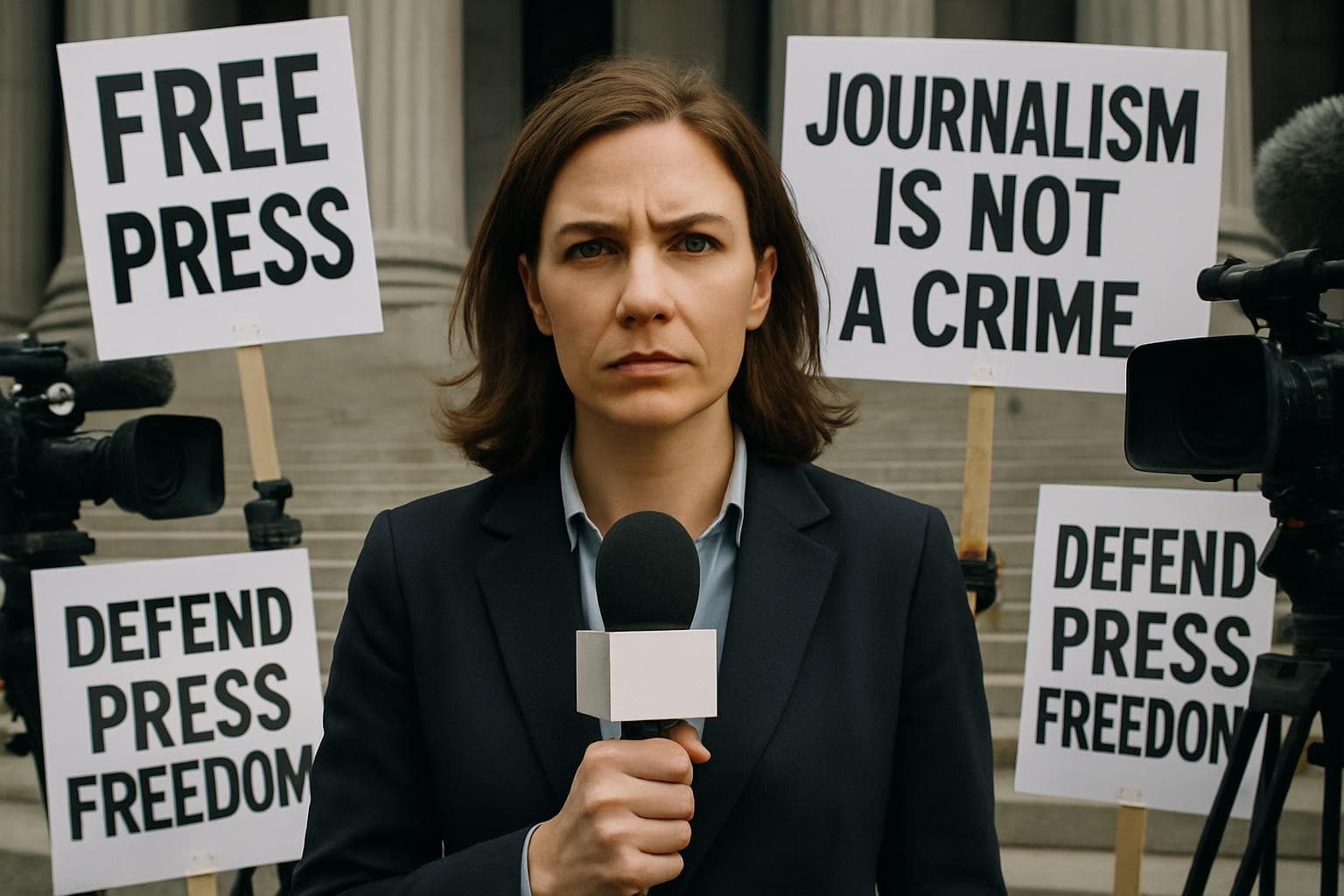
- Press freedom groups have condemned the arrests as a threat to media rights under the First Amendment.
- Lemon, arrested in Los Angeles, claims his detention is an attack on press freedom and vows to fight the charges.
- The Trump administration's actions against journalists have sparked widespread criticism and concern over press freedom.
In a case that has ignited a fierce debate over press freedom, former CNN anchor Don Lemon was arrested on charges related to a protest at a Minnesota church. The protest, which took place on January 18, was against immigration enforcement actions. Lemon, along with three others, faces charges of interfering with religious freedom and violating the Freedom of Access to Clinic Entrances (FACE) Act.
Arrest and Charges
Lemon was taken into custody by federal agents in Los Angeles, where he was covering the Grammy Awards. The Department of Homeland Security (DHS) charged him with "conspiracy to deprive rights" and violating the FACE Act, which traditionally protects access to reproductive health clinics and places of worship. The charges stem from Lemon's alleged involvement in a protest at the Cities Church in St. Paul, where demonstrators accused a pastor of being an immigration enforcement official.
Press Freedom Concerns
The arrests have drawn sharp criticism from press freedom advocates. Jameel Jaffer, executive director of the Knight First Amendment Institute, expressed alarm over the Justice Department's actions, stating, "Reporting on protests isn’t a crime – it’s protected by the First Amendment." The International Press Institute and the National Association of Black Journalists have also condemned the arrests, highlighting concerns over selective targeting of journalists, particularly those from marginalized communities.
Lemon's Response
Outside the courthouse, Lemon remained defiant, asserting his commitment to journalism. "I have spent my entire career covering the news. I will not stop now," he declared. Lemon's lawyer, Abbe Lowell, described the arrest as an "unprecedented attack on the First Amendment" and vowed to fight the charges vigorously in court.
Broader Implications
The Trump administration's actions have been criticized as part of a broader effort to suppress media freedom. The White House's celebratory post on social media following Lemon's arrest has further fueled concerns about the administration's stance on press freedom. The outcome of this case could have significant implications for journalists' rights and the future of free media in the United States.
WHAT THIS MIGHT MEAN
The legal proceedings against Don Lemon and his co-defendants could set a precedent for how journalists are treated when covering protests, particularly those involving sensitive issues like immigration enforcement. If the charges are upheld, it may embolden further actions against journalists, potentially chilling media coverage of controversial events. Conversely, a dismissal or acquittal could reinforce protections for journalists under the First Amendment, reaffirming their role in holding power to account. Legal experts and press freedom advocates will be closely watching the case, as its outcome could have lasting implications for press freedom in the United States.
Related Articles
Spain's Sánchez Stands Firm Against Trump's Trade Threat Over Iran Stance

Iran Postpones Khamenei Funeral Amid Escalating US-Israeli Strikes

US-Iran Tensions Escalate Amid Renewed Nuclear Talks and Protests
Trump Criticizes Supreme Court After Tariff Ruling, Imposes New Global Tariff

Tech Giants Pledge to Cover AI Data Center Energy Costs Amid Rising Electricity Concerns

Canada Calls for De-escalation Amid US-Israel Strikes on Iran
Arrest of Don Lemon Sparks Press Freedom Concerns Amid Minnesota Church Protest
In This Article
 Ethan Brooks| Published
 HIGHLIGHTS
- Don Lemon, former CNN anchor, was arrested for allegedly violating federal law during a protest at a Minnesota church.
- Lemon and three others were charged with interfering with religious freedom and violating the FACE Act.
- Press freedom groups have condemned the arrests as a threat to media rights under the First Amendment.
- Lemon, arrested in Los Angeles, claims his detention is an attack on press freedom and vows to fight the charges.
- The Trump administration's actions against journalists have sparked widespread criticism and concern over press freedom.
In a case that has ignited a fierce debate over press freedom, former CNN anchor Don Lemon was arrested on charges related to a protest at a Minnesota church. The protest, which took place on January 18, was against immigration enforcement actions. Lemon, along with three others, faces charges of interfering with religious freedom and violating the Freedom of Access to Clinic Entrances (FACE) Act.
Arrest and Charges
Lemon was taken into custody by federal agents in Los Angeles, where he was covering the Grammy Awards. The Department of Homeland Security (DHS) charged him with "conspiracy to deprive rights" and violating the FACE Act, which traditionally protects access to reproductive health clinics and places of worship. The charges stem from Lemon's alleged involvement in a protest at the Cities Church in St. Paul, where demonstrators accused a pastor of being an immigration enforcement official.
Press Freedom Concerns
The arrests have drawn sharp criticism from press freedom advocates. Jameel Jaffer, executive director of the Knight First Amendment Institute, expressed alarm over the Justice Department's actions, stating, "Reporting on protests isn’t a crime – it’s protected by the First Amendment." The International Press Institute and the National Association of Black Journalists have also condemned the arrests, highlighting concerns over selective targeting of journalists, particularly those from marginalized communities.
Lemon's Response
Outside the courthouse, Lemon remained defiant, asserting his commitment to journalism. "I have spent my entire career covering the news. I will not stop now," he declared. Lemon's lawyer, Abbe Lowell, described the arrest as an "unprecedented attack on the First Amendment" and vowed to fight the charges vigorously in court.
Broader Implications
The Trump administration's actions have been criticized as part of a broader effort to suppress media freedom. The White House's celebratory post on social media following Lemon's arrest has further fueled concerns about the administration's stance on press freedom. The outcome of this case could have significant implications for journalists' rights and the future of free media in the United States.
WHAT THIS MIGHT MEAN
The legal proceedings against Don Lemon and his co-defendants could set a precedent for how journalists are treated when covering protests, particularly those involving sensitive issues like immigration enforcement. If the charges are upheld, it may embolden further actions against journalists, potentially chilling media coverage of controversial events. Conversely, a dismissal or acquittal could reinforce protections for journalists under the First Amendment, reaffirming their role in holding power to account. Legal experts and press freedom advocates will be closely watching the case, as its outcome could have lasting implications for press freedom in the United States.
Related Articles
Spain's Sánchez Stands Firm Against Trump's Trade Threat Over Iran Stance
Iran Postpones Khamenei Funeral Amid Escalating US-Israeli Strikes
US-Iran Tensions Escalate Amid Renewed Nuclear Talks and Protests
Trump Criticizes Supreme Court After Tariff Ruling, Imposes New Global Tariff
Tech Giants Pledge to Cover AI Data Center Energy Costs Amid Rising Electricity Concerns
Canada Calls for De-escalation Amid US-Israel Strikes on Iran