
DR Congo and Rwanda Sign Landmark Peace Deal Amid Controversy Over Mineral Rights
In This Article
HIGHLIGHTS
- DR Congo and Rwanda have signed a peace deal in Washington, aiming to end decades of conflict in eastern Congo.
- The agreement includes the disarmament of armed groups and a 90-day timeline for Rwandan troop withdrawal.
- The US has secured access to DRC's mineral wealth as part of the deal, sparking controversy over resource control.
- The M23 rebel group, accused of being backed by Rwanda, remains a significant challenge to peace efforts.
- The deal, mediated by Qatar and the US, also proposes a regional economic integration framework.
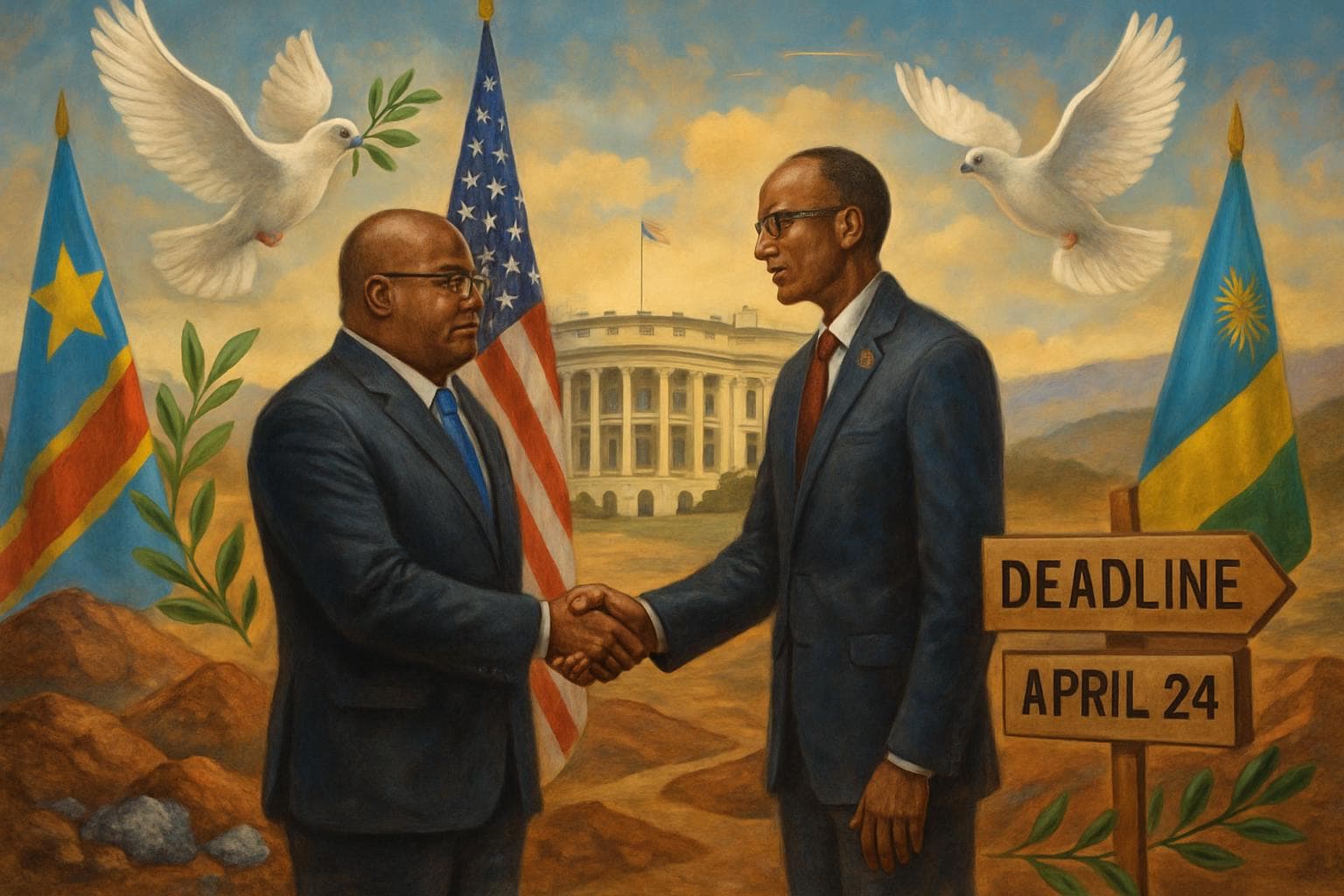
In a significant diplomatic move, the Democratic Republic of Congo (DRC) and Rwanda have signed a peace agreement in Washington, aiming to bring an end to the long-standing conflict in eastern Congo. The deal, which was mediated by Qatar and the United States, seeks to disarm and disengage armed groups in the region, with a particular focus on the M23 rebel group, which has been a major player in the ongoing violence.
Ceasefire and Disarmament
The peace agreement stipulates the "disengagement, disarmament, and conditional integration" of armed factions operating in eastern DRC. A critical component of the deal is the withdrawal of Rwandan troops from the region within 90 days, a move that has been met with both optimism and skepticism. Despite Rwanda's denial of supporting the M23 rebels, the group has been accused by the DRC, the UN, and other international bodies of receiving backing from Kigali.
US Secures Mineral Rights
A contentious aspect of the agreement is the United States' acquisition of mineral rights in the DRC, a nation rich in resources such as coltan, essential for modern electronics. President Donald Trump, who hailed the deal as a "glorious triumph," emphasized the economic benefits for the US, stating that the agreement would provide significant access to these valuable resources. This development has raised concerns among Congolese citizens, who fear that their country's wealth may not translate into improved living conditions.
Challenges Ahead
The peace deal faces numerous hurdles, including the integration of non-state armed groups into the Congolese military and ensuring compliance with the ceasefire. The presence of the FDLR militia, composed largely of ethnic Hutus linked to the 1994 Rwandan genocide, remains a point of contention. The agreement calls for the "neutralization" of the FDLR, a demand that Rwanda has long insisted upon.
Economic Integration and Future Prospects
In addition to addressing security concerns, the agreement outlines a plan for regional economic integration, set to be launched within 90 days. This initiative aims to foster economic cooperation and development in the region, offering a glimmer of hope for a more stable future. However, the success of this framework will largely depend on the commitment of all parties involved to uphold the terms of the peace deal.
WHAT THIS MIGHT MEAN
The signing of the peace agreement marks a pivotal moment in the efforts to stabilize eastern Congo, yet the path forward is fraught with challenges. The withdrawal of Rwandan troops and the disarmament of rebel groups like M23 will be critical tests of the deal's viability. Should these measures succeed, it could pave the way for long-term peace and economic growth in the region.
However, the controversy surrounding US mineral rights could lead to domestic unrest in the DRC, as citizens demand greater transparency and equitable distribution of their country's wealth. The international community will need to monitor the implementation of the agreement closely, ensuring that it leads to tangible benefits for the Congolese people.
Ultimately, the peace deal's success will hinge on the willingness of all parties to prioritize peace over profit, and to address the root causes of the conflict, including ethnic tensions and resource exploitation.
Related Articles
Cuba Faces Widespread Blackout Amid Deepening Fuel Crisis

UK Faces Dilemmas Amid Iran Conflict and China Spying Allegations
China Sets Lowest GDP Growth Target in Decades Amid Economic Challenges

Tech Giants Pledge to Cover AI Data Center Energy Costs Amid Rising Electricity Concerns

Congress Subpoenas Attorney General Bondi in Epstein Investigation

Google Faces Legal Battle Over AI Chatbot's Alleged Role in Tragic Death
DR Congo and Rwanda Sign Landmark Peace Deal Amid Controversy Over Mineral Rights
In This Article
 James Okoro| Published
 HIGHLIGHTS
- DR Congo and Rwanda have signed a peace deal in Washington, aiming to end decades of conflict in eastern Congo.
- The agreement includes the disarmament of armed groups and a 90-day timeline for Rwandan troop withdrawal.
- The US has secured access to DRC's mineral wealth as part of the deal, sparking controversy over resource control.
- The M23 rebel group, accused of being backed by Rwanda, remains a significant challenge to peace efforts.
- The deal, mediated by Qatar and the US, also proposes a regional economic integration framework.
In a significant diplomatic move, the Democratic Republic of Congo (DRC) and Rwanda have signed a peace agreement in Washington, aiming to bring an end to the long-standing conflict in eastern Congo. The deal, which was mediated by Qatar and the United States, seeks to disarm and disengage armed groups in the region, with a particular focus on the M23 rebel group, which has been a major player in the ongoing violence.
Ceasefire and Disarmament
The peace agreement stipulates the "disengagement, disarmament, and conditional integration" of armed factions operating in eastern DRC. A critical component of the deal is the withdrawal of Rwandan troops from the region within 90 days, a move that has been met with both optimism and skepticism. Despite Rwanda's denial of supporting the M23 rebels, the group has been accused by the DRC, the UN, and other international bodies of receiving backing from Kigali.
US Secures Mineral Rights
A contentious aspect of the agreement is the United States' acquisition of mineral rights in the DRC, a nation rich in resources such as coltan, essential for modern electronics. President Donald Trump, who hailed the deal as a "glorious triumph," emphasized the economic benefits for the US, stating that the agreement would provide significant access to these valuable resources. This development has raised concerns among Congolese citizens, who fear that their country's wealth may not translate into improved living conditions.
Challenges Ahead
The peace deal faces numerous hurdles, including the integration of non-state armed groups into the Congolese military and ensuring compliance with the ceasefire. The presence of the FDLR militia, composed largely of ethnic Hutus linked to the 1994 Rwandan genocide, remains a point of contention. The agreement calls for the "neutralization" of the FDLR, a demand that Rwanda has long insisted upon.
Economic Integration and Future Prospects
In addition to addressing security concerns, the agreement outlines a plan for regional economic integration, set to be launched within 90 days. This initiative aims to foster economic cooperation and development in the region, offering a glimmer of hope for a more stable future. However, the success of this framework will largely depend on the commitment of all parties involved to uphold the terms of the peace deal.
WHAT THIS MIGHT MEAN
The signing of the peace agreement marks a pivotal moment in the efforts to stabilize eastern Congo, yet the path forward is fraught with challenges. The withdrawal of Rwandan troops and the disarmament of rebel groups like M23 will be critical tests of the deal's viability. Should these measures succeed, it could pave the way for long-term peace and economic growth in the region.
However, the controversy surrounding US mineral rights could lead to domestic unrest in the DRC, as citizens demand greater transparency and equitable distribution of their country's wealth. The international community will need to monitor the implementation of the agreement closely, ensuring that it leads to tangible benefits for the Congolese people.
Ultimately, the peace deal's success will hinge on the willingness of all parties to prioritize peace over profit, and to address the root causes of the conflict, including ethnic tensions and resource exploitation.
Related Articles
Cuba Faces Widespread Blackout Amid Deepening Fuel Crisis
UK Faces Dilemmas Amid Iran Conflict and China Spying Allegations
China Sets Lowest GDP Growth Target in Decades Amid Economic Challenges
Tech Giants Pledge to Cover AI Data Center Energy Costs Amid Rising Electricity Concerns
Congress Subpoenas Attorney General Bondi in Epstein Investigation
Google Faces Legal Battle Over AI Chatbot's Alleged Role in Tragic Death