
Dutch Government Halts Intervention in Chinese-Owned Chipmaker Nexperia Amid EU-China Tensions
In This Article
HIGHLIGHTS
- The Dutch government has suspended its intervention in Nexperia, a Chinese-owned chipmaker, following constructive talks with China.
- The intervention was initially prompted by governance concerns and fears over semiconductor supply chain disruptions.
- China had responded by blocking exports of Nexperia chips, affecting global car production, but lifted the ban on November 9.
- The decision to suspend intervention aims to ease tensions between the European Union and China, with further talks planned.
- The Dutch court had previously ordered the removal of Nexperia's CEO due to alleged mismanagement, which remains a contentious issue.
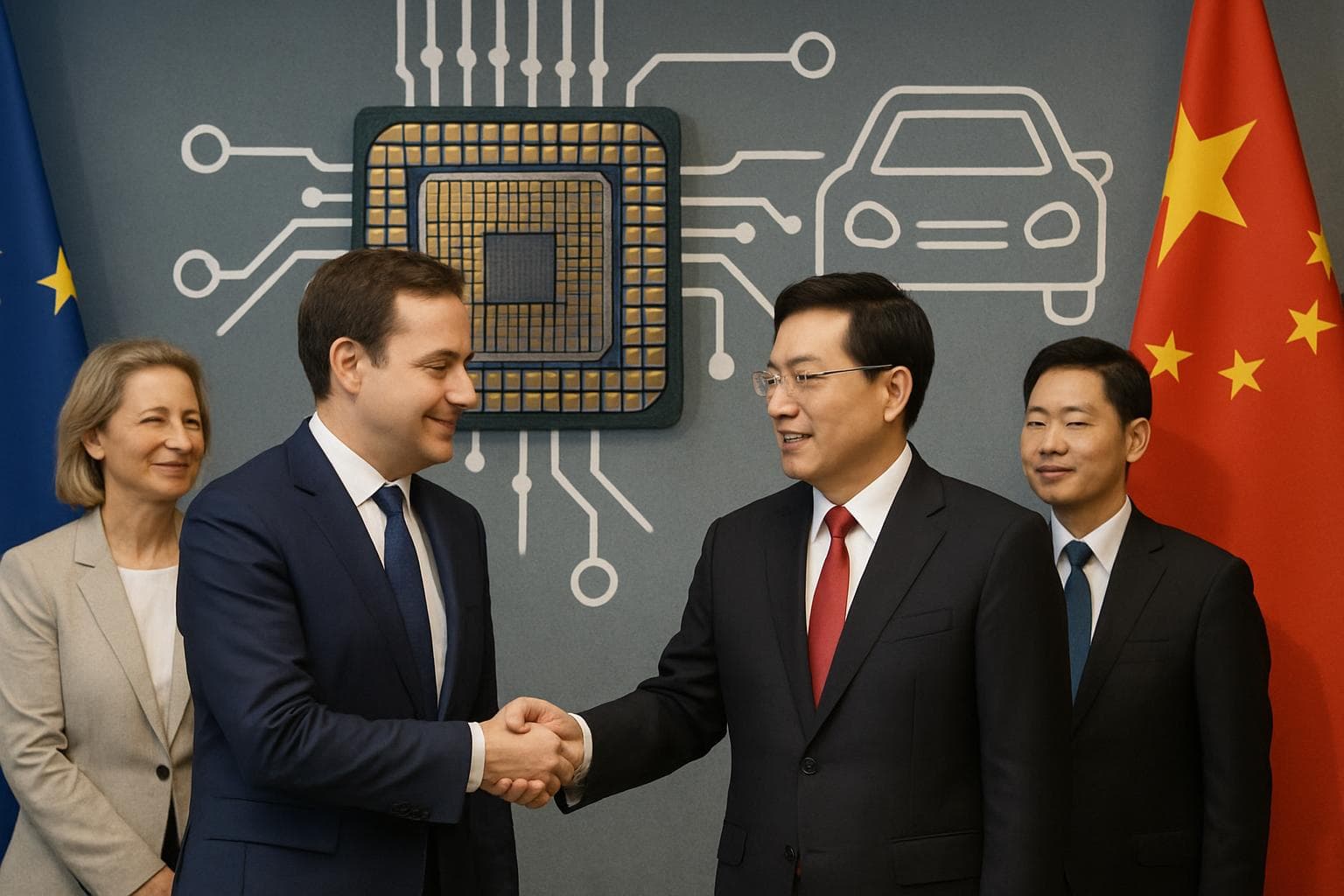
The Dutch government has decided to suspend its intervention in Nexperia, a Chinese-owned chipmaker, following a series of constructive discussions with Chinese authorities. This move comes after a six-week dispute that threatened to disrupt global car production due to semiconductor supply chain issues.
Background of the Intervention
The intervention, initiated on September 30, was driven by concerns over governance shortcomings and the potential impact on the European semiconductor supply chain. The Dutch government, under the Goods Availability Act, sought to prevent the improper transfer of assets and technology from Nexperia, which is owned by China's Wingtech Technology. The intervention was seen as a necessary step to safeguard European strategic autonomy and security of supply.
China's Response and Lifting of Export Ban
In retaliation, China imposed a ban on the export of Nexperia chips, which are crucial for car manufacturers worldwide. This led to significant disruptions, with companies like Volkswagen and Honda facing potential production halts. However, on November 9, China lifted the export ban, allowing chip supplies to resume to factories in Germany and Mexico.
Diplomatic Developments and Future Talks
The decision to suspend the intervention was announced by Dutch Economic Affairs Minister Vincent Karremans, who emphasized the importance of maintaining a constructive dialogue with China. "We are positive about the measures already taken by the Chinese authorities to ensure the supply of chips to Europe and the rest of the world," Karremans stated. The move is expected to ease tensions between the European Union and China, which have been strained over trade issues and Beijing's ties with Russia.
Ongoing Legal and Corporate Challenges
Despite the suspension, legal challenges remain. A Dutch court had previously ordered the removal of Nexperia's CEO, Zhang Xuezheng, citing alleged mismanagement. Wingtech has strongly rejected these allegations and plans to contest the decision. The situation highlights ongoing concerns about the governance of Chinese-owned entities operating within Europe.
WHAT THIS MIGHT MEAN
The suspension of the Dutch government's intervention in Nexperia marks a significant step towards resolving tensions between the European Union and China. However, the underlying issues of governance and strategic autonomy in the semiconductor supply chain remain unresolved. Future negotiations will likely focus on establishing a framework that ensures the security of supply while addressing concerns over foreign ownership and control.
The outcome of these talks could have broader implications for EU-China trade relations, particularly in the context of increasing geopolitical tensions. Experts suggest that a balanced approach, emphasizing cooperation and mutual benefit, will be crucial in navigating these complex dynamics. As the global demand for semiconductors continues to rise, the resolution of this dispute will be closely watched by industry stakeholders and policymakers alike.
Related Articles
Trump's Tariff Strategy Faces Supreme Court Setback, New Measures Announced
Trump's Tariff Strategy Faces Supreme Court Setback, Sparks New Trade Policy
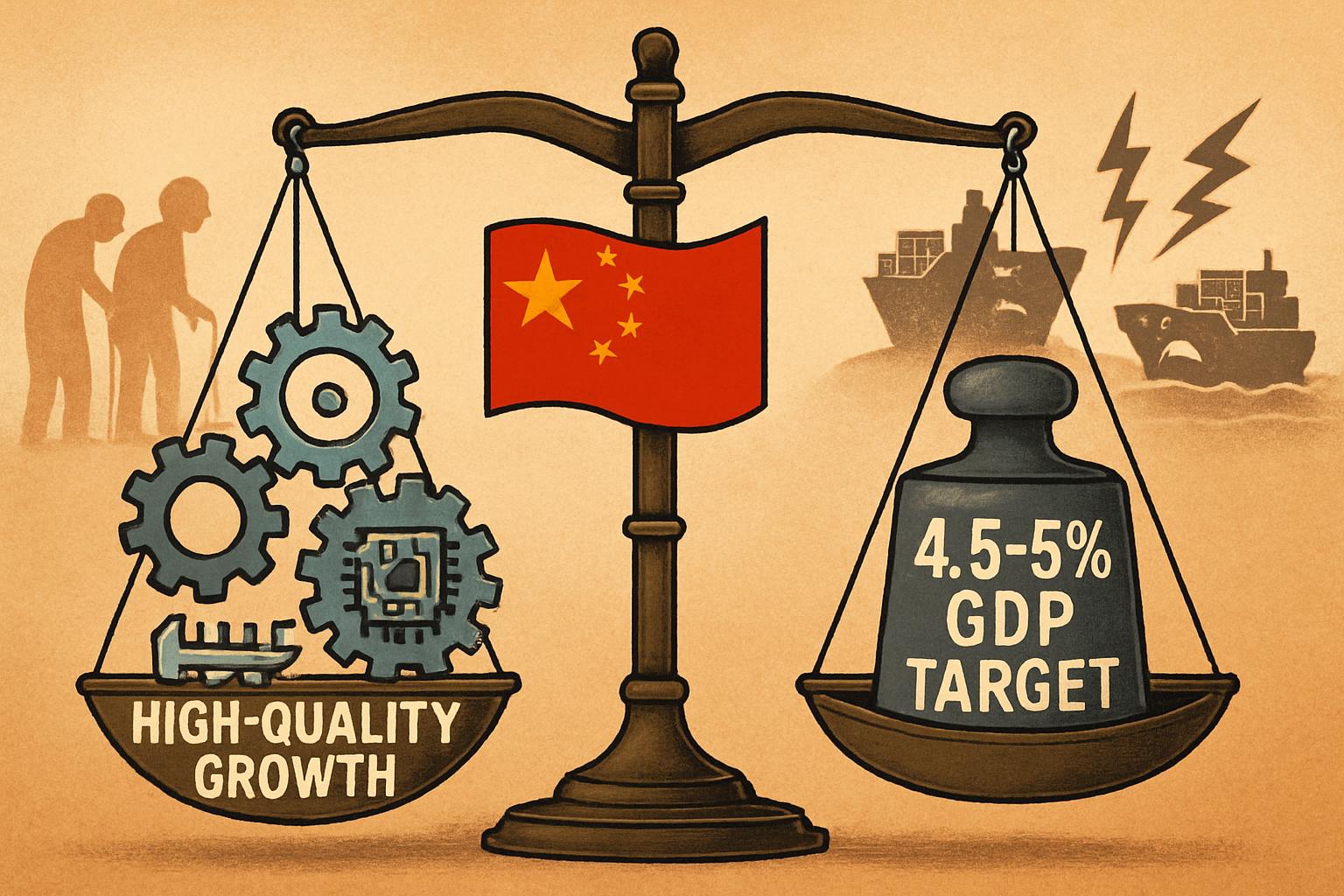
China Sets Lowest GDP Growth Target in Decades Amid Economic Challenges
Trump's New Tariff Strategy Sparks Global Trade Uncertainty
US Supreme Court Ruling on Trump's Tariffs Sparks Trade Policy Uncertainty

Russian LNG Tanker Sinks in Mediterranean Amid Accusations of Ukrainian Drone Attack
Dutch Government Halts Intervention in Chinese-Owned Chipmaker Nexperia Amid EU-China Tensions
In This Article
 Daniel Rivera| Published
 HIGHLIGHTS
- The Dutch government has suspended its intervention in Nexperia, a Chinese-owned chipmaker, following constructive talks with China.
- The intervention was initially prompted by governance concerns and fears over semiconductor supply chain disruptions.
- China had responded by blocking exports of Nexperia chips, affecting global car production, but lifted the ban on November 9.
- The decision to suspend intervention aims to ease tensions between the European Union and China, with further talks planned.
- The Dutch court had previously ordered the removal of Nexperia's CEO due to alleged mismanagement, which remains a contentious issue.
The Dutch government has decided to suspend its intervention in Nexperia, a Chinese-owned chipmaker, following a series of constructive discussions with Chinese authorities. This move comes after a six-week dispute that threatened to disrupt global car production due to semiconductor supply chain issues.
Background of the Intervention
The intervention, initiated on September 30, was driven by concerns over governance shortcomings and the potential impact on the European semiconductor supply chain. The Dutch government, under the Goods Availability Act, sought to prevent the improper transfer of assets and technology from Nexperia, which is owned by China's Wingtech Technology. The intervention was seen as a necessary step to safeguard European strategic autonomy and security of supply.
China's Response and Lifting of Export Ban
In retaliation, China imposed a ban on the export of Nexperia chips, which are crucial for car manufacturers worldwide. This led to significant disruptions, with companies like Volkswagen and Honda facing potential production halts. However, on November 9, China lifted the export ban, allowing chip supplies to resume to factories in Germany and Mexico.
Diplomatic Developments and Future Talks
The decision to suspend the intervention was announced by Dutch Economic Affairs Minister Vincent Karremans, who emphasized the importance of maintaining a constructive dialogue with China. "We are positive about the measures already taken by the Chinese authorities to ensure the supply of chips to Europe and the rest of the world," Karremans stated. The move is expected to ease tensions between the European Union and China, which have been strained over trade issues and Beijing's ties with Russia.
Ongoing Legal and Corporate Challenges
Despite the suspension, legal challenges remain. A Dutch court had previously ordered the removal of Nexperia's CEO, Zhang Xuezheng, citing alleged mismanagement. Wingtech has strongly rejected these allegations and plans to contest the decision. The situation highlights ongoing concerns about the governance of Chinese-owned entities operating within Europe.
WHAT THIS MIGHT MEAN
The suspension of the Dutch government's intervention in Nexperia marks a significant step towards resolving tensions between the European Union and China. However, the underlying issues of governance and strategic autonomy in the semiconductor supply chain remain unresolved. Future negotiations will likely focus on establishing a framework that ensures the security of supply while addressing concerns over foreign ownership and control.
The outcome of these talks could have broader implications for EU-China trade relations, particularly in the context of increasing geopolitical tensions. Experts suggest that a balanced approach, emphasizing cooperation and mutual benefit, will be crucial in navigating these complex dynamics. As the global demand for semiconductors continues to rise, the resolution of this dispute will be closely watched by industry stakeholders and policymakers alike.
Related Articles
Trump's Tariff Strategy Faces Supreme Court Setback, New Measures Announced
Trump's Tariff Strategy Faces Supreme Court Setback, Sparks New Trade Policy
China Sets Lowest GDP Growth Target in Decades Amid Economic Challenges
Trump's New Tariff Strategy Sparks Global Trade Uncertainty
US Supreme Court Ruling on Trump's Tariffs Sparks Trade Policy Uncertainty
Russian LNG Tanker Sinks in Mediterranean Amid Accusations of Ukrainian Drone Attack