
Environment Agency to Tackle Oxfordshire's Illegal Waste Mountain Amidst Criticism

In This Article
HIGHLIGHTS
- The Environment Agency (EA) is set to remove an estimated 10,000 tonnes of illegally dumped waste near Kidlington, Oxfordshire, citing fire risks.
- Two other sites in Gloucestershire are under investigation for persistent fly-tipping, with local councils expressing frustration over the lack of action.
- The EA's decision to clear the Oxfordshire site has sparked criticism from a Greater Manchester MP, highlighting perceived regional disparities in waste management.
- The EA will fund the Oxfordshire cleanup through operational efficiencies, without additional government funding.
- A House of Lords inquiry into waste crime was rejected by ministers, despite calls for a comprehensive review of illegal waste activities.
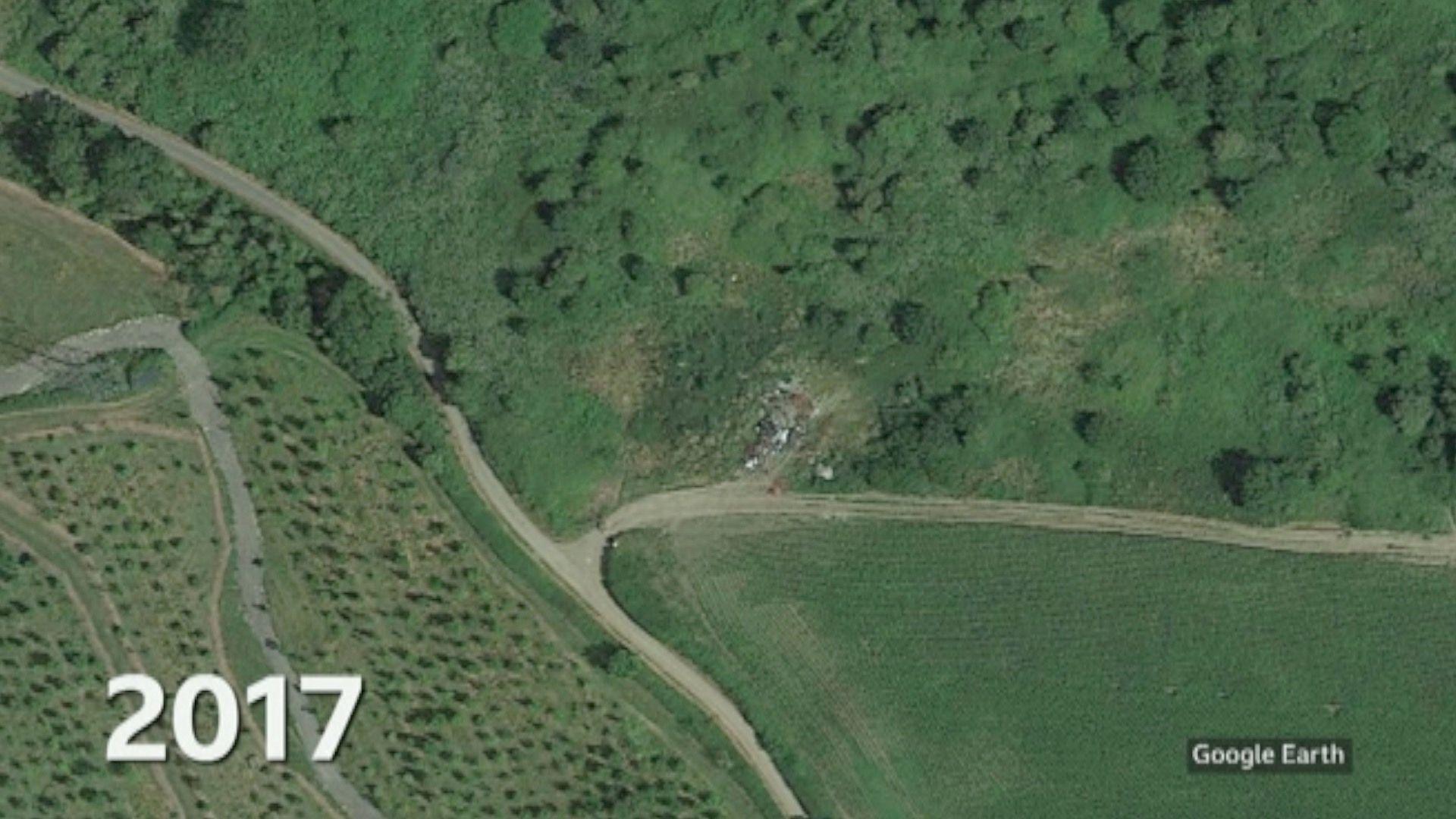
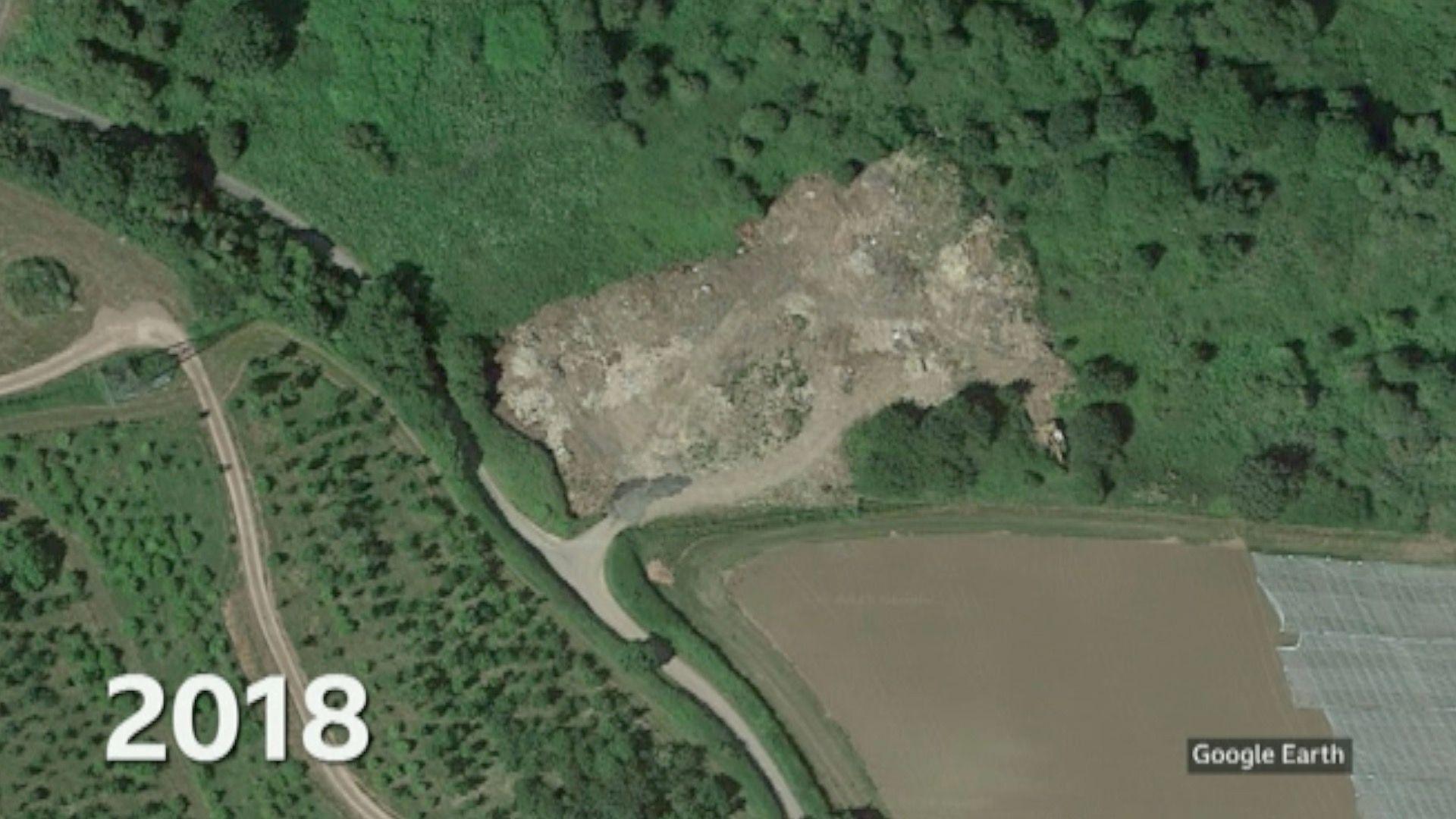
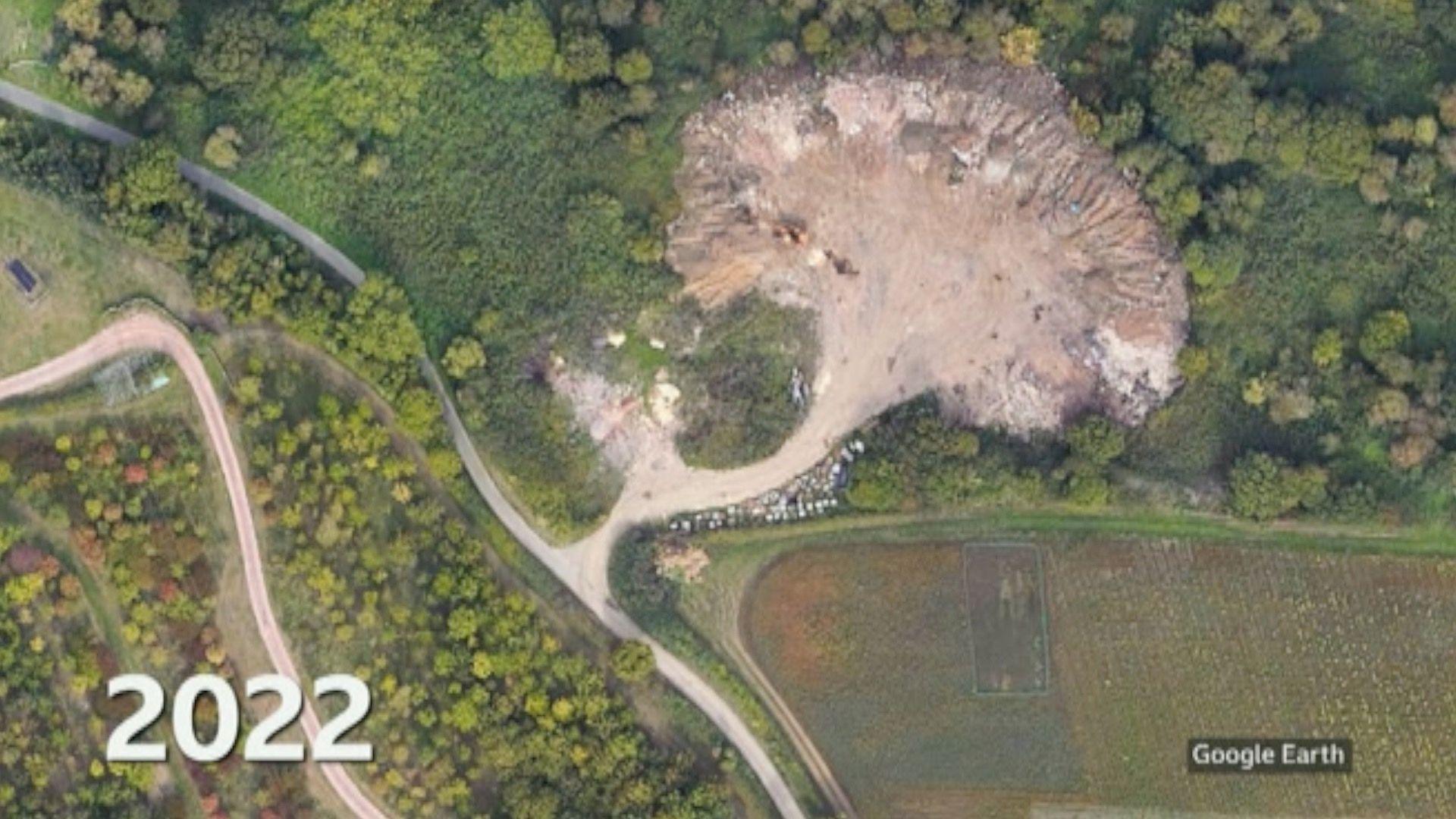
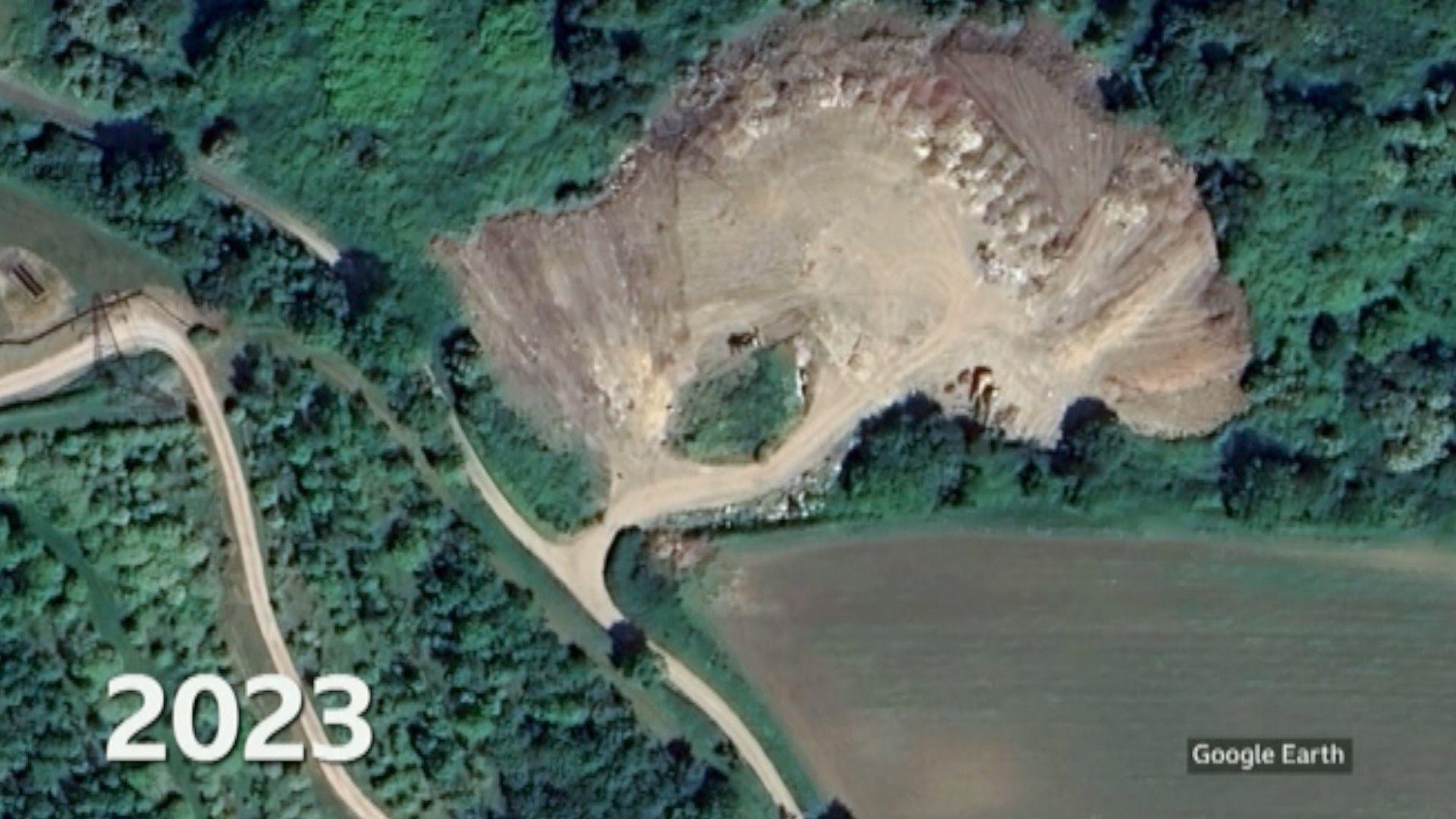
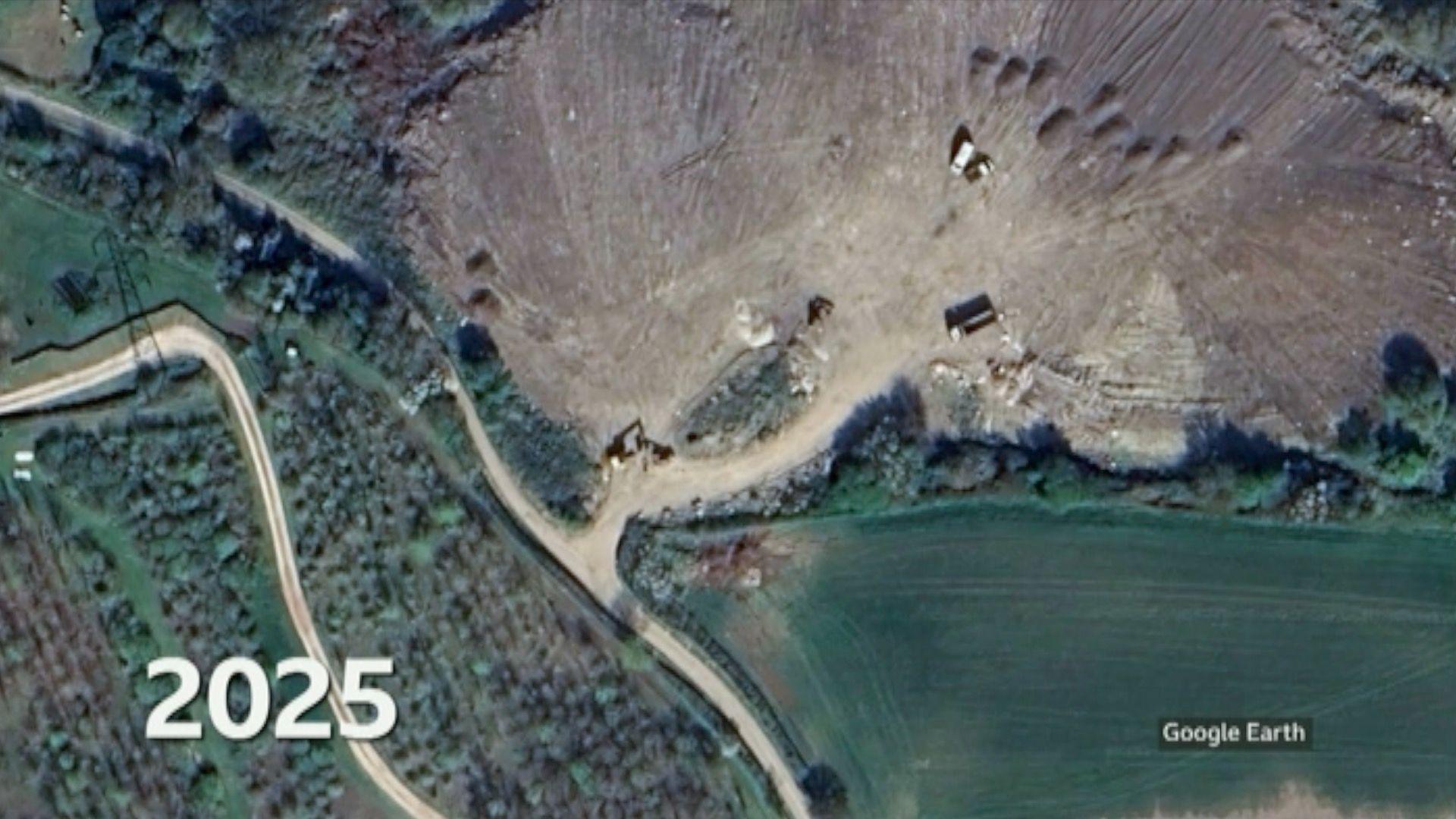
The Environment Agency (EA) has announced plans to clear an estimated 10,000 tonnes of illegally dumped waste near Kidlington, Oxfordshire, a move driven by concerns over potential fire hazards. This decision marks a significant departure from the EA's usual policy of pursuing landowners and perpetrators rather than directly removing waste.
Oxfordshire Waste Site Under Scrutiny
The waste site, located near the A34 and the River Cherwell, consists of processed domestic waste, shredded plastics, and other household items. The EA, in collaboration with other agencies, is preparing to begin the removal process, although a specific start date has not been disclosed. Groundworks are currently underway to facilitate the cleanup.
Gloucestershire Sites Raise Concerns
In Gloucestershire, two sites at Over and Rudford are under investigation for persistent fly-tipping. Highnam Parish Council has expressed frustration over the lack of effective action, with Chairman Charlie Coats stating that the tipping has been ongoing for years. The council has lodged a formal complaint with the EA, urging immediate intervention.
Criticism Over Regional Disparities
The EA's decision to prioritize the Oxfordshire site has drawn criticism from Josh Simons, MP for Makerfield, Greater Manchester. Simons argues that the decision overlooks similar issues in working-class areas, such as Bickershaw, Wigan, where 25,000 tonnes of waste have been left untreated. "This decision throws mud in the face of my constituents," Simons remarked, emphasizing the need for equitable treatment across regions.
Financial and Policy Implications
The EA will fund the Oxfordshire cleanup through operational efficiencies, without additional government funding. This decision comes amidst a broader debate on waste management policies, as a recent House of Lords inquiry into waste crime was rejected by ministers. The inquiry highlighted the role of organized crime in illegal waste activities, urging a comprehensive review—a call that remains unheeded.
WHAT THIS MIGHT MEAN
The EA's intervention in Oxfordshire could set a precedent for future waste management policies, potentially leading to more direct actions in other regions. However, the criticism from Greater Manchester highlights ongoing regional disparities that may require policy adjustments to ensure equitable treatment. The rejection of the House of Lords inquiry suggests that significant policy changes may not be imminent, but continued public and political pressure could eventually prompt a reevaluation of current strategies. As the situation unfolds, the balance between immediate public health risks and long-term policy considerations will remain a critical focus for stakeholders.
Images from the Web
Related Articles

Flood Risk and Housing Development: A Growing Concern in England
New Swimming Sites Proposed to Boost Water Quality Across England

Innovative Fish Protection System at Hinkley Point C Aims to Save Marine Life

UK Faces Persistent Flooding Amid Record Wet Winter

UK Reinforces Military Presence in Cyprus Amid Middle East Tensions

Stockport Man Faces 48 Charges in Alleged Conspiracy to Rape Unconscious Wife
Environment Agency to Tackle Oxfordshire's Illegal Waste Mountain Amidst Criticism
In This Article
 Leila Hassan| Published
 HIGHLIGHTS
- The Environment Agency (EA) is set to remove an estimated 10,000 tonnes of illegally dumped waste near Kidlington, Oxfordshire, citing fire risks.
- Two other sites in Gloucestershire are under investigation for persistent fly-tipping, with local councils expressing frustration over the lack of action.
- The EA's decision to clear the Oxfordshire site has sparked criticism from a Greater Manchester MP, highlighting perceived regional disparities in waste management.
- The EA will fund the Oxfordshire cleanup through operational efficiencies, without additional government funding.
- A House of Lords inquiry into waste crime was rejected by ministers, despite calls for a comprehensive review of illegal waste activities.
The Environment Agency (EA) has announced plans to clear an estimated 10,000 tonnes of illegally dumped waste near Kidlington, Oxfordshire, a move driven by concerns over potential fire hazards. This decision marks a significant departure from the EA's usual policy of pursuing landowners and perpetrators rather than directly removing waste.
Oxfordshire Waste Site Under Scrutiny
The waste site, located near the A34 and the River Cherwell, consists of processed domestic waste, shredded plastics, and other household items. The EA, in collaboration with other agencies, is preparing to begin the removal process, although a specific start date has not been disclosed. Groundworks are currently underway to facilitate the cleanup.
Gloucestershire Sites Raise Concerns
In Gloucestershire, two sites at Over and Rudford are under investigation for persistent fly-tipping. Highnam Parish Council has expressed frustration over the lack of effective action, with Chairman Charlie Coats stating that the tipping has been ongoing for years. The council has lodged a formal complaint with the EA, urging immediate intervention.
Criticism Over Regional Disparities
The EA's decision to prioritize the Oxfordshire site has drawn criticism from Josh Simons, MP for Makerfield, Greater Manchester. Simons argues that the decision overlooks similar issues in working-class areas, such as Bickershaw, Wigan, where 25,000 tonnes of waste have been left untreated. "This decision throws mud in the face of my constituents," Simons remarked, emphasizing the need for equitable treatment across regions.
Financial and Policy Implications
The EA will fund the Oxfordshire cleanup through operational efficiencies, without additional government funding. This decision comes amidst a broader debate on waste management policies, as a recent House of Lords inquiry into waste crime was rejected by ministers. The inquiry highlighted the role of organized crime in illegal waste activities, urging a comprehensive review—a call that remains unheeded.
WHAT THIS MIGHT MEAN
The EA's intervention in Oxfordshire could set a precedent for future waste management policies, potentially leading to more direct actions in other regions. However, the criticism from Greater Manchester highlights ongoing regional disparities that may require policy adjustments to ensure equitable treatment. The rejection of the House of Lords inquiry suggests that significant policy changes may not be imminent, but continued public and political pressure could eventually prompt a reevaluation of current strategies. As the situation unfolds, the balance between immediate public health risks and long-term policy considerations will remain a critical focus for stakeholders.
Images from the Web
Related Articles
Flood Risk and Housing Development: A Growing Concern in England
New Swimming Sites Proposed to Boost Water Quality Across England
Innovative Fish Protection System at Hinkley Point C Aims to Save Marine Life
UK Faces Persistent Flooding Amid Record Wet Winter
UK Reinforces Military Presence in Cyprus Amid Middle East Tensions
Stockport Man Faces 48 Charges in Alleged Conspiracy to Rape Unconscious Wife