
EDF's Investment in Sizewell C Sparks Debate Over UK Energy Security
In This Article
HIGHLIGHTS
- EDF has confirmed a 12.5% stake in the Sizewell C nuclear power plant, investing £1.1bn alongside the UK government's £14.2bn commitment.
- The UK government remains the majority stakeholder, with Canadian investor Brookfield Corporation potentially taking over 20%.
- Campaign groups criticize EDF's minor stake, arguing it undermines UK energy security and benefits French industry.
- The Sizewell C project aims to generate power for six million homes, creating 10,000 jobs and 1,500 apprenticeships.
- The project faces opposition over environmental concerns and reliance on foreign investment.
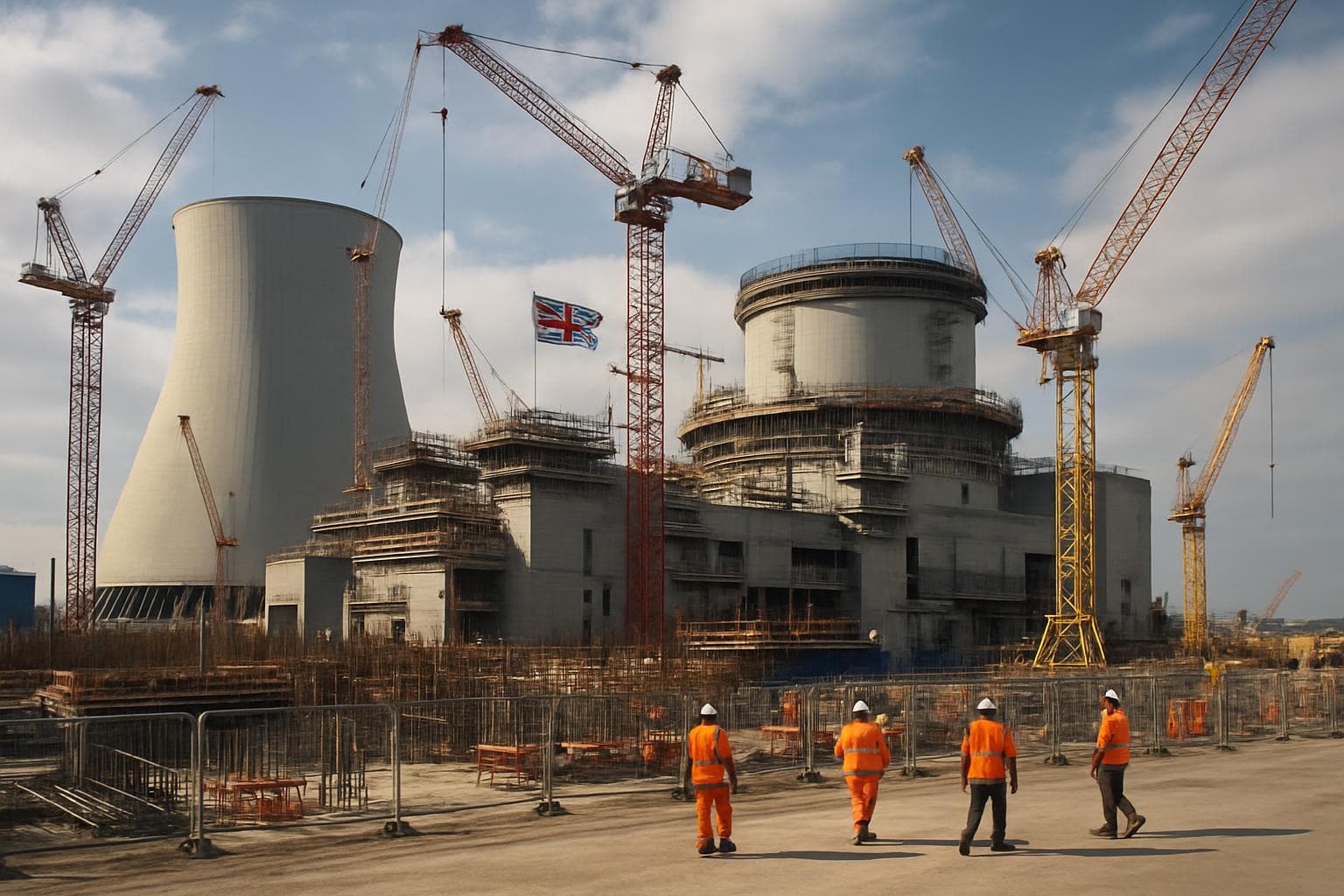
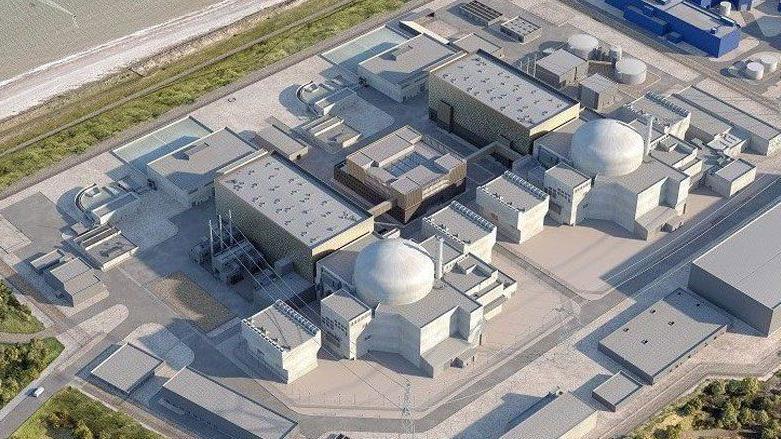
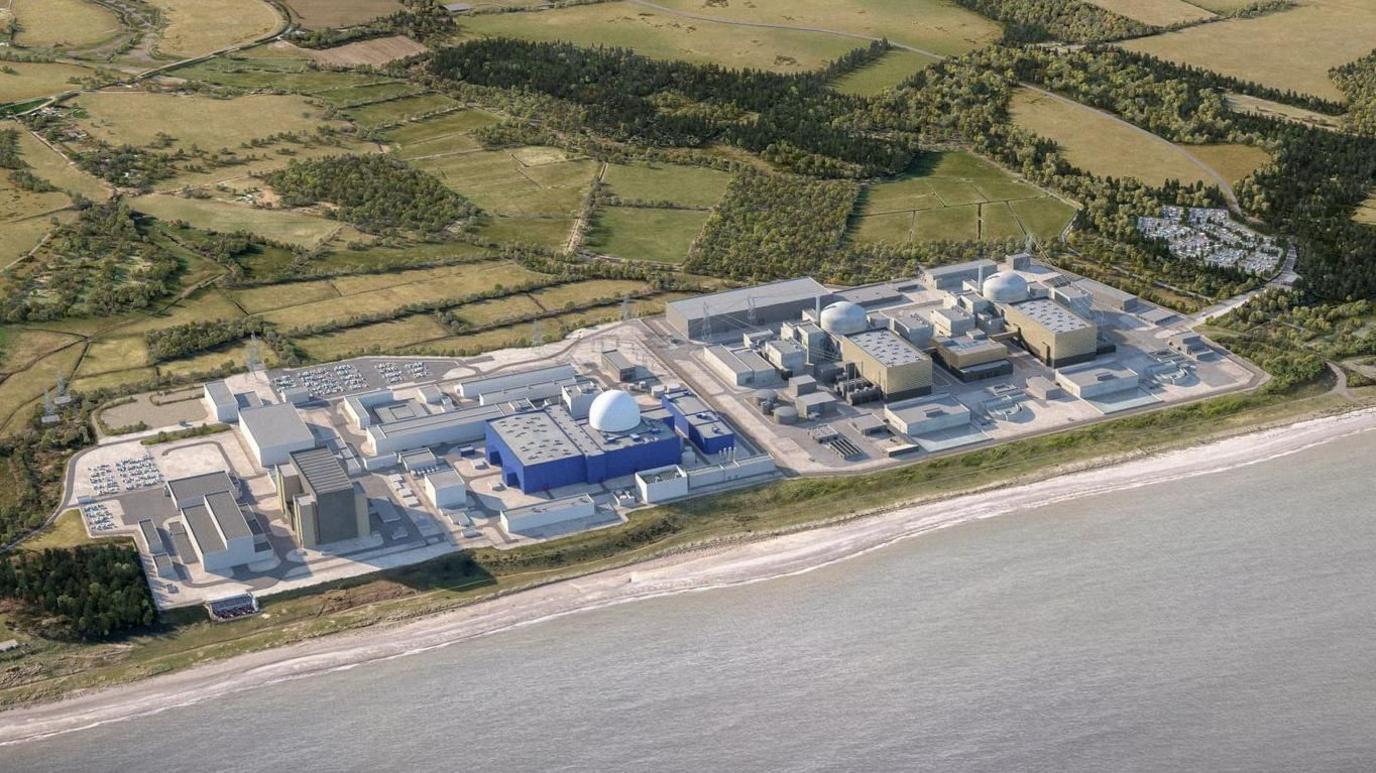
French energy giant EDF has confirmed its investment of £1.1bn for a 12.5% stake in the Sizewell C nuclear power plant, as announced during French President Emmanuel Macron's state visit to the UK. This investment aligns with the UK government's substantial £14.2bn commitment to the project, which is set to be a cornerstone of the nation's energy strategy.
Government and Private Investments
The UK government will maintain a majority stake in Sizewell C, with Canadian investor Brookfield Corporation reportedly in talks to acquire over 20% of the project. This would position Brookfield as the largest private investor, following the government's lead. British Gas owner Centrica is also considering a 15% stake, according to reports.
Criticism and Concerns
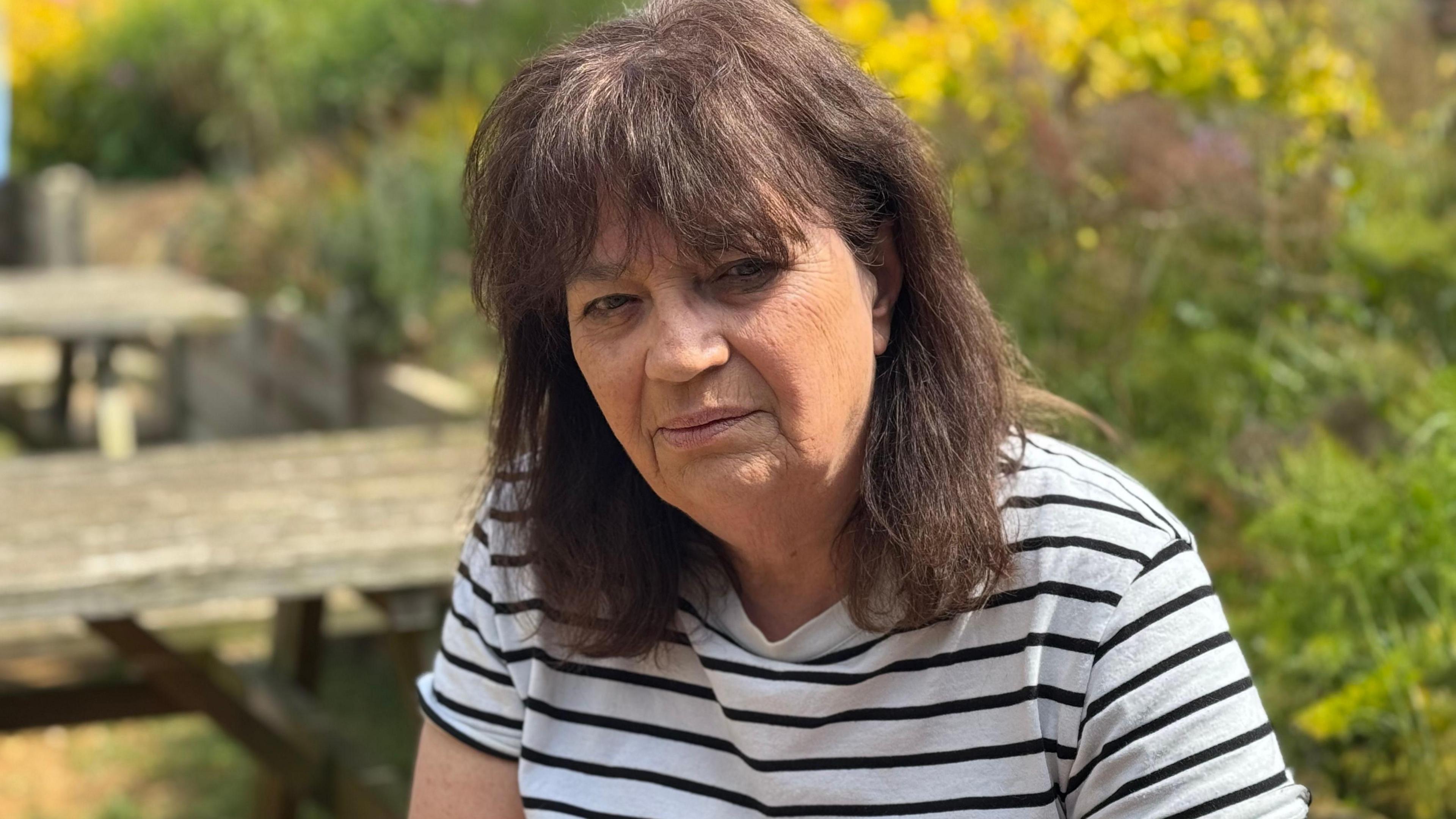
Despite the financial commitments, the project has faced criticism from campaign groups. Jenny Kirtley, chair of Together Against Sizewell C, expressed concerns over EDF's relatively small stake, suggesting it allows French interests to benefit at the expense of UK taxpayers. Alison Downes from Stop Sizewell C echoed these sentiments, questioning the project's impact on UK energy security and its environmental footprint.
Economic and Employment Impact
Proponents of Sizewell C highlight its potential to power six million homes and create significant employment opportunities, with 10,000 jobs and 1,500 apprenticeships projected at peak construction. Energy Secretary Ed Miliband described the agreement as a "landmark moment" for UK-France nuclear collaboration, promising a "golden age of new nuclear" to enhance energy security and reduce family energy bills.
Historical Context and Future Prospects
Sizewell C is only the second new nuclear plant in the UK in recent history, following the delayed and over-budget Hinkley Point C, also led by EDF. The project's reliance on foreign investment and technology has sparked debate over the UK's long-term energy independence and sustainability.
WHAT THIS MIGHT MEAN
As Sizewell C progresses, the UK government must navigate the balance between foreign investment and national energy security. The involvement of international stakeholders like Brookfield Corporation could bring expertise and financial stability, but also raises questions about control and benefits distribution. Environmental concerns and public opposition may also influence future policy decisions, potentially impacting the timeline and scope of nuclear projects in the UK. Experts suggest that the success of Sizewell C could set a precedent for future energy collaborations, shaping the UK's nuclear strategy for decades to come.
Images from the Web
Related Articles

Middle East Conflict Drives UK Energy Prices to New Highs
Centrica Faces Profit Decline Amid Warmer Weather and Market Challenges

Government Announces £4 Billion Overhaul of SEND Support in England

UK Government Announces Major Overhaul of SEND System with £3.4 Billion Investment
Prince Andrew's Ties to Epstein Under Scrutiny Amid Calls for Inquiry

Government Criticized for Mishandling Maccabi Tel Aviv Fan Ban
EDF's Investment in Sizewell C Sparks Debate Over UK Energy Security
In This Article
 Daniel Rivera| Published
 HIGHLIGHTS
- EDF has confirmed a 12.5% stake in the Sizewell C nuclear power plant, investing £1.1bn alongside the UK government's £14.2bn commitment.
- The UK government remains the majority stakeholder, with Canadian investor Brookfield Corporation potentially taking over 20%.
- Campaign groups criticize EDF's minor stake, arguing it undermines UK energy security and benefits French industry.
- The Sizewell C project aims to generate power for six million homes, creating 10,000 jobs and 1,500 apprenticeships.
- The project faces opposition over environmental concerns and reliance on foreign investment.
French energy giant EDF has confirmed its investment of £1.1bn for a 12.5% stake in the Sizewell C nuclear power plant, as announced during French President Emmanuel Macron's state visit to the UK. This investment aligns with the UK government's substantial £14.2bn commitment to the project, which is set to be a cornerstone of the nation's energy strategy.
Government and Private Investments
The UK government will maintain a majority stake in Sizewell C, with Canadian investor Brookfield Corporation reportedly in talks to acquire over 20% of the project. This would position Brookfield as the largest private investor, following the government's lead. British Gas owner Centrica is also considering a 15% stake, according to reports.
Criticism and Concerns
Despite the financial commitments, the project has faced criticism from campaign groups. Jenny Kirtley, chair of Together Against Sizewell C, expressed concerns over EDF's relatively small stake, suggesting it allows French interests to benefit at the expense of UK taxpayers. Alison Downes from Stop Sizewell C echoed these sentiments, questioning the project's impact on UK energy security and its environmental footprint.
Economic and Employment Impact
Proponents of Sizewell C highlight its potential to power six million homes and create significant employment opportunities, with 10,000 jobs and 1,500 apprenticeships projected at peak construction. Energy Secretary Ed Miliband described the agreement as a "landmark moment" for UK-France nuclear collaboration, promising a "golden age of new nuclear" to enhance energy security and reduce family energy bills.
Historical Context and Future Prospects
Sizewell C is only the second new nuclear plant in the UK in recent history, following the delayed and over-budget Hinkley Point C, also led by EDF. The project's reliance on foreign investment and technology has sparked debate over the UK's long-term energy independence and sustainability.
WHAT THIS MIGHT MEAN
As Sizewell C progresses, the UK government must navigate the balance between foreign investment and national energy security. The involvement of international stakeholders like Brookfield Corporation could bring expertise and financial stability, but also raises questions about control and benefits distribution. Environmental concerns and public opposition may also influence future policy decisions, potentially impacting the timeline and scope of nuclear projects in the UK. Experts suggest that the success of Sizewell C could set a precedent for future energy collaborations, shaping the UK's nuclear strategy for decades to come.
Images from the Web
Related Articles
Middle East Conflict Drives UK Energy Prices to New Highs
Centrica Faces Profit Decline Amid Warmer Weather and Market Challenges
Government Announces £4 Billion Overhaul of SEND Support in England
UK Government Announces Major Overhaul of SEND System with £3.4 Billion Investment
Prince Andrew's Ties to Epstein Under Scrutiny Amid Calls for Inquiry
Government Criticized for Mishandling Maccabi Tel Aviv Fan Ban