
Mexican Drug Lord 'El Mayo' Zambada Pleads Guilty in Landmark US Court Case
In This Article
HIGHLIGHTS
- Ismael 'El Mayo' Zambada, co-founder of the Sinaloa Cartel, pleaded guilty to drug smuggling and racketeering charges in a New York federal court.
- Zambada admitted to leading a vast criminal network responsible for trafficking drugs like cocaine and fentanyl into the US since the late 1980s.
- The plea follows his arrest in Texas in 2024, facilitated by a betrayal from Joaquín Guzmán López, son of the imprisoned Joaquín 'El Chapo' Guzmán.
- US prosecutors confirmed they would not seek the death penalty, and Zambada is expected to receive a life sentence.
- The Sinaloa Cartel, once the largest drug-trafficking organization, has splintered into factions, intensifying conflicts in Mexico.
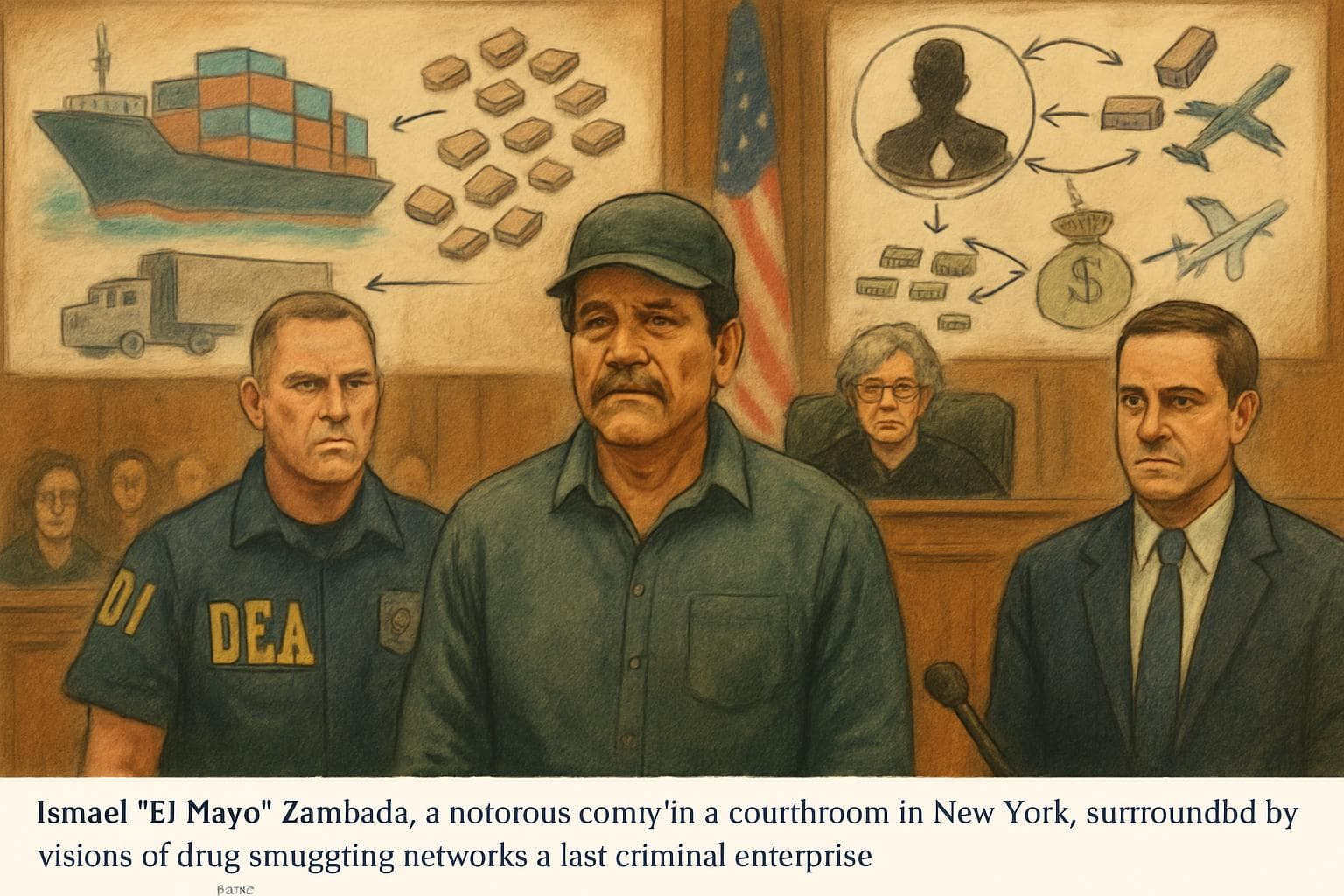
In a significant legal development, Ismael 'El Mayo' Zambada, the notorious co-founder of the Sinaloa Cartel, has pleaded guilty to drug smuggling and racketeering charges in a New York federal court. This plea marks the end of one of the most infamous criminal careers in the history of organized crime, as Zambada, aged 77, acknowledged his role in orchestrating a vast drug-trafficking network that has plagued the United States and Mexico for decades.
The Rise and Fall of a Cartel Leader
Zambada's criminal enterprise began in the late 1980s when he co-founded the Sinaloa Cartel, which grew to become the largest drug-trafficking organization in the world. Under his leadership, the cartel controlled the production and shipment of heroin, methamphetamine, and fentanyl from Mexico into the US. The cartel's operations were bolstered by a private security force and a network of hitmen, known as "sicarios," who carried out violent acts to maintain control.
A Dramatic Arrest and Legal Proceedings
Zambada's arrest in Texas in July 2024 was the result of a dramatic betrayal by Joaquín Guzmán López, son of the imprisoned cartel leader Joaquín 'El Chapo' Guzmán. Zambada was reportedly lured into a meeting with Guzmán López, only to be ambushed and handed over to US authorities. In court, Zambada expressed remorse, stating through an interpreter, "I recognize the great harm illegal drugs have done to the people in the United States and Mexico. I apologize for all of it, and I take responsibility for my actions."
Legal and Political Implications
US prosecutors have decided not to pursue the death penalty against Zambada, who is expected to receive a life sentence. His lawyer, Frank Perez, described the plea deal as a step toward a fair resolution. US Attorney General Pam Bondi emphasized the significance of the case, stating, "This foreign terrorist committed horrific crimes against the American people – he will now pay for those crimes by spending the rest of his life behind bars in an American prison."
The Ongoing Cartel Conflict
The Sinaloa Cartel has splintered into factions following Zambada's arrest, with ongoing conflicts between Zambada's followers and those loyal to 'Los Chapitos,' the sons of El Chapo. This internal strife continues to fuel violence in regions like Sinaloa, highlighting the enduring impact of Zambada's criminal legacy.
WHAT THIS MIGHT MEAN
Zambada's guilty plea and expected life sentence mark a significant victory for US law enforcement in their ongoing battle against international drug trafficking. However, the splintering of the Sinaloa Cartel into rival factions could lead to increased violence and instability in Mexico, as these groups vie for control. Experts suggest that while Zambada's conviction may disrupt the cartel's operations temporarily, the underlying issues of corruption and demand for drugs in the US will continue to challenge authorities on both sides of the border. The case underscores the complex dynamics of the drug trade and the need for comprehensive strategies to address its root causes.
Related Articles
El Mencho's Death Sparks Violent Unrest Across Mexico
Venezuelan Political Prisoners Seek Amnesty Amidst Hopes for Democratic Transition

China Sets Lowest GDP Growth Target in Decades Amid Economic Challenges
Congress Subpoenas Attorney General Bondi in Epstein Investigation
Cuba Faces Widespread Blackout Amid Deepening Fuel Crisis

UK Faces Dilemmas Amid Iran Conflict and China Spying Allegations
Mexican Drug Lord 'El Mayo' Zambada Pleads Guilty in Landmark US Court Case
In This Article
 Sofia Romano| Published
 HIGHLIGHTS
- Ismael 'El Mayo' Zambada, co-founder of the Sinaloa Cartel, pleaded guilty to drug smuggling and racketeering charges in a New York federal court.
- Zambada admitted to leading a vast criminal network responsible for trafficking drugs like cocaine and fentanyl into the US since the late 1980s.
- The plea follows his arrest in Texas in 2024, facilitated by a betrayal from Joaquín Guzmán López, son of the imprisoned Joaquín 'El Chapo' Guzmán.
- US prosecutors confirmed they would not seek the death penalty, and Zambada is expected to receive a life sentence.
- The Sinaloa Cartel, once the largest drug-trafficking organization, has splintered into factions, intensifying conflicts in Mexico.
In a significant legal development, Ismael 'El Mayo' Zambada, the notorious co-founder of the Sinaloa Cartel, has pleaded guilty to drug smuggling and racketeering charges in a New York federal court. This plea marks the end of one of the most infamous criminal careers in the history of organized crime, as Zambada, aged 77, acknowledged his role in orchestrating a vast drug-trafficking network that has plagued the United States and Mexico for decades.
The Rise and Fall of a Cartel Leader
Zambada's criminal enterprise began in the late 1980s when he co-founded the Sinaloa Cartel, which grew to become the largest drug-trafficking organization in the world. Under his leadership, the cartel controlled the production and shipment of heroin, methamphetamine, and fentanyl from Mexico into the US. The cartel's operations were bolstered by a private security force and a network of hitmen, known as "sicarios," who carried out violent acts to maintain control.
A Dramatic Arrest and Legal Proceedings
Zambada's arrest in Texas in July 2024 was the result of a dramatic betrayal by Joaquín Guzmán López, son of the imprisoned cartel leader Joaquín 'El Chapo' Guzmán. Zambada was reportedly lured into a meeting with Guzmán López, only to be ambushed and handed over to US authorities. In court, Zambada expressed remorse, stating through an interpreter, "I recognize the great harm illegal drugs have done to the people in the United States and Mexico. I apologize for all of it, and I take responsibility for my actions."
Legal and Political Implications
US prosecutors have decided not to pursue the death penalty against Zambada, who is expected to receive a life sentence. His lawyer, Frank Perez, described the plea deal as a step toward a fair resolution. US Attorney General Pam Bondi emphasized the significance of the case, stating, "This foreign terrorist committed horrific crimes against the American people – he will now pay for those crimes by spending the rest of his life behind bars in an American prison."
The Ongoing Cartel Conflict
The Sinaloa Cartel has splintered into factions following Zambada's arrest, with ongoing conflicts between Zambada's followers and those loyal to 'Los Chapitos,' the sons of El Chapo. This internal strife continues to fuel violence in regions like Sinaloa, highlighting the enduring impact of Zambada's criminal legacy.
WHAT THIS MIGHT MEAN
Zambada's guilty plea and expected life sentence mark a significant victory for US law enforcement in their ongoing battle against international drug trafficking. However, the splintering of the Sinaloa Cartel into rival factions could lead to increased violence and instability in Mexico, as these groups vie for control. Experts suggest that while Zambada's conviction may disrupt the cartel's operations temporarily, the underlying issues of corruption and demand for drugs in the US will continue to challenge authorities on both sides of the border. The case underscores the complex dynamics of the drug trade and the need for comprehensive strategies to address its root causes.
Related Articles
El Mencho's Death Sparks Violent Unrest Across Mexico
Venezuelan Political Prisoners Seek Amnesty Amidst Hopes for Democratic Transition
China Sets Lowest GDP Growth Target in Decades Amid Economic Challenges
Congress Subpoenas Attorney General Bondi in Epstein Investigation
Cuba Faces Widespread Blackout Amid Deepening Fuel Crisis
UK Faces Dilemmas Amid Iran Conflict and China Spying Allegations