
Pioneering Elephant Conservationist Iain Douglas-Hamilton Dies at 83

In This Article
HIGHLIGHTS
- Iain Douglas-Hamilton, a pioneering elephant conservationist, passed away at 83 in Nairobi, leaving a lasting legacy in wildlife conservation.
- His groundbreaking research on African elephants led to significant strides in understanding their behavior and the devastating impact of poaching.
- Douglas-Hamilton's efforts were crucial in the international ban on the ivory trade, influencing policies in major markets like China and the US.
- Prince William and other conservation leaders have paid tribute to Douglas-Hamilton, highlighting his lifelong dedication to elephant conservation.
- Douglas-Hamilton founded Save the Elephants in 1993, a charity focused on protecting elephants and raising awareness about the poaching crisis.
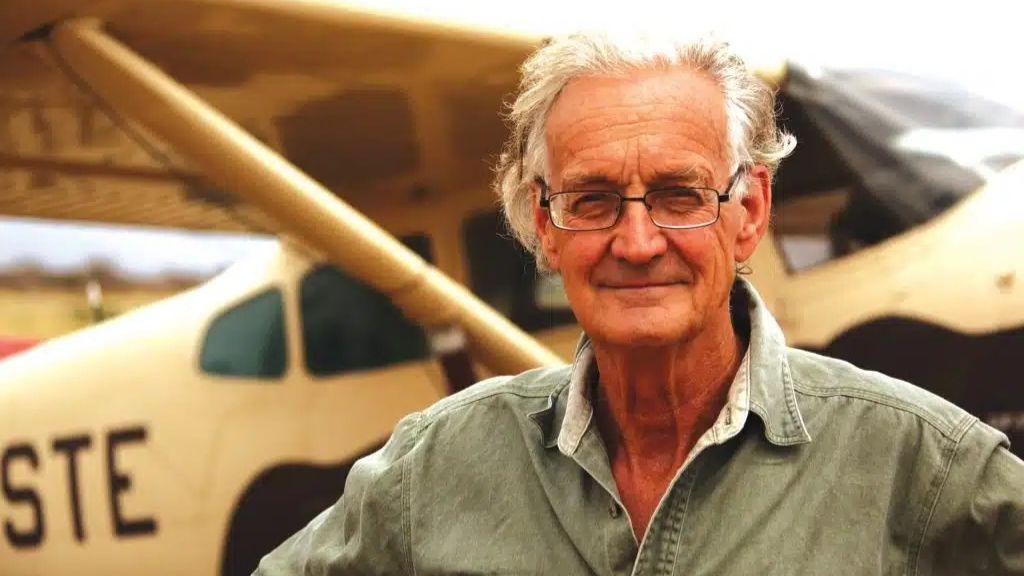
Iain Douglas-Hamilton, a renowned figure in wildlife conservation and a leading authority on African elephants, has died at the age of 83 in Nairobi. His life's work, which spanned decades, has left an indelible mark on the field of elephant conservation and the global fight against the ivory trade.
A Lifelong Dedication to Elephants
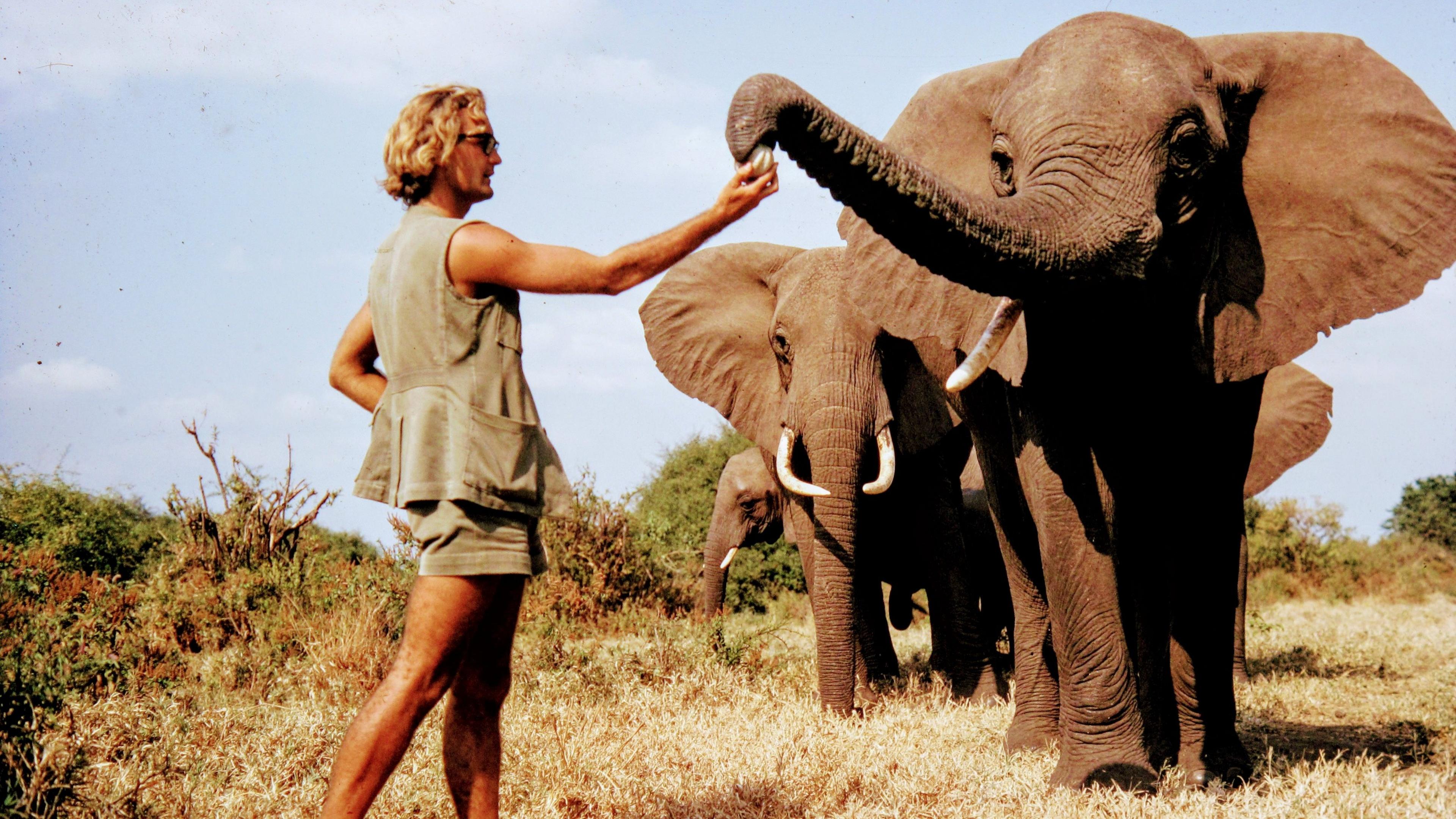
Born in 1942 in Dorset, England, Douglas-Hamilton's passion for wildlife led him to study biology and zoology in Scotland and Oxford. In 1965, he embarked on a journey to Tanzania's Lake Manyara National Park, where he began his pioneering research on elephant social behavior. His work was not without risks; he faced dangers from both wildlife and poachers, yet his dedication never wavered.
Douglas-Hamilton's research revealed the complex social structures of elephants and highlighted the severe impact of poaching. His findings were instrumental in the 1989 international ban on the ivory trade, a significant milestone in wildlife conservation.
Tributes from Conservation Leaders
Prince William, a royal patron of the African wildlife conservation charity Tusk, praised Douglas-Hamilton as "a man who dedicated his life to conservation." Charles Mayhew, founder of Tusk, echoed these sentiments, stating, "The world has lost a true conservation legend today."
Douglas-Hamilton's influence extended beyond research. In 1993, he founded Save the Elephants, a charity committed to safeguarding elephants and raising awareness about the poaching crisis. His efforts were pivotal in securing agreements from China and the US to implement near-total bans on ivory import and export in 2015.
A Legacy of Conservation
Douglas-Hamilton's work was celebrated in the 2024 documentary "A Life Among Elephants," where fellow conservationist Jane Goodall remarked on his ability to show the world the emotional depth of elephants. Despite facing numerous challenges, including a devastating flood in 2010 that destroyed years of research, Douglas-Hamilton remained steadfast in his mission.
WHAT THIS MIGHT MEAN
The passing of Iain Douglas-Hamilton marks the end of an era in elephant conservation, but his legacy continues to inspire future generations. Experts suggest that his work will remain a cornerstone for ongoing efforts to combat poaching and protect wildlife. As global attention on wildlife conservation grows, Douglas-Hamilton's pioneering research and advocacy provide a blueprint for future policies and initiatives. The continued support from influential figures like Prince William and organizations such as Save the Elephants will be crucial in maintaining momentum in the fight against the illegal ivory trade.
Images from the Web

Related Articles

China Sets Lowest GDP Growth Target in Decades Amid Economic Challenges

Canada and Australia Forge Strategic Partnership Amid Global Uncertainty

Tech Giants Pledge to Cover AI Data Center Energy Costs Amid Rising Electricity Concerns

Middle East Conflict Drives UK Energy Prices to New Highs

UK Faces Dilemmas Amid Iran Conflict and China Spying Allegations

US and Israel Intensify Military Campaign as Iran's Capabilities Dwindle
Pioneering Elephant Conservationist Iain Douglas-Hamilton Dies at 83
In This Article
 James Okoro| Published
 HIGHLIGHTS
- Iain Douglas-Hamilton, a pioneering elephant conservationist, passed away at 83 in Nairobi, leaving a lasting legacy in wildlife conservation.
- His groundbreaking research on African elephants led to significant strides in understanding their behavior and the devastating impact of poaching.
- Douglas-Hamilton's efforts were crucial in the international ban on the ivory trade, influencing policies in major markets like China and the US.
- Prince William and other conservation leaders have paid tribute to Douglas-Hamilton, highlighting his lifelong dedication to elephant conservation.
- Douglas-Hamilton founded Save the Elephants in 1993, a charity focused on protecting elephants and raising awareness about the poaching crisis.
Iain Douglas-Hamilton, a renowned figure in wildlife conservation and a leading authority on African elephants, has died at the age of 83 in Nairobi. His life's work, which spanned decades, has left an indelible mark on the field of elephant conservation and the global fight against the ivory trade.
A Lifelong Dedication to Elephants
Born in 1942 in Dorset, England, Douglas-Hamilton's passion for wildlife led him to study biology and zoology in Scotland and Oxford. In 1965, he embarked on a journey to Tanzania's Lake Manyara National Park, where he began his pioneering research on elephant social behavior. His work was not without risks; he faced dangers from both wildlife and poachers, yet his dedication never wavered.
Douglas-Hamilton's research revealed the complex social structures of elephants and highlighted the severe impact of poaching. His findings were instrumental in the 1989 international ban on the ivory trade, a significant milestone in wildlife conservation.
Tributes from Conservation Leaders
Prince William, a royal patron of the African wildlife conservation charity Tusk, praised Douglas-Hamilton as "a man who dedicated his life to conservation." Charles Mayhew, founder of Tusk, echoed these sentiments, stating, "The world has lost a true conservation legend today."
Douglas-Hamilton's influence extended beyond research. In 1993, he founded Save the Elephants, a charity committed to safeguarding elephants and raising awareness about the poaching crisis. His efforts were pivotal in securing agreements from China and the US to implement near-total bans on ivory import and export in 2015.
A Legacy of Conservation
Douglas-Hamilton's work was celebrated in the 2024 documentary "A Life Among Elephants," where fellow conservationist Jane Goodall remarked on his ability to show the world the emotional depth of elephants. Despite facing numerous challenges, including a devastating flood in 2010 that destroyed years of research, Douglas-Hamilton remained steadfast in his mission.
WHAT THIS MIGHT MEAN
The passing of Iain Douglas-Hamilton marks the end of an era in elephant conservation, but his legacy continues to inspire future generations. Experts suggest that his work will remain a cornerstone for ongoing efforts to combat poaching and protect wildlife. As global attention on wildlife conservation grows, Douglas-Hamilton's pioneering research and advocacy provide a blueprint for future policies and initiatives. The continued support from influential figures like Prince William and organizations such as Save the Elephants will be crucial in maintaining momentum in the fight against the illegal ivory trade.
Images from the Web
Related Articles
China Sets Lowest GDP Growth Target in Decades Amid Economic Challenges
Canada and Australia Forge Strategic Partnership Amid Global Uncertainty
Tech Giants Pledge to Cover AI Data Center Energy Costs Amid Rising Electricity Concerns
Middle East Conflict Drives UK Energy Prices to New Highs
UK Faces Dilemmas Amid Iran Conflict and China Spying Allegations
US and Israel Intensify Military Campaign as Iran's Capabilities Dwindle