
England's Bathing Water Quality Sees Marginal Improvement Amidst Ongoing Pollution Concerns

In This Article
HIGHLIGHTS
- The Environment Agency reported that 93% of England's 449 monitored bathing sites met minimum water quality standards in 2025, a slight improvement from 92% in 2024.
- Despite improvements, 32 sites were rated "poor," with rivers performing worse than sea sites due to proximity to pollution sources.
- Notable improvements were seen at Bridlington South Beach and Deal Castle Beach, which moved from "poor" to "sufficient" and "good," respectively.
- Critics argue that current testing methods are inadequate, as they only cover a few months and limited pollutants, potentially misrepresenting true water quality.
- New reforms aim to improve water quality management, but concerns remain about the exclusion of river sites from bathing status due to pollution challenges.
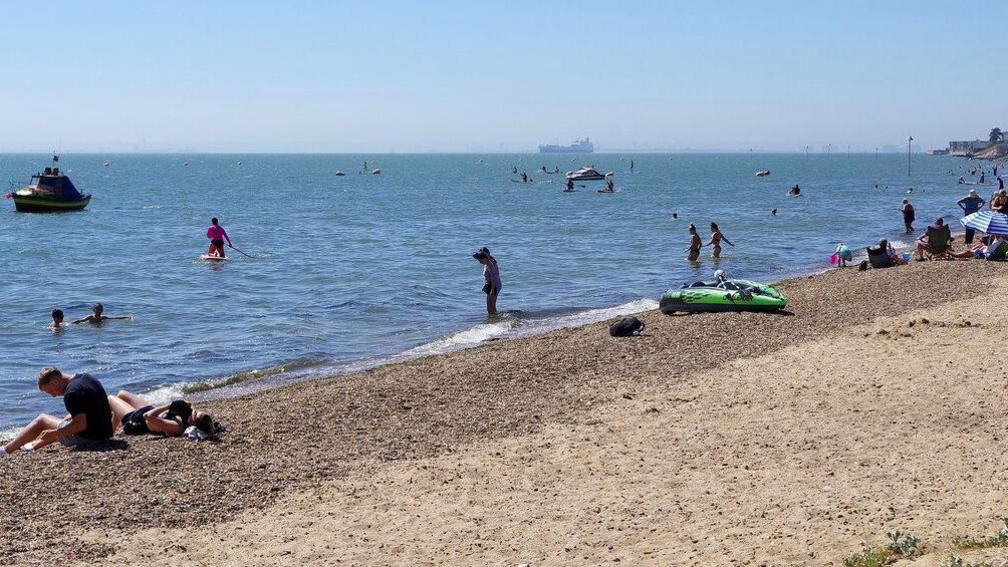
England's bathing water quality has shown a modest improvement, with 93% of monitored sites meeting minimum standards, according to the latest figures from the Environment Agency (EA). This marks a slight rise from 92% in 2024, yet concerns persist over pollution levels, particularly in river sites.
Improved Standards and Persistent Challenges
The EA's recent assessment of 449 bathing sites across England revealed that 32 locations were rated "poor," a decrease from 37 the previous year. While the percentage of sites achieving an "excellent" rating increased to 66%, rivers continue to lag behind, with only two out of 14 river sites meeting the minimum standards. The EA attributes this disparity to the natural disinfectant properties of seawater and the proximity of rivers to pollution sources such as sewage spills and agricultural runoff.
Local Success Stories
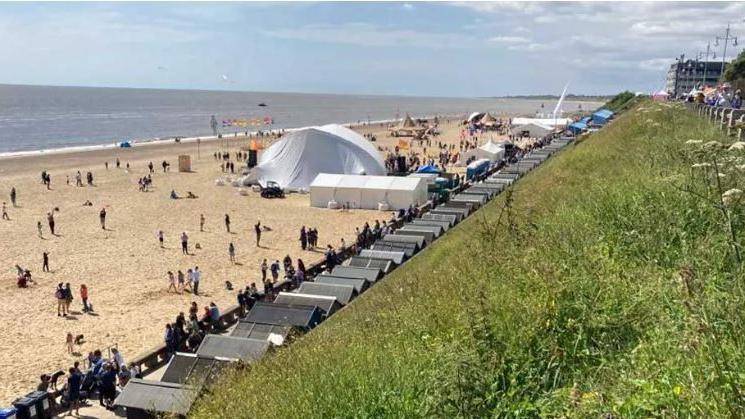
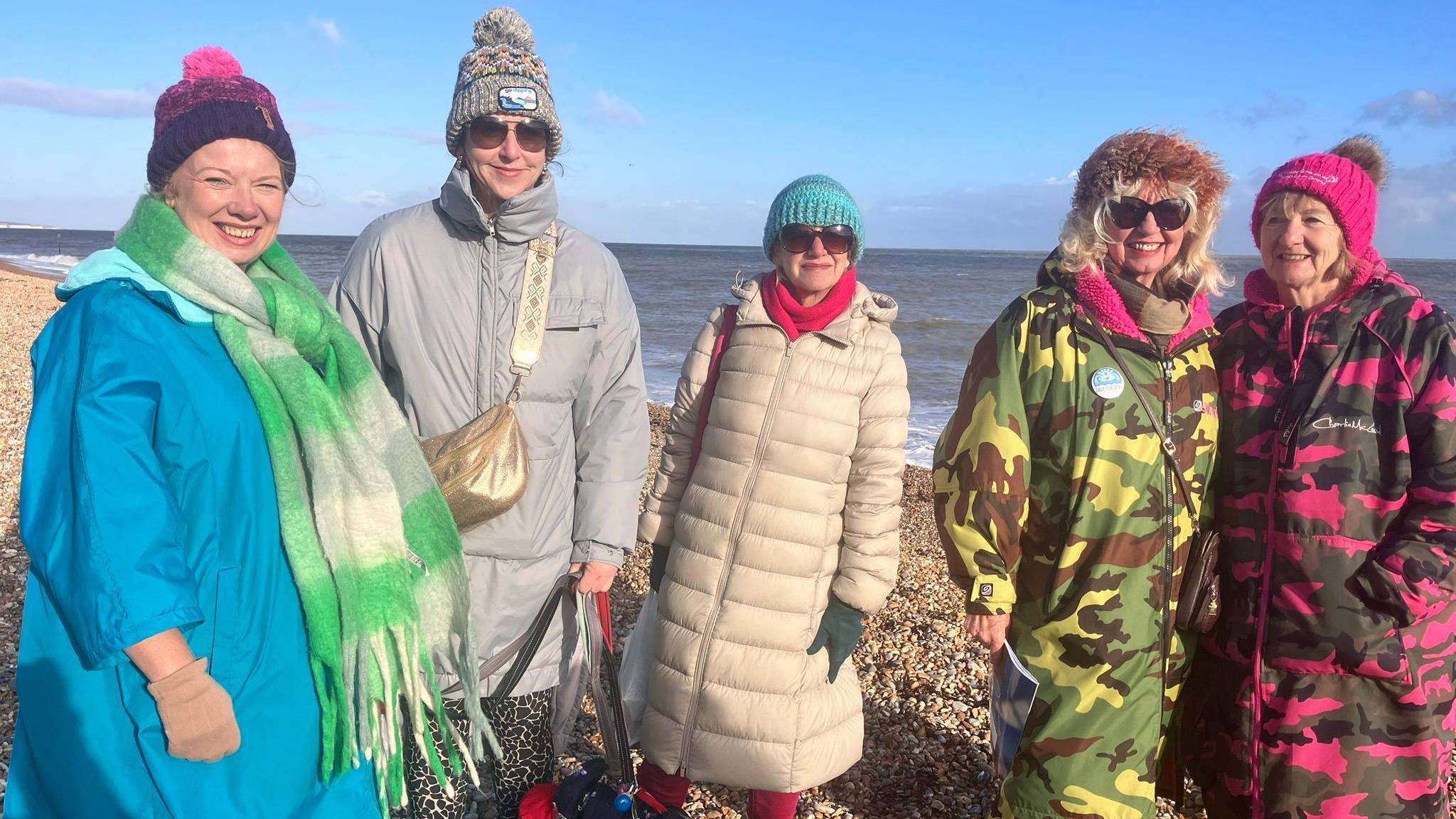
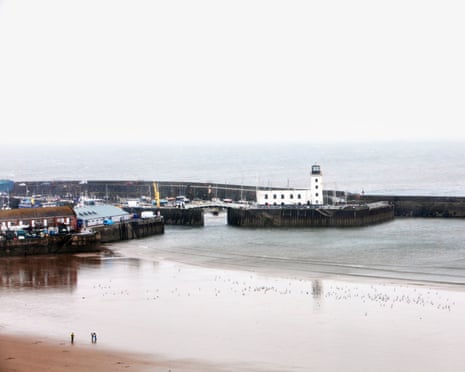
Some beaches have seen notable improvements. Bridlington South Beach, previously rated "poor," achieved a "sufficient" rating for the first time in three years, much to the delight of local businesses and residents. Similarly, Deal Castle Beach in Kent improved from "poor" to "good," prompting celebrations among local swimming groups. However, four beaches in the southeast, including Bognor Regis, remain classified as "poor," with warnings against swimming due to pollution risks.
Criticism of Testing Methods
Despite these improvements, critics argue that the current testing regime is insufficient. Kirsty Davies from Surfers Against Sewage criticized the limited scope of testing, which occurs only during the summer months and focuses on a narrow range of pollutants. "A rating of excellent is meaningless when sites are tested only once a week," she stated, emphasizing the need for year-round monitoring to truly protect public health.
Future Reforms and Concerns
The government has introduced new reforms to enhance water quality management, including more flexible testing schedules. However, the feasibility of granting bathing status to more river sites remains in question, as many are deemed too polluted to meet even "sufficient" standards. This has raised concerns among river campaigners about the exclusion of river sites from future designations.
WHAT THIS MIGHT MEAN
Looking ahead, the implementation of new water quality reforms could lead to more comprehensive monitoring and potentially better management of England's bathing sites. However, the exclusion of river sites from bathing status due to pollution challenges may limit progress in improving overall water quality. Experts suggest that a more robust testing regime, covering a wider range of pollutants and extending beyond the summer months, is crucial for accurately assessing and addressing water pollution. As the government and environmental agencies work towards these goals, public awareness and advocacy will play a vital role in driving further improvements in England's water quality standards.
Images from the Web
Related Articles
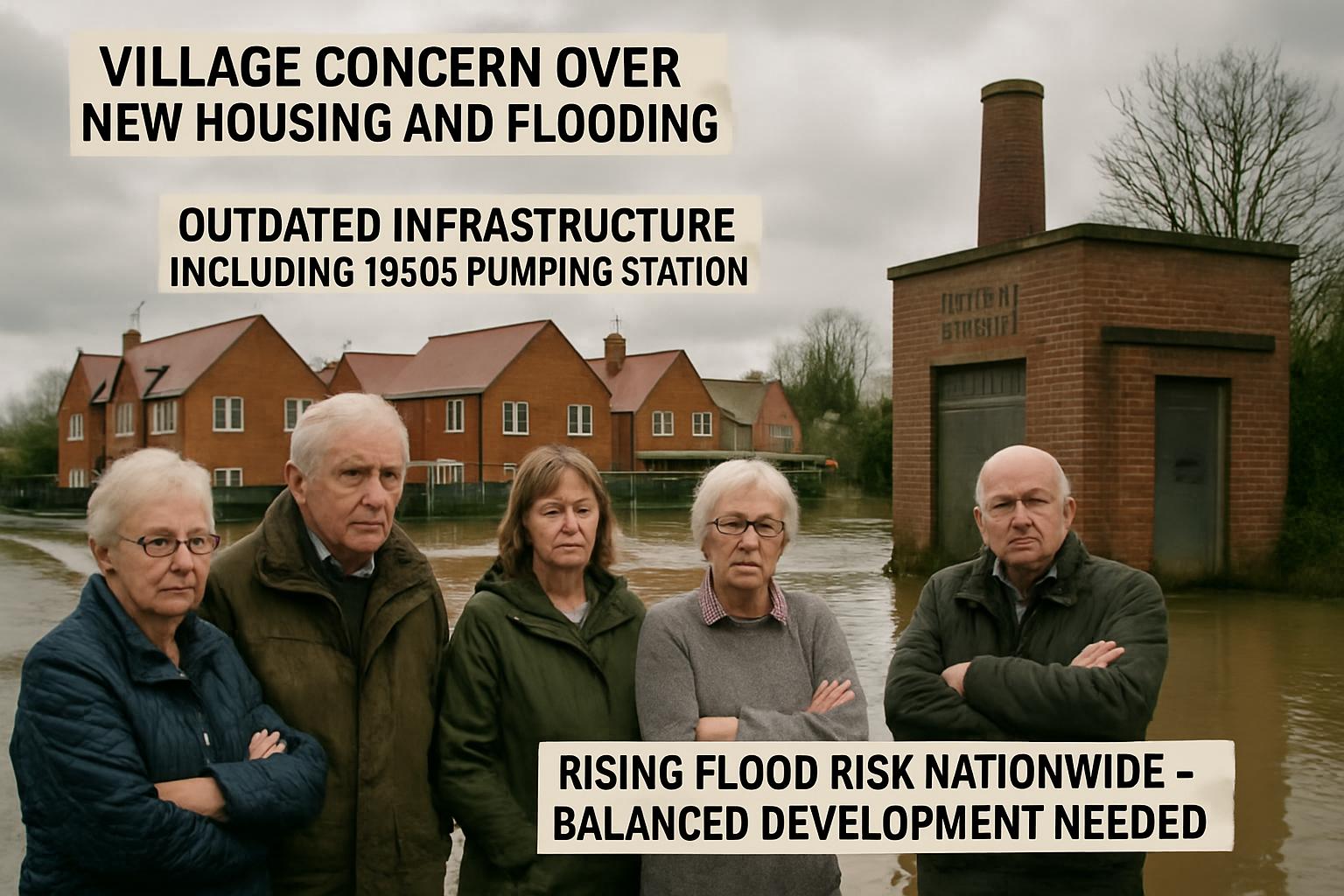
Flood Risk and Housing Development: A Growing Concern in England

UK Government Eases Deer Culling to Protect Woodlands and Farmland

Crackdown on Waste Crime: £1.2 Million Fine and New Drone Unit to Combat Illegal Dumping

Saharan Dust to Illuminate UK Skies with Vivid Sunrises and Sunsets

Government Announces £4 Billion Overhaul of SEND Support in England

UK Government Announces Major Overhaul of SEND System with £3.4 Billion Investment
England's Bathing Water Quality Sees Marginal Improvement Amidst Ongoing Pollution Concerns
In This Article
 Leila Hassan| Published
 HIGHLIGHTS
- The Environment Agency reported that 93% of England's 449 monitored bathing sites met minimum water quality standards in 2025, a slight improvement from 92% in 2024.
- Despite improvements, 32 sites were rated "poor," with rivers performing worse than sea sites due to proximity to pollution sources.
- Notable improvements were seen at Bridlington South Beach and Deal Castle Beach, which moved from "poor" to "sufficient" and "good," respectively.
- Critics argue that current testing methods are inadequate, as they only cover a few months and limited pollutants, potentially misrepresenting true water quality.
- New reforms aim to improve water quality management, but concerns remain about the exclusion of river sites from bathing status due to pollution challenges.
England's bathing water quality has shown a modest improvement, with 93% of monitored sites meeting minimum standards, according to the latest figures from the Environment Agency (EA). This marks a slight rise from 92% in 2024, yet concerns persist over pollution levels, particularly in river sites.
Improved Standards and Persistent Challenges
The EA's recent assessment of 449 bathing sites across England revealed that 32 locations were rated "poor," a decrease from 37 the previous year. While the percentage of sites achieving an "excellent" rating increased to 66%, rivers continue to lag behind, with only two out of 14 river sites meeting the minimum standards. The EA attributes this disparity to the natural disinfectant properties of seawater and the proximity of rivers to pollution sources such as sewage spills and agricultural runoff.
Local Success Stories
Some beaches have seen notable improvements. Bridlington South Beach, previously rated "poor," achieved a "sufficient" rating for the first time in three years, much to the delight of local businesses and residents. Similarly, Deal Castle Beach in Kent improved from "poor" to "good," prompting celebrations among local swimming groups. However, four beaches in the southeast, including Bognor Regis, remain classified as "poor," with warnings against swimming due to pollution risks.
Criticism of Testing Methods
Despite these improvements, critics argue that the current testing regime is insufficient. Kirsty Davies from Surfers Against Sewage criticized the limited scope of testing, which occurs only during the summer months and focuses on a narrow range of pollutants. "A rating of excellent is meaningless when sites are tested only once a week," she stated, emphasizing the need for year-round monitoring to truly protect public health.
Future Reforms and Concerns
The government has introduced new reforms to enhance water quality management, including more flexible testing schedules. However, the feasibility of granting bathing status to more river sites remains in question, as many are deemed too polluted to meet even "sufficient" standards. This has raised concerns among river campaigners about the exclusion of river sites from future designations.
WHAT THIS MIGHT MEAN
Looking ahead, the implementation of new water quality reforms could lead to more comprehensive monitoring and potentially better management of England's bathing sites. However, the exclusion of river sites from bathing status due to pollution challenges may limit progress in improving overall water quality. Experts suggest that a more robust testing regime, covering a wider range of pollutants and extending beyond the summer months, is crucial for accurately assessing and addressing water pollution. As the government and environmental agencies work towards these goals, public awareness and advocacy will play a vital role in driving further improvements in England's water quality standards.
Images from the Web
Related Articles
Flood Risk and Housing Development: A Growing Concern in England
UK Government Eases Deer Culling to Protect Woodlands and Farmland
Crackdown on Waste Crime: £1.2 Million Fine and New Drone Unit to Combat Illegal Dumping
Saharan Dust to Illuminate UK Skies with Vivid Sunrises and Sunsets
Government Announces £4 Billion Overhaul of SEND Support in England
UK Government Announces Major Overhaul of SEND System with £3.4 Billion Investment