
England's Special Needs System on Brink of Collapse Amid Rising Demand and Funding Challenges

In This Article
HIGHLIGHTS
- England's special educational needs system faces potential "total collapse" due to rising demand and funding deficits, with council deficits projected to reach £4.4bn annually by 2029.
- The number of Education Health and Care Plans (EHCPs) increased by 10.8% in 2025, with new plans growing by 15.8% in 2024, highlighting the escalating demand for special needs support.
- Some schools are disproportionately enrolling special needs pupils, with some having six times more than others, leading to resource strain and operational challenges.
- The government has delayed reforms to the SEND system, facing pressure to address inequalities and ensure sustainable funding and support for inclusive education.
- Families continue to struggle with the EHCP process, often facing lengthy legal battles to secure necessary support for their children with special needs.
The special educational needs and disabilities (SEND) system in England is teetering on the edge of collapse, as council leaders warn of unsustainable financial pressures and rising demand. The County Councils Network (CCN) has projected that council deficits could soar to £4.4 billion annually by the end of this decade, driven by an increase in the number of children requiring support through Education Health and Care Plans (EHCPs).
Rising Demand and Financial Strain
According to the Department for Education, the number of EHCPs reached 638,745 in January 2025, marking a 10.8% increase from the previous year. New plans initiated in 2024 also saw a significant rise of 15.8%. The CCN warns that one in every 20 children in England may need such support by 2029, further straining already stretched resources. The reliance on costly placements and special provisions, including private school options, exacerbates the financial burden on councils.
Uneven Distribution of Special Needs Pupils
Research by the National Foundation for Educational Research (NFER) reveals a stark disparity in how schools accommodate special needs students. Some schools are enrolling up to six times more pupils with special needs than others, often due to reluctance from other schools to admit these students. This uneven distribution places immense pressure on inclusive schools, which are often located in deprived areas and face significant financial and operational challenges.
Delayed Reforms and Political Pressure
The government has postponed planned reforms to the SEND system, with a white paper outlining these changes delayed until next year. Labour MPs have cautioned against diluting support for children with special needs, emphasizing the political risks involved. The NFER's findings underscore the urgent need for a fairer, more sustainable SEND system that supports inclusive education and addresses admissions inequalities.
Families' Struggles with the EHCP Process
Many families continue to face arduous battles to secure support for their children. Amanda Quick, whose son has ADHD and autism, described the lengthy and costly legal process she endured to obtain necessary provisions. Similarly, Claire Naylor recounted her year-long court battle to secure support for her non-verbal autistic son, highlighting the systemic challenges families encounter.
WHAT THIS MIGHT MEAN
The government's delayed reforms to the SEND system present a critical juncture for England's educational landscape. If decisive action is not taken, the financial strain on councils could lead to a collapse of the system, leaving many children without essential support. Experts suggest that a comprehensive overhaul is necessary to ensure equitable distribution of resources and support for inclusive education. The upcoming schools white paper will be pivotal in shaping the future of special needs education, with potential implications for funding models and admissions policies. As the government navigates these challenges, the voices of families and educators will be crucial in driving meaningful change.
Images from the Web


Related Articles
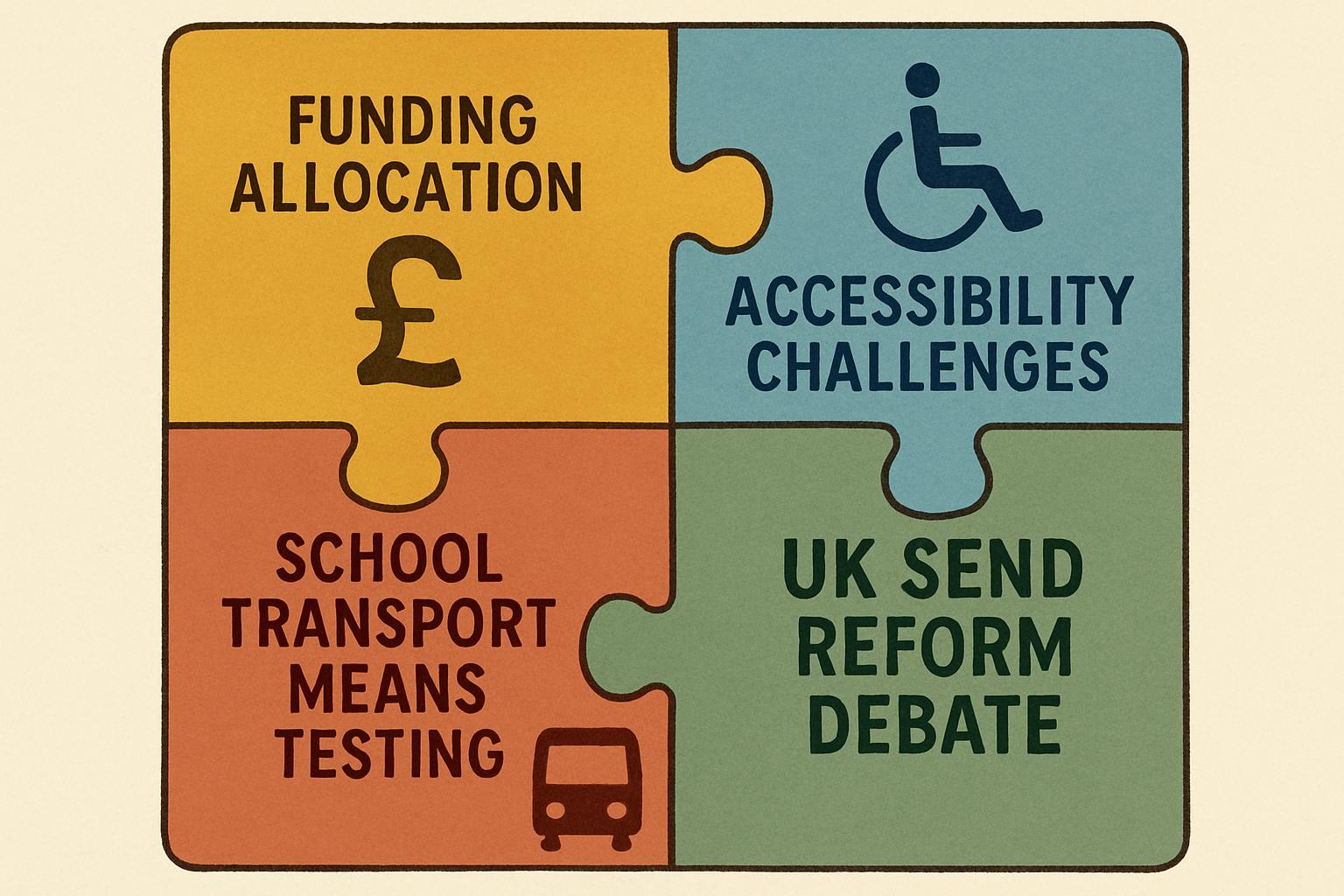
UK Government's SEND Reforms Spark Debate Over Funding and Accessibility

UK Government's SEND Reforms: A Critical Turning Point for Special Education
UK SEND Education Reforms: New Funding, Infrastructure Proposals, and Potential Backlash

Government Announces £4 Billion Overhaul of SEND Support in England

UK Government Announces Major Overhaul of SEND System with £3.4 Billion Investment

Government Unveils Ambitious Plan to Halve Attainment Gap in England's Schools
England's Special Needs System on Brink of Collapse Amid Rising Demand and Funding Challenges
In This Article
 Aya Nakamura| Published
 HIGHLIGHTS
- England's special educational needs system faces potential "total collapse" due to rising demand and funding deficits, with council deficits projected to reach £4.4bn annually by 2029.
- The number of Education Health and Care Plans (EHCPs) increased by 10.8% in 2025, with new plans growing by 15.8% in 2024, highlighting the escalating demand for special needs support.
- Some schools are disproportionately enrolling special needs pupils, with some having six times more than others, leading to resource strain and operational challenges.
- The government has delayed reforms to the SEND system, facing pressure to address inequalities and ensure sustainable funding and support for inclusive education.
- Families continue to struggle with the EHCP process, often facing lengthy legal battles to secure necessary support for their children with special needs.
The special educational needs and disabilities (SEND) system in England is teetering on the edge of collapse, as council leaders warn of unsustainable financial pressures and rising demand. The County Councils Network (CCN) has projected that council deficits could soar to £4.4 billion annually by the end of this decade, driven by an increase in the number of children requiring support through Education Health and Care Plans (EHCPs).
Rising Demand and Financial Strain
According to the Department for Education, the number of EHCPs reached 638,745 in January 2025, marking a 10.8% increase from the previous year. New plans initiated in 2024 also saw a significant rise of 15.8%. The CCN warns that one in every 20 children in England may need such support by 2029, further straining already stretched resources. The reliance on costly placements and special provisions, including private school options, exacerbates the financial burden on councils.
Uneven Distribution of Special Needs Pupils
Research by the National Foundation for Educational Research (NFER) reveals a stark disparity in how schools accommodate special needs students. Some schools are enrolling up to six times more pupils with special needs than others, often due to reluctance from other schools to admit these students. This uneven distribution places immense pressure on inclusive schools, which are often located in deprived areas and face significant financial and operational challenges.
Delayed Reforms and Political Pressure
The government has postponed planned reforms to the SEND system, with a white paper outlining these changes delayed until next year. Labour MPs have cautioned against diluting support for children with special needs, emphasizing the political risks involved. The NFER's findings underscore the urgent need for a fairer, more sustainable SEND system that supports inclusive education and addresses admissions inequalities.
Families' Struggles with the EHCP Process
Many families continue to face arduous battles to secure support for their children. Amanda Quick, whose son has ADHD and autism, described the lengthy and costly legal process she endured to obtain necessary provisions. Similarly, Claire Naylor recounted her year-long court battle to secure support for her non-verbal autistic son, highlighting the systemic challenges families encounter.
WHAT THIS MIGHT MEAN
The government's delayed reforms to the SEND system present a critical juncture for England's educational landscape. If decisive action is not taken, the financial strain on councils could lead to a collapse of the system, leaving many children without essential support. Experts suggest that a comprehensive overhaul is necessary to ensure equitable distribution of resources and support for inclusive education. The upcoming schools white paper will be pivotal in shaping the future of special needs education, with potential implications for funding models and admissions policies. As the government navigates these challenges, the voices of families and educators will be crucial in driving meaningful change.
Images from the Web
Related Articles
UK Government's SEND Reforms Spark Debate Over Funding and Accessibility
UK Government's SEND Reforms: A Critical Turning Point for Special Education
UK SEND Education Reforms: New Funding, Infrastructure Proposals, and Potential Backlash
Government Announces £4 Billion Overhaul of SEND Support in England
UK Government Announces Major Overhaul of SEND System with £3.4 Billion Investment
Government Unveils Ambitious Plan to Halve Attainment Gap in England's Schools