
Ethiopian Volcano Eruption Disrupts Flights and Threatens Livelihoods
In This Article
HIGHLIGHTS
- The Hayli Gubbi volcano in Ethiopia erupted for the first time in nearly 12,000 years, sending ash across the Red Sea to India.
- The eruption has disrupted flight operations in India, with several airlines cancelling or rerouting flights due to volcanic ash.
- The ash cloud reached altitudes between 8.5km and 15km, affecting satellite functions and flight safety but not Delhi's air quality.
- Local communities in Ethiopia's Afar region face economic challenges as ash covers grazing lands, impacting livestock.
- The eruption highlights the geological activity in the Rift Valley, where two tectonic plates meet.
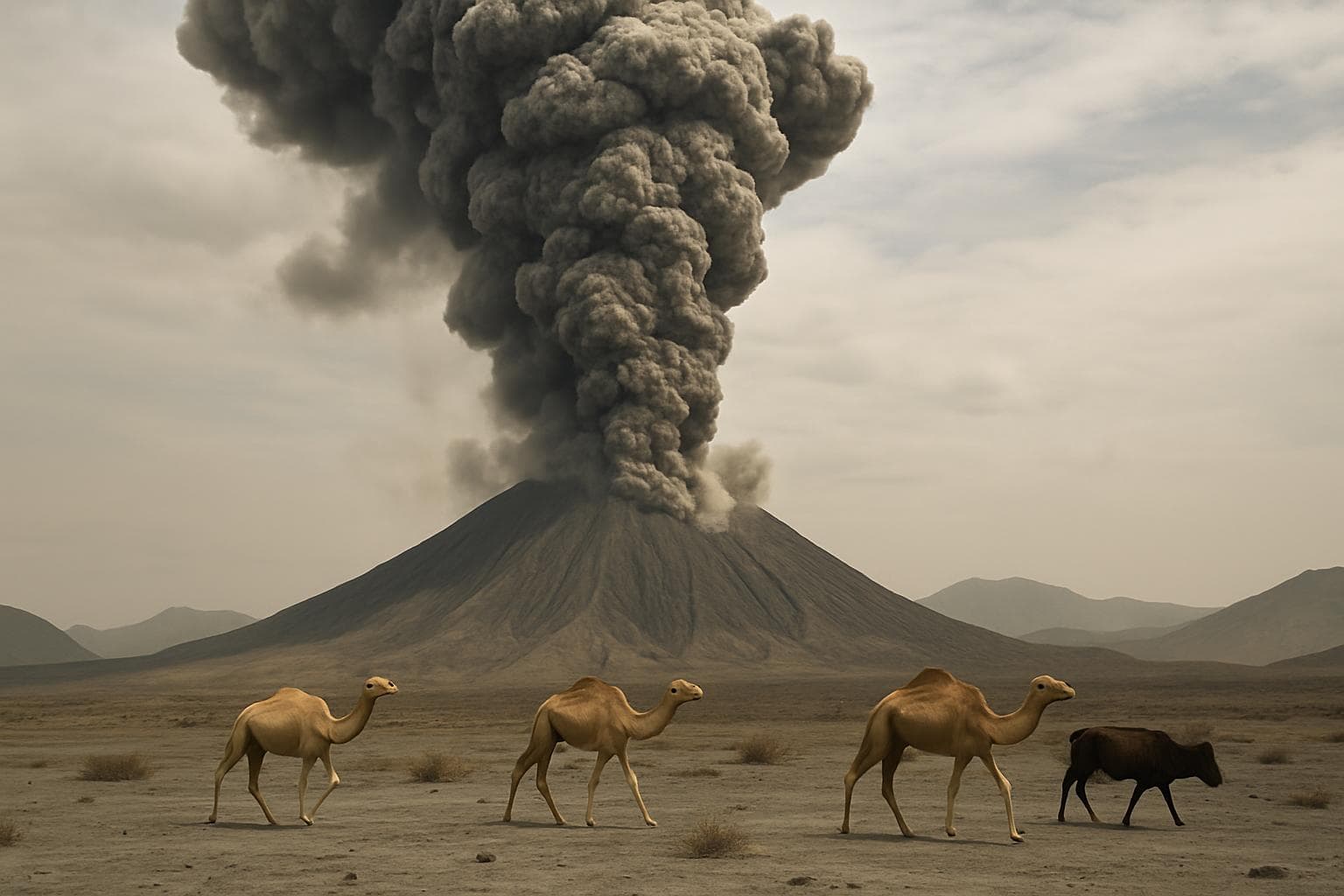
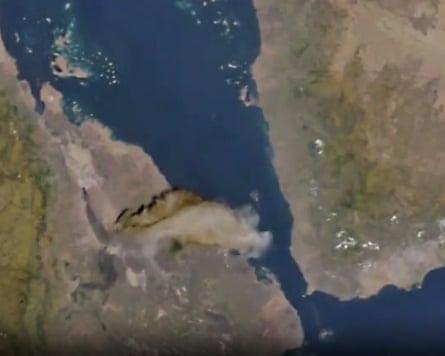
The Hayli Gubbi volcano in Ethiopia's Afar region erupted on Sunday for the first time in nearly 12,000 years, sending a massive plume of volcanic ash across the Red Sea and into India. The eruption, which began early in the morning, has caused significant disruptions to air travel, with several airlines cancelling or rerouting flights due to safety concerns.
Impact on Air Travel
The volcanic ash cloud, which reached altitudes between 8.5km and 15km, has affected flight operations in India, particularly in Delhi. India's Directorate General of Civil Aviation has issued advisories to airlines, urging them to avoid affected areas and report any encounters with ash. Air India cancelled 11 flights, while other carriers like IndiGo and KLM have also been impacted. The ash cloud poses a risk to aircraft engines and visibility, making it hazardous for flight operations.
Local Economic Implications
In Ethiopia, the eruption has raised concerns for the local community of livestock herders in the Afar region. Mohammed Seid, a local official, reported that while there have been no casualties, the ash has covered many villages, threatening the food supply for animals. "Many villages have been covered in ash, and as a result, their animals have little to eat," Seid explained, highlighting the potential economic impact on the community.
Geological Context
The Hayli Gubbi volcano, located about 500 miles northeast of Addis Ababa near the Eritrean border, is situated within the Rift Valley, a zone of intense geological activity where two tectonic plates meet. This region is prone to earthquakes and volcanic activity, as evidenced by the recent eruption. Simon Carn, a volcanologist at Michigan Technological University, confirmed that Hayli Gubbi has no record of eruptions during the Holocene, which began about 12,000 years ago.
WHAT THIS MIGHT MEAN
The eruption of the Hayli Gubbi volcano underscores the potential for geological activity in the Rift Valley to disrupt both local and international affairs. In the short term, the focus will be on managing the immediate impacts on air travel and local communities. Aviation authorities will continue to monitor the ash cloud's trajectory to ensure flight safety, while local officials in Ethiopia assess the economic implications for affected communities.
In the longer term, this event may prompt further research into the geological dynamics of the Rift Valley, potentially leading to improved monitoring and preparedness for future eruptions. As the global community grapples with the challenges posed by natural disasters, the Hayli Gubbi eruption serves as a reminder of the interconnectedness of our world and the need for coordinated responses to such events.
Images from the Web
Related Articles

Bill Gates Withdraws from India AI Summit Amid Epstein Controversy

India's AI Impact Summit Faces Logistical Hurdles Amid Global AI Discussions

Indian National Pleads Guilty in US Murder-for-Hire Plot Targeting Sikh Activist

Iran Postpones Khamenei Funeral Amid Escalating US-Israeli Strikes

Canada Calls for De-escalation Amid US-Israel Strikes on Iran

US Supreme Court Ruling Sparks Trade Uncertainty in Asia and Beyond
Ethiopian Volcano Eruption Disrupts Flights and Threatens Livelihoods
In This Article
 James Okoro| Published
 HIGHLIGHTS
- The Hayli Gubbi volcano in Ethiopia erupted for the first time in nearly 12,000 years, sending ash across the Red Sea to India.
- The eruption has disrupted flight operations in India, with several airlines cancelling or rerouting flights due to volcanic ash.
- The ash cloud reached altitudes between 8.5km and 15km, affecting satellite functions and flight safety but not Delhi's air quality.
- Local communities in Ethiopia's Afar region face economic challenges as ash covers grazing lands, impacting livestock.
- The eruption highlights the geological activity in the Rift Valley, where two tectonic plates meet.
The Hayli Gubbi volcano in Ethiopia's Afar region erupted on Sunday for the first time in nearly 12,000 years, sending a massive plume of volcanic ash across the Red Sea and into India. The eruption, which began early in the morning, has caused significant disruptions to air travel, with several airlines cancelling or rerouting flights due to safety concerns.
Impact on Air Travel
The volcanic ash cloud, which reached altitudes between 8.5km and 15km, has affected flight operations in India, particularly in Delhi. India's Directorate General of Civil Aviation has issued advisories to airlines, urging them to avoid affected areas and report any encounters with ash. Air India cancelled 11 flights, while other carriers like IndiGo and KLM have also been impacted. The ash cloud poses a risk to aircraft engines and visibility, making it hazardous for flight operations.
Local Economic Implications
In Ethiopia, the eruption has raised concerns for the local community of livestock herders in the Afar region. Mohammed Seid, a local official, reported that while there have been no casualties, the ash has covered many villages, threatening the food supply for animals. "Many villages have been covered in ash, and as a result, their animals have little to eat," Seid explained, highlighting the potential economic impact on the community.
Geological Context
The Hayli Gubbi volcano, located about 500 miles northeast of Addis Ababa near the Eritrean border, is situated within the Rift Valley, a zone of intense geological activity where two tectonic plates meet. This region is prone to earthquakes and volcanic activity, as evidenced by the recent eruption. Simon Carn, a volcanologist at Michigan Technological University, confirmed that Hayli Gubbi has no record of eruptions during the Holocene, which began about 12,000 years ago.
WHAT THIS MIGHT MEAN
The eruption of the Hayli Gubbi volcano underscores the potential for geological activity in the Rift Valley to disrupt both local and international affairs. In the short term, the focus will be on managing the immediate impacts on air travel and local communities. Aviation authorities will continue to monitor the ash cloud's trajectory to ensure flight safety, while local officials in Ethiopia assess the economic implications for affected communities.
In the longer term, this event may prompt further research into the geological dynamics of the Rift Valley, potentially leading to improved monitoring and preparedness for future eruptions. As the global community grapples with the challenges posed by natural disasters, the Hayli Gubbi eruption serves as a reminder of the interconnectedness of our world and the need for coordinated responses to such events.
Images from the Web
Related Articles
Bill Gates Withdraws from India AI Summit Amid Epstein Controversy
India's AI Impact Summit Faces Logistical Hurdles Amid Global AI Discussions
Indian National Pleads Guilty in US Murder-for-Hire Plot Targeting Sikh Activist
Iran Postpones Khamenei Funeral Amid Escalating US-Israeli Strikes
Canada Calls for De-escalation Amid US-Israel Strikes on Iran
US Supreme Court Ruling Sparks Trade Uncertainty in Asia and Beyond