
EU Approves €90bn Loan for Ukraine Amidst Frozen Russian Assets Debate
In This Article
HIGHLIGHTS
- EU leaders agreed on a €90bn loan for Ukraine, avoiding the use of frozen Russian assets due to legal complexities.
- The loan, backed by the EU budget, aims to support Ukraine's military and economic needs for the next two years.
- Belgium's demand for liability guarantees blocked the use of Russian assets, which are largely held in Brussels.
- Ukrainian President Zelensky expressed gratitude for the loan, emphasizing the importance of keeping Russian assets immobilized.
- The decision comes amid ongoing diplomatic efforts, with US and Russian officials set to meet for peace talks in Miami.
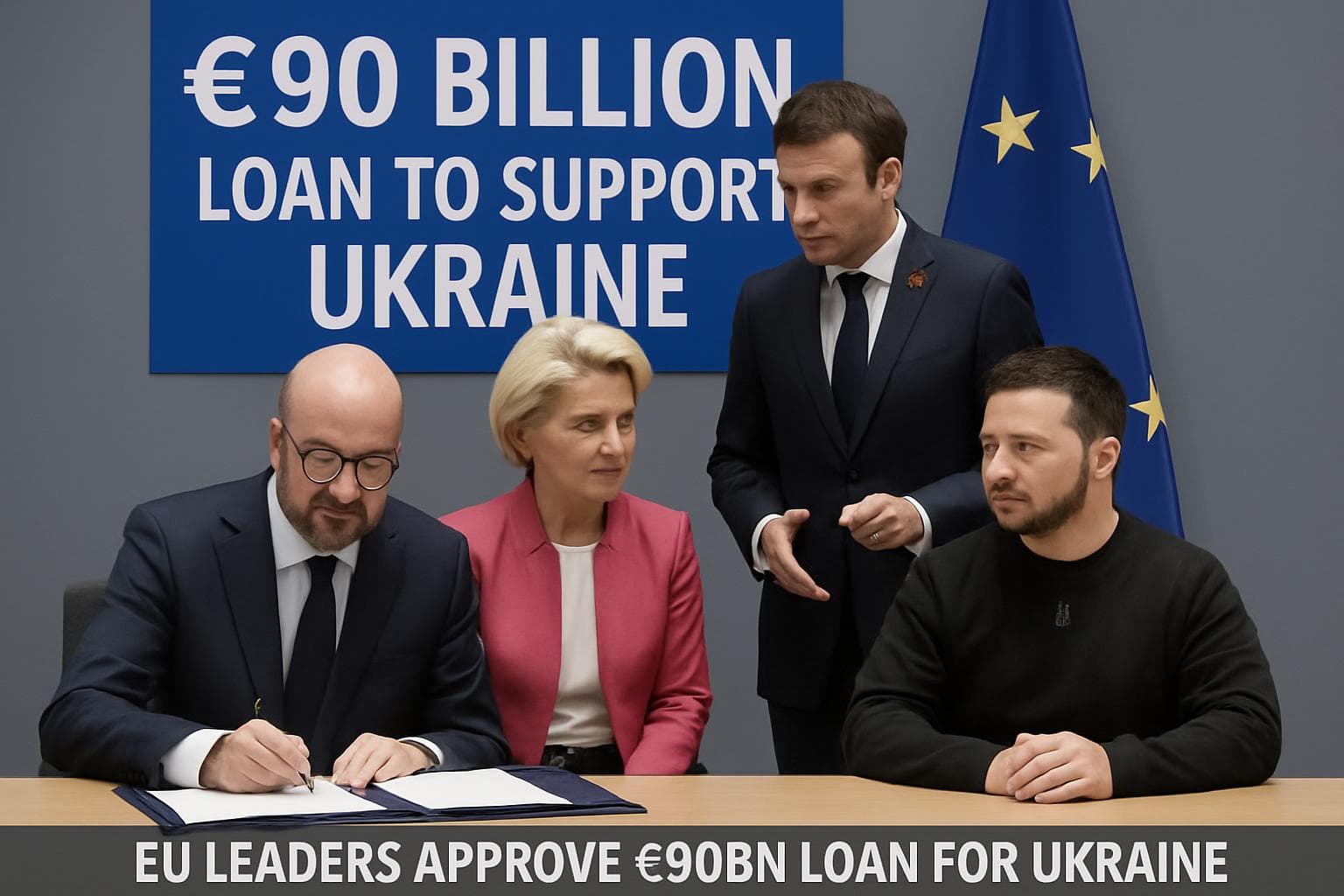
In a significant move to support Ukraine's ongoing military and economic challenges, European Union leaders have approved a €90bn loan, sidestepping the contentious issue of utilizing frozen Russian assets. The agreement, reached after extensive discussions at a summit in Brussels, is designed to sustain Ukraine's financial needs over the next two years.
Loan Agreement Details
The loan, backed by the EU's common budget, was announced by EU chief Antonio Costa, who stated, "We committed, we delivered." The decision reflects a compromise after Belgium, which holds the majority of the €210bn in frozen Russian assets, demanded extensive liability guarantees that other EU members found untenable. Ukrainian President Volodymyr Zelensky expressed his appreciation for the EU's support, describing it as "significant support that truly strengthens our resilience."
Challenges with Frozen Assets
The EU's inability to agree on using Russian assets highlights the legal and financial complexities involved. Belgium's Prime Minister Bart De Wever emphasized the potential chaos and division that could arise from such a move. Despite the setback, German Chancellor Friedrich Merz assured that the EU reserves the right to use these immobilized assets for loan repayment if Russia fails to pay reparations.
Diplomatic Efforts and Future Talks
The loan agreement comes amid a flurry of diplomatic activities. US President Donald Trump has urged Ukraine to expedite a peace deal, with US and Russian officials scheduled to meet in Miami for further discussions. Zelensky announced upcoming talks with US delegations to explore additional guarantees against future invasions.
Broader Implications
The EU's decision to provide the loan without tapping into Russian assets sends a clear message to Moscow, underscoring Europe's commitment to Ukraine's sovereignty. As the situation evolves, the focus remains on diplomatic solutions and the potential for using Russian assets in the future, should legal hurdles be overcome.
WHAT THIS MIGHT MEAN
The EU's decision to provide a loan without using frozen Russian assets may set a precedent for future financial aid packages. However, the unresolved issue of Russian reparations and asset utilization could resurface, especially if Ukraine's financial needs intensify. The upcoming US-Russia talks in Miami could influence the broader geopolitical landscape, potentially leading to new diplomatic strategies or agreements. Experts suggest that the EU's approach reflects a cautious balance between immediate support for Ukraine and long-term legal considerations, with the potential for asset utilization remaining a key point of negotiation.
Related Articles
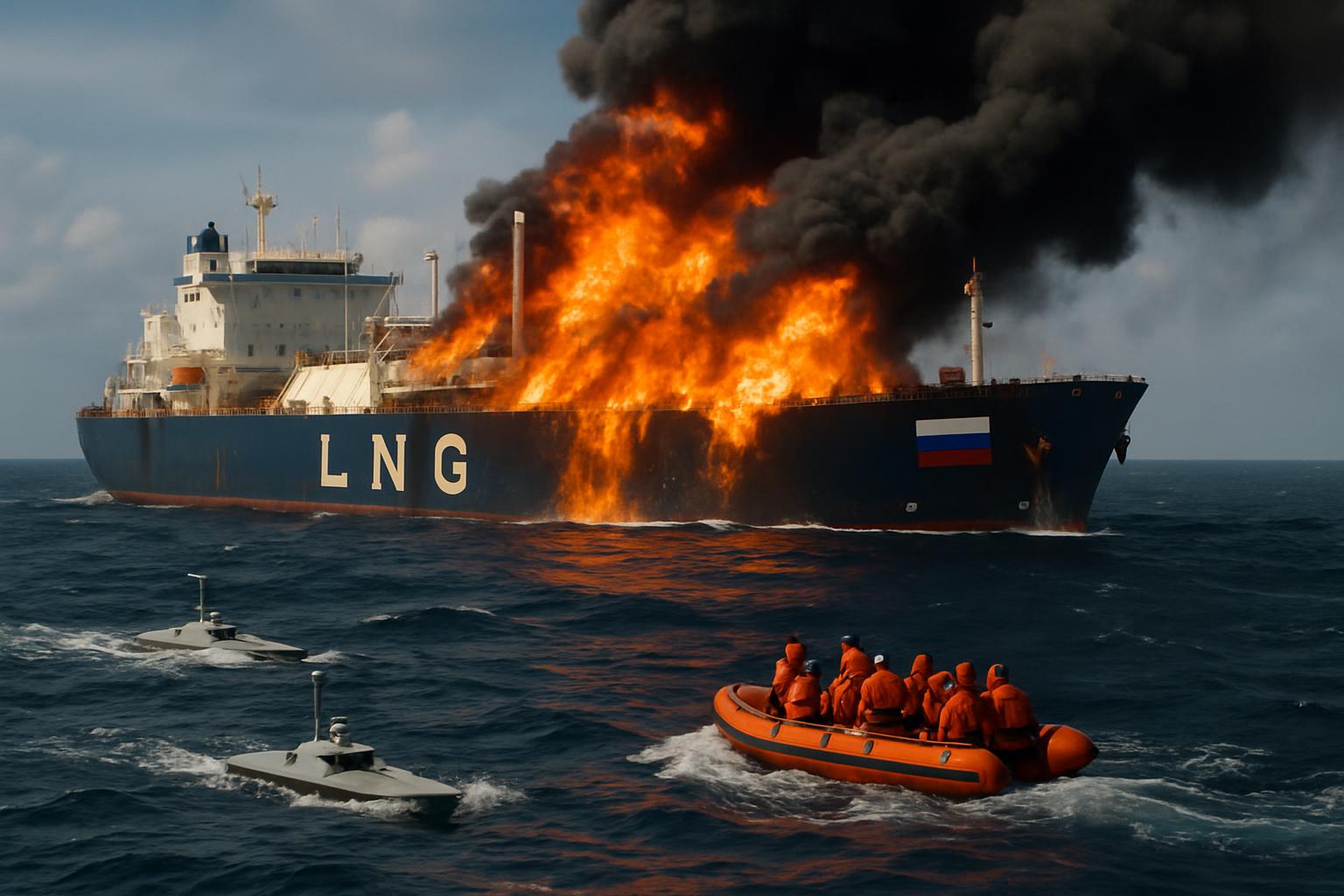
Russian LNG Tanker Sinks in Mediterranean Amid Accusations of Ukrainian Drone Attack
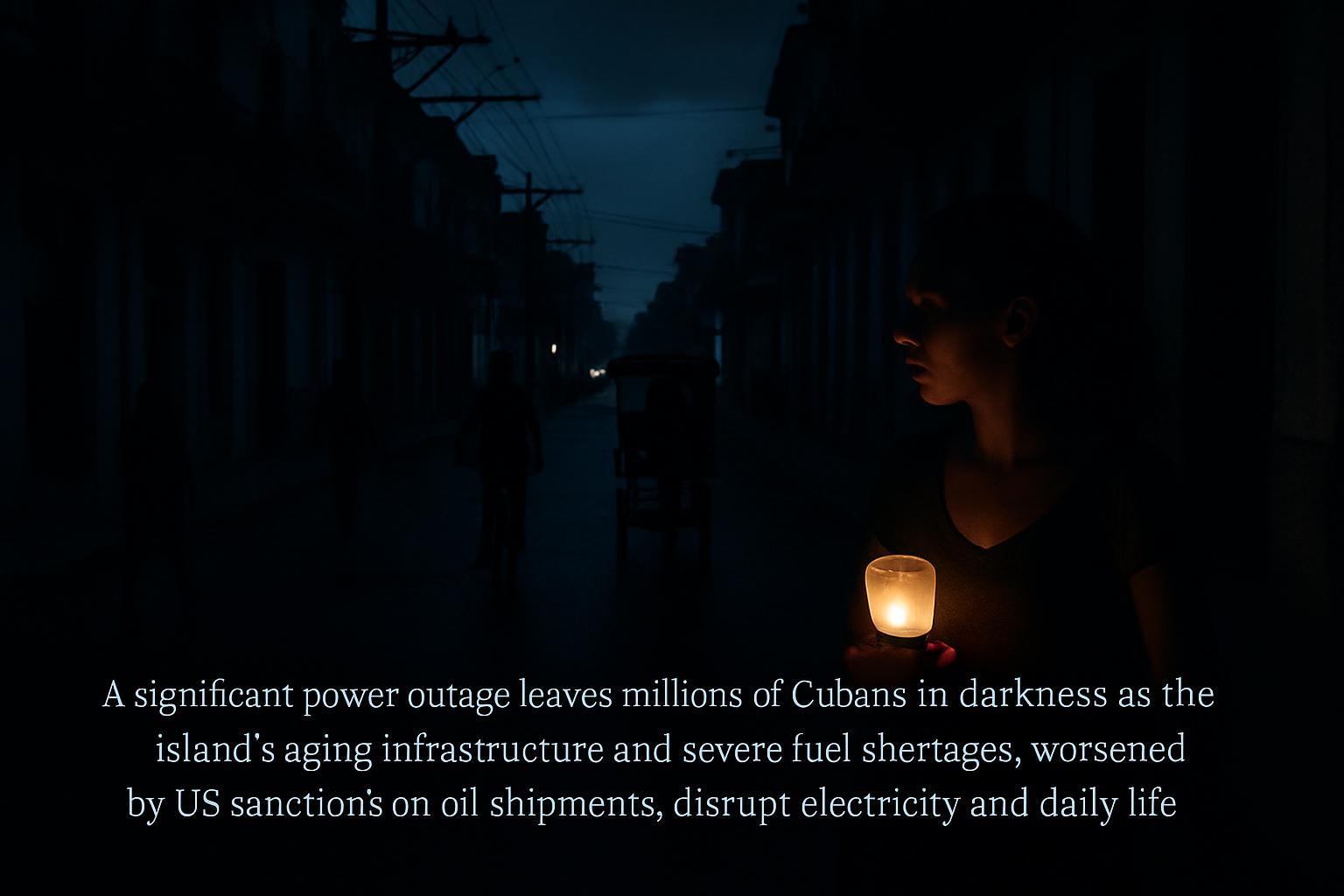
Cuba Faces Widespread Blackout Amid Deepening Fuel Crisis

UK Faces Dilemmas Amid Iran Conflict and China Spying Allegations
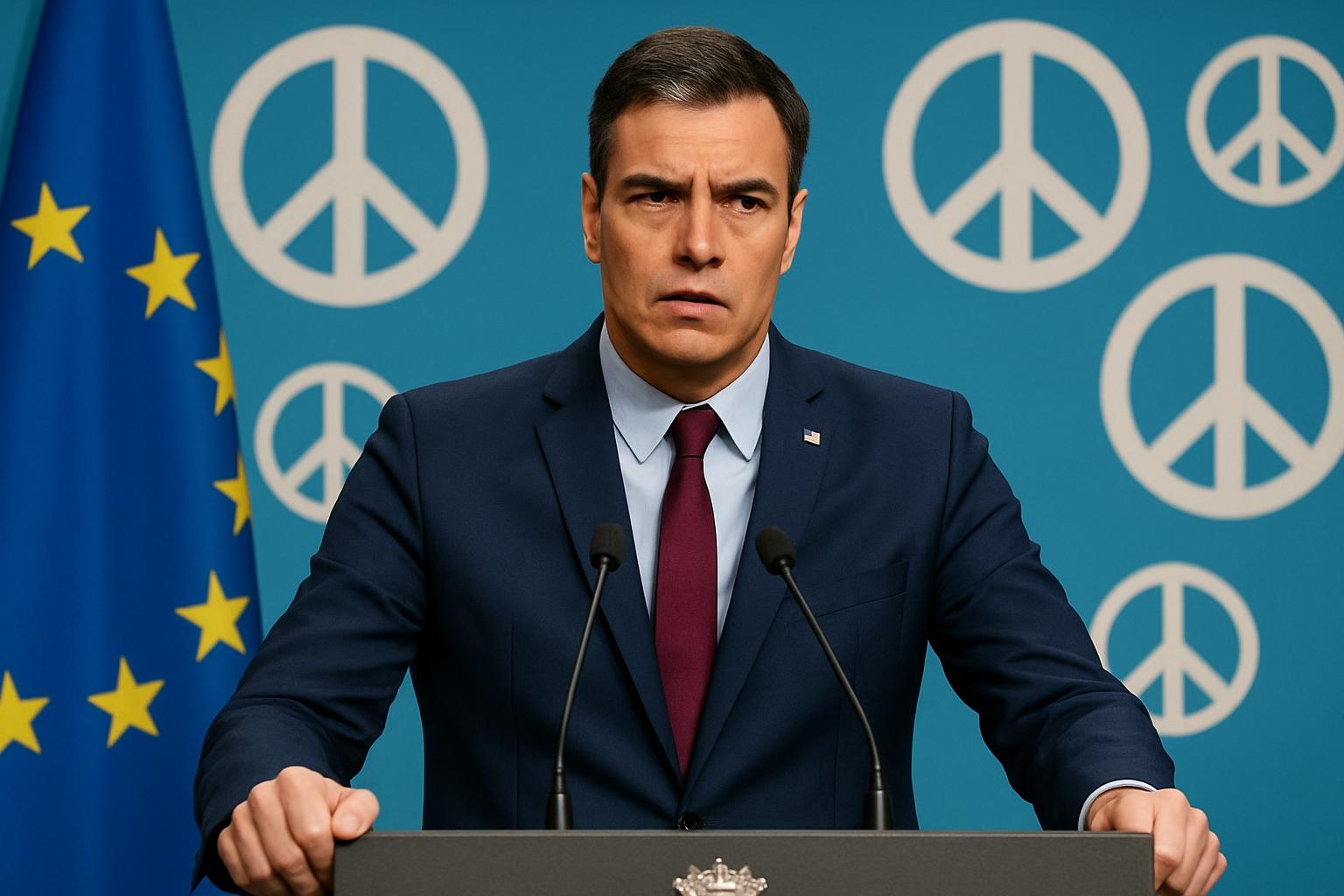
Spain's Sánchez Stands Firm Against Trump's Trade Threat Over Iran Stance
China Sets Lowest GDP Growth Target in Decades Amid Economic Challenges

Tech Giants Pledge to Cover AI Data Center Energy Costs Amid Rising Electricity Concerns
EU Approves €90bn Loan for Ukraine Amidst Frozen Russian Assets Debate
In This Article
 Daniel Rivera| Published
 HIGHLIGHTS
- EU leaders agreed on a €90bn loan for Ukraine, avoiding the use of frozen Russian assets due to legal complexities.
- The loan, backed by the EU budget, aims to support Ukraine's military and economic needs for the next two years.
- Belgium's demand for liability guarantees blocked the use of Russian assets, which are largely held in Brussels.
- Ukrainian President Zelensky expressed gratitude for the loan, emphasizing the importance of keeping Russian assets immobilized.
- The decision comes amid ongoing diplomatic efforts, with US and Russian officials set to meet for peace talks in Miami.
In a significant move to support Ukraine's ongoing military and economic challenges, European Union leaders have approved a €90bn loan, sidestepping the contentious issue of utilizing frozen Russian assets. The agreement, reached after extensive discussions at a summit in Brussels, is designed to sustain Ukraine's financial needs over the next two years.
Loan Agreement Details
The loan, backed by the EU's common budget, was announced by EU chief Antonio Costa, who stated, "We committed, we delivered." The decision reflects a compromise after Belgium, which holds the majority of the €210bn in frozen Russian assets, demanded extensive liability guarantees that other EU members found untenable. Ukrainian President Volodymyr Zelensky expressed his appreciation for the EU's support, describing it as "significant support that truly strengthens our resilience."
Challenges with Frozen Assets
The EU's inability to agree on using Russian assets highlights the legal and financial complexities involved. Belgium's Prime Minister Bart De Wever emphasized the potential chaos and division that could arise from such a move. Despite the setback, German Chancellor Friedrich Merz assured that the EU reserves the right to use these immobilized assets for loan repayment if Russia fails to pay reparations.
Diplomatic Efforts and Future Talks
The loan agreement comes amid a flurry of diplomatic activities. US President Donald Trump has urged Ukraine to expedite a peace deal, with US and Russian officials scheduled to meet in Miami for further discussions. Zelensky announced upcoming talks with US delegations to explore additional guarantees against future invasions.
Broader Implications
The EU's decision to provide the loan without tapping into Russian assets sends a clear message to Moscow, underscoring Europe's commitment to Ukraine's sovereignty. As the situation evolves, the focus remains on diplomatic solutions and the potential for using Russian assets in the future, should legal hurdles be overcome.
WHAT THIS MIGHT MEAN
The EU's decision to provide a loan without using frozen Russian assets may set a precedent for future financial aid packages. However, the unresolved issue of Russian reparations and asset utilization could resurface, especially if Ukraine's financial needs intensify. The upcoming US-Russia talks in Miami could influence the broader geopolitical landscape, potentially leading to new diplomatic strategies or agreements. Experts suggest that the EU's approach reflects a cautious balance between immediate support for Ukraine and long-term legal considerations, with the potential for asset utilization remaining a key point of negotiation.
Related Articles
Russian LNG Tanker Sinks in Mediterranean Amid Accusations of Ukrainian Drone Attack
Cuba Faces Widespread Blackout Amid Deepening Fuel Crisis
UK Faces Dilemmas Amid Iran Conflict and China Spying Allegations
Spain's Sánchez Stands Firm Against Trump's Trade Threat Over Iran Stance
China Sets Lowest GDP Growth Target in Decades Amid Economic Challenges
Tech Giants Pledge to Cover AI Data Center Energy Costs Amid Rising Electricity Concerns