
EU Leaders Face Crucial Decision on Using Frozen Russian Assets for Ukraine
In This Article
HIGHLIGHTS
- EU leaders are debating whether to loan Ukraine €90bn from Russia's frozen assets, held mainly by Euroclear in Belgium.
- Belgium and Italy express concerns over the legal implications and potential financial risks of using these assets.
- Russia has filed a $230bn lawsuit against Euroclear, claiming damages over the frozen assets.
- The decision comes amid heightened tensions, with Russia allegedly intimidating Belgian officials to block the asset use.
- The EU's decision could significantly impact Ukraine's ability to sustain its defense efforts through 2026 and 2027.
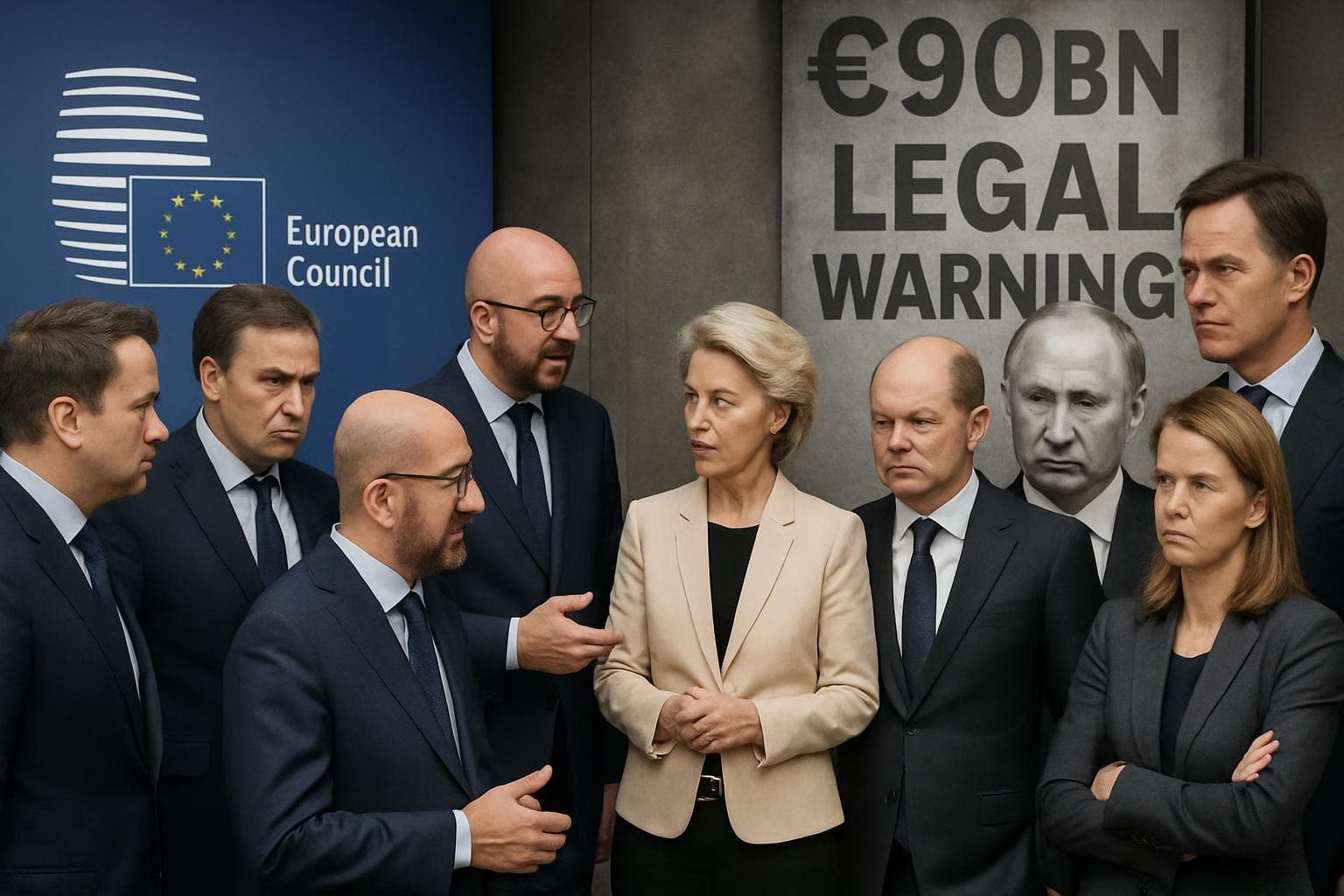
European Union leaders are convening in Brussels to deliberate a pivotal decision: whether to loan Ukraine €90bn from Russia's frozen assets to support its military and economic needs. This decision, set against the backdrop of ongoing tensions with Russia, could be a turning point in the war that began with Russia's invasion of Ukraine in February 2022.
The Stakes at the Brussels Summit
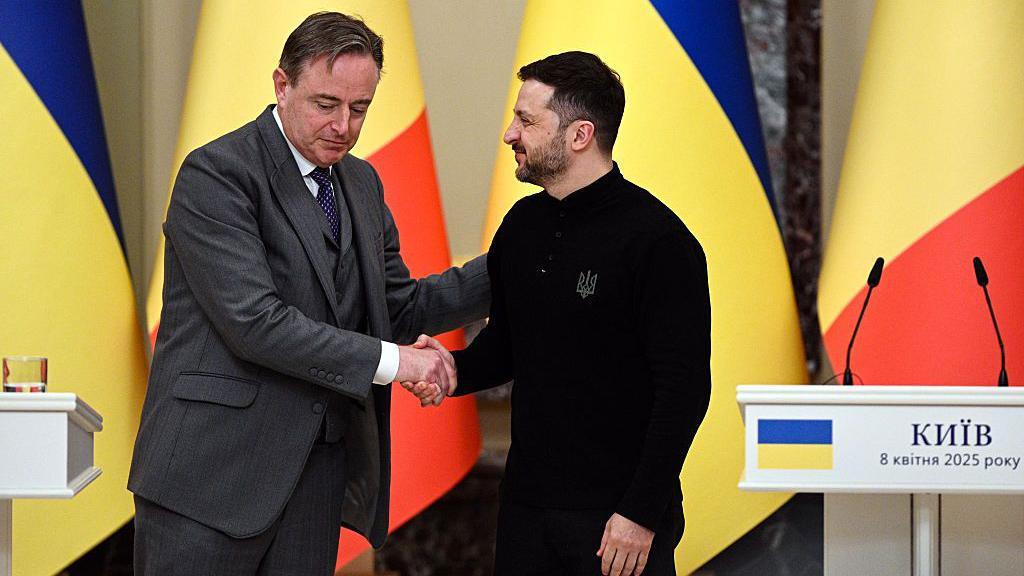
The assets in question, totaling €210bn, are primarily held by Euroclear, a Brussels-based securities depository. The European Commission has proposed using these funds to provide Ukraine with a €90bn loan, crucial for maintaining its defense through 2026 and 2027. However, this plan faces opposition from Belgium and Italy, who cite legal and financial risks. Belgian Prime Minister Bart De Wever has expressed skepticism, stating, "I haven't yet seen any text that would persuade me to change Belgium's position."
Legal and Political Tensions
Russia has responded with a $230bn lawsuit against Euroclear, claiming damages over the frozen assets. The Kremlin has warned that using these assets would be tantamount to theft, with President Vladimir Putin describing such actions as a threat to European economic stability. Meanwhile, reports have surfaced of Russian intelligence allegedly intimidating Belgian officials to prevent the asset use, highlighting the geopolitical stakes involved.
Diverging Views Within the EU
While some EU leaders, including Germany's Chancellor Friedrich Merz, support the plan as a necessary step to bolster Ukraine's defense, others like Italy's Prime Minister Giorgia Meloni caution against proceeding without a solid legal basis. The debate underscores the broader challenge of balancing immediate support for Ukraine with long-term legal and financial considerations.
The Broader Implications
The outcome of the Brussels summit could have far-reaching implications. A decision to loan the assets would not only provide Ukraine with much-needed financial support but also signal a firm EU stance against Russian aggression. Conversely, failure to reach an agreement could leave Ukraine vulnerable and strain EU unity.
WHAT THIS MIGHT MEAN
Should the EU decide to proceed with the loan, it could strengthen Ukraine's position both militarily and diplomatically, potentially altering the dynamics of the conflict. However, this move could also escalate tensions with Russia, leading to further legal battles and economic repercussions. Experts warn that the EU must carefully navigate these complexities to avoid undermining investor confidence in the eurozone.
If the EU opts for alternative funding methods, such as joint borrowing, it may mitigate legal risks but could face challenges in securing unanimous support from member states. The decision will likely influence future EU-Russia relations and set a precedent for handling frozen assets in international conflicts.
Images from the Web
Related Articles
Russian LNG Tanker Sinks in Mediterranean Amid Accusations of Ukrainian Drone Attack

Russia-Ukraine Conflict: Four Years of Unyielding Struggle and Human Resilience

Global Counsel Enters Administration Amid Epstein Link Fallout
Rai Sport Chief Resigns Amid Olympic Commentary Controversy
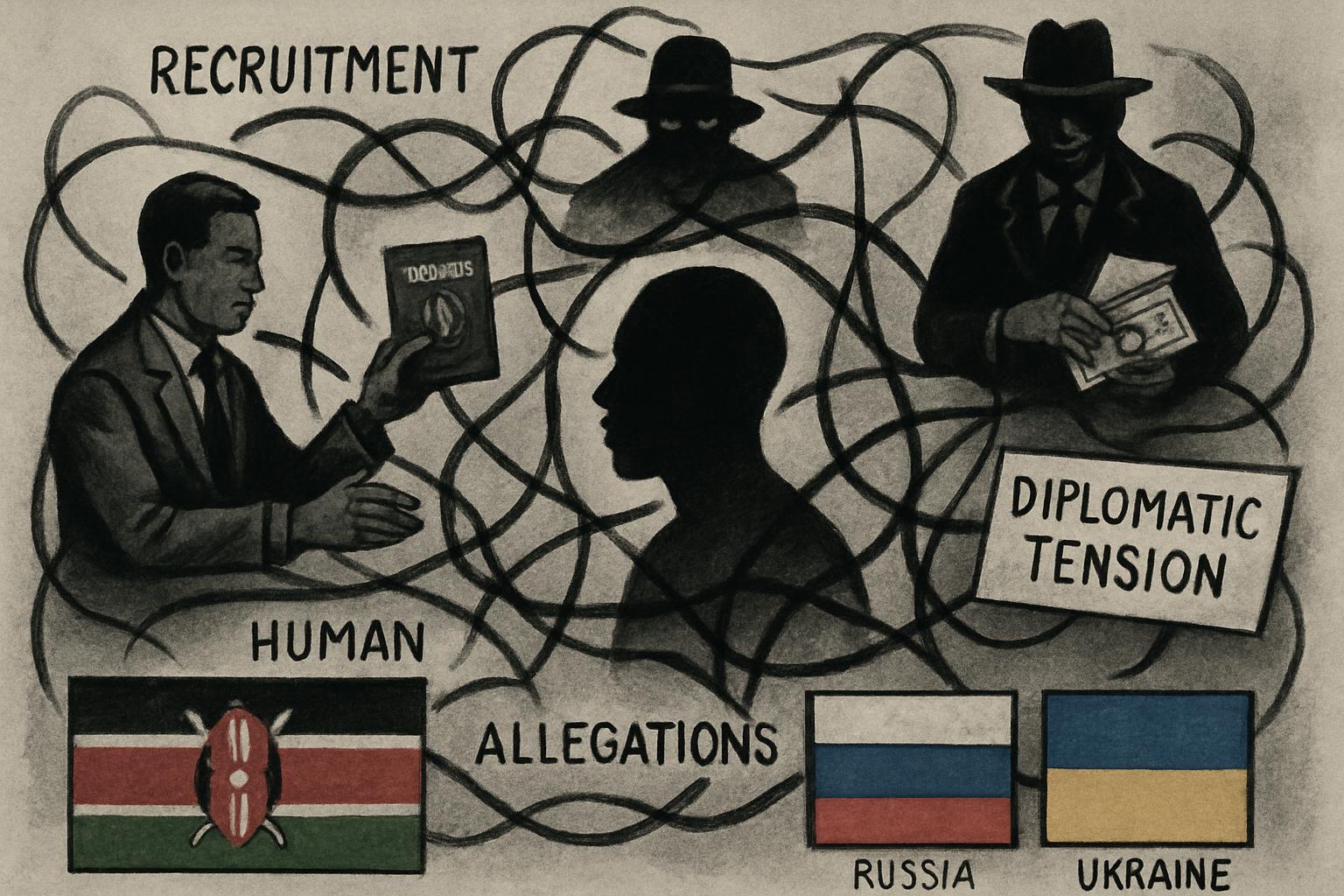
Kenyan Nationals Recruited for Russia-Ukraine War Amid Allegations of Human Trafficking
Spain's Sánchez Stands Firm Against Trump's Trade Threat Over Iran Stance
EU Leaders Face Crucial Decision on Using Frozen Russian Assets for Ukraine
In This Article
 Daniel Rivera| Published
 HIGHLIGHTS
- EU leaders are debating whether to loan Ukraine €90bn from Russia's frozen assets, held mainly by Euroclear in Belgium.
- Belgium and Italy express concerns over the legal implications and potential financial risks of using these assets.
- Russia has filed a $230bn lawsuit against Euroclear, claiming damages over the frozen assets.
- The decision comes amid heightened tensions, with Russia allegedly intimidating Belgian officials to block the asset use.
- The EU's decision could significantly impact Ukraine's ability to sustain its defense efforts through 2026 and 2027.
European Union leaders are convening in Brussels to deliberate a pivotal decision: whether to loan Ukraine €90bn from Russia's frozen assets to support its military and economic needs. This decision, set against the backdrop of ongoing tensions with Russia, could be a turning point in the war that began with Russia's invasion of Ukraine in February 2022.
The Stakes at the Brussels Summit
The assets in question, totaling €210bn, are primarily held by Euroclear, a Brussels-based securities depository. The European Commission has proposed using these funds to provide Ukraine with a €90bn loan, crucial for maintaining its defense through 2026 and 2027. However, this plan faces opposition from Belgium and Italy, who cite legal and financial risks. Belgian Prime Minister Bart De Wever has expressed skepticism, stating, "I haven't yet seen any text that would persuade me to change Belgium's position."
Legal and Political Tensions
Russia has responded with a $230bn lawsuit against Euroclear, claiming damages over the frozen assets. The Kremlin has warned that using these assets would be tantamount to theft, with President Vladimir Putin describing such actions as a threat to European economic stability. Meanwhile, reports have surfaced of Russian intelligence allegedly intimidating Belgian officials to prevent the asset use, highlighting the geopolitical stakes involved.
Diverging Views Within the EU
While some EU leaders, including Germany's Chancellor Friedrich Merz, support the plan as a necessary step to bolster Ukraine's defense, others like Italy's Prime Minister Giorgia Meloni caution against proceeding without a solid legal basis. The debate underscores the broader challenge of balancing immediate support for Ukraine with long-term legal and financial considerations.
The Broader Implications
The outcome of the Brussels summit could have far-reaching implications. A decision to loan the assets would not only provide Ukraine with much-needed financial support but also signal a firm EU stance against Russian aggression. Conversely, failure to reach an agreement could leave Ukraine vulnerable and strain EU unity.
WHAT THIS MIGHT MEAN
Should the EU decide to proceed with the loan, it could strengthen Ukraine's position both militarily and diplomatically, potentially altering the dynamics of the conflict. However, this move could also escalate tensions with Russia, leading to further legal battles and economic repercussions. Experts warn that the EU must carefully navigate these complexities to avoid undermining investor confidence in the eurozone.
If the EU opts for alternative funding methods, such as joint borrowing, it may mitigate legal risks but could face challenges in securing unanimous support from member states. The decision will likely influence future EU-Russia relations and set a precedent for handling frozen assets in international conflicts.
Images from the Web
Related Articles
Russian LNG Tanker Sinks in Mediterranean Amid Accusations of Ukrainian Drone Attack
Russia-Ukraine Conflict: Four Years of Unyielding Struggle and Human Resilience
Global Counsel Enters Administration Amid Epstein Link Fallout
Rai Sport Chief Resigns Amid Olympic Commentary Controversy
Kenyan Nationals Recruited for Russia-Ukraine War Amid Allegations of Human Trafficking
Spain's Sánchez Stands Firm Against Trump's Trade Threat Over Iran Stance