
EU-US Trade Deal Faces Criticism Amid New US Tariff Measures
In This Article
HIGHLIGHTS
- The EU-US trade agreement was announced, reducing potential tariffs from 30% to 15% on most EU exports to the US.
- Many EU countries are dissatisfied with the agreement, which is not legally binding and leaves several details unresolved.
- President Trump imposed new tariffs ranging from 10% to 41% on imports from dozens of countries, aiming to reshape global trade.
- The new tariffs, including a 35% rate on Canadian goods, are set to take effect in seven days, with ongoing negotiations possible.
- Legal challenges are emerging against Trump's use of emergency economic powers to enforce these tariffs.
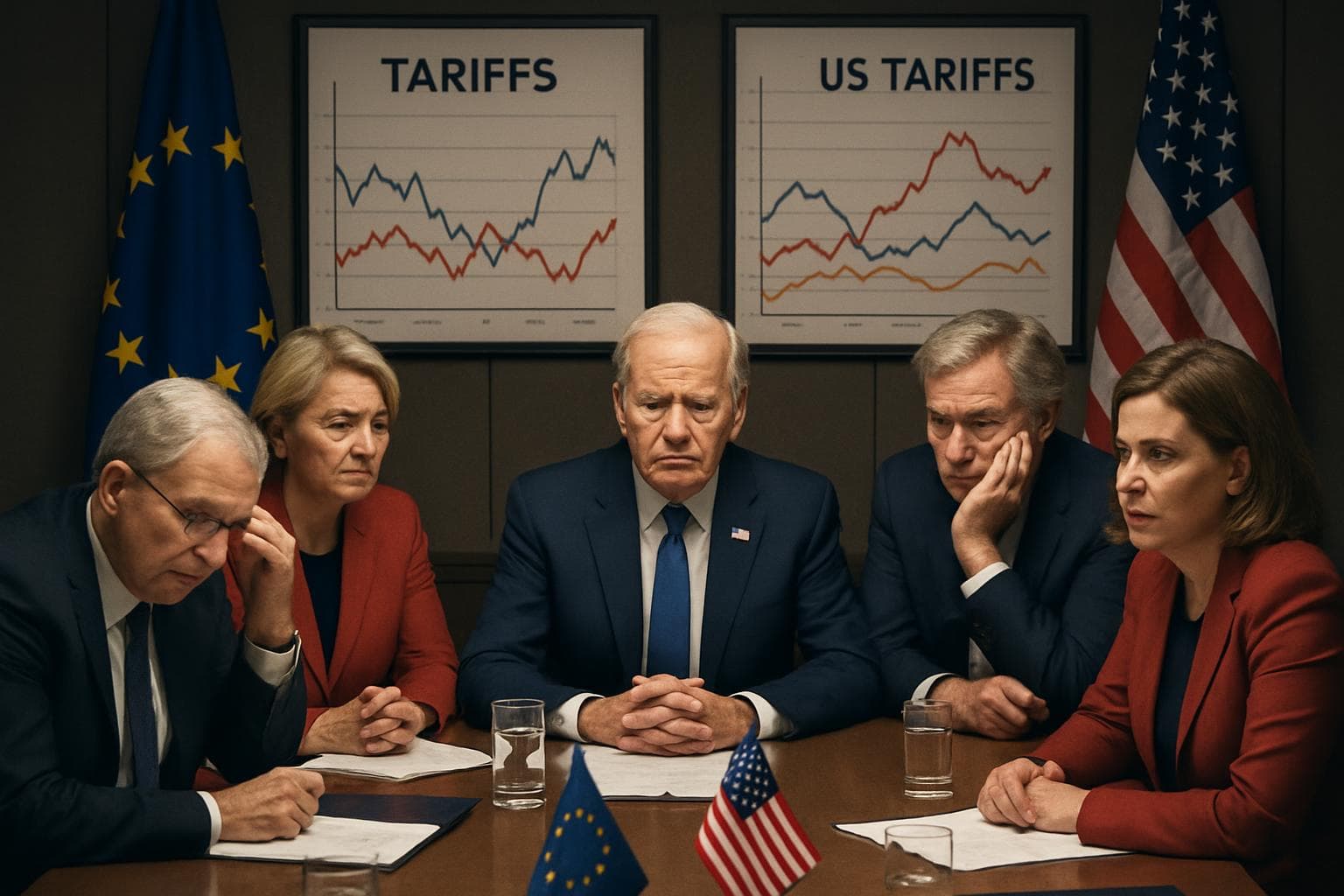
The recent announcement of a trade agreement between the European Union and the United States has been met with mixed reactions across Europe. While the deal, unveiled by European Commission President Ursula von der Leyen and US President Donald Trump, averts the previously threatened 30% tariffs, it still imposes a 15% tariff on most EU exports to the US. This development has left many European leaders and businesses dissatisfied, as the agreement is not legally binding and several details remain unresolved.
EU-US Trade Agreement: Relief and Discontent
The agreement, which was announced just before Trump's deadline of August 1, has brought a sense of relief to some European businesses by providing a degree of predictability after months of uncertainty. However, the 15% tariff is still a significant increase from the previous average rate of 4.8%, and some EU countries are disproportionately affected. Germany's finance minister, Lars Klingbeil, expressed regret over the EU's negotiating stance but acknowledged the importance of reaching an agreement to prevent further escalation.
The European Commission has emphasized that the deal is a "set of political commitments" rather than a legally binding document. Olof Gill, the Commission's trade spokesperson, noted that additional negotiated exemptions are being pursued. Meanwhile, US Commerce chief Howard Lutnick admitted that discussions are ongoing, with both sides still negotiating aspects of the framework.
Trump's Tariff Strategy: A Global Impact
In a broader move to reshape global trade, President Trump has signed an executive order imposing new tariffs on imports from dozens of countries. These tariffs, ranging from 10% to 41%, are set to take effect in a week, providing a brief window for further negotiations. Notably, Canadian imports will face a 35% tariff, up from the current 25%, due to Canada's alleged failure to curb fentanyl flows into the US.
The new tariffs have sparked concerns about inflation in the US and uncertainty among global trade partners. Countries such as India, Taiwan, and South Africa are facing significant tariff increases, while some of the world's poorest nations, including Syria and Laos, are hit with punitive rates.
Legal and Economic Implications
The imposition of these tariffs has led to legal challenges against Trump's use of emergency economic powers. A lower court has already questioned the president's authority, adding another layer of complexity to the unfolding trade scenario. Despite these challenges, Trump remains optimistic about the tariffs' impact, stating that they are proceeding "very well, very smooth."
WHAT THIS MIGHT MEAN
The EU-US trade agreement, while providing temporary relief, leaves much to be negotiated. As talks continue, the potential for further exemptions and adjustments remains, particularly for sectors like pharmaceuticals and semiconductors. The ongoing negotiations could lead to more favorable terms for certain EU countries, but the lack of a legally binding framework poses risks of future disputes.
Meanwhile, the global impact of Trump's new tariffs is yet to be fully realized. The affected countries may seek diplomatic solutions or retaliatory measures, potentially leading to a reshaping of international trade alliances. Legal challenges to Trump's tariff strategy could also influence future US trade policies, especially if courts limit the president's use of emergency powers. As the situation evolves, businesses and governments worldwide will need to navigate the complexities of this new trade landscape.
Related Articles
Canada Calls for De-escalation Amid US-Israel Strikes on Iran

Cuba Faces Widespread Blackout Amid Deepening Fuel Crisis

UK Faces Dilemmas Amid Iran Conflict and China Spying Allegations
Spain's Sánchez Stands Firm Against Trump's Trade Threat Over Iran Stance

Iran Postpones Khamenei Funeral Amid Escalating US-Israeli Strikes
China Sets Lowest GDP Growth Target in Decades Amid Economic Challenges
EU-US Trade Deal Faces Criticism Amid New US Tariff Measures
In This Article
 Alex Carter| Published
 HIGHLIGHTS
- The EU-US trade agreement was announced, reducing potential tariffs from 30% to 15% on most EU exports to the US.
- Many EU countries are dissatisfied with the agreement, which is not legally binding and leaves several details unresolved.
- President Trump imposed new tariffs ranging from 10% to 41% on imports from dozens of countries, aiming to reshape global trade.
- The new tariffs, including a 35% rate on Canadian goods, are set to take effect in seven days, with ongoing negotiations possible.
- Legal challenges are emerging against Trump's use of emergency economic powers to enforce these tariffs.
The recent announcement of a trade agreement between the European Union and the United States has been met with mixed reactions across Europe. While the deal, unveiled by European Commission President Ursula von der Leyen and US President Donald Trump, averts the previously threatened 30% tariffs, it still imposes a 15% tariff on most EU exports to the US. This development has left many European leaders and businesses dissatisfied, as the agreement is not legally binding and several details remain unresolved.
EU-US Trade Agreement: Relief and Discontent
The agreement, which was announced just before Trump's deadline of August 1, has brought a sense of relief to some European businesses by providing a degree of predictability after months of uncertainty. However, the 15% tariff is still a significant increase from the previous average rate of 4.8%, and some EU countries are disproportionately affected. Germany's finance minister, Lars Klingbeil, expressed regret over the EU's negotiating stance but acknowledged the importance of reaching an agreement to prevent further escalation.
The European Commission has emphasized that the deal is a "set of political commitments" rather than a legally binding document. Olof Gill, the Commission's trade spokesperson, noted that additional negotiated exemptions are being pursued. Meanwhile, US Commerce chief Howard Lutnick admitted that discussions are ongoing, with both sides still negotiating aspects of the framework.
Trump's Tariff Strategy: A Global Impact
In a broader move to reshape global trade, President Trump has signed an executive order imposing new tariffs on imports from dozens of countries. These tariffs, ranging from 10% to 41%, are set to take effect in a week, providing a brief window for further negotiations. Notably, Canadian imports will face a 35% tariff, up from the current 25%, due to Canada's alleged failure to curb fentanyl flows into the US.
The new tariffs have sparked concerns about inflation in the US and uncertainty among global trade partners. Countries such as India, Taiwan, and South Africa are facing significant tariff increases, while some of the world's poorest nations, including Syria and Laos, are hit with punitive rates.
Legal and Economic Implications
The imposition of these tariffs has led to legal challenges against Trump's use of emergency economic powers. A lower court has already questioned the president's authority, adding another layer of complexity to the unfolding trade scenario. Despite these challenges, Trump remains optimistic about the tariffs' impact, stating that they are proceeding "very well, very smooth."
WHAT THIS MIGHT MEAN
The EU-US trade agreement, while providing temporary relief, leaves much to be negotiated. As talks continue, the potential for further exemptions and adjustments remains, particularly for sectors like pharmaceuticals and semiconductors. The ongoing negotiations could lead to more favorable terms for certain EU countries, but the lack of a legally binding framework poses risks of future disputes.
Meanwhile, the global impact of Trump's new tariffs is yet to be fully realized. The affected countries may seek diplomatic solutions or retaliatory measures, potentially leading to a reshaping of international trade alliances. Legal challenges to Trump's tariff strategy could also influence future US trade policies, especially if courts limit the president's use of emergency powers. As the situation evolves, businesses and governments worldwide will need to navigate the complexities of this new trade landscape.
Related Articles
Canada Calls for De-escalation Amid US-Israel Strikes on Iran
Cuba Faces Widespread Blackout Amid Deepening Fuel Crisis
UK Faces Dilemmas Amid Iran Conflict and China Spying Allegations
Spain's Sánchez Stands Firm Against Trump's Trade Threat Over Iran Stance
Iran Postpones Khamenei Funeral Amid Escalating US-Israeli Strikes
China Sets Lowest GDP Growth Target in Decades Amid Economic Challenges