
Europe Urged to Strengthen Defence Amid Shifting US Relations
In This Article
HIGHLIGHTS
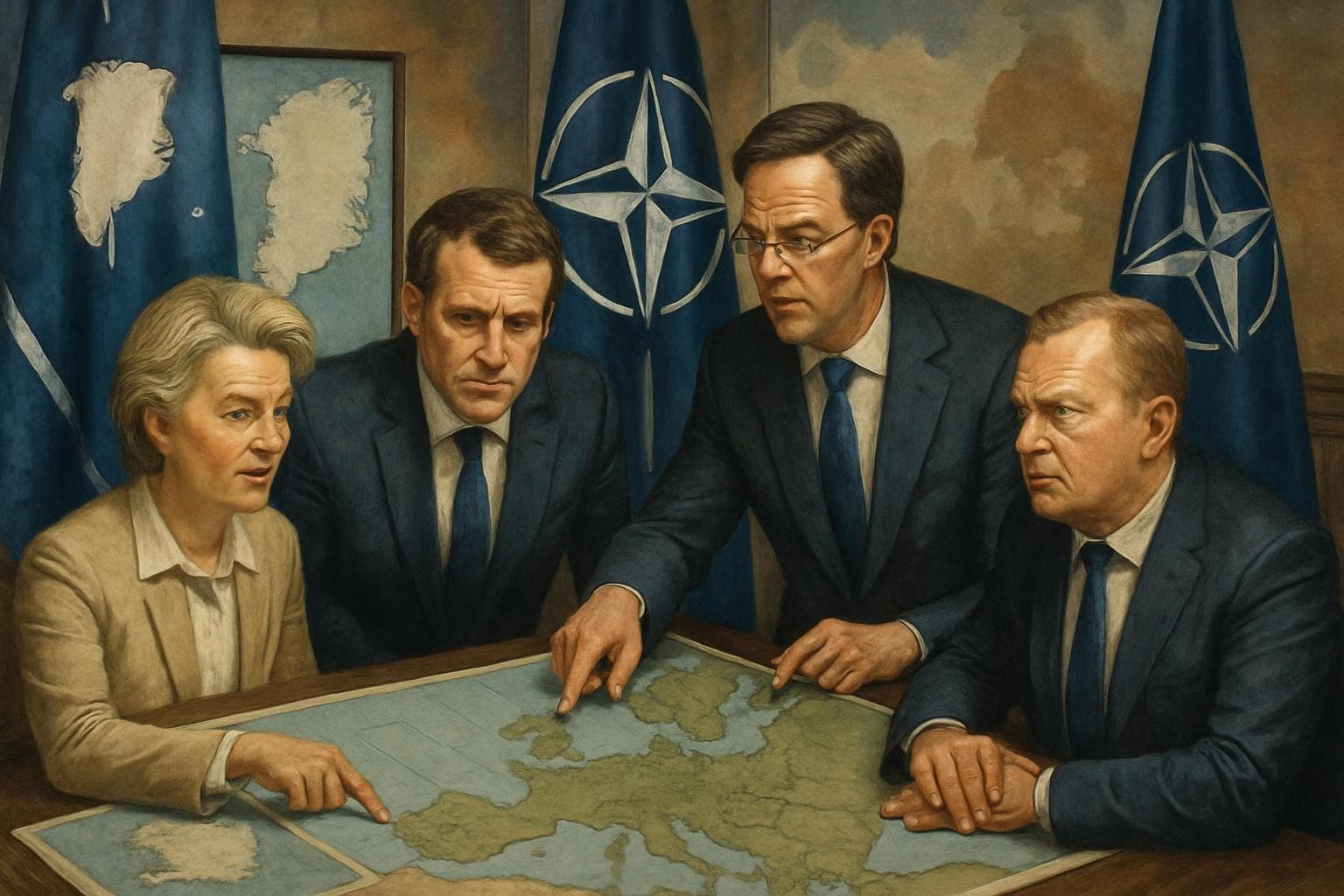
- EU's Kaja Kallas urges Europe to enhance its defence capabilities and reduce reliance on the US, amid shifting transatlantic relations.
- US Secretary Marco Rubio calls for a reimagined Nato, emphasizing increased European defence investments.
- Tensions arose from Trump's Greenland acquisition interest, highlighting US-European rifts.
- Nato members are pressured to increase defence spending to 5% of GDP by 2035.
- Talks on Greenland continue, with Rubio optimistic about a positive resolution through professional negotiations.
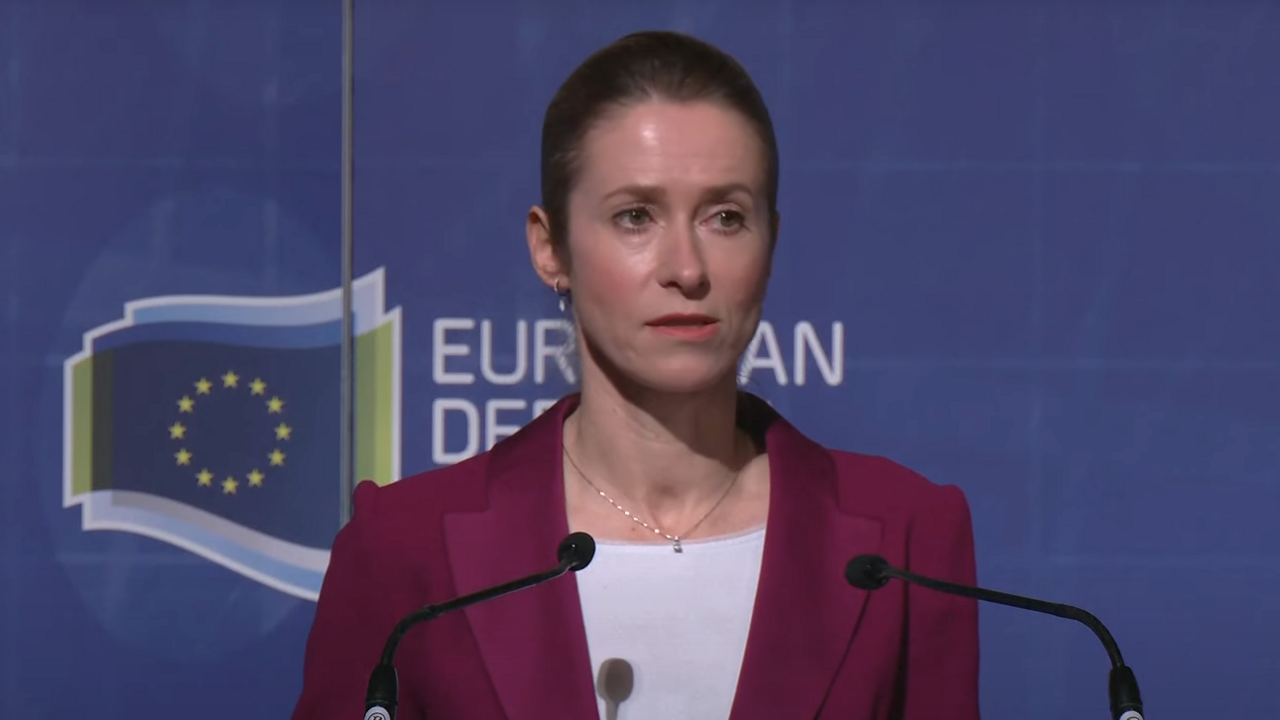
Europe must urgently bolster its defence capabilities and reduce its reliance on the United States, according to EU foreign policy chief Kaja Kallas. Speaking at a defence conference, Kallas emphasized the need for a more European Nato to maintain its strength, as the US shifts its focus away from Europe. "No great power has ever outsourced its survival and survived," Kallas warned, highlighting the structural nature of Washington's transition.
Transatlantic Tensions and Defence Spending
Tensions between the US and Europe have been exacerbated by former President Donald Trump's controversial interest in acquiring Greenland, a semi-autonomous Danish territory. This move underscored a "tectonic shift" in US-European relations, prompting European leaders to reconsider their defence strategies. Nato members have committed to increasing their defence spending to 5% of GDP by 2035, a target driven by US pressure.
Reimagining Nato's Role
US Secretary Marco Rubio echoed the call for a reimagined Nato, urging European allies to rapidly enhance their defence capabilities. "European allies need to offer genuine security guarantees even without the US backstop," Rubio stated, expressing confidence in a positive resolution regarding Greenland through professional negotiations. The Danish and Greenlandic prime ministers have been touring European capitals to demonstrate solidarity with the territory.
European Security and Independence
EU Defence Commissioner Andrius Kubilius emphasized the need for Europe to awaken from its "sleeping giant" status and build its independence in defence. "We must rapidly build our independence without delays and excuses," Kubilius asserted, reflecting a growing sentiment among European leaders for a distinct European pillar within Nato.
WHAT THIS MIGHT MEAN
The call for increased European defence capabilities and a reimagined Nato could lead to significant shifts in the transatlantic alliance. If Europe successfully enhances its defence infrastructure, it may gain greater autonomy in security matters, potentially altering the balance of power within Nato. However, this transition could strain relations with the US if not managed diplomatically.
The ongoing Greenland negotiations may serve as a litmus test for US-European cooperation. A positive resolution could strengthen ties, while a contentious outcome might further complicate the alliance. As Europe navigates these challenges, the continent's ability to unify and act collectively will be crucial in shaping its future security landscape.
Images from the Web
Related Articles
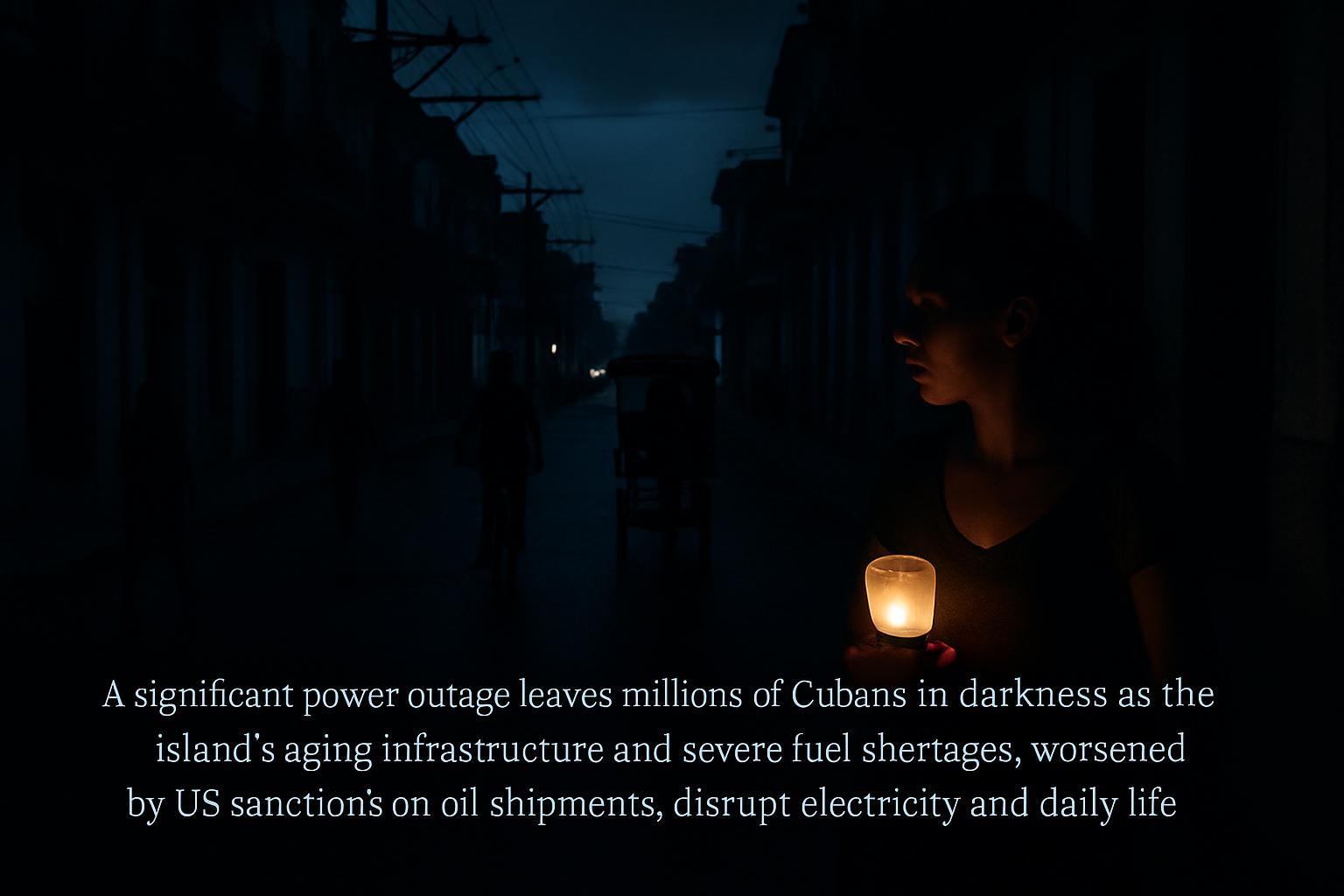
Cuba Faces Widespread Blackout Amid Deepening Fuel Crisis

UK Faces Dilemmas Amid Iran Conflict and China Spying Allegations
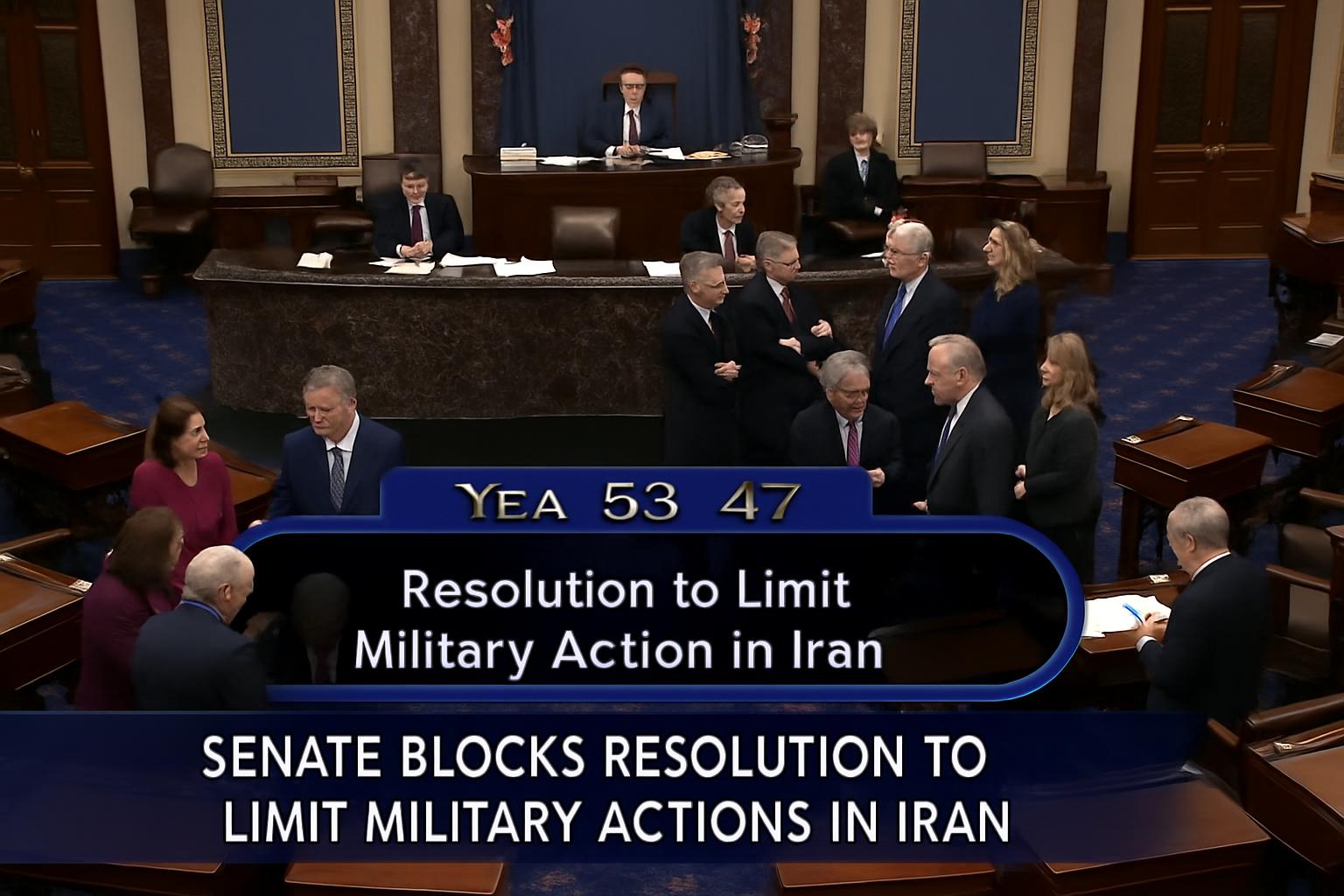
Senate Blocks Resolution to Limit Trump's Military Actions in Iran
China Sets Lowest GDP Growth Target in Decades Amid Economic Challenges
Tech Giants Pledge to Cover AI Data Center Energy Costs Amid Rising Electricity Concerns

UK Government to Reform Asylum Seeker Support and Employment Policies
Europe Urged to Strengthen Defence Amid Shifting US Relations
In This Article
 Alex Carter| Published
 HIGHLIGHTS
- EU's Kaja Kallas urges Europe to enhance its defence capabilities and reduce reliance on the US, amid shifting transatlantic relations.
- US Secretary Marco Rubio calls for a reimagined Nato, emphasizing increased European defence investments.
- Tensions arose from Trump's Greenland acquisition interest, highlighting US-European rifts.
- Nato members are pressured to increase defence spending to 5% of GDP by 2035.
- Talks on Greenland continue, with Rubio optimistic about a positive resolution through professional negotiations.
Europe must urgently bolster its defence capabilities and reduce its reliance on the United States, according to EU foreign policy chief Kaja Kallas. Speaking at a defence conference, Kallas emphasized the need for a more European Nato to maintain its strength, as the US shifts its focus away from Europe. "No great power has ever outsourced its survival and survived," Kallas warned, highlighting the structural nature of Washington's transition.
Transatlantic Tensions and Defence Spending
Tensions between the US and Europe have been exacerbated by former President Donald Trump's controversial interest in acquiring Greenland, a semi-autonomous Danish territory. This move underscored a "tectonic shift" in US-European relations, prompting European leaders to reconsider their defence strategies. Nato members have committed to increasing their defence spending to 5% of GDP by 2035, a target driven by US pressure.
Reimagining Nato's Role
US Secretary Marco Rubio echoed the call for a reimagined Nato, urging European allies to rapidly enhance their defence capabilities. "European allies need to offer genuine security guarantees even without the US backstop," Rubio stated, expressing confidence in a positive resolution regarding Greenland through professional negotiations. The Danish and Greenlandic prime ministers have been touring European capitals to demonstrate solidarity with the territory.
European Security and Independence
EU Defence Commissioner Andrius Kubilius emphasized the need for Europe to awaken from its "sleeping giant" status and build its independence in defence. "We must rapidly build our independence without delays and excuses," Kubilius asserted, reflecting a growing sentiment among European leaders for a distinct European pillar within Nato.
WHAT THIS MIGHT MEAN
The call for increased European defence capabilities and a reimagined Nato could lead to significant shifts in the transatlantic alliance. If Europe successfully enhances its defence infrastructure, it may gain greater autonomy in security matters, potentially altering the balance of power within Nato. However, this transition could strain relations with the US if not managed diplomatically.
The ongoing Greenland negotiations may serve as a litmus test for US-European cooperation. A positive resolution could strengthen ties, while a contentious outcome might further complicate the alliance. As Europe navigates these challenges, the continent's ability to unify and act collectively will be crucial in shaping its future security landscape.
Images from the Web
Related Articles
Cuba Faces Widespread Blackout Amid Deepening Fuel Crisis
UK Faces Dilemmas Amid Iran Conflict and China Spying Allegations
Senate Blocks Resolution to Limit Trump's Military Actions in Iran
China Sets Lowest GDP Growth Target in Decades Amid Economic Challenges
Tech Giants Pledge to Cover AI Data Center Energy Costs Amid Rising Electricity Concerns
UK Government to Reform Asylum Seeker Support and Employment Policies