
South Korea's Former President Yoon Sentenced to Five Years Over Martial Law Attempt
In This Article
HIGHLIGHTS
- Former South Korean President Yoon Suk Yeol has been sentenced to five years in prison for abuse of power, obstructing justice, and falsifying documents related to his failed martial law bid in 2024.
- Yoon faces additional trials, including one for insurrection, with prosecutors seeking the death penalty; the verdict for this case is expected in February.
- The martial law declaration led to significant political turmoil, with Yoon's actions described as a severe breach of constitutional duties.
- Yoon's supporters remain vocal, with some viewing him as a martyr, highlighting deep political divisions in South Korea.
- The ruling marks the beginning of a series of legal challenges for Yoon, who plans to appeal the verdict.
In a landmark ruling, South Korea's former president Yoon Suk Yeol has been sentenced to five years in prison for his role in a failed martial law declaration in December 2024. The Seoul Central District Court found Yoon guilty of abuse of power, obstructing justice, and falsifying documents, marking the first verdict in a series of trials he faces.
Background and Charges
Yoon's martial law declaration, which lasted only six hours, plunged South Korea into political chaos. The court ruled that Yoon had mobilized presidential security forces to block his arrest and bypassed constitutional checks by failing to consult his full cabinet before declaring martial law. Prosecutors argued that Yoon's actions were a blatant misuse of power, aimed at consolidating control and suppressing political opposition.
Public Reaction and Political Divisions
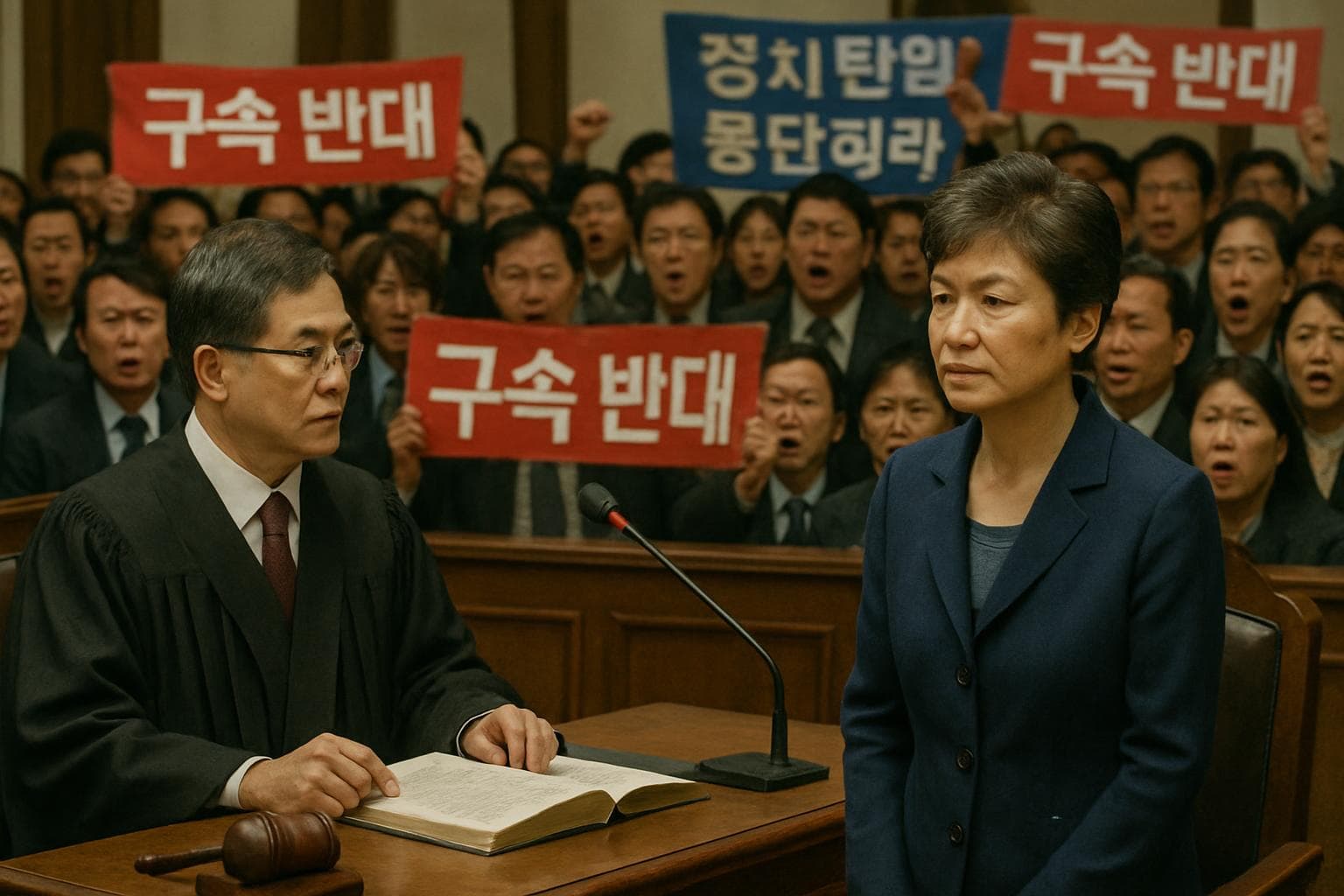
The verdict has reignited political tensions in South Korea. Outside the courthouse, around 100 of Yoon's supporters gathered, some holding banners and others expressing anger at the ruling. Despite the conviction, Yoon's loyalists continue to see him as a martyr, underscoring the deep political divisions within the country.
Future Trials and Legal Implications
Yoon's legal troubles are far from over. He faces additional trials, including one for insurrection, where prosecutors have sought the death penalty. This case, set for a verdict in February, centers on allegations that Yoon attempted to use military force to paralyze the legislature and arrest political opponents. Yoon has denied all charges, arguing that his actions were within legal bounds and necessary to protect the nation.
Judicial Context and Historical Parallels
The case against Yoon is unprecedented in South Korea's democratic history. While former presidents have faced legal challenges, the severity of the charges against Yoon, particularly the insurrection charge, is unparalleled. The last time a South Korean leader faced such serious allegations was during the military dictatorship era, highlighting the gravity of Yoon's actions.
WHAT THIS MIGHT MEAN
The legal proceedings against Yoon Suk Yeol could have significant implications for South Korea's political landscape. If the insurrection trial results in a severe sentence, it may set a precedent for holding leaders accountable for constitutional breaches. However, Yoon's appeal and the potential for a pardon, as seen in past cases, could alter the outcome. Politically, the trials may deepen divisions, with Yoon's supporters potentially rallying around his perceived martyrdom. As South Korea navigates these turbulent waters, the judiciary's role in maintaining democratic integrity will be closely scrutinized.
Related Articles
South Korea's Former First Lady Sentenced for Bribery Amid Political Turmoil
South Korean Prosecutors Demand Death Penalty for Former President Yoon Suk Yeol
South Korea's Former President Yoon Suk Yeol Sentenced to Life for Insurrection
Kim Jong Un's Daughter Poised as North Korea's Future Leader, South Korean Intelligence Suggests
Labour's Push for Closer EU Ties Sparks Debate
Sanae Takaichi's Snap Election Gamble: Will Japan's First Female Prime Minister Secure a Landslide Victory?
South Korea's Former President Yoon Sentenced to Five Years Over Martial Law Attempt
In This Article
 Sofia Romano| Published
 HIGHLIGHTS
- Former South Korean President Yoon Suk Yeol has been sentenced to five years in prison for abuse of power, obstructing justice, and falsifying documents related to his failed martial law bid in 2024.
- Yoon faces additional trials, including one for insurrection, with prosecutors seeking the death penalty; the verdict for this case is expected in February.
- The martial law declaration led to significant political turmoil, with Yoon's actions described as a severe breach of constitutional duties.
- Yoon's supporters remain vocal, with some viewing him as a martyr, highlighting deep political divisions in South Korea.
- The ruling marks the beginning of a series of legal challenges for Yoon, who plans to appeal the verdict.
In a landmark ruling, South Korea's former president Yoon Suk Yeol has been sentenced to five years in prison for his role in a failed martial law declaration in December 2024. The Seoul Central District Court found Yoon guilty of abuse of power, obstructing justice, and falsifying documents, marking the first verdict in a series of trials he faces.
Background and Charges
Yoon's martial law declaration, which lasted only six hours, plunged South Korea into political chaos. The court ruled that Yoon had mobilized presidential security forces to block his arrest and bypassed constitutional checks by failing to consult his full cabinet before declaring martial law. Prosecutors argued that Yoon's actions were a blatant misuse of power, aimed at consolidating control and suppressing political opposition.
Public Reaction and Political Divisions
The verdict has reignited political tensions in South Korea. Outside the courthouse, around 100 of Yoon's supporters gathered, some holding banners and others expressing anger at the ruling. Despite the conviction, Yoon's loyalists continue to see him as a martyr, underscoring the deep political divisions within the country.
Future Trials and Legal Implications
Yoon's legal troubles are far from over. He faces additional trials, including one for insurrection, where prosecutors have sought the death penalty. This case, set for a verdict in February, centers on allegations that Yoon attempted to use military force to paralyze the legislature and arrest political opponents. Yoon has denied all charges, arguing that his actions were within legal bounds and necessary to protect the nation.
Judicial Context and Historical Parallels
The case against Yoon is unprecedented in South Korea's democratic history. While former presidents have faced legal challenges, the severity of the charges against Yoon, particularly the insurrection charge, is unparalleled. The last time a South Korean leader faced such serious allegations was during the military dictatorship era, highlighting the gravity of Yoon's actions.
WHAT THIS MIGHT MEAN
The legal proceedings against Yoon Suk Yeol could have significant implications for South Korea's political landscape. If the insurrection trial results in a severe sentence, it may set a precedent for holding leaders accountable for constitutional breaches. However, Yoon's appeal and the potential for a pardon, as seen in past cases, could alter the outcome. Politically, the trials may deepen divisions, with Yoon's supporters potentially rallying around his perceived martyrdom. As South Korea navigates these turbulent waters, the judiciary's role in maintaining democratic integrity will be closely scrutinized.
Related Articles
South Korea's Former First Lady Sentenced for Bribery Amid Political Turmoil
South Korean Prosecutors Demand Death Penalty for Former President Yoon Suk Yeol
South Korea's Former President Yoon Suk Yeol Sentenced to Life for Insurrection
Kim Jong Un's Daughter Poised as North Korea's Future Leader, South Korean Intelligence Suggests
Labour's Push for Closer EU Ties Sparks Debate
Sanae Takaichi's Snap Election Gamble: Will Japan's First Female Prime Minister Secure a Landslide Victory?