
South Korea's Former President Yoon Suk Yeol Sentenced to Life for Insurrection
In This Article
HIGHLIGHTS
- Former South Korean President Yoon Suk Yeol was sentenced to life imprisonment for leading an insurrection in December 2024.
- Yoon declared martial law, mobilizing troops to surround parliament, which was later overturned by 190 lawmakers.
- Prosecutors sought the death penalty, citing "grave destruction of constitutional order," but Yoon claimed it was a political conspiracy.
- The verdict marks the first time an elected South Korean head of state received the maximum custodial sentence.
- The case has sparked discussions on the implications for South Korean democracy and the legal system.
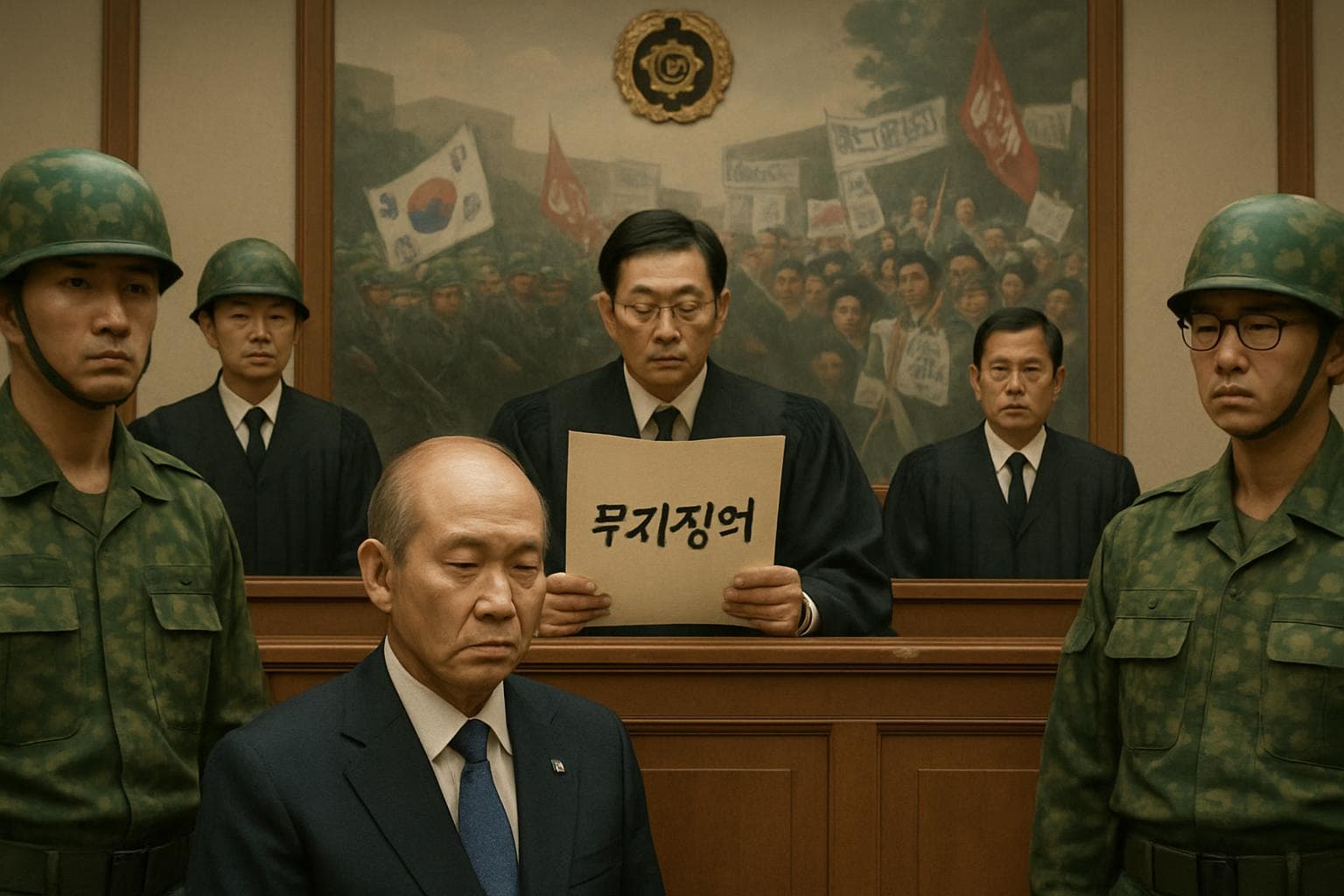
In a landmark ruling, former South Korean President Yoon Suk Yeol has been sentenced to life imprisonment with labor for his role in a failed insurrection attempt in December 2024. The verdict, delivered by a South Korean court on Thursday, marks the first instance of an elected head of state in the country receiving such a severe sentence.
Martial Law and Insurrection Charges
Yoon's conviction stems from his declaration of martial law, during which he mobilized troops to encircle the National Assembly, aiming to arrest political opponents and seize control of the national election commission. The court found Yoon guilty of leading an insurrection, a charge that under South Korean law can result in death, life imprisonment with labor, or life imprisonment without labor. Prosecutors had pushed for the death penalty, arguing that Yoon's actions represented a "grave destruction of constitutional order."
Political Conspiracy Claims
Throughout the trial, Yoon maintained his innocence, describing the investigation as a "political conspiracy." He alleged that his actions were necessary to alert citizens to what he termed an unconstitutional parliamentary dictatorship by the opposition Democratic Party. Despite his claims of election fraud, Yoon failed to provide evidence, and his legal team argued there was no intent to disrupt constitutional order.
Overturning Martial Law
The insurrection attempt was swiftly countered when 190 lawmakers managed to break through military and police barriers to pass an emergency resolution lifting martial law. Within 11 days, parliament impeached Yoon, and the constitutional court removed him from office four months later. The events of December 3, 2024, have been formally recognized as an insurrection by a series of related rulings.
Public and Legal Reactions
The sentencing has sparked significant public and legal discourse. Crowds gathered outside the court as the verdict was announced, reflecting the case's profound impact on South Korean democracy. Legal experts suggest that the severe penalties imposed in related cases, such as the 23-year sentence for former Prime Minister Han Duck-soo, set a precedent for Yoon's life sentence.
WHAT THIS MIGHT MEAN
The sentencing of Yoon Suk Yeol raises critical questions about the future of South Korean democracy and the legal system's role in safeguarding constitutional order. Experts suggest that the ruling could deter future attempts to undermine democratic institutions, reinforcing the judiciary's commitment to upholding the rule of law. However, the case also highlights the potential for political polarization, as Yoon's supporters may view the verdict as a politically motivated act. As South Korea navigates these complex dynamics, the international community will be closely watching how the country balances justice with political stability.
Related Articles
South Korea's Former First Lady Sentenced for Bribery Amid Political Turmoil
Arrests Over French Activist's Death Heighten Political Tensions
South Korea's Former President Yoon Sentenced to Five Years Over Martial Law Attempt
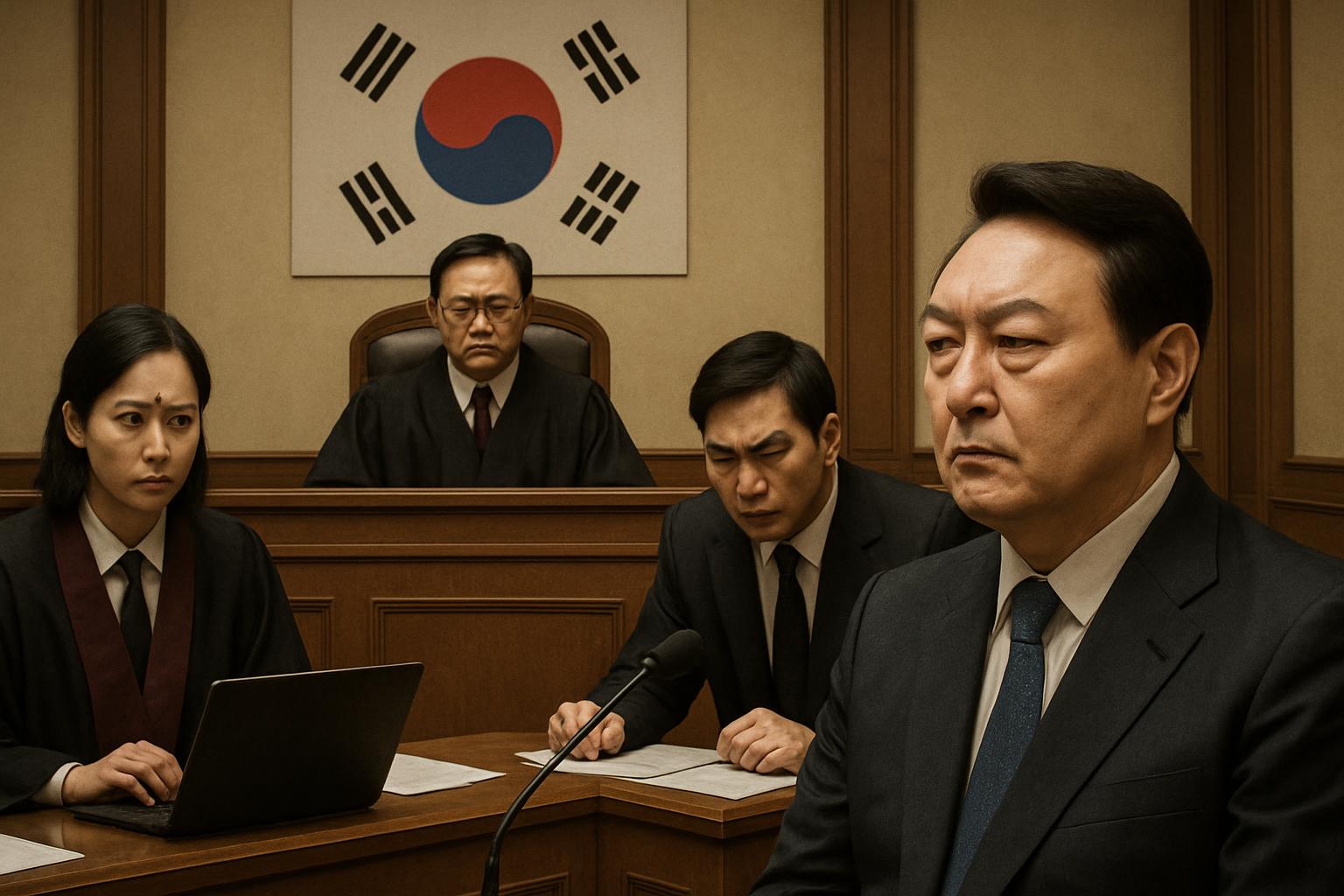
South Korean Prosecutors Demand Death Penalty for Former President Yoon Suk Yeol
Venezuelan Political Prisoners Seek Amnesty Amidst Hopes for Democratic Transition
Pipe Bomb Suspect Confesses to Planting Explosives Before January 6 Riot
South Korea's Former President Yoon Suk Yeol Sentenced to Life for Insurrection
In This Article
 Sofia Romano| Published
 HIGHLIGHTS
- Former South Korean President Yoon Suk Yeol was sentenced to life imprisonment for leading an insurrection in December 2024.
- Yoon declared martial law, mobilizing troops to surround parliament, which was later overturned by 190 lawmakers.
- Prosecutors sought the death penalty, citing "grave destruction of constitutional order," but Yoon claimed it was a political conspiracy.
- The verdict marks the first time an elected South Korean head of state received the maximum custodial sentence.
- The case has sparked discussions on the implications for South Korean democracy and the legal system.
In a landmark ruling, former South Korean President Yoon Suk Yeol has been sentenced to life imprisonment with labor for his role in a failed insurrection attempt in December 2024. The verdict, delivered by a South Korean court on Thursday, marks the first instance of an elected head of state in the country receiving such a severe sentence.
Martial Law and Insurrection Charges
Yoon's conviction stems from his declaration of martial law, during which he mobilized troops to encircle the National Assembly, aiming to arrest political opponents and seize control of the national election commission. The court found Yoon guilty of leading an insurrection, a charge that under South Korean law can result in death, life imprisonment with labor, or life imprisonment without labor. Prosecutors had pushed for the death penalty, arguing that Yoon's actions represented a "grave destruction of constitutional order."
Political Conspiracy Claims
Throughout the trial, Yoon maintained his innocence, describing the investigation as a "political conspiracy." He alleged that his actions were necessary to alert citizens to what he termed an unconstitutional parliamentary dictatorship by the opposition Democratic Party. Despite his claims of election fraud, Yoon failed to provide evidence, and his legal team argued there was no intent to disrupt constitutional order.
Overturning Martial Law
The insurrection attempt was swiftly countered when 190 lawmakers managed to break through military and police barriers to pass an emergency resolution lifting martial law. Within 11 days, parliament impeached Yoon, and the constitutional court removed him from office four months later. The events of December 3, 2024, have been formally recognized as an insurrection by a series of related rulings.
Public and Legal Reactions
The sentencing has sparked significant public and legal discourse. Crowds gathered outside the court as the verdict was announced, reflecting the case's profound impact on South Korean democracy. Legal experts suggest that the severe penalties imposed in related cases, such as the 23-year sentence for former Prime Minister Han Duck-soo, set a precedent for Yoon's life sentence.
WHAT THIS MIGHT MEAN
The sentencing of Yoon Suk Yeol raises critical questions about the future of South Korean democracy and the legal system's role in safeguarding constitutional order. Experts suggest that the ruling could deter future attempts to undermine democratic institutions, reinforcing the judiciary's commitment to upholding the rule of law. However, the case also highlights the potential for political polarization, as Yoon's supporters may view the verdict as a politically motivated act. As South Korea navigates these complex dynamics, the international community will be closely watching how the country balances justice with political stability.
Related Articles
South Korea's Former First Lady Sentenced for Bribery Amid Political Turmoil
Arrests Over French Activist's Death Heighten Political Tensions
South Korea's Former President Yoon Sentenced to Five Years Over Martial Law Attempt
South Korean Prosecutors Demand Death Penalty for Former President Yoon Suk Yeol
Venezuelan Political Prisoners Seek Amnesty Amidst Hopes for Democratic Transition
Pipe Bomb Suspect Confesses to Planting Explosives Before January 6 Riot