
South Korea's Former President Yoon Suk Yeol Rearrested Over Martial Law Bid
In This Article
HIGHLIGHTS
- Former South Korean President Yoon Suk Yeol has been rearrested over a failed martial law bid that led to his impeachment.
- The Seoul Central District Court issued an arrest warrant, citing concerns about evidence destruction and flight risk.
- Yoon faces charges of insurrection and abuse of power, which could result in life imprisonment or the death penalty.
- South Korea's new president, Lee Jae-myung, has launched a special counsel investigation into Yoon's actions.
- The investigation includes allegations that Yoon provoked North Korea to justify his martial law declaration.
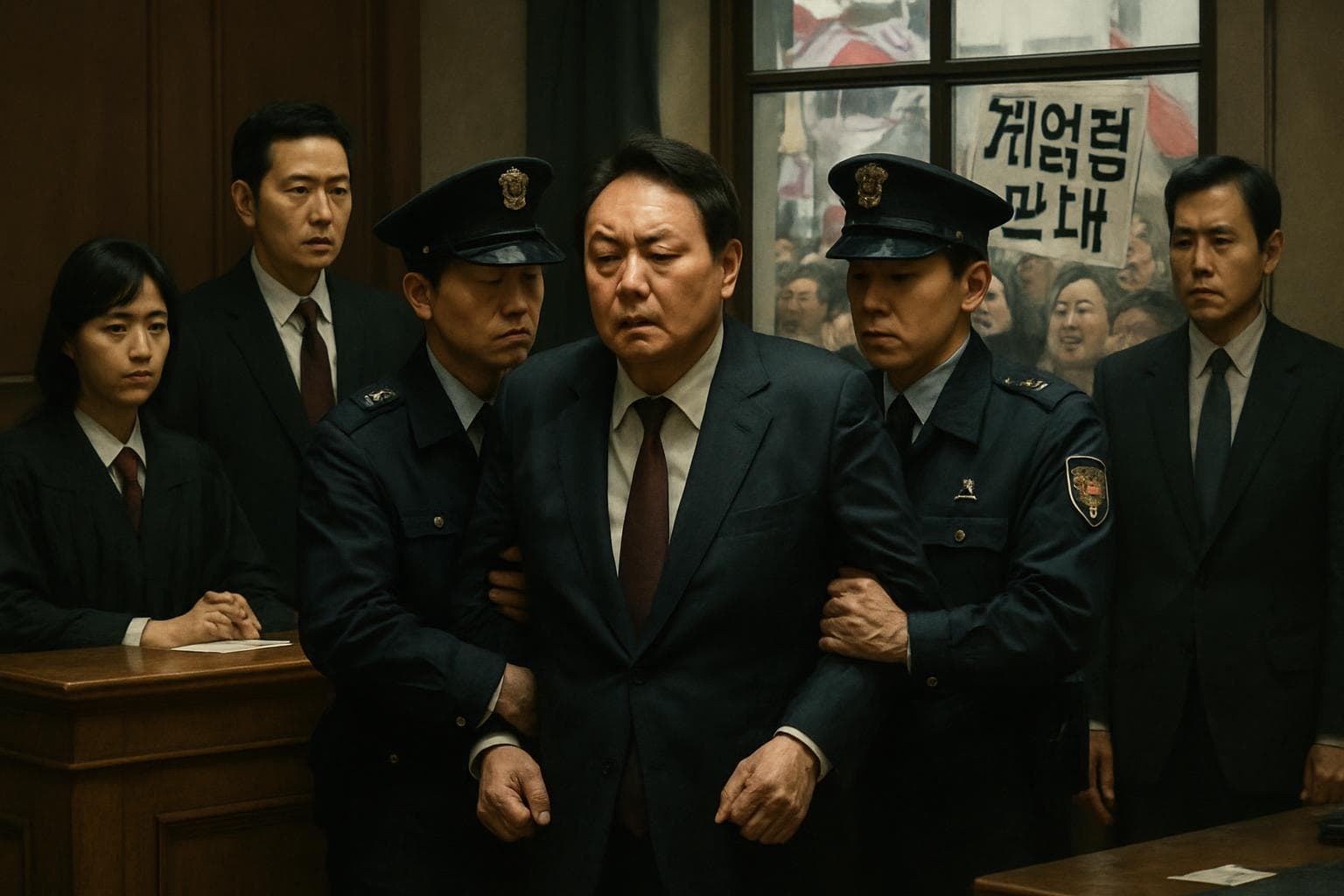
In a dramatic turn of events, former South Korean President Yoon Suk Yeol has been rearrested following a court decision related to his controversial attempt to impose martial law last year. The Seoul Central District Court issued an arrest warrant on Wednesday, citing fears that Yoon might destroy evidence or flee the country. This development marks another chapter in a political saga that has gripped South Korea since Yoon's impeachment in April.
Background and Charges
Yoon Suk Yeol, who was impeached over his martial law declaration in December, faces serious charges, including insurrection and abuse of power. These charges stem from his alleged attempt to introduce military rule, which lasted for six hours and plunged the nation into political turmoil. If convicted, Yoon could face life imprisonment or even the death penalty, as insurrection is one of the few charges from which South Korean presidents do not have immunity.
Court Proceedings and Public Reaction
During a seven-hour hearing, prosecutors argued for Yoon's arrest, presenting evidence that he ordered military drones to fly over North Korea to provoke a reaction. This, they claim, was intended to justify his martial law declaration. Yoon attended the hearing but did not respond to reporters' questions. His legal team has denied all allegations, calling the detention request unreasonable. Despite the legal challenges, Yoon still enjoys significant public support, with over 1,000 supporters rallying outside the court during the proceedings.
Political Implications and Investigation
The political landscape in South Korea has shifted significantly since Yoon's impeachment. Lee Jae-myung, elected as president in June, has vowed to strengthen the country's democracy and has appointed a special counsel team to investigate Yoon's actions. This investigation is expected to accelerate, focusing on whether Yoon's actions intentionally inflamed tensions with North Korea, potentially harming South Korea's interests.
WHAT THIS MIGHT MEAN
The rearrest of Yoon Suk Yeol could have profound implications for South Korea's political and legal landscape. If found guilty, Yoon's conviction could set a precedent for holding former leaders accountable, potentially deterring future abuses of power. Politically, President Lee Jae-myung's administration may gain credibility for its commitment to transparency and justice, strengthening democratic institutions. However, the case could also deepen political divisions, as Yoon's supporters continue to rally behind him. The ongoing investigation will likely reveal more about the extent of Yoon's actions and their impact on South Korea's relations with North Korea, potentially influencing future diplomatic strategies.
Related Articles
South Korea's Former First Lady Sentenced for Bribery Amid Political Turmoil
South Korea's Former President Yoon Sentenced to Five Years Over Martial Law Attempt
South Korean Prosecutors Demand Death Penalty for Former President Yoon Suk Yeol
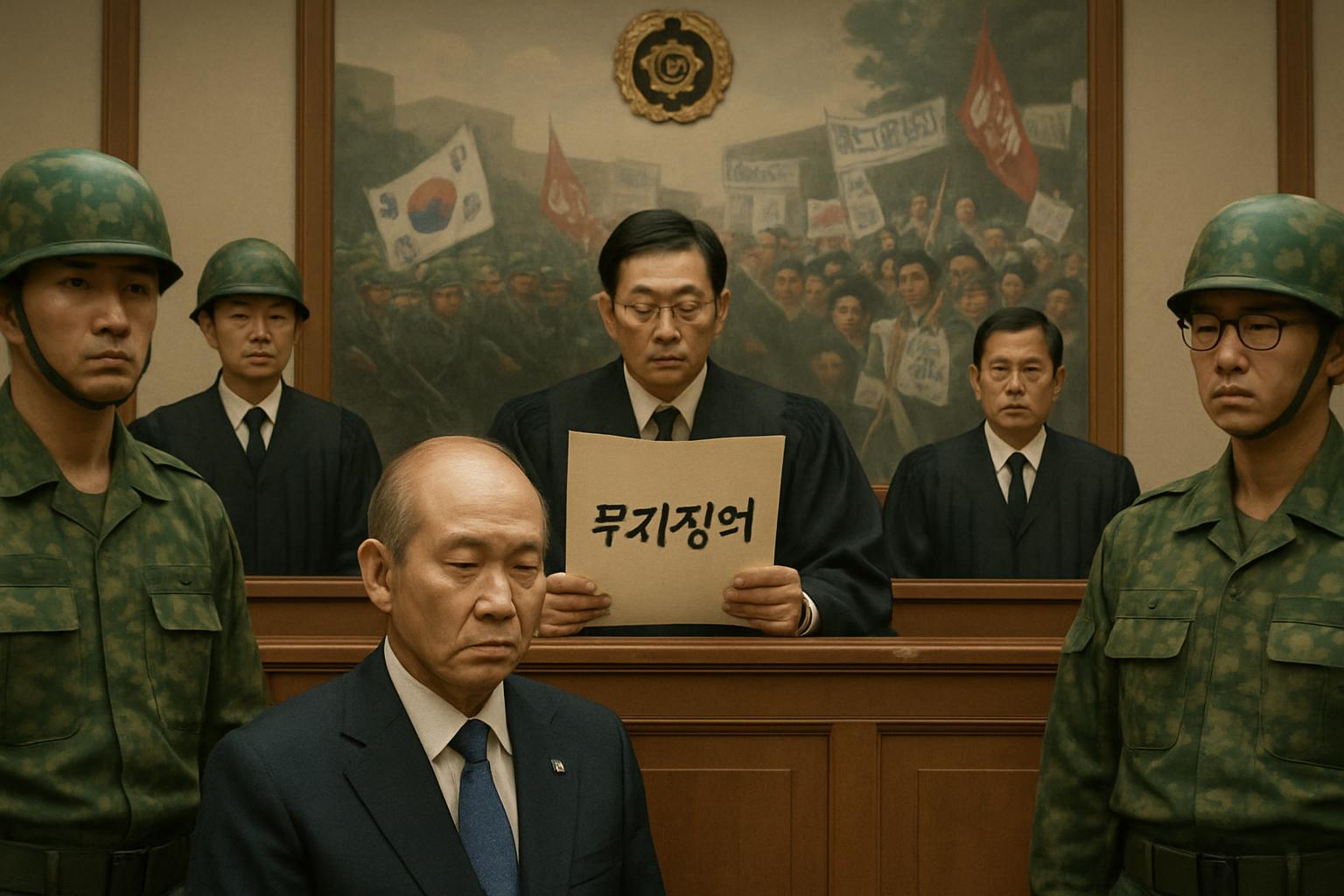
South Korea's Former President Yoon Suk Yeol Sentenced to Life for Insurrection
Kim Jong Un's Daughter Poised as North Korea's Future Leader, South Korean Intelligence Suggests
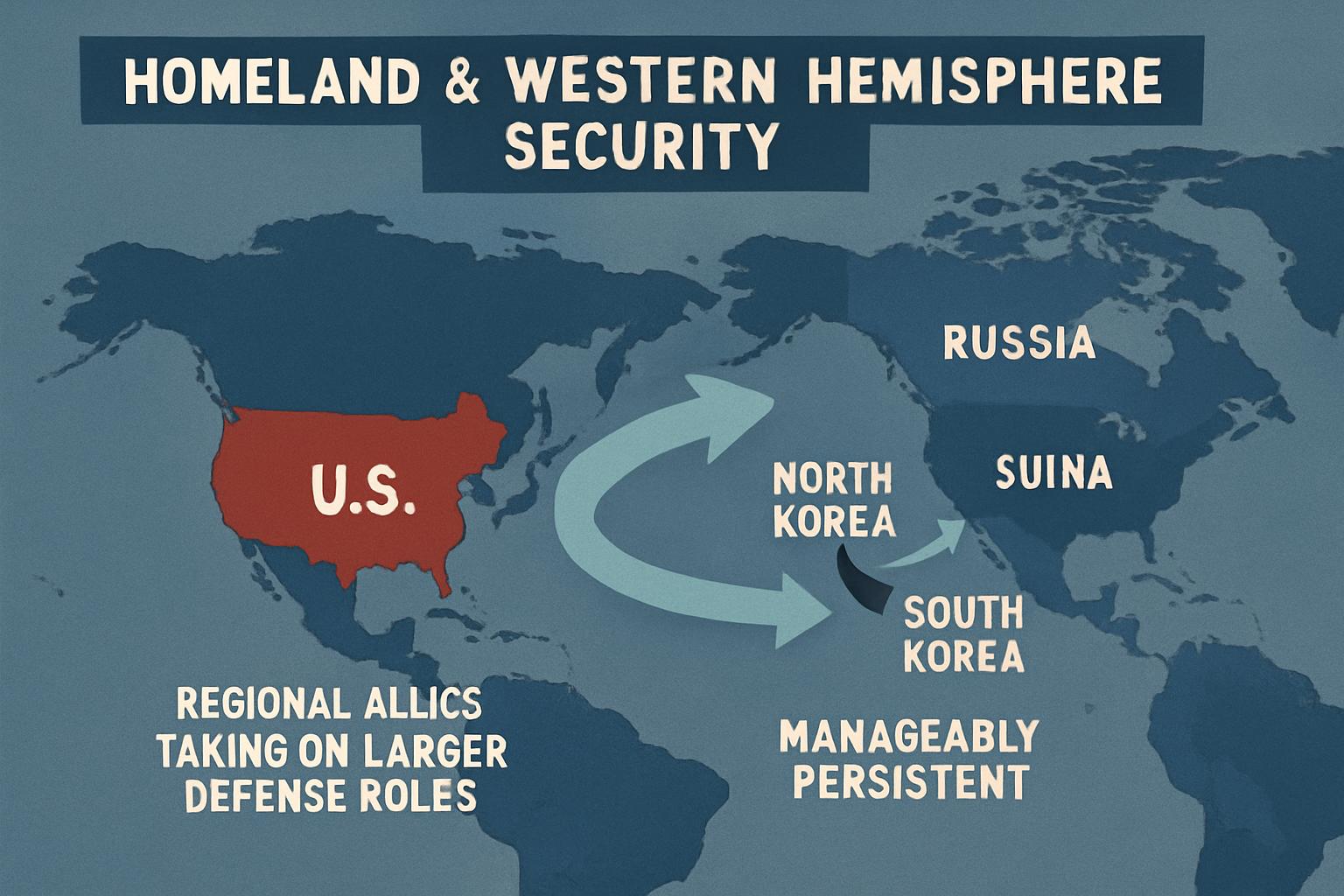
Pentagon Shifts Defense Strategy to Prioritize US Homeland and Regional Allies
South Korea's Former President Yoon Suk Yeol Rearrested Over Martial Law Bid
In This Article
 Sofia Romano| Published
 HIGHLIGHTS
- Former South Korean President Yoon Suk Yeol has been rearrested over a failed martial law bid that led to his impeachment.
- The Seoul Central District Court issued an arrest warrant, citing concerns about evidence destruction and flight risk.
- Yoon faces charges of insurrection and abuse of power, which could result in life imprisonment or the death penalty.
- South Korea's new president, Lee Jae-myung, has launched a special counsel investigation into Yoon's actions.
- The investigation includes allegations that Yoon provoked North Korea to justify his martial law declaration.
In a dramatic turn of events, former South Korean President Yoon Suk Yeol has been rearrested following a court decision related to his controversial attempt to impose martial law last year. The Seoul Central District Court issued an arrest warrant on Wednesday, citing fears that Yoon might destroy evidence or flee the country. This development marks another chapter in a political saga that has gripped South Korea since Yoon's impeachment in April.
Background and Charges
Yoon Suk Yeol, who was impeached over his martial law declaration in December, faces serious charges, including insurrection and abuse of power. These charges stem from his alleged attempt to introduce military rule, which lasted for six hours and plunged the nation into political turmoil. If convicted, Yoon could face life imprisonment or even the death penalty, as insurrection is one of the few charges from which South Korean presidents do not have immunity.
Court Proceedings and Public Reaction
During a seven-hour hearing, prosecutors argued for Yoon's arrest, presenting evidence that he ordered military drones to fly over North Korea to provoke a reaction. This, they claim, was intended to justify his martial law declaration. Yoon attended the hearing but did not respond to reporters' questions. His legal team has denied all allegations, calling the detention request unreasonable. Despite the legal challenges, Yoon still enjoys significant public support, with over 1,000 supporters rallying outside the court during the proceedings.
Political Implications and Investigation
The political landscape in South Korea has shifted significantly since Yoon's impeachment. Lee Jae-myung, elected as president in June, has vowed to strengthen the country's democracy and has appointed a special counsel team to investigate Yoon's actions. This investigation is expected to accelerate, focusing on whether Yoon's actions intentionally inflamed tensions with North Korea, potentially harming South Korea's interests.
WHAT THIS MIGHT MEAN
The rearrest of Yoon Suk Yeol could have profound implications for South Korea's political and legal landscape. If found guilty, Yoon's conviction could set a precedent for holding former leaders accountable, potentially deterring future abuses of power. Politically, President Lee Jae-myung's administration may gain credibility for its commitment to transparency and justice, strengthening democratic institutions. However, the case could also deepen political divisions, as Yoon's supporters continue to rally behind him. The ongoing investigation will likely reveal more about the extent of Yoon's actions and their impact on South Korea's relations with North Korea, potentially influencing future diplomatic strategies.
Related Articles
South Korea's Former First Lady Sentenced for Bribery Amid Political Turmoil
South Korea's Former President Yoon Sentenced to Five Years Over Martial Law Attempt
South Korean Prosecutors Demand Death Penalty for Former President Yoon Suk Yeol
South Korea's Former President Yoon Suk Yeol Sentenced to Life for Insurrection
Kim Jong Un's Daughter Poised as North Korea's Future Leader, South Korean Intelligence Suggests
Pentagon Shifts Defense Strategy to Prioritize US Homeland and Regional Allies