
Pentagon Shifts Defense Strategy to Prioritize US Homeland and Regional Allies
In This Article
HIGHLIGHTS
- The Pentagon's new National Defense Strategy prioritizes US homeland security over China, marking a shift from previous strategies.
- The strategy calls for "more limited" US support to allies, urging them to take greater responsibility for regional threats.
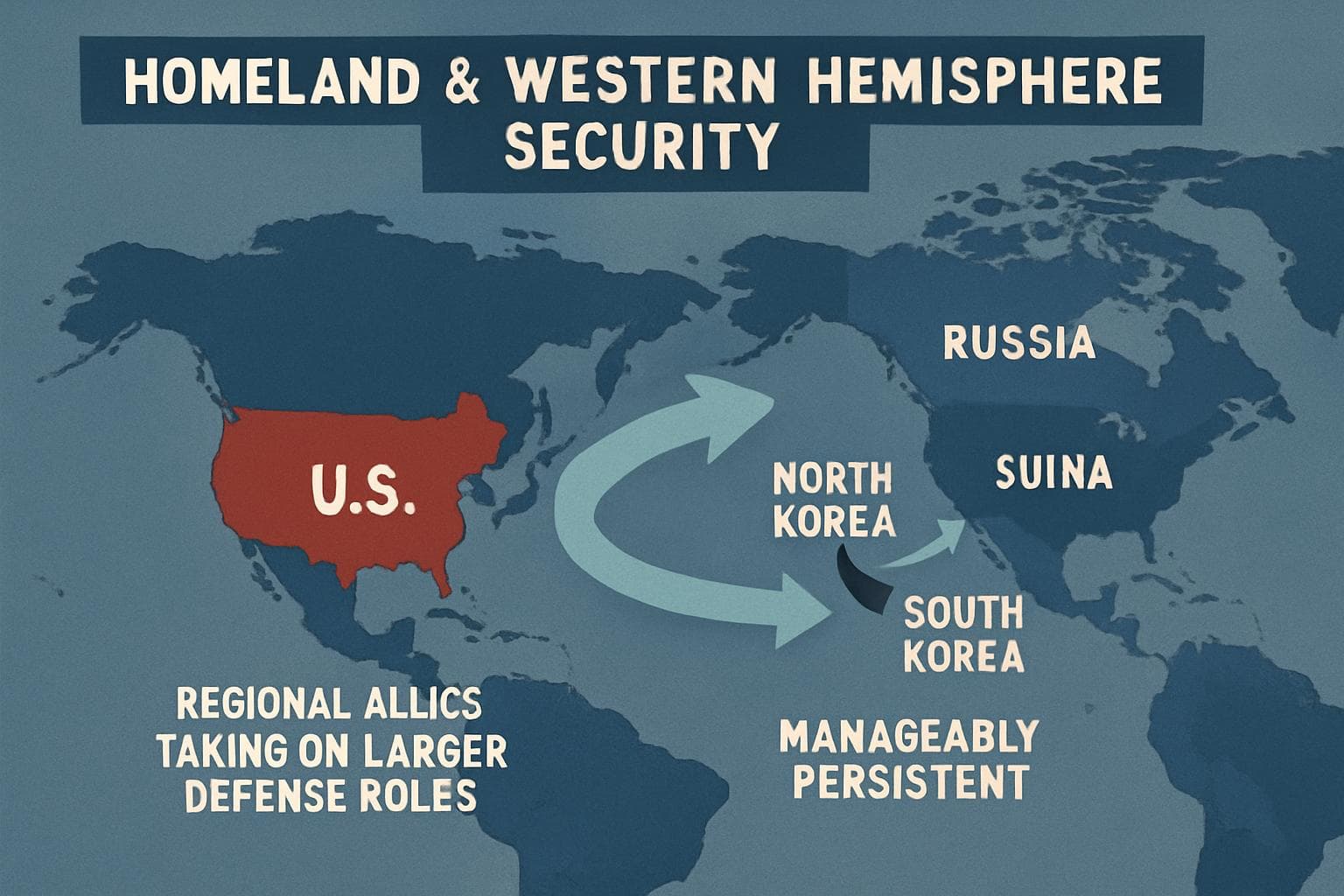
- South Korea is expected to assume primary responsibility for deterring North Korea, with the US providing critical but limited support.
- The document emphasizes a strategic approach to China, focusing on strength rather than confrontation, and omits mention of Taiwan.
- Russia is described as a "manageable threat" to NATO, with Europe expected to lead in countering regional threats.
In a significant shift in its defense priorities, the Pentagon has unveiled a new National Defense Strategy that places the security of the US homeland and the Western Hemisphere above the previously emphasized threat from China. This strategic pivot, outlined in a comprehensive policy document, signals a call for US allies to assume greater responsibility in regional defense efforts.
US Allies to Take on Greater Defense Role
The newly released strategy document underscores a "more limited" role for the United States in supporting its allies, urging them to step up their defense capabilities. This approach reflects recent statements by US President Donald Trump, who has advocated for increased "burden-sharing" among allies, particularly in addressing threats from Russia and North Korea. The document criticizes allies for relying too heavily on US defense subsidies and emphasizes the need for a strategic focus on threats directly impacting American interests.
South Korea's Role in North Korea Deterrence
A notable aspect of the strategy is the expectation that South Korea will take primary responsibility for deterring North Korea, with the US providing essential but limited support. This shift aligns with South Korea's ongoing efforts to enhance its defense capabilities and achieve greater autonomy in military operations. Despite concerns in Seoul, the US maintains that its forces in South Korea remain central to deterring North Korean aggression.
Strategic Approach to China
The strategy outlines a nuanced approach to China, advocating for strength without confrontation. The document stresses that the goal is not to dominate or humiliate China but to prevent any nation from overpowering the US or its allies. Notably, Taiwan is not mentioned, although the US recently announced a significant arms sale to the island, prompting military drills from China.
Managing the Russian Threat
Russia is described as a "persistent but manageable threat" to NATO's eastern members. The strategy suggests that European allies should lead efforts to counter regional threats, reflecting a broader shift towards regional autonomy in defense matters.
WHAT THIS MIGHT MEAN
The Pentagon's strategic shift could lead to significant changes in global defense dynamics. By encouraging allies to take on more responsibility, the US may foster stronger regional defense partnerships, potentially reducing its military footprint abroad. However, this could also lead to tensions with allies who feel unprepared or unwilling to assume greater defense roles.
In the context of North Korea, South Korea's increased responsibility may prompt further investments in its military capabilities, potentially altering the balance of power on the Korean Peninsula. Meanwhile, the US's strategic approach to China could either ease tensions or lead to new challenges, depending on how both nations navigate their complex relationship.
Overall, the new strategy reflects a broader trend towards prioritizing national interests and regional partnerships, which could reshape the global security landscape in the coming years.
Related Articles
US and Israel Intensify Military Campaign as Iran's Capabilities Dwindle

Intensified US-Israel Strikes on Iran Spark Global Outcry

UK-Iran Tensions: Starmer Defends Cautious Approach Amid Trump Criticism

Spain's Sánchez Stands Firm Against Trump's Trade Threat Over Iran Stance

Violence Erupts Across Mexico Following Death of Drug Lord El Mencho
Russian LNG Tanker Sinks in Mediterranean Amid Accusations of Ukrainian Drone Attack
Pentagon Shifts Defense Strategy to Prioritize US Homeland and Regional Allies
In This Article
 Ethan Brooks| Published
 HIGHLIGHTS
- The Pentagon's new National Defense Strategy prioritizes US homeland security over China, marking a shift from previous strategies.
- The strategy calls for "more limited" US support to allies, urging them to take greater responsibility for regional threats.
- South Korea is expected to assume primary responsibility for deterring North Korea, with the US providing critical but limited support.
- The document emphasizes a strategic approach to China, focusing on strength rather than confrontation, and omits mention of Taiwan.
- Russia is described as a "manageable threat" to NATO, with Europe expected to lead in countering regional threats.
In a significant shift in its defense priorities, the Pentagon has unveiled a new National Defense Strategy that places the security of the US homeland and the Western Hemisphere above the previously emphasized threat from China. This strategic pivot, outlined in a comprehensive policy document, signals a call for US allies to assume greater responsibility in regional defense efforts.
US Allies to Take on Greater Defense Role
The newly released strategy document underscores a "more limited" role for the United States in supporting its allies, urging them to step up their defense capabilities. This approach reflects recent statements by US President Donald Trump, who has advocated for increased "burden-sharing" among allies, particularly in addressing threats from Russia and North Korea. The document criticizes allies for relying too heavily on US defense subsidies and emphasizes the need for a strategic focus on threats directly impacting American interests.
South Korea's Role in North Korea Deterrence
A notable aspect of the strategy is the expectation that South Korea will take primary responsibility for deterring North Korea, with the US providing essential but limited support. This shift aligns with South Korea's ongoing efforts to enhance its defense capabilities and achieve greater autonomy in military operations. Despite concerns in Seoul, the US maintains that its forces in South Korea remain central to deterring North Korean aggression.
Strategic Approach to China
The strategy outlines a nuanced approach to China, advocating for strength without confrontation. The document stresses that the goal is not to dominate or humiliate China but to prevent any nation from overpowering the US or its allies. Notably, Taiwan is not mentioned, although the US recently announced a significant arms sale to the island, prompting military drills from China.
Managing the Russian Threat
Russia is described as a "persistent but manageable threat" to NATO's eastern members. The strategy suggests that European allies should lead efforts to counter regional threats, reflecting a broader shift towards regional autonomy in defense matters.
WHAT THIS MIGHT MEAN
The Pentagon's strategic shift could lead to significant changes in global defense dynamics. By encouraging allies to take on more responsibility, the US may foster stronger regional defense partnerships, potentially reducing its military footprint abroad. However, this could also lead to tensions with allies who feel unprepared or unwilling to assume greater defense roles.
In the context of North Korea, South Korea's increased responsibility may prompt further investments in its military capabilities, potentially altering the balance of power on the Korean Peninsula. Meanwhile, the US's strategic approach to China could either ease tensions or lead to new challenges, depending on how both nations navigate their complex relationship.
Overall, the new strategy reflects a broader trend towards prioritizing national interests and regional partnerships, which could reshape the global security landscape in the coming years.
Related Articles
US and Israel Intensify Military Campaign as Iran's Capabilities Dwindle
Intensified US-Israel Strikes on Iran Spark Global Outcry
UK-Iran Tensions: Starmer Defends Cautious Approach Amid Trump Criticism
Spain's Sánchez Stands Firm Against Trump's Trade Threat Over Iran Stance
Violence Erupts Across Mexico Following Death of Drug Lord El Mencho
Russian LNG Tanker Sinks in Mediterranean Amid Accusations of Ukrainian Drone Attack