
Famine Unfolds in Gaza Amidst Escalating Humanitarian Crisis
In This Article
HIGHLIGHTS
- UN-backed experts warn that a famine is unfolding in Gaza, with widespread starvation and malnutrition affecting 2.1 million Palestinians.
- The Integrated Food Security Phase Classification (IPC) reports that famine thresholds have been reached in most of Gaza, with acute malnutrition in Gaza City.
- Israel's blockade and military actions have been blamed for the crisis, although Israel denies restricting aid and claims there is no starvation.
- Health authorities report over 60,000 Palestinian deaths due to the conflict, with civilians, including children, making up the majority of casualties.
- The IPC calls for immediate action to end hostilities and allow unimpeded humanitarian aid to prevent further deaths and suffering.
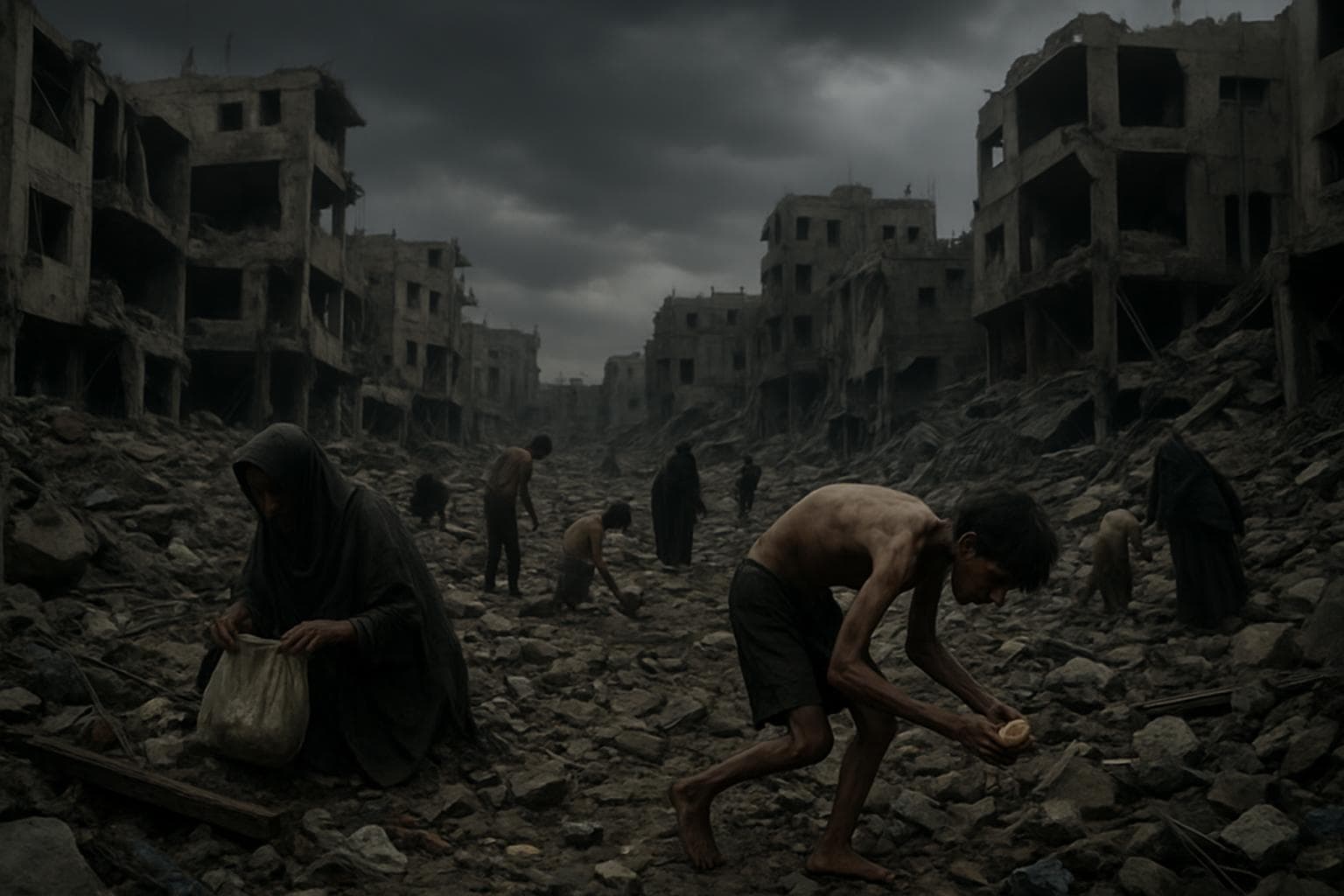
The Gaza Strip is facing an unprecedented humanitarian crisis as UN-backed experts warn that a famine is currently unfolding in the region. The Integrated Food Security Phase Classification (IPC) has issued an alert indicating that widespread starvation, malnutrition, and disease are driving a rise in hunger-related deaths among the 2.1 million Palestinians living in the territory.
Mounting Evidence of Crisis
According to the IPC, famine thresholds have been reached for food consumption in most of Gaza, with acute malnutrition particularly severe in Gaza City. The UN Secretary-General António Guterres described the situation as a "humanitarian catastrophe of epic proportions," urging for a significant increase in aid deliveries. "The trickle of aid must become an ocean," Guterres emphasized, calling for unobstructed flows of food, water, medicine, and fuel.
Blockade and Conflict Intensify Suffering
The crisis has been exacerbated by Israel's blockade, which has severely restricted the entry of essential supplies into Gaza. Although Israel partially eased the blockade after international pressure, shortages of food, medicine, and fuel persist. Israel maintains that there are no restrictions on aid deliveries and denies the existence of starvation, attributing the shortages to distribution failures by Hamas and other factors.
Alarming Death Toll
The ongoing conflict has resulted in a staggering death toll, with health authorities reporting over 60,000 Palestinian fatalities. Civilians, including more than 18,000 children, constitute the majority of the victims. The World Food Programme's emergency director, Ross Smith, compared the crisis to historical famines in Ethiopia and Biafra, underscoring the urgent need for action.
Urgent Call for Humanitarian Response
The IPC has called for immediate measures to end hostilities and facilitate a large-scale humanitarian response. The report highlights the necessity of a ceasefire to allow unimpeded aid access and prevent further catastrophic human suffering. Despite the dire situation, the IPC has not formally declared a famine, pending a comprehensive analysis.
WHAT THIS MIGHT MEAN
The unfolding famine in Gaza presents a complex challenge with significant humanitarian and political implications. If the situation continues to deteriorate, international pressure on Israel may intensify, potentially leading to increased diplomatic efforts for a ceasefire and a more robust humanitarian response. Experts warn that without immediate intervention, the crisis could lead to further destabilization in the region, exacerbating tensions and prolonging the conflict. The international community's response will be crucial in determining the trajectory of this humanitarian disaster and its long-term impact on the Middle East peace process.
Images from the Web


Related Articles
Israeli Airstrikes in Lebanon's Bekaa Valley Leave 10 Dead Amid Rising Tensions

Palestinian-American Teen Killed by Israeli Settlers in West Bank Sparks Calls for Accountability

Hamas Leadership Vote Amidst Critical Crossroads for the Movement

Trump's Board of Peace Pledges $7 Billion for Gaza Amidst International Skepticism

Middle East Conflict Drives UK Energy Prices to New Highs

UK Faces Dilemmas Amid Iran Conflict and China Spying Allegations
Famine Unfolds in Gaza Amidst Escalating Humanitarian Crisis
In This Article
 Aya Nakamura| Published
 HIGHLIGHTS
- UN-backed experts warn that a famine is unfolding in Gaza, with widespread starvation and malnutrition affecting 2.1 million Palestinians.
- The Integrated Food Security Phase Classification (IPC) reports that famine thresholds have been reached in most of Gaza, with acute malnutrition in Gaza City.
- Israel's blockade and military actions have been blamed for the crisis, although Israel denies restricting aid and claims there is no starvation.
- Health authorities report over 60,000 Palestinian deaths due to the conflict, with civilians, including children, making up the majority of casualties.
- The IPC calls for immediate action to end hostilities and allow unimpeded humanitarian aid to prevent further deaths and suffering.
The Gaza Strip is facing an unprecedented humanitarian crisis as UN-backed experts warn that a famine is currently unfolding in the region. The Integrated Food Security Phase Classification (IPC) has issued an alert indicating that widespread starvation, malnutrition, and disease are driving a rise in hunger-related deaths among the 2.1 million Palestinians living in the territory.
Mounting Evidence of Crisis
According to the IPC, famine thresholds have been reached for food consumption in most of Gaza, with acute malnutrition particularly severe in Gaza City. The UN Secretary-General António Guterres described the situation as a "humanitarian catastrophe of epic proportions," urging for a significant increase in aid deliveries. "The trickle of aid must become an ocean," Guterres emphasized, calling for unobstructed flows of food, water, medicine, and fuel.
Blockade and Conflict Intensify Suffering
The crisis has been exacerbated by Israel's blockade, which has severely restricted the entry of essential supplies into Gaza. Although Israel partially eased the blockade after international pressure, shortages of food, medicine, and fuel persist. Israel maintains that there are no restrictions on aid deliveries and denies the existence of starvation, attributing the shortages to distribution failures by Hamas and other factors.
Alarming Death Toll
The ongoing conflict has resulted in a staggering death toll, with health authorities reporting over 60,000 Palestinian fatalities. Civilians, including more than 18,000 children, constitute the majority of the victims. The World Food Programme's emergency director, Ross Smith, compared the crisis to historical famines in Ethiopia and Biafra, underscoring the urgent need for action.
Urgent Call for Humanitarian Response
The IPC has called for immediate measures to end hostilities and facilitate a large-scale humanitarian response. The report highlights the necessity of a ceasefire to allow unimpeded aid access and prevent further catastrophic human suffering. Despite the dire situation, the IPC has not formally declared a famine, pending a comprehensive analysis.
WHAT THIS MIGHT MEAN
The unfolding famine in Gaza presents a complex challenge with significant humanitarian and political implications. If the situation continues to deteriorate, international pressure on Israel may intensify, potentially leading to increased diplomatic efforts for a ceasefire and a more robust humanitarian response. Experts warn that without immediate intervention, the crisis could lead to further destabilization in the region, exacerbating tensions and prolonging the conflict. The international community's response will be crucial in determining the trajectory of this humanitarian disaster and its long-term impact on the Middle East peace process.
Images from the Web
Related Articles
Israeli Airstrikes in Lebanon's Bekaa Valley Leave 10 Dead Amid Rising Tensions
Palestinian-American Teen Killed by Israeli Settlers in West Bank Sparks Calls for Accountability
Hamas Leadership Vote Amidst Critical Crossroads for the Movement
Trump's Board of Peace Pledges $7 Billion for Gaza Amidst International Skepticism
Middle East Conflict Drives UK Energy Prices to New Highs
UK Faces Dilemmas Amid Iran Conflict and China Spying Allegations