
FCC Approves Controversial $8bn Paramount-Skydance Merger Amid Legal and Political Scrutiny
In This Article
HIGHLIGHTS
- The FCC approved an $8bn merger between Paramount Global and Skydance Media, transferring broadcast licenses for 28 CBS stations.
- Paramount settled a $16m lawsuit with Donald Trump over a CBS interview with Kamala Harris, which was linked to the merger approval.
- FCC Chair Brendan Carr, appointed by Trump, emphasized Skydance's commitment to unbiased journalism and changes at CBS.
- The merger has sparked controversy, with critics like Senator Elizabeth Warren alleging potential bribery and erosion of press freedom.
- Skydance, owned by David Ellison, has pledged to end diversity, equity, and inclusion efforts, raising concerns about media bias.
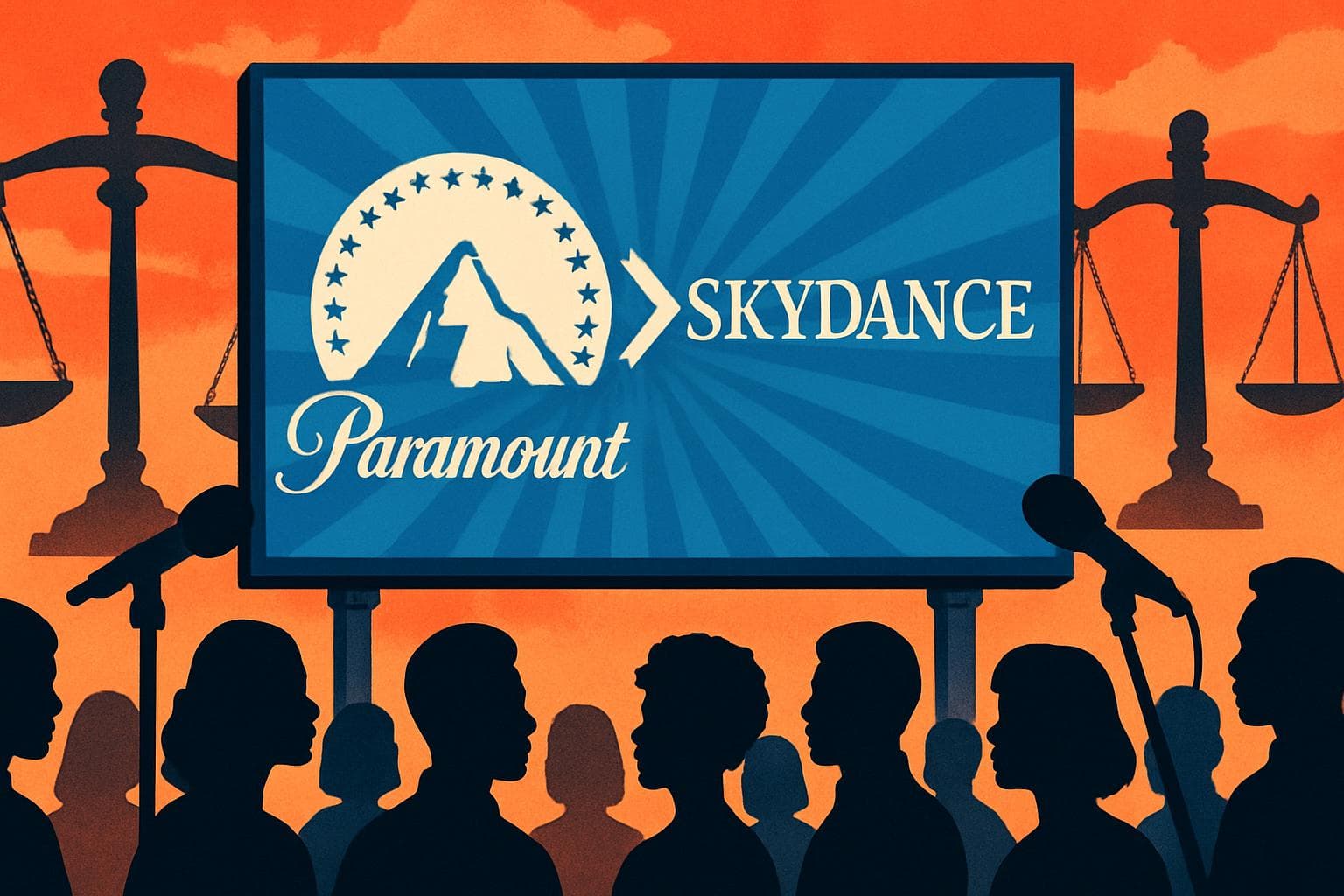
The United States Federal Communications Commission (FCC) has given the green light to a significant $8bn merger between Paramount Global and Skydance Media, a move that has stirred both legal and political debate. The merger, which involves the transfer of broadcast licenses for 28 CBS television stations, marks a pivotal moment for the media landscape, potentially reshaping the future of American broadcasting.
Merger Details and Legal Context
The merger, initially announced in 2024, faced a crucial hurdle with a $16m lawsuit settlement between Paramount and former President Donald Trump. The lawsuit stemmed from a CBS interview with Kamala Harris, which Trump claimed was deceptively edited. Paramount agreed to settle, with funds directed towards Trump's future presidential library, a decision that some critics, including Stephen Colbert, have labeled as a "big, fat bribe."
FCC's Role and Commitments
FCC Chair Brendan Carr, appointed by Trump, announced the merger's approval, highlighting Skydance's promise to implement significant changes at CBS, including a commitment to unbiased journalism. Carr stated, "Americans no longer trust the legacy national news media to report fully, accurately, and fairly. It is time for a change." Skydance has pledged to appoint an ombudsman to address complaints of editorial bias and to halt diversity, equity, and inclusion initiatives, aligning with the Trump administration's stance.
Political Reactions and Implications
The merger has drawn criticism from various quarters, with Massachusetts Senator Elizabeth Warren questioning the legality of the settlement, suggesting it resembles bribery. FCC Commissioner Anna Gomez, the sole Democrat on the panel, dissented, expressing concerns about potential erosion of press freedom and unprecedented controls over newsroom decisions.
Future of Media and Journalism
Skydance, owned by David Ellison, son of Oracle founder Larry Ellison, has assured the FCC of its dedication to representing diverse viewpoints, albeit with a conservative tilt. The merger is expected to inject $1.5 billion into Paramount, enhancing its operations, including the CBS network. However, the decision to end diversity efforts has raised alarms about the future of media bias and representation.
WHAT THIS MIGHT MEAN
The approval of the Paramount-Skydance merger could set a precedent for future media consolidations, potentially influencing the landscape of American journalism. With Skydance's commitment to conservative viewpoints and the cessation of diversity initiatives, there is a risk of increased media bias, which could further polarize public opinion. Legal experts suggest that the settlement with Trump, perceived by some as a form of bribery, might prompt further investigations into the merger's legality. As the media industry continues to evolve, the balance between corporate interests and journalistic integrity remains a critical issue, warranting close scrutiny from regulators and the public alike.
Related Articles
Senate Blocks Resolution to Limit Trump's Military Actions in Iran
Spain's Sánchez Stands Firm Against Trump's Trade Threat Over Iran Stance

US-Iran Tensions Escalate Amid Renewed Nuclear Talks and Protests

Greenland Politely Declines Trump's Hospital Ship Offer Amid Healthcare Debate
Congress Subpoenas Attorney General Bondi in Epstein Investigation
UK-Iran Tensions: Starmer Defends Cautious Approach Amid Trump Criticism
FCC Approves Controversial $8bn Paramount-Skydance Merger Amid Legal and Political Scrutiny
In This Article
 Ethan Brooks| Published
 HIGHLIGHTS
- The FCC approved an $8bn merger between Paramount Global and Skydance Media, transferring broadcast licenses for 28 CBS stations.
- Paramount settled a $16m lawsuit with Donald Trump over a CBS interview with Kamala Harris, which was linked to the merger approval.
- FCC Chair Brendan Carr, appointed by Trump, emphasized Skydance's commitment to unbiased journalism and changes at CBS.
- The merger has sparked controversy, with critics like Senator Elizabeth Warren alleging potential bribery and erosion of press freedom.
- Skydance, owned by David Ellison, has pledged to end diversity, equity, and inclusion efforts, raising concerns about media bias.
The United States Federal Communications Commission (FCC) has given the green light to a significant $8bn merger between Paramount Global and Skydance Media, a move that has stirred both legal and political debate. The merger, which involves the transfer of broadcast licenses for 28 CBS television stations, marks a pivotal moment for the media landscape, potentially reshaping the future of American broadcasting.
Merger Details and Legal Context
The merger, initially announced in 2024, faced a crucial hurdle with a $16m lawsuit settlement between Paramount and former President Donald Trump. The lawsuit stemmed from a CBS interview with Kamala Harris, which Trump claimed was deceptively edited. Paramount agreed to settle, with funds directed towards Trump's future presidential library, a decision that some critics, including Stephen Colbert, have labeled as a "big, fat bribe."
FCC's Role and Commitments
FCC Chair Brendan Carr, appointed by Trump, announced the merger's approval, highlighting Skydance's promise to implement significant changes at CBS, including a commitment to unbiased journalism. Carr stated, "Americans no longer trust the legacy national news media to report fully, accurately, and fairly. It is time for a change." Skydance has pledged to appoint an ombudsman to address complaints of editorial bias and to halt diversity, equity, and inclusion initiatives, aligning with the Trump administration's stance.
Political Reactions and Implications
The merger has drawn criticism from various quarters, with Massachusetts Senator Elizabeth Warren questioning the legality of the settlement, suggesting it resembles bribery. FCC Commissioner Anna Gomez, the sole Democrat on the panel, dissented, expressing concerns about potential erosion of press freedom and unprecedented controls over newsroom decisions.
Future of Media and Journalism
Skydance, owned by David Ellison, son of Oracle founder Larry Ellison, has assured the FCC of its dedication to representing diverse viewpoints, albeit with a conservative tilt. The merger is expected to inject $1.5 billion into Paramount, enhancing its operations, including the CBS network. However, the decision to end diversity efforts has raised alarms about the future of media bias and representation.
WHAT THIS MIGHT MEAN
The approval of the Paramount-Skydance merger could set a precedent for future media consolidations, potentially influencing the landscape of American journalism. With Skydance's commitment to conservative viewpoints and the cessation of diversity initiatives, there is a risk of increased media bias, which could further polarize public opinion. Legal experts suggest that the settlement with Trump, perceived by some as a form of bribery, might prompt further investigations into the merger's legality. As the media industry continues to evolve, the balance between corporate interests and journalistic integrity remains a critical issue, warranting close scrutiny from regulators and the public alike.
Related Articles
Senate Blocks Resolution to Limit Trump's Military Actions in Iran
Spain's Sánchez Stands Firm Against Trump's Trade Threat Over Iran Stance
US-Iran Tensions Escalate Amid Renewed Nuclear Talks and Protests
Greenland Politely Declines Trump's Hospital Ship Offer Amid Healthcare Debate
Congress Subpoenas Attorney General Bondi in Epstein Investigation
UK-Iran Tensions: Starmer Defends Cautious Approach Amid Trump Criticism