
Finland's Largest Cybercrime: The Vastaamo Therapy Data Breach and Its Impact
In This Article
HIGHLIGHTS
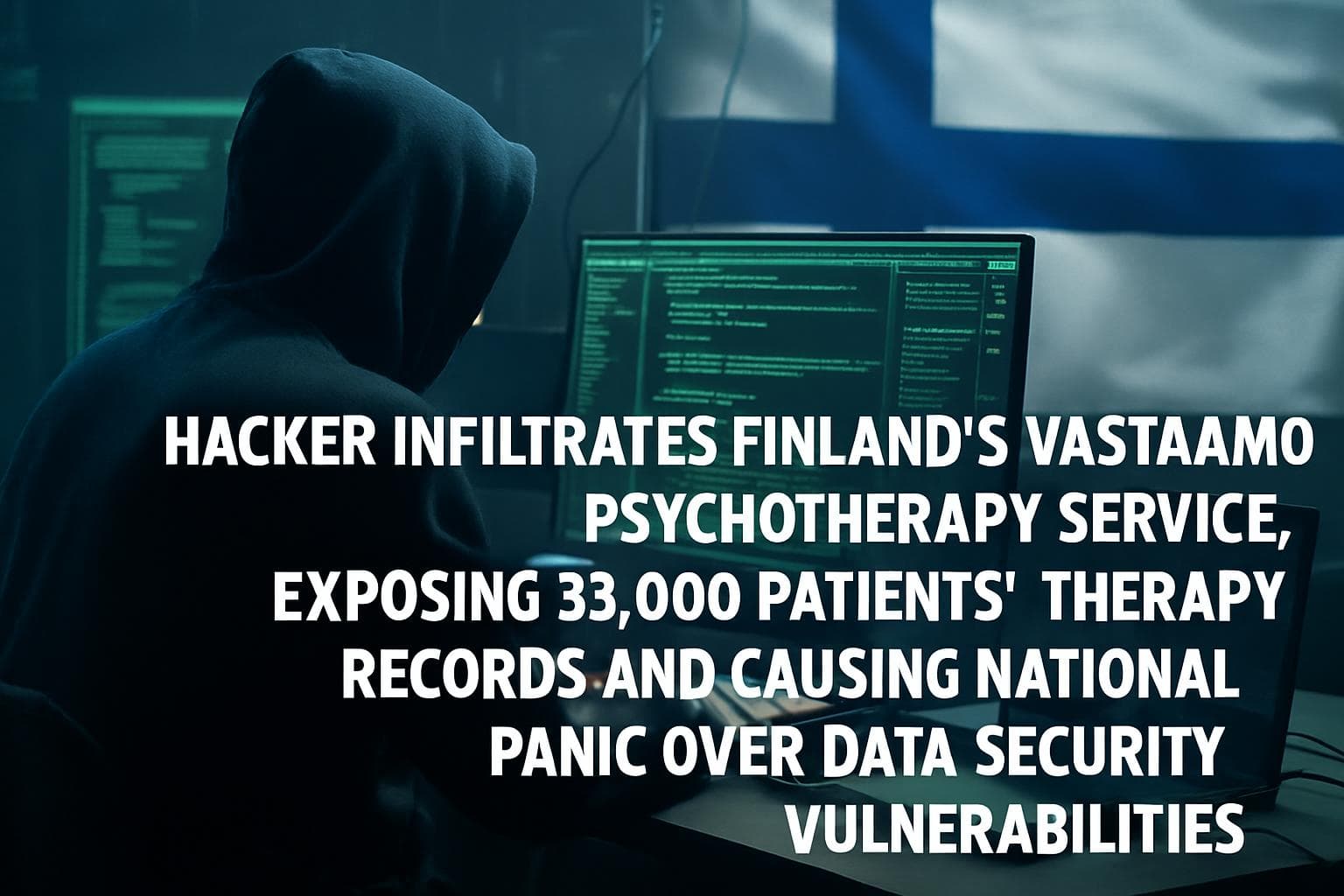
- In October 2020, a hacker breached Vastaamo's database, exposing the therapy records of 33,000 patients, marking Finland's largest cybercrime.
- Victims, including Meri-Tuuli Auer and Tiina Parikka, received ransom emails demanding €200 in bitcoin to prevent the release of their sensitive information.
- The breach led to a national scandal, prompting then-Prime Minister Sanna Marin to convene an emergency meeting to address the crisis.
- The stolen data, including intimate therapy notes, was published on the dark web, causing widespread distress among affected individuals.
- The incident highlighted significant vulnerabilities in Finland's data security systems, sparking discussions on improving cybersecurity measures.
In October 2020, Finland faced an unprecedented cybercrime when a hacker infiltrated the database of Vastaamo, a psychotherapy service provider, exposing the private therapy records of 33,000 patients. This breach, which quickly became a national scandal, revealed significant vulnerabilities in the country's data security systems and had profound personal impacts on the victims.
The Breach and Ransom Demands
The hacker, who referred to themselves as an "untouchable hacker god," sent ransom emails to Vastaamo's patients, including Meri-Tuuli Auer and Tiina Parikka. These emails contained personal details such as social security numbers and demanded €200 in bitcoin within 24 hours to prevent the public release of their sensitive information. If the ransom was not paid, the price would increase to €500 within 48 hours. The emails were disturbingly polite yet threatening, leaving victims in a state of fear and anxiety.
Personal Stories of Impact
For Meri-Tuuli Auer, the breach was a devastating invasion of privacy. The 30-year-old, who had shared her struggles with depression and anxiety with her therapist, found herself trapped in fear, taking sick leave and isolating herself at home. Despite the trauma, Auer discovered resilience she never knew she had, a testament to her strength in the face of adversity.
Tiina Parikka, a 62-year-old headteacher, described the violation as feeling like a "public rape." Therapy had been her lifeline through years of personal challenges, including raising children with disabilities and enduring a difficult marriage. The breach forced her to confront the potential exposure of her most intimate thoughts, exacerbating her anxiety and panic attacks.
National Response and Security Concerns
The breach prompted an emergency meeting led by then-Prime Minister Sanna Marin, as the nation grappled with the implications of such a massive data leak. The incident underscored the need for improved cybersecurity measures in Finland, as the stolen data had already been published on the dark web, accessible to an unknown number of individuals.
WHAT THIS MIGHT MEAN
Moving forward, Finland faces the challenge of restoring public trust in its data security systems. The Vastaamo breach has highlighted the urgent need for robust cybersecurity measures to protect sensitive information, particularly in the healthcare sector. Legal and political implications may include stricter regulations and increased funding for cybersecurity initiatives.
Experts suggest that this incident could serve as a wake-up call for other countries to reassess their data protection strategies. As the digital landscape evolves, ensuring the privacy and security of personal information will be paramount in preventing similar breaches in the future.
Images from the Web




Related Articles
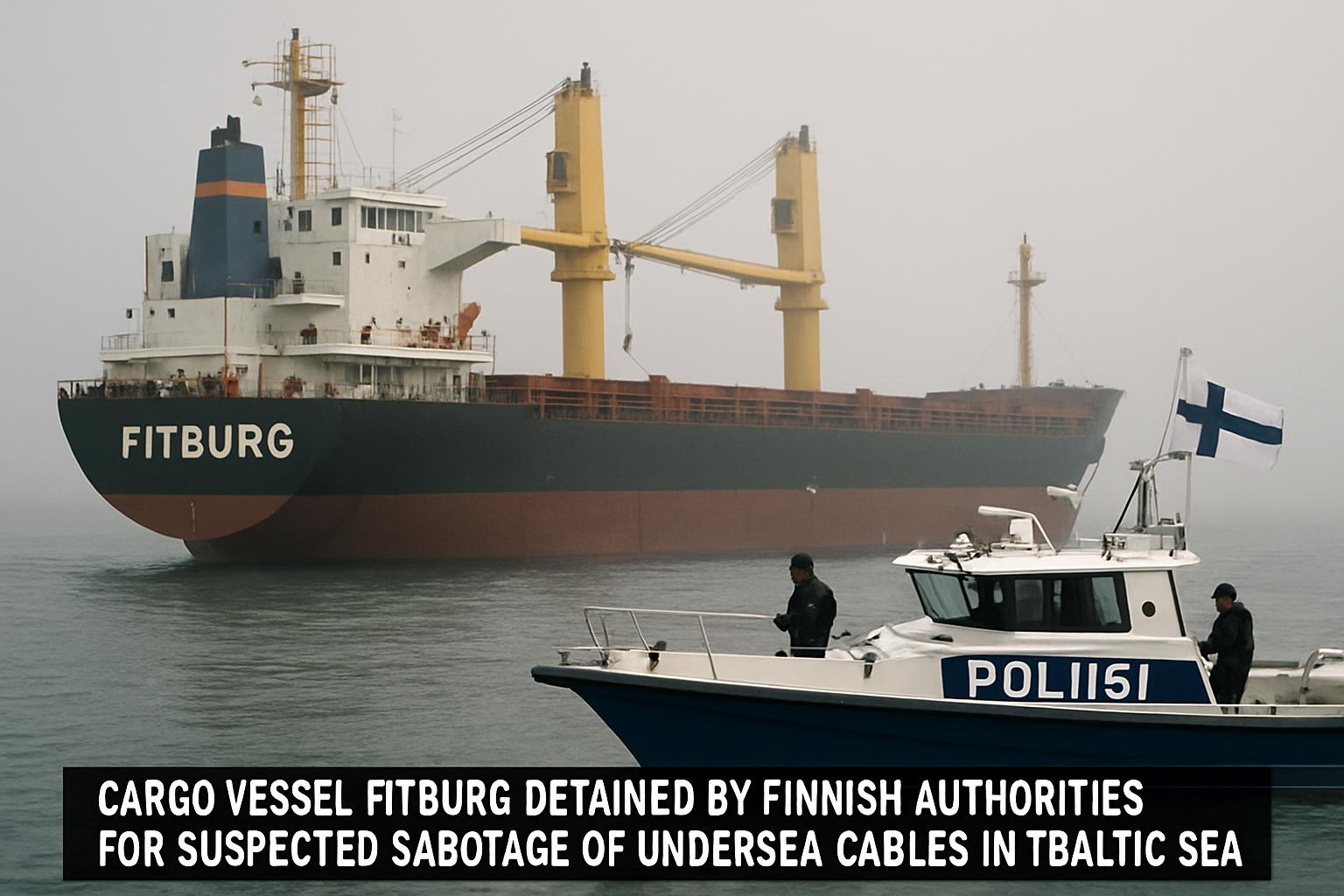
Finnish Authorities Detain Vessel Over Suspected Undersea Cable Sabotage

UK to Double Troop Presence in Norway Amid Rising Arctic Tensions

EU Weighs Response to Trump's Greenland Tariff Threats Amid Trade Tensions

EU Considers Retaliatory Tariffs Amidst Rising US-EU Trade Tensions

EU Prepares Response to Trump's Greenland Tariff Threat Amid Rising Tensions

Gold and Silver Prices Surge Amid US Tariff Threats Over Greenland
Finland's Largest Cybercrime: The Vastaamo Therapy Data Breach and Its Impact
In This Article
 Sofia Romano| Published
 HIGHLIGHTS
- In October 2020, a hacker breached Vastaamo's database, exposing the therapy records of 33,000 patients, marking Finland's largest cybercrime.
- Victims, including Meri-Tuuli Auer and Tiina Parikka, received ransom emails demanding €200 in bitcoin to prevent the release of their sensitive information.
- The breach led to a national scandal, prompting then-Prime Minister Sanna Marin to convene an emergency meeting to address the crisis.
- The stolen data, including intimate therapy notes, was published on the dark web, causing widespread distress among affected individuals.
- The incident highlighted significant vulnerabilities in Finland's data security systems, sparking discussions on improving cybersecurity measures.
In October 2020, Finland faced an unprecedented cybercrime when a hacker infiltrated the database of Vastaamo, a psychotherapy service provider, exposing the private therapy records of 33,000 patients. This breach, which quickly became a national scandal, revealed significant vulnerabilities in the country's data security systems and had profound personal impacts on the victims.
The Breach and Ransom Demands
The hacker, who referred to themselves as an "untouchable hacker god," sent ransom emails to Vastaamo's patients, including Meri-Tuuli Auer and Tiina Parikka. These emails contained personal details such as social security numbers and demanded €200 in bitcoin within 24 hours to prevent the public release of their sensitive information. If the ransom was not paid, the price would increase to €500 within 48 hours. The emails were disturbingly polite yet threatening, leaving victims in a state of fear and anxiety.
Personal Stories of Impact
For Meri-Tuuli Auer, the breach was a devastating invasion of privacy. The 30-year-old, who had shared her struggles with depression and anxiety with her therapist, found herself trapped in fear, taking sick leave and isolating herself at home. Despite the trauma, Auer discovered resilience she never knew she had, a testament to her strength in the face of adversity.
Tiina Parikka, a 62-year-old headteacher, described the violation as feeling like a "public rape." Therapy had been her lifeline through years of personal challenges, including raising children with disabilities and enduring a difficult marriage. The breach forced her to confront the potential exposure of her most intimate thoughts, exacerbating her anxiety and panic attacks.
National Response and Security Concerns
The breach prompted an emergency meeting led by then-Prime Minister Sanna Marin, as the nation grappled with the implications of such a massive data leak. The incident underscored the need for improved cybersecurity measures in Finland, as the stolen data had already been published on the dark web, accessible to an unknown number of individuals.
WHAT THIS MIGHT MEAN
Moving forward, Finland faces the challenge of restoring public trust in its data security systems. The Vastaamo breach has highlighted the urgent need for robust cybersecurity measures to protect sensitive information, particularly in the healthcare sector. Legal and political implications may include stricter regulations and increased funding for cybersecurity initiatives.
Experts suggest that this incident could serve as a wake-up call for other countries to reassess their data protection strategies. As the digital landscape evolves, ensuring the privacy and security of personal information will be paramount in preventing similar breaches in the future.
Images from the Web
Related Articles
Finnish Authorities Detain Vessel Over Suspected Undersea Cable Sabotage
UK to Double Troop Presence in Norway Amid Rising Arctic Tensions
EU Weighs Response to Trump's Greenland Tariff Threats Amid Trade Tensions
EU Considers Retaliatory Tariffs Amidst Rising US-EU Trade Tensions
EU Prepares Response to Trump's Greenland Tariff Threat Amid Rising Tensions
Gold and Silver Prices Surge Amid US Tariff Threats Over Greenland