
France Bans British Anti-Migrant Activists Amid Rising Channel Crossings
In This Article
HIGHLIGHTS
- France has banned 10 British nationals linked to the far-right group Raise the Colours for anti-migrant activities.
- The group is accused of disrupting migrant crossings and engaging in propaganda along France's northern coast.
- Raise the Colours claims its activities are peaceful and lawful, despite videos showing aggressive behavior.
- The ban comes amid rising Channel crossings, with 41,472 migrants arriving in the UK in 2025.
- French authorities emphasize that actions inciting violence or hatred are unacceptable on their territory.
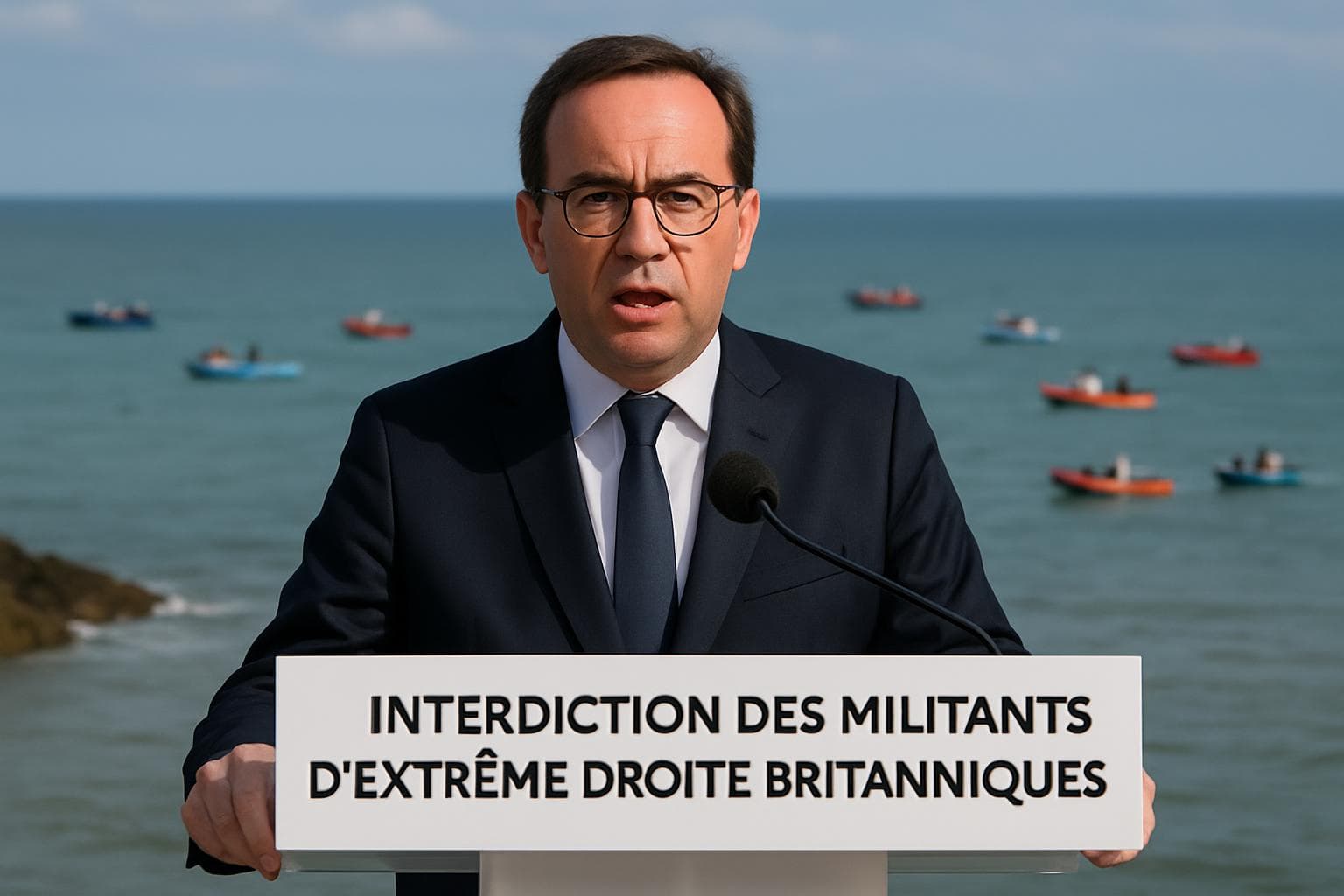
France has imposed a territorial ban on ten British nationals associated with the far-right group Raise the Colours, citing their involvement in anti-migrant activities along the northern coast. The French interior ministry announced the decision on Wednesday, highlighting concerns over actions that could disrupt public order and incite violence.
Background on Raise the Colours
Raise the Colours, a self-described grassroots movement, has been active in documenting and intervening in migrant crossings from France to the UK. The group claims its operations are peaceful and within legal boundaries, focusing on raising awareness about illegal immigration. However, videos circulated on social media depict members engaging in aggressive behavior, including destroying small boats and confronting migrants.
French Government's Stance
French Interior Minister Laurent Nuñez reiterated the country's commitment to upholding the rule of law, stating, "Actions that are violent in nature or incite hatred have no place on our territory." The ministry's decision to ban the activists reflects a broader effort to curb far-right activities that threaten public safety and social harmony.
Rising Channel Crossings
The ban occurs against a backdrop of increasing migrant crossings via the English Channel, with 41,472 individuals making the journey in 2025—a 13% increase from the previous year. The UK and France have been under pressure to address the surge, with France agreeing to intercept small boats in the Channel.
Reactions and Implications
Raise the Colours has criticized the ban as "absolutely disgraceful," maintaining that their activities are lawful and disciplined. Meanwhile, advocacy groups like Hope Not Hate have welcomed the French government's action, emphasizing the need to counteract harassment and violence against asylum seekers.
WHAT THIS MIGHT MEAN
The ban on Raise the Colours members could lead to heightened tensions between far-right groups and authorities in both France and the UK. As Channel crossings continue to rise, governments may face increased pressure to implement more stringent measures to manage the migrant crisis. Experts suggest that international cooperation and comprehensive immigration policies will be crucial in addressing the root causes of migration and ensuring the safety and dignity of all individuals involved.
Related Articles
UK Government to Reform Asylum Seeker Support and Employment Policies

UK Faces Dilemmas Amid Iran Conflict and China Spying Allegations
UK Reinforces Military Presence in Cyprus Amid Middle East Tensions
UK-Iran Tensions: Starmer Defends Cautious Approach Amid Trump Criticism
Persistent Safety Concerns in Nottingham Maternity Services Amidst Calls for Systemic Reform
Diplomatic Tensions Rise as Trump Criticizes Starmer's Iran Policy
France Bans British Anti-Migrant Activists Amid Rising Channel Crossings
In This Article
 Ethan Brooks| Published
 HIGHLIGHTS
- France has banned 10 British nationals linked to the far-right group Raise the Colours for anti-migrant activities.
- The group is accused of disrupting migrant crossings and engaging in propaganda along France's northern coast.
- Raise the Colours claims its activities are peaceful and lawful, despite videos showing aggressive behavior.
- The ban comes amid rising Channel crossings, with 41,472 migrants arriving in the UK in 2025.
- French authorities emphasize that actions inciting violence or hatred are unacceptable on their territory.
France has imposed a territorial ban on ten British nationals associated with the far-right group Raise the Colours, citing their involvement in anti-migrant activities along the northern coast. The French interior ministry announced the decision on Wednesday, highlighting concerns over actions that could disrupt public order and incite violence.
Background on Raise the Colours
Raise the Colours, a self-described grassroots movement, has been active in documenting and intervening in migrant crossings from France to the UK. The group claims its operations are peaceful and within legal boundaries, focusing on raising awareness about illegal immigration. However, videos circulated on social media depict members engaging in aggressive behavior, including destroying small boats and confronting migrants.
French Government's Stance
French Interior Minister Laurent Nuñez reiterated the country's commitment to upholding the rule of law, stating, "Actions that are violent in nature or incite hatred have no place on our territory." The ministry's decision to ban the activists reflects a broader effort to curb far-right activities that threaten public safety and social harmony.
Rising Channel Crossings
The ban occurs against a backdrop of increasing migrant crossings via the English Channel, with 41,472 individuals making the journey in 2025—a 13% increase from the previous year. The UK and France have been under pressure to address the surge, with France agreeing to intercept small boats in the Channel.
Reactions and Implications
Raise the Colours has criticized the ban as "absolutely disgraceful," maintaining that their activities are lawful and disciplined. Meanwhile, advocacy groups like Hope Not Hate have welcomed the French government's action, emphasizing the need to counteract harassment and violence against asylum seekers.
WHAT THIS MIGHT MEAN
The ban on Raise the Colours members could lead to heightened tensions between far-right groups and authorities in both France and the UK. As Channel crossings continue to rise, governments may face increased pressure to implement more stringent measures to manage the migrant crisis. Experts suggest that international cooperation and comprehensive immigration policies will be crucial in addressing the root causes of migration and ensuring the safety and dignity of all individuals involved.
Related Articles
UK Government to Reform Asylum Seeker Support and Employment Policies
UK Faces Dilemmas Amid Iran Conflict and China Spying Allegations
UK Reinforces Military Presence in Cyprus Amid Middle East Tensions
UK-Iran Tensions: Starmer Defends Cautious Approach Amid Trump Criticism
Persistent Safety Concerns in Nottingham Maternity Services Amidst Calls for Systemic Reform
Diplomatic Tensions Rise as Trump Criticizes Starmer's Iran Policy