
Gabbard's Declassified Report Sparks Controversy Over 2016 Election Allegations
In This Article
HIGHLIGHTS
- Tulsi Gabbard released a declassified report alleging a conspiracy to undermine the 2016 election results.
- The report disputes intelligence conclusions that Russia sought to aid Donald Trump, but lacks substantial evidence.
- Barack Obama dismissed Trump's accusations of a coup attempt as "outrageous" and "ridiculous."
- Democrats argue the report is a distraction from calls to release Jeffrey Epstein-related files.
- Trump claims the report provides "irrefutable proof" of Obama's involvement in a conspiracy.
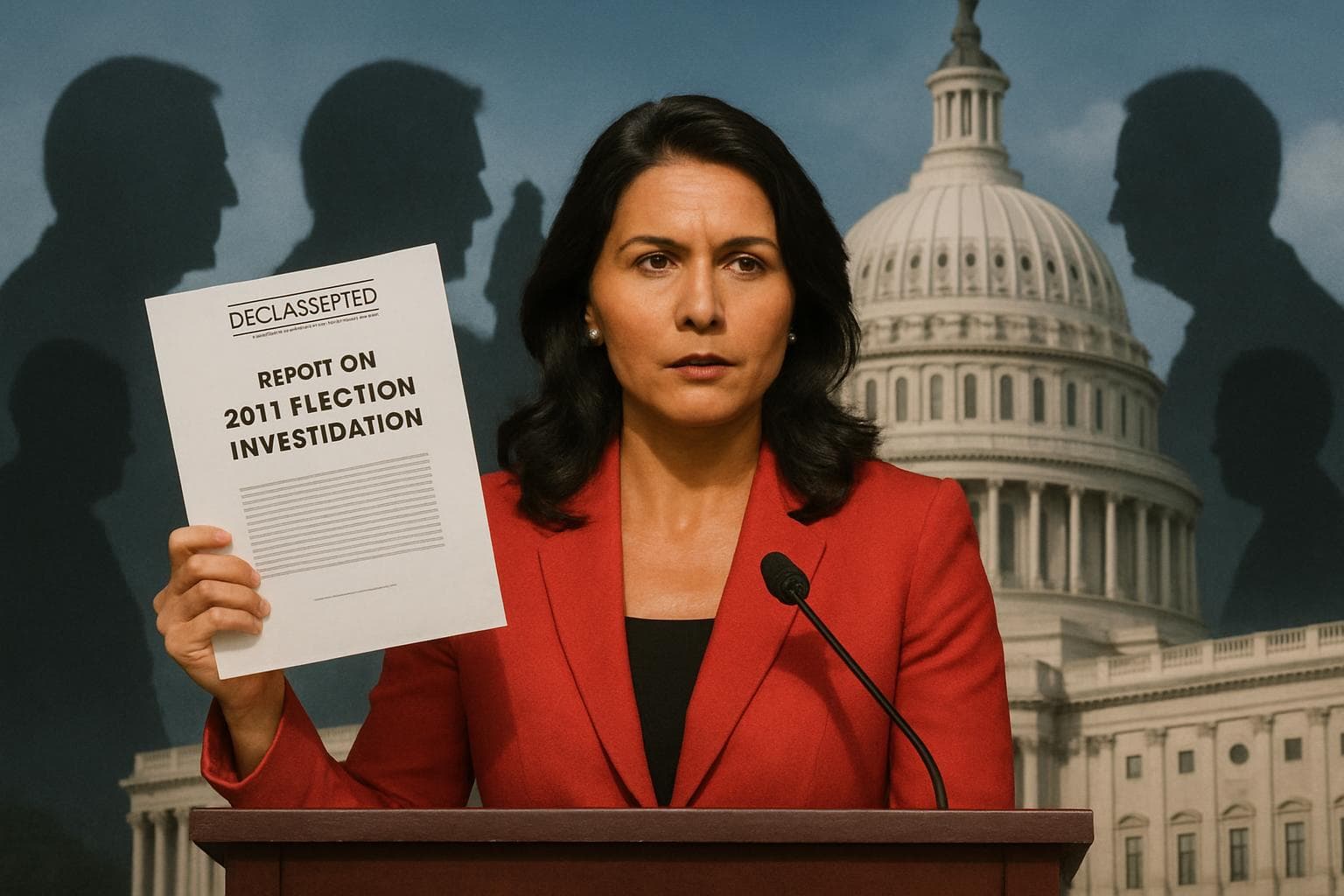
In a move that has reignited debates over the 2016 U.S. presidential election, Tulsi Gabbard, a prominent political figure, has released a declassified report alleging a "treasonous conspiracy" aimed at undermining the election results. The report, prepared by Republicans on the House Intelligence Committee, challenges the widely accepted conclusion that Russia sought to aid Donald Trump in his victory over Hillary Clinton.
Allegations of Politicization
Gabbard, speaking at the White House, claimed the report reveals "egregious weaponisation and politicisation of intelligence." The document criticizes the CIA for allegedly relying on insufficient evidence to conclude that Russian President Vladimir Putin favored Trump. However, the report offers little to counter the prevailing view within U.S. intelligence circles that Russia attempted to influence the election.
Obama's Response to Coup Claims
Former President Barack Obama has strongly refuted Trump's accusations that he orchestrated a coup by manufacturing evidence of Russian interference. In a rare public statement, Obama's office labeled the claims as "outrageous" and a "weak attempt at distraction." The statement emphasized that the findings of the declassified report do not undermine the bipartisan Senate Intelligence Committee's 2020 report, which supported the CIA's conclusions.
Political Distraction or Genuine Concern?
Democrats have criticized the timing of the report's release, suggesting it serves as a diversion from the ongoing controversy surrounding the Trump administration's reluctance to release files related to Jeffrey Epstein. "It seems as though the Trump administration is willing to declassify anything and everything except the Epstein files," remarked Democratic Senator Mark Warner.
Despite the heated rhetoric, the report's claims have not swayed the broader intelligence community's stance on Russian interference. As the debate continues, Gabbard has filed a criminal referral to the Justice Department, implicating Obama and other officials in the alleged conspiracy.
WHAT THIS MIGHT MEAN
The release of the declassified report by Tulsi Gabbard could have significant political ramifications. If further evidence emerges to support the claims, it could lead to renewed investigations and heightened partisan tensions. However, given the lack of substantial evidence in the current report, it is unlikely to alter the established narrative of Russian interference in the 2016 election.
Politically, the report may serve as a rallying point for Trump's supporters, reinforcing claims of a "deep state" conspiracy against him. Conversely, it could also galvanize Democrats to push harder for transparency regarding the Epstein files, potentially leading to further political clashes.
As the situation unfolds, the focus may shift to how these allegations impact future elections and the integrity of U.S. intelligence assessments. Experts suggest that maintaining public trust in these institutions will be crucial in navigating the ongoing political landscape.
Related Articles
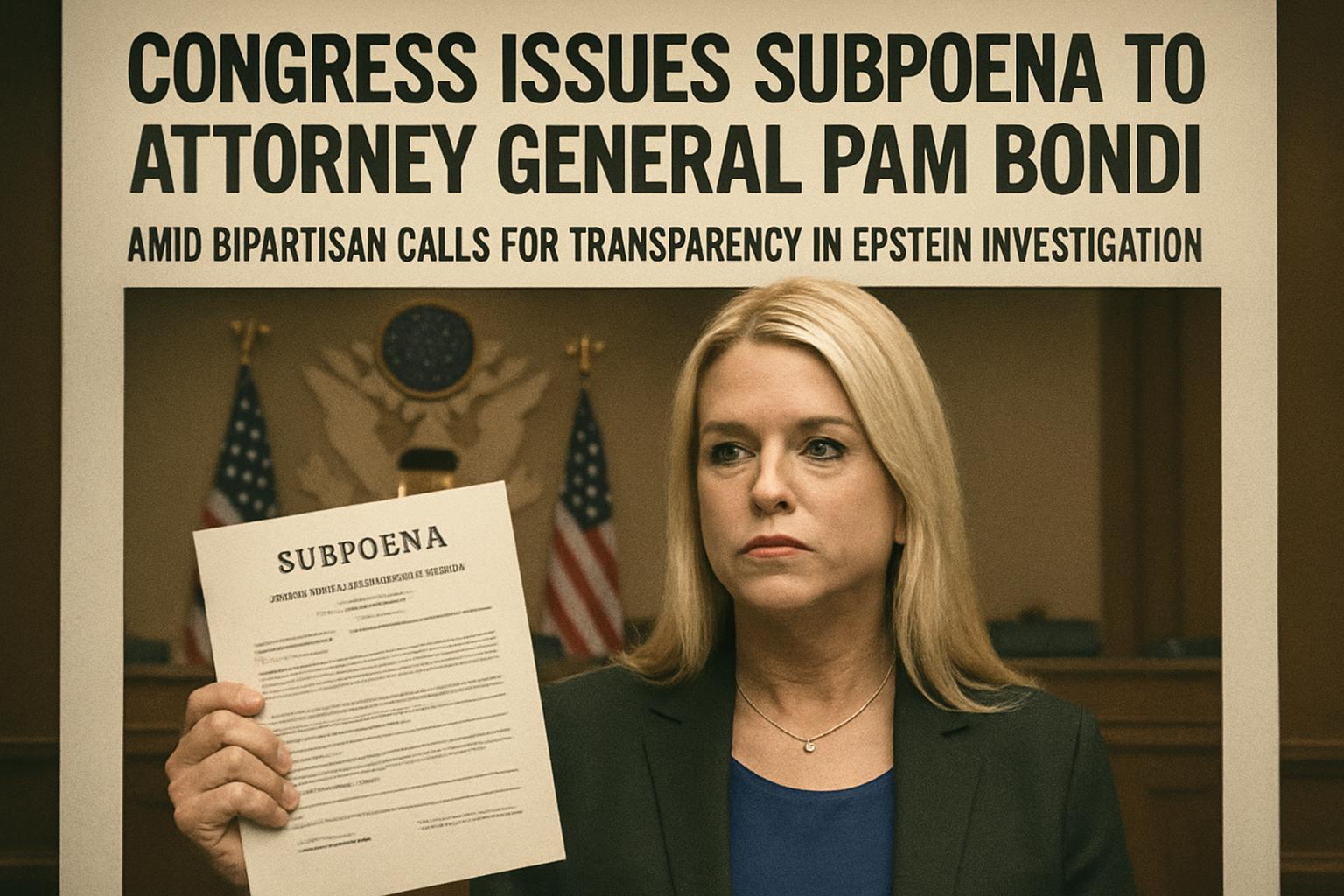
Congress Subpoenas Attorney General Bondi in Epstein Investigation

Tech Giants Pledge to Cover AI Data Center Energy Costs Amid Rising Electricity Concerns

Russian LNG Tanker Sinks in Mediterranean Amid Accusations of Ukrainian Drone Attack
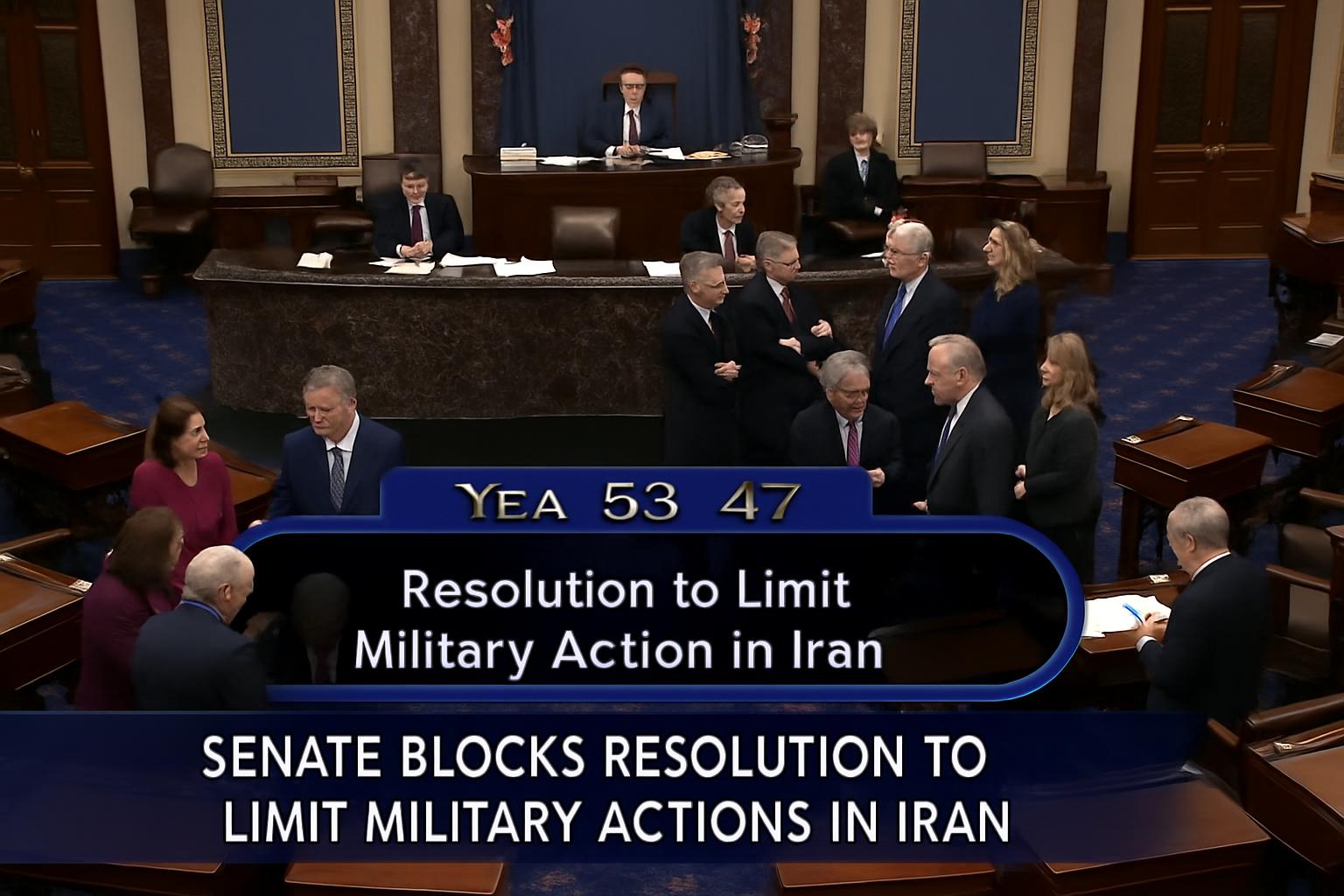
Senate Blocks Resolution to Limit Trump's Military Actions in Iran
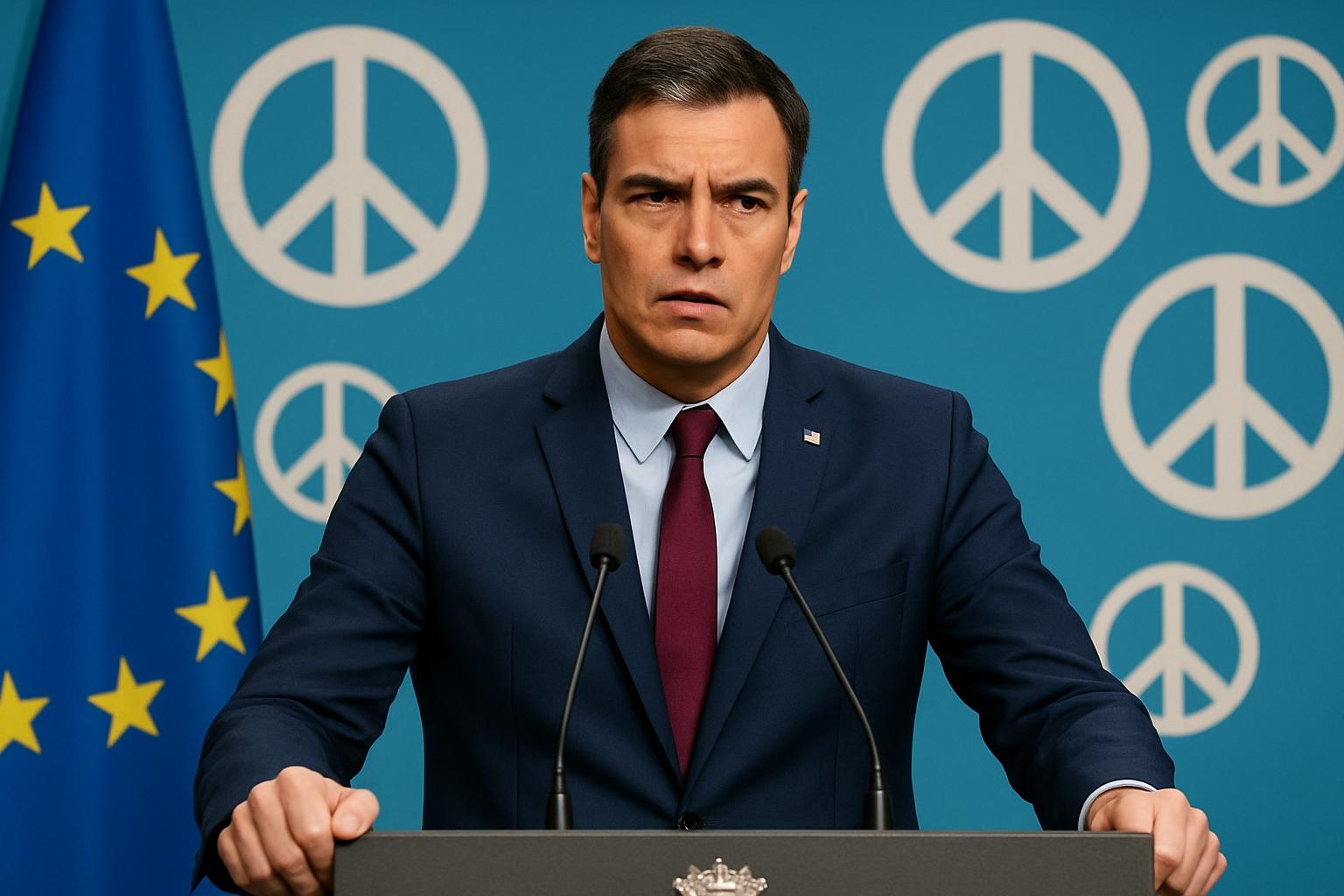
Spain's Sánchez Stands Firm Against Trump's Trade Threat Over Iran Stance
Cuba Faces Widespread Blackout Amid Deepening Fuel Crisis
Gabbard's Declassified Report Sparks Controversy Over 2016 Election Allegations
In This Article
 Alex Carter| Published
 HIGHLIGHTS
- Tulsi Gabbard released a declassified report alleging a conspiracy to undermine the 2016 election results.
- The report disputes intelligence conclusions that Russia sought to aid Donald Trump, but lacks substantial evidence.
- Barack Obama dismissed Trump's accusations of a coup attempt as "outrageous" and "ridiculous."
- Democrats argue the report is a distraction from calls to release Jeffrey Epstein-related files.
- Trump claims the report provides "irrefutable proof" of Obama's involvement in a conspiracy.
In a move that has reignited debates over the 2016 U.S. presidential election, Tulsi Gabbard, a prominent political figure, has released a declassified report alleging a "treasonous conspiracy" aimed at undermining the election results. The report, prepared by Republicans on the House Intelligence Committee, challenges the widely accepted conclusion that Russia sought to aid Donald Trump in his victory over Hillary Clinton.
Allegations of Politicization
Gabbard, speaking at the White House, claimed the report reveals "egregious weaponisation and politicisation of intelligence." The document criticizes the CIA for allegedly relying on insufficient evidence to conclude that Russian President Vladimir Putin favored Trump. However, the report offers little to counter the prevailing view within U.S. intelligence circles that Russia attempted to influence the election.
Obama's Response to Coup Claims
Former President Barack Obama has strongly refuted Trump's accusations that he orchestrated a coup by manufacturing evidence of Russian interference. In a rare public statement, Obama's office labeled the claims as "outrageous" and a "weak attempt at distraction." The statement emphasized that the findings of the declassified report do not undermine the bipartisan Senate Intelligence Committee's 2020 report, which supported the CIA's conclusions.
Political Distraction or Genuine Concern?
Democrats have criticized the timing of the report's release, suggesting it serves as a diversion from the ongoing controversy surrounding the Trump administration's reluctance to release files related to Jeffrey Epstein. "It seems as though the Trump administration is willing to declassify anything and everything except the Epstein files," remarked Democratic Senator Mark Warner.
Despite the heated rhetoric, the report's claims have not swayed the broader intelligence community's stance on Russian interference. As the debate continues, Gabbard has filed a criminal referral to the Justice Department, implicating Obama and other officials in the alleged conspiracy.
WHAT THIS MIGHT MEAN
The release of the declassified report by Tulsi Gabbard could have significant political ramifications. If further evidence emerges to support the claims, it could lead to renewed investigations and heightened partisan tensions. However, given the lack of substantial evidence in the current report, it is unlikely to alter the established narrative of Russian interference in the 2016 election.
Politically, the report may serve as a rallying point for Trump's supporters, reinforcing claims of a "deep state" conspiracy against him. Conversely, it could also galvanize Democrats to push harder for transparency regarding the Epstein files, potentially leading to further political clashes.
As the situation unfolds, the focus may shift to how these allegations impact future elections and the integrity of U.S. intelligence assessments. Experts suggest that maintaining public trust in these institutions will be crucial in navigating the ongoing political landscape.
Related Articles
Congress Subpoenas Attorney General Bondi in Epstein Investigation
Tech Giants Pledge to Cover AI Data Center Energy Costs Amid Rising Electricity Concerns
Russian LNG Tanker Sinks in Mediterranean Amid Accusations of Ukrainian Drone Attack
Senate Blocks Resolution to Limit Trump's Military Actions in Iran
Spain's Sánchez Stands Firm Against Trump's Trade Threat Over Iran Stance
Cuba Faces Widespread Blackout Amid Deepening Fuel Crisis